
N Seoul Tower (남산서울타워)
2.2Km 2025-10-23
105 Namsangongwon-gil, Yongsan-gu, Seoul
+82-2-3455-9277
Namsan Seoul Tower was the first multipurpose tower to be established in Korea, effectively incorporating a sightseeing observatory into a broadcasting tower. For the past 40 years, Namsan Seoul Tower has served as an iconic landmark of Korea and a representative tourist attraction. The tower's observatory offers an unobstructed view of the whole city, allowing it to become one of the all-time favorite attractions of Seoul citizens as well as domestic and international tourists. Featured in many dramas and reality shows, it is also a fan-favorite destination. Another highlight of the tower is the Namsan Cable Car. The cable car began its operation in 1962, transferring passengers from the foot of the mountain to the base of the tower. Shuttle buses to the Namsan Cable Car from downtown Seoul are also available for visitors' convenience.
◎ Travel information to meet Hallyu’s charm
In TXT’s content “TALK X TODAY,” the youngest members, Huening Kai and Taehyun, enjoyed a day out in their school uniforms. They rode the cable car to the top, took pictures together, and secured their wish lock. You can purchase locks at the souvenir shop near the cable car station at the top of the mountain, where name pens are also available to write down your wishes.

Cha Fertility Ceter - Seoul Station ((의)성광의료재단 차여성의원)
2.2Km 2025-10-23
(2nd Floor, Seoul Square), 416 Hangang-daero, Jung-gu, Seoul
Since opening in 2015, CHA Fertility Center - Seoul Station has served as Korea's leading fertility treatment center. Based on the know-how of CHA University Gangnam Medical Center, the first private hospital to deliver a test-tube baby in 1986, CHA Fertility Center - Seoul Station is conveniently located near the center of Seoul, making it convenient for domestic and international fertility clients. Foreign fertility patients who arrive in Korea via Incheon Airport not only have easy access to the clinic via the direct rail linking Seoul and the airport but also benefit from the capital city's excellent infrastructure (transportation, tours, accommodations, restaurants, etc.) for a safe and comfortable fertility treatment during their stay. In particular, many international residents in Korea, embassy officials, U.S. soldiers, and Koreans living abroad visit CHA Fertility Center for fertility treatment.
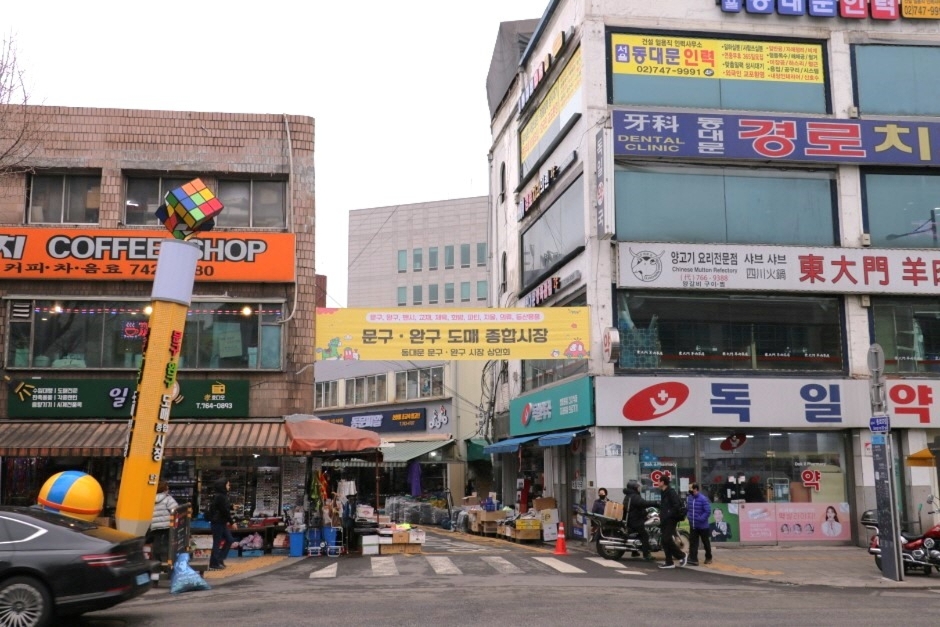
Dongdaemun Stationery Store Street (동대문 문구완구거리)
2.2Km 2024-03-15
21-1, Jong-ro 52-gil, Jongno-gu, Seoul
+82-2-1330
Dongdaemun Stationery Store Street houses nearly 120 stores selling stationery products like notebooks, crayons, pencils, backpacks, as well as other products like children’s gifts, decorations, and party products. Products can be found at prices nearly 30 to 40% lower than the consumer products, which can be lowered even further when buying in bulk. Products past the season may see the prices drop by more than half.
National Theater of Korea (국립극장)
2.2Km 2024-03-06
59, Jangchungdan-ro, Jung-gu, Seoul
+82-2-2280-4114
The National Theater of Korea opened in 1950 as the first national theater in Asia. It is the only production theater that takes traditional arts to recreate them as contemporary art. It offers various types of theaters, such as Haeoreum Grand Theater, Daloreum Theater (middle-size), Immersive Studio ByeolByeol (small-size), and Haneul Round Theater with a circular stage structure. In addition, the Museum of Performing Arts, Cultural Plaza, and other convenience stores and coffe shops offer pleasure and relax to its visitors.
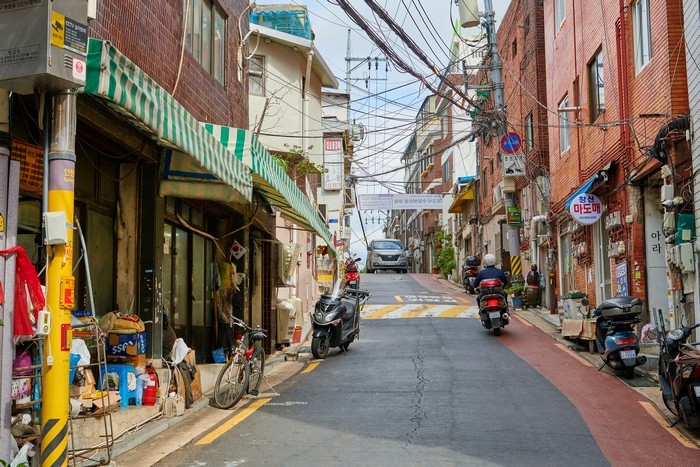
Alleys of Changsin-dong (창신동골목길)
2.2Km 2025-11-05
38, Jibong-ro 11-gil, Jongno-gu, Seoul
K-movie <PARASITE> - A town full of nostalgia
On the day Kitaek's family returned home, the torrential rain flowed ferociously in streams. The alleys of Changsin-dong, with its narrow and steep stairs, were a good backdrop for visually representing the condition of the Kitaek’s family, who were about to fall. Changsin-dong is a warm and charming neighborhood where traces of the 70s and 80s can be felt.
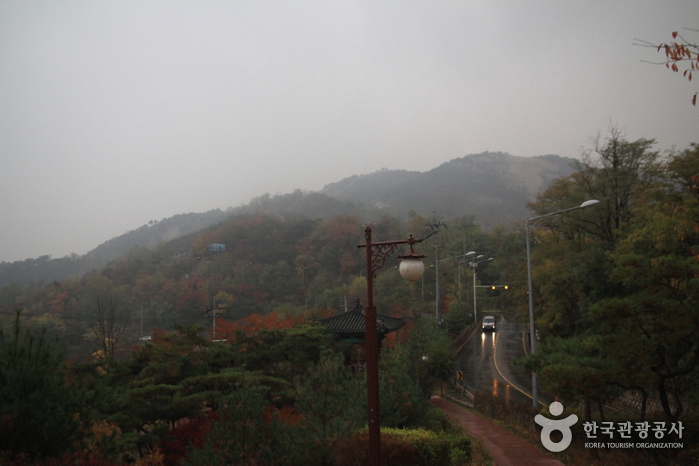
Inwangsan Mountain (인왕산)
2.3Km 2024-03-04
San 2-1, Muak-dong, Jongno-gu, Seoul
+82-2-2148-2834
Inwangsan Mountain is a rocky mountain located to the northwestern side of Seoul. It stands 338m tall. The Seoul City Wall is built along its ridge, connecting to the Baegak Mountain Trail. From the summit, one can see the three mountains of Naksan Mountain, Namsan Mountain, and the Bugaksan Mountain surrounding the historical center of Hanyang, the historical name for Seoul in Joseon period, with the Gyeongbokgung Palace at the center. There are five hiking trails, all taking about two hours to complete. It takes about three hours if you want to visit all the peaks of the mountain.
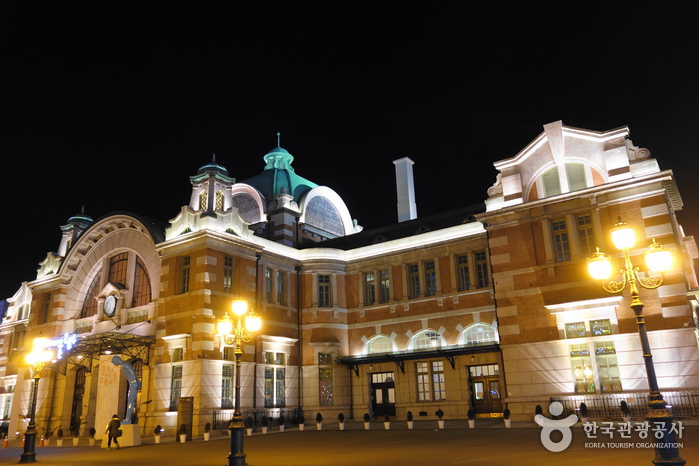
Culture Station Seoul 284 (문화역 서울 284)
2.3Km 2025-10-23
1 Tongil-ro, Jung-gu, Seoul
Culture Station Seoul 284 opened in 2011 by restoring the old Seoul Station. The complex holds various programs including exhibitions, performances, cultural events and workshops. It holds over 100 years of history with Namdaemun Station being the original name of the station in 1900 and changing to Gyeongseong Station, Seoul Station, and now Culture Station Seoul 284. The look of 1925 Gyeongseong Station offers visitors a flashback to the past, providing a fun and special experience.
◎ Travel information to meet Hallyu’s charm
This is where Mok-ha (played by Park Eun-bin) waited for Ki-ho (played by Chae Jong-hyeop) with flowers in the TV series "Castaway Diva." As the restored historic Seoul Station, it also appeared in "Reply 1994" as the location where Samcheonpo (played by Kim Sung Kyun) first arrived in Seoul.
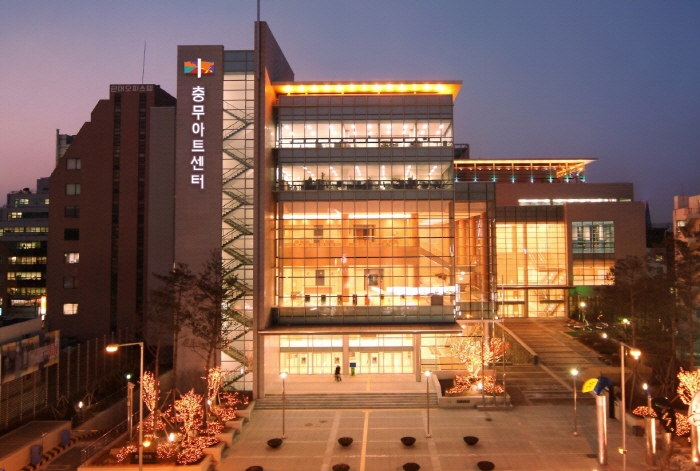
Chungmu Arts Center (충무아트센터)
2.3Km 2024-03-06
387, Toegye-ro, Jung-gu, Seoul
+82-2-2230-6600
Chungmu Arts Center is a complex cultural facility with an optimal conditions for watching performances. It has a large theater, a medium theater (black), and a small theater (blue). It also boasts great galleries, studios, and a swimming pool, attracting numerous visitors. In addition, one can enjoy performances of various genres, including classical music, plays, musicals, and concerts. Located close to Dongdaemun, it has good accessibility.
![Lotte Outlets - Seoul Station Branch [Tax Refund Shop] (롯데아울렛 서울역점)](http://tong.visitkorea.or.kr/cms/resource/80/3003480_image2_1.jpg)
Lotte Outlets - Seoul Station Branch [Tax Refund Shop] (롯데아울렛 서울역점)
2.4Km 2024-07-30
405, Hangang-daero, Yongsan-gu, Seoul
- Located in the heart of transportation at Seoul Station, LOTTE Seoul Station offers convenience with easy access to nearby public transport and parking and holds a diverse selection of brands under the YOUNG & SPORTY concept. Experience top-notch services tailored to our foreign guests in our Global Service Room.
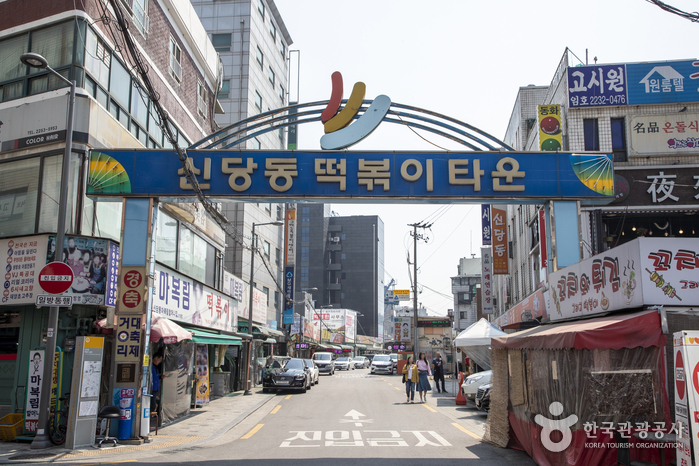
Sindang-dong Tteokbokki Town (신당동떡볶이골목)
2.4Km 2022-10-25
10-18, Dasan-ro 33-gil, Jung-gu, Seoul
+82-2-2236-9135
Sindang-dongTteokbokki Town started in the late '70s, although the alley did not become famous until the '80s. At that time, each restaurant had its own DJ booth, with the image of the "cool DJ" who played the music becoming a symbol of Sindang-dong Tteokbokki Town. In addition, this period also marked the prime time of high school baseball where students would crowd the streets on days when Duksoo Commercial High School and Sunrin Commercial High School (now Sunrin Internet High School) played against one another. Although these high school students have aged, they continue to visit the area, reliving their youth and continuing to indulge in the specialty tteokbokki.
However, some claim the history of this alley began in the 1950s. The owner of Mabongnim Halmeoni Tteokbokki restaurant says tteokbokki was being sold as early as 1953 as the area used to be home to Donga Theater and she sold tteokbokki, corn and potatoes to those visiting the theater. At first, tteokbokki was simply made with gochujang (red chili paste) but as time went by, cooks decided the dish could be more than just a snack. By adding ingredients like eggs, cellophane noodles, fish cakes, instant noodles and more recently squid, prawn and cheese, tteokbokki can be made more delicious and turns this beloved snack into a full meal.
 English
 한국어
한국어 日本語
日本語 中文(简体)
 Deutsch
 Français
 Español
 Русский


