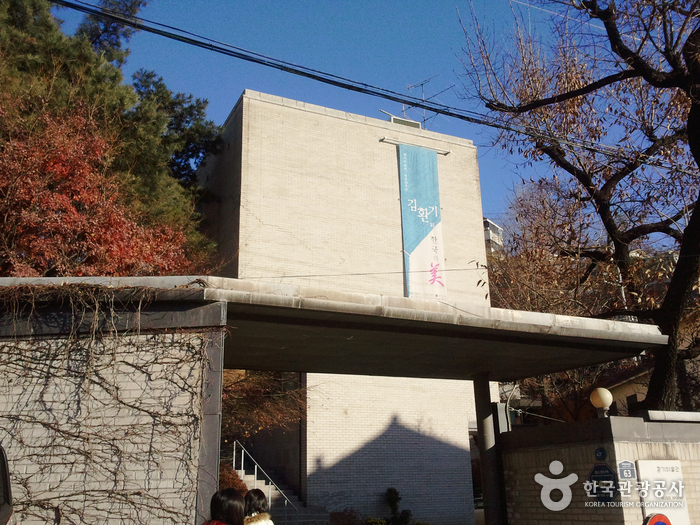
Whanki Art Museum (환기미술관)
2.2Km 2024-03-04
63, Jahamun-ro 40-gil, Jongno-gu, Seoul
Whanki Art Museum exhibits the works of Kim Whanki (1913-1974), the pioneer of Korean abstract art. Kim was inspired by traditional features such as Korean mountains and streams, the sky, moons and clouds, the white porcelain and traditional patterns, and worked to express them in abstract forms through points, lines, and surfaces. The main collection features nearly 300 works by Kim. One can also find an art shop and a café.
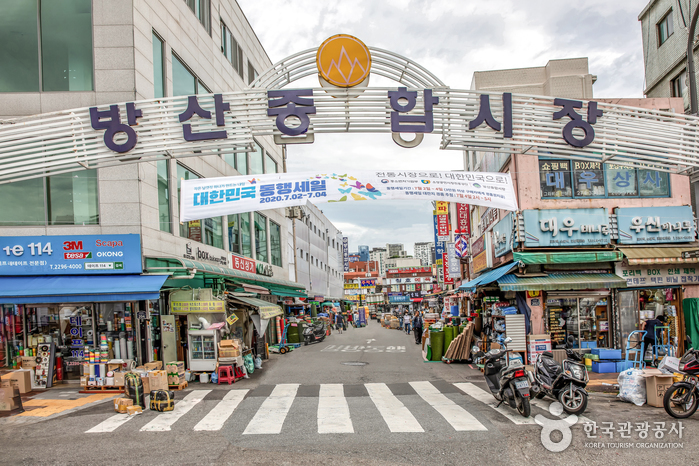
Bangsan Wholesale Market (방산 종합시장)
2.2Km 2025-10-23
20, Dongho-ro 37-gil, Jung-gu, Seoul
Bangsan Market is a wholesale market with approximately 250 stores that sells packaging and promotional materials. The market was popular with patissiers in the past and is currently more famous for being a bakery street.
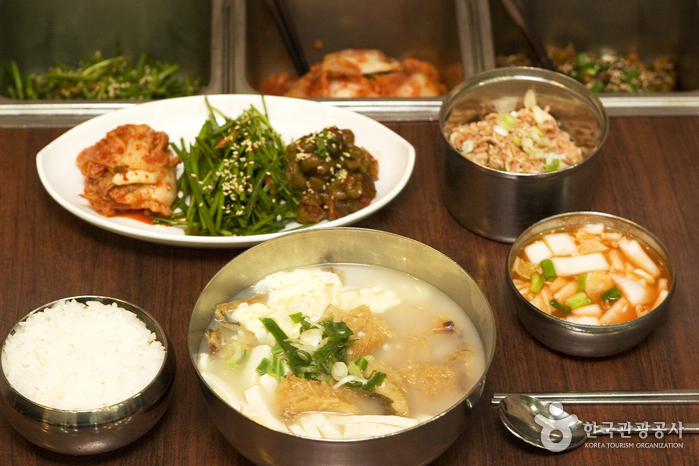
Bugeogukjip (북어국집)
2.2Km 2024-12-27
38, Eulji-ro 1-gil, Jung-gu, Seoul
Bugeogukjip (formerly “Teojutgol”) is a restaurant behind City Hall in Seoul that has been serving up authentic dried Pollack soup since 1968. Despite a name change, the restaurant has proudly stood in this same location for decades, earning a strong reputation for its dried Pollack soup made using traditional cooking methods.
Since the restaurant only serves one thing—dried Pollack soup—there are few preparations to be made and the meal arrives on your table in minutes. Customers are free to serve themselves basic side dishes such as kimchi and can have as many servings of rice as they’d like, allowing diners to enjoy a hearty meal at a low price. While the restaurant’s design and menu may be simple, Bugeogukjip takes pride in its long history and the careful efforts that have earned it a reputation as one of the most notable restaurants in Seoul.
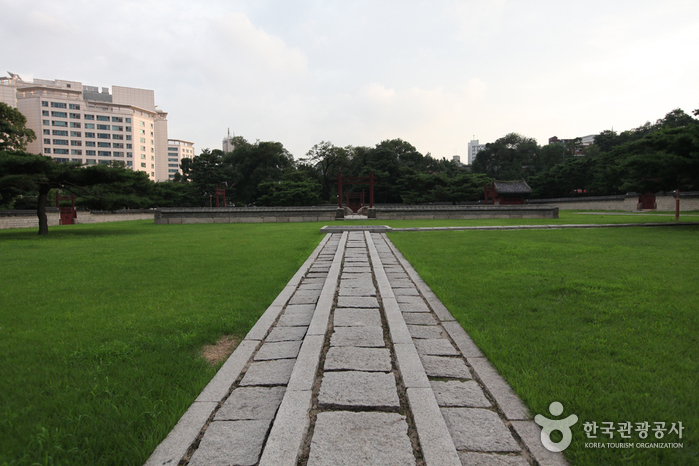
Seoul Sajik Park (사직공원(서울))
2.3Km 2021-11-12
89, Sajik-ro, Jongno-gu, Seoul
Sajik Park is one of the three most popular parks in Jongno-gu along with Tapgol Park and Samcheong Park. Located west of the Government Complex-Seoul on the southeastern foothills of Inwangsan Mountain, the park measures an impressive 188,710 m².
The name of the park dates back to 1395 when Taejo Yi Sung-gye made Sajik Altar (altar to the State deities) at the center of the park. "Sa" refers to the deity of the earth while "jik" refers to the deity of the five grains. Rites wishing for a good harvest were held regularly at Sajik Altar.
In the park are several playgrounds, statues of Sin Saimdang, Hwanghakjeong, and Yulkog Yi I, and the Municipal Children's Library. Dangun Shrine and Jongno Library are situated nearby. By following the path next to Sajik Park for approximately 5 minutes, travelers can reach the Inwangsan hiking path with relative ease.
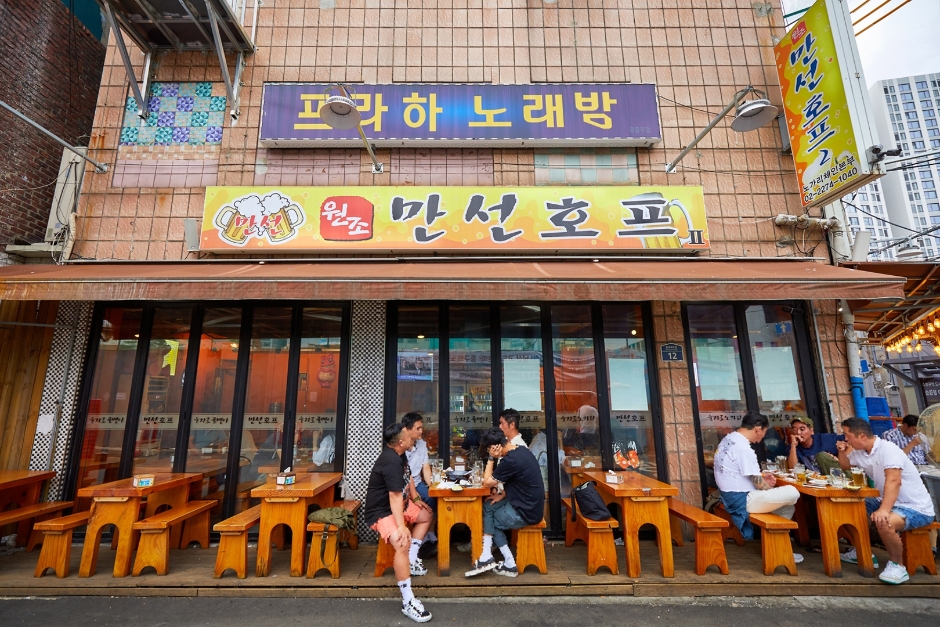
Euljiro Nogari Alley (을지로 노가리골목)
2.3Km 2025-11-06
Eulji-ro 129, Jung-gu, Seoul
Going out of Exit 3 of Euljiro 3-ga Station on Seoul Metro Line 3 and turning to the alley, you will find many pubs selling Nogari/Dried Young Pollack (Korean people grill and dip it in red pepper paste to eat as a side dish with alcohol) and restaurants specializing in Golbaengi/Sea Snails (It is a kind of conch shell, and Korea people made it a seasoned dish and enjoy it with Somyeon/Thin Noodles or use it as a bar sack). People gather in small groups at every outdoor table and sit in every alley to enjoy beer and snacks on weekday evenings and weekends, so it isn't easy to find a seat.
Originally, this area was lined with various company buildings and shops selling tools. However, in 1980, the pub 'Eulji OB Bear' opened, and as similar pubs opened nearby, it naturally came to be called 'Euljiro Nogari Alley.' As the affordable prices of snacks and beer attracted nearby office workers and college students, it has become increasingly popular, leading to its current status.
Here, along with a cold draft beer, let's try the K-snacks only available in Korea, such as Nogari/Dried Young Pollack and Golbaengi/Sea Snails. In addition, snacks such as chicken and fried dishes are also available, so try various snacks.
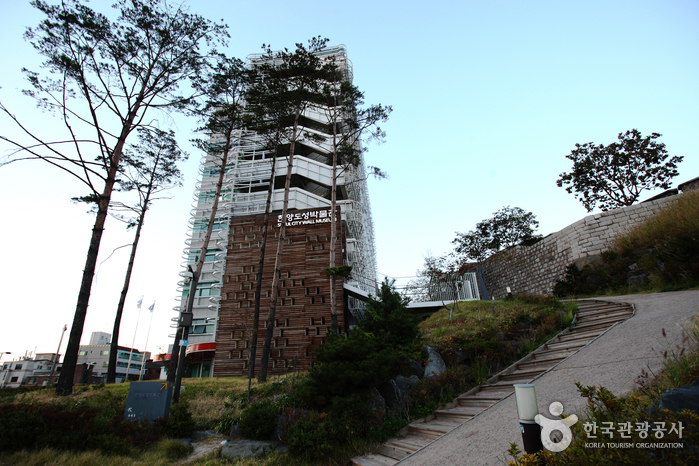
Seoul City Wall Museum (한양도성박물관)
2.3Km 2023-12-22
283, Yulgok-ro, Jongno-gu, Seoul
Hanyangdoseong, the Seoul City Wall, built in 1396, was the city fortress wall that protected the capital city Seoul for over 600 years. The fortress wall was built along the terrains and although it became partially damaged during the modernization process, its original form remains well to this day, making it a cultural heritage that coexists with the modern city. The Seoul City Wall Museum, located in Heungjinjimun Park, is a museum containing the history and culture of city wall from the Joseon dynasty to the present. It is a cultural space with a permanent exhibition hall, special exhibition hall, city wall information center, and study room.
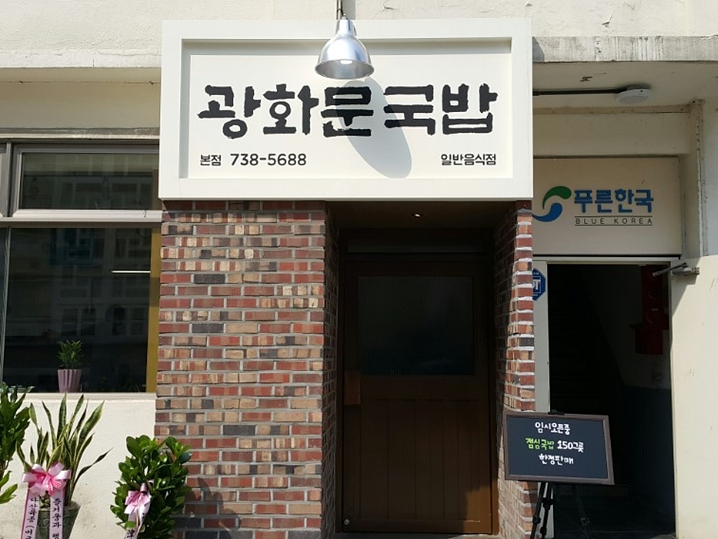
Gwanghwamun Gukbap (광화문국밥)
2.3Km 2024-06-19
53 Sejong-daero 21-gil, Jung-gu, Seoul
Gwanghwamun Gukbap is a dwaeji gukbap (pork and rice soup) restaurant operated by Chef Park Chanil. Its distinctive feature lies in using only black pork loin and shoulder to enhance the flavor. The signature dish is the dwaeji gukbap, which boasts a mild, clean, and deep flavor. In addition to that, they also offer dwaeji suyuk (boiled pork slices) and pisundae (sundae with pork blood). Known for its authentic taste of rice soup and rich broth, it's a popular destination for many.
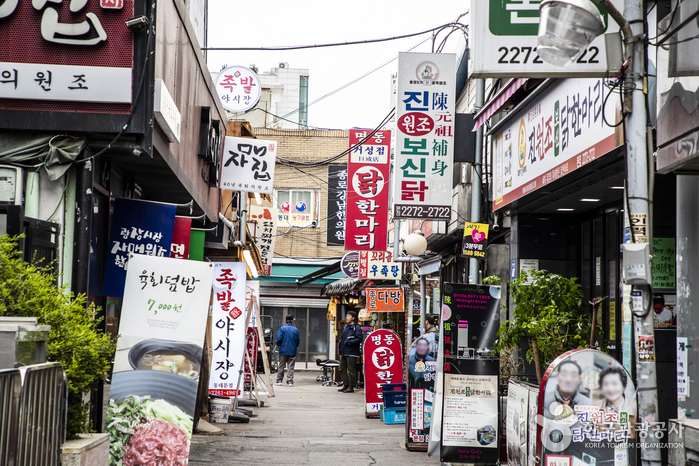
Dongdaemun Dak Hanmari Alley (서울 동대문 닭한마리 골목)
2.3Km 2024-03-04
37-7, Jongno 5(o)-ga, Jongno-gu, Seoul
Located near the Dongdaemun Market, Dongdaemun Dak Hanmari Alley gets its name from the restaurants serving dak hanmari (whole chicken soup) that line the alley. Dak hanmari (whole chicken soup), literally “one whole chicken” in Korean, is a dish where a whole chicken is boiled in a soup and served with the alley’s special sauce. After the diners eat the meat, the broth is used to make kalguksu (noodle soup). Because the area is home to large-scale apparel and fashion material markets of the Dongdaemun Market, the district is always lively and bustling.
Mok In Museum Mok Seok Won (목인박물관 목석원)
2.3Km 2021-09-01
46-1, Changuimun-ro 5-gil, Jongno-gu, Seoul
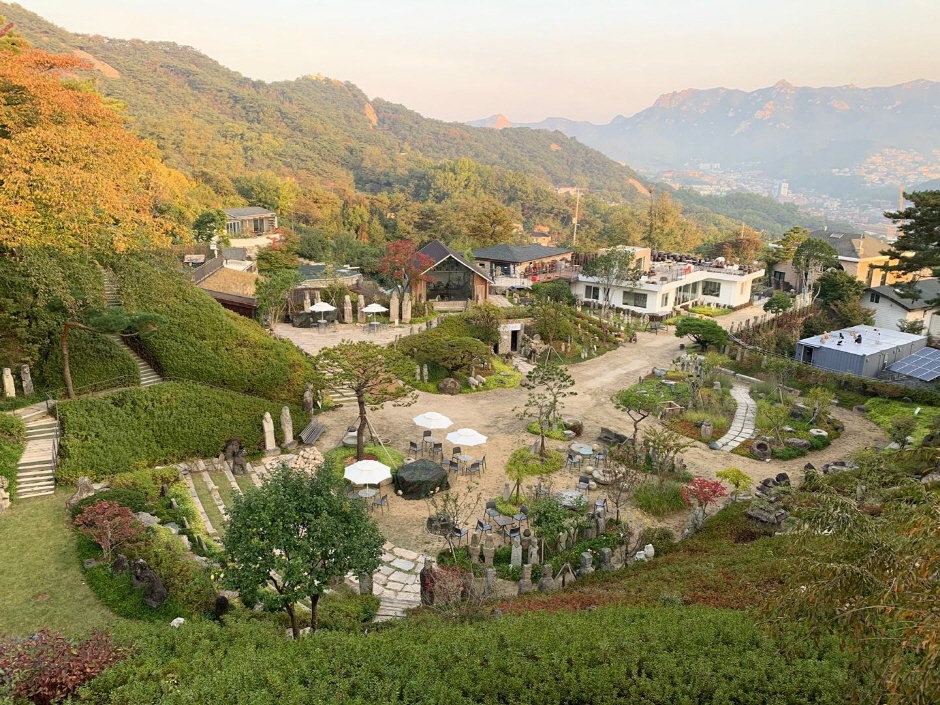
Mok In Museum Mok Seok Won relocated in 2019 from Insa-dong to Buam-dong. Six exhibition halls offer visitors a look at wooden figures from around the world. Mokin refers to traditional wooden sculptures carved in shapes of human figures or various animals. The museum holds around 12,000 wooden folk sculptures including those used to decorate funeral carriages and temples mostly from the Joseon dynasty up to modern times. The museum also has an outdoor exhibition hall that harmonizes the sculptures with nature.
Buam-dong (부암동)
2.3Km 2024-03-15
Buam-dong, Jongno-gu, Seoul
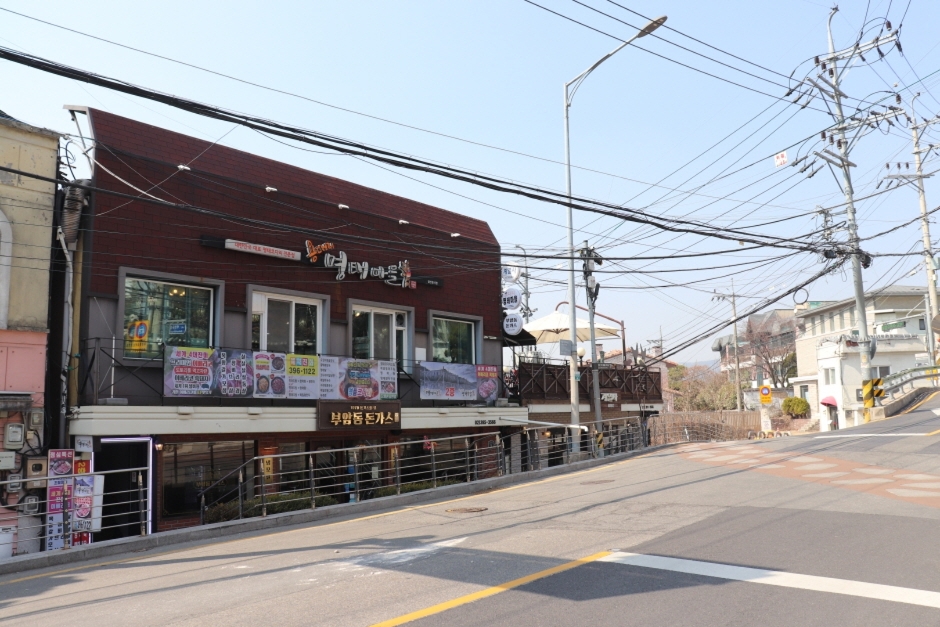
Buam-dong is a village located north of Gyeongbokgung Palace. It is designated as a development-restricted zone due to its proximity to the Cheong Wa Dae, preserving the old neighborhood's appearance. There are numerous bakeries, cafés, restaurants, and small galleries housed in renovated traditional houses, making it a delightful place for a leisurely stroll. The nearby hiking trails connected to Bugaksan Mountain offer a tranquil journey through the forest, ideal for those seeking a peaceful retreat.
 English
 한국어
한국어 日本語
日本語 中文(简体)
 Deutsch
 Français
 Español
 Русский


