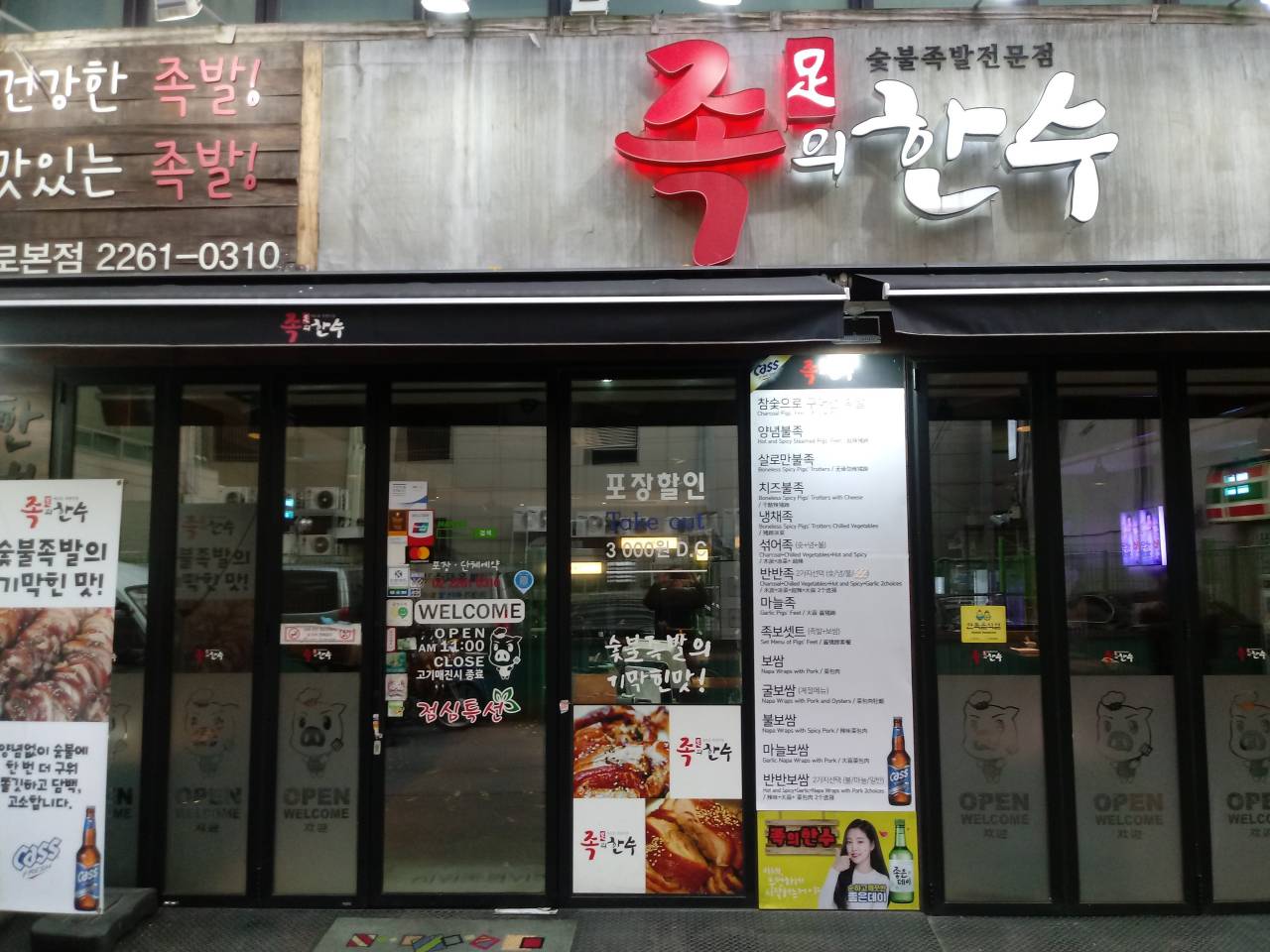
Jogui Hansu (족의한수)
832.5M 2024-10-15
93-1, Supyo-ro, Jongno-gu, Seoul
+82-2-2261-0310
A pig's trotter(s) specialty restaurant located in Jongno, Seoul. This restaurant's signature menu is braised pigs' feet. A restaurant serving both charcoal-grilled jokbal (pig's trotter) and spicy jokbal.
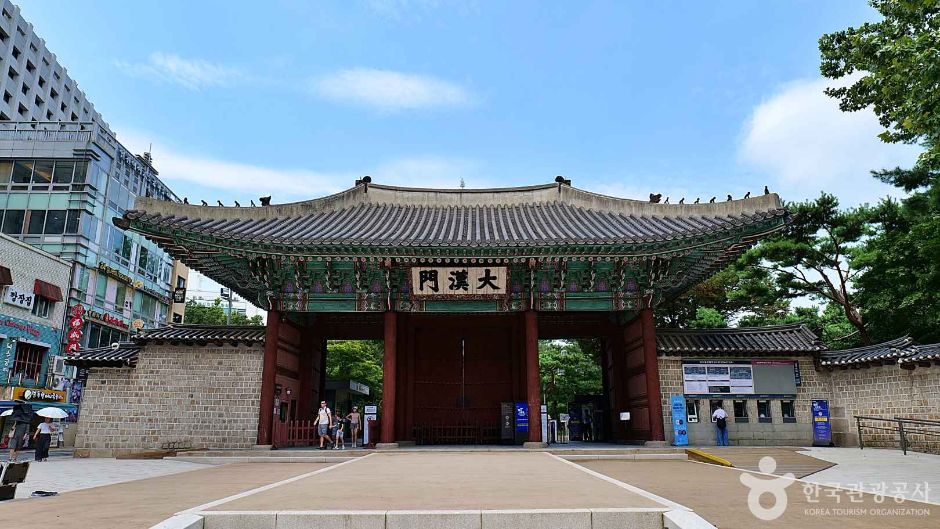
Deoksugung Palace's Daehanmun Gate (덕수궁 대한문)
833.6M 2025-01-13
99 Sejong-daero, Jung-gu, Seoul
+82-2-771-9951
Located near City Hall station, Daehanmun Gate is the main gate of Deoksugung Palace, one of the princiapl five palaces of Joseon dynasty. The name "Daehan" means wish for eternal prosperity of the Korean Empire. In front of the gate, the Palace Royal Guard Changing Ceremony is held twice daily, along with the reproduction of costumes and style throughout the year.
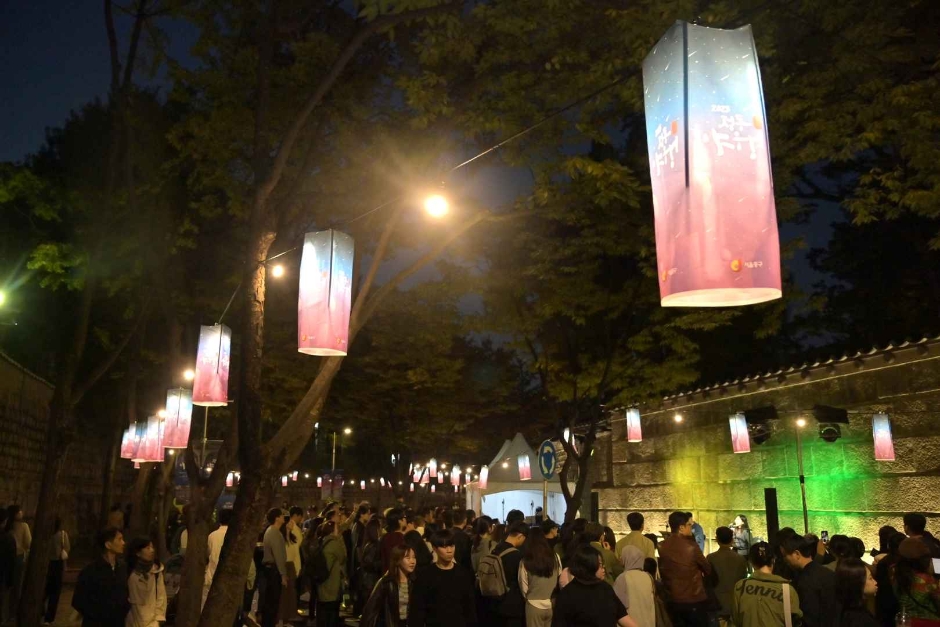
Jeongdong Culture Night (정동야행)
833.6M 2025-05-20
99 Sejong-daero, Jung-gu, Seoul
+82-2-3396-4625
Jeongdong Culture Night is dedicated to promoting the history and culture of Jeongdong, a neighborhood in Jung-gu, Seoul. The festival programs allow participants to understand how the history is connected to today's culture and offers an opportunity to view Jeongdong's cultural facilities in a different perspective.
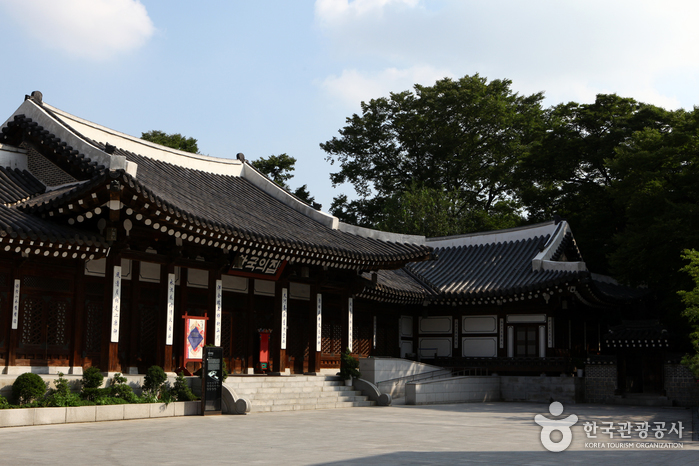
Korea House (한국의집)
851.9M 2025-10-23
10, Toegye-ro 36-gil, Jung-gu, Seoul
The Korea House was opened in 1981. It is a traditional Korean building that introduces the culture and lifestyle of Koreans, where you can experience traditional architecture and a classical atmosphere. The building was built in the style of the Joseon Dynasty's Jagyeong-jeon building at the Gyeongbok Palace. It is the only building built in the traditional architectural style. You will feel its antiquity as you enter the building.
It is divided into the Haerin-gwan (a space for people to get acquainted with each other), the Traditional Theater, and three annex buildings (Munhyang-ru, Nokeum-jeong and Cheongwu-jeong). At Haerin-gwan, you can enjoy traditional music at Garak-dang and try traditional food at Sohwa-dang. In the square of Garak-dang you can view a traditional wedding (on the weekends) or people playing folk games. Also, at the Traditional Theater, about 156 seats are available, and in the afternoons Human Cultural Assets or members of the National Center for Korean Traditional Performing Arts and the National Corps members present traditional music and dances. Sinayui, Salpuri, Pansori, the Drum Dance and the Bongsan Mask Dance are the most popular programs for foreigners. The programs are all explained in English and Japanese.
In the Cultural Gift Shop you can view various crafts made by traditional craftsmen. It is always open and the crafts are for sale as well. There are pottery, ceramics, golden crafts, knots and embroidery etc; approximately 500 pieces of artwork made by craftsmen from 20 different fields. Next to the House of Korea is the Namsan-gol Hanok Village where visitors can explore traditional houses.
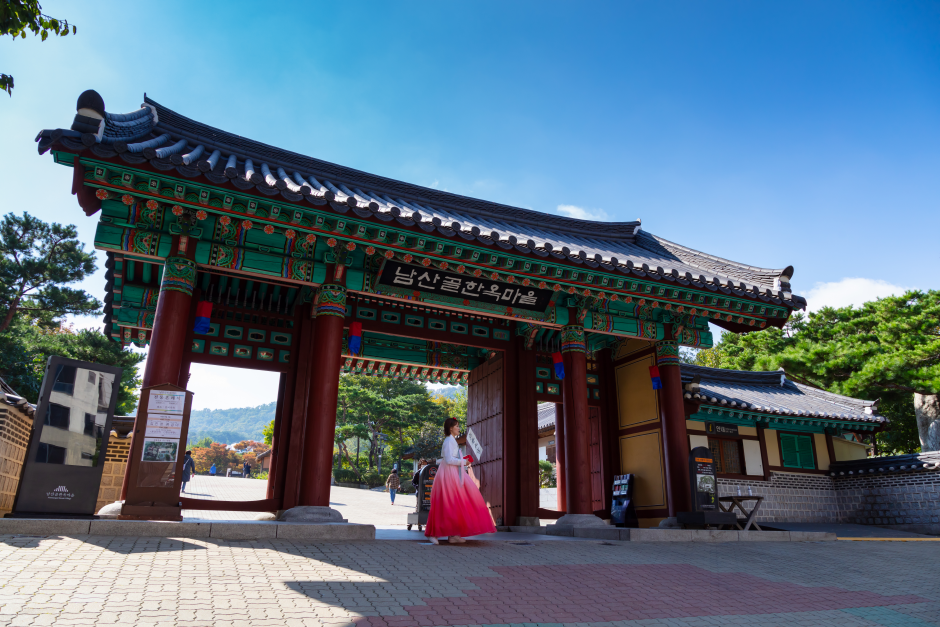
Namsangol Hanok Village (남산골한옥마을)
858.1M 2025-07-14
28 Toegye-ro 34-gil, Jung-gu, Seoul
Namsangol Hanok Village opened in 1998 on the northern side of Namsan Mountain in the center of the capital. This village has five restored hanok (traditional Korean house) premises, a pavilion, a traditional garden, a performance art stage, and a time capsule plaza, making it a perfect spot for locals and tourists to take a leisure walk. Upon entering from the front gate, visitors will get a taste of Korea's traditional life while escaping from bustling city life. The traditional garden with its pavilion and old houses creates a peaceful ambiance before the forested Namsan Mountain. A time capsule commemorating Seoul’s 600th anniversary was buried in 1994 at the highest point of the village and is scheduled to be reopened 400 years later in 2394.
The five hanok premises at Namsangol Hanok Village once belonged to aristocrats and government officials of the Joseon dynasty. Each house was originally located in a different neighborhood, but they were all moved to this area and restored to their original form. The houses were rebuilt using their original materials, except for one house, where the materials were too old and deteriorated to be reused. The premises were carefully restored and replicated according to their original form to depict the owners’ social class and personality. These buildings are now used as an exhibit to portray the living environment during the Joseon dynasty and as a venue for educational and cultural programs for children and tourists.
Some of the unique programs and activities to participate in include wearing hanbok, folding hanji (traditional Korean paper), writing in Korean, traditional tea ceremony, traditional etiquette school, and herbal medicine experience. There are also taekwondo demonstrations and other various performances held around the village. Visitors can also try traditional games such as yunnori (traditional board game), or understand more about the area through a guided tour.
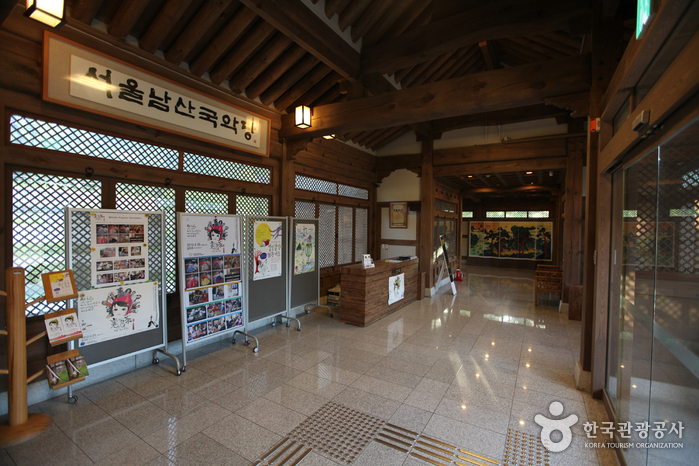
Seoul Namsan Gugakdang (서울 남산국악당)
862.0M 2021-08-02
28, Toegye-ro 34-gil, Jung-gu, Seoul
+82-2-2261-0500
Seoul Namsan Gukakdang was established by Seoul Metropolitan Government as a representative traditional art-centered performance hall in 2007. It is comprised of one ground and two basement levels. The performance hall is located on the basement floor with 300 seats, equipped with facilities that deliver pansori sounds and gayageum music to every seat. Visitors can make a reservation at the Namsangol Hanok Village website.
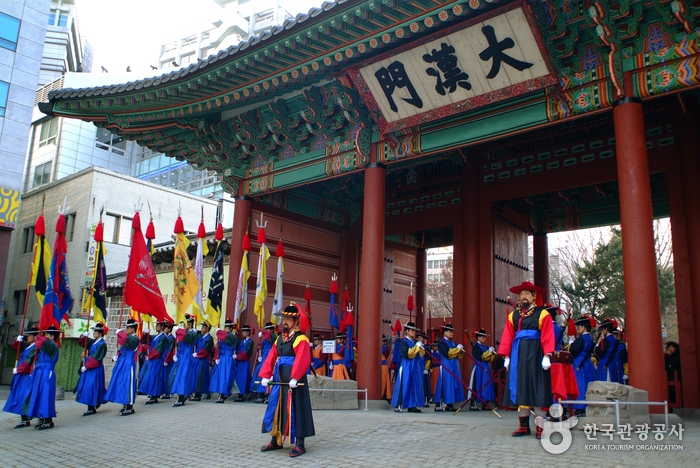
Deoksugung Palace Royal Guard Changing Ceremony (덕수궁 왕궁수문장교대의식)
872.9M 2025-07-11
99, Sejong-daero, Jung-gu, Seoul
• 1330 Travel Hotline: +82-2-1330 (Korean, English, Japanese, Chinese) • For more info: +82-2-737-6444
Deoksugung Palace has held a guard changing ceremony since 1996 after thorough historical research by leading historians. The ceremony, which is held in front of Daehanmun Gate of Deoksugung Palace, is a tradition similar to the Changing of the Guards at Buckingham Palace and offers a rare opportunity to experience royal culture. The royal gate is opened and closed at pre-determined times, and the gatekeepers in charge of guard duty and patrols hold a shift ceremony three times a day.
The Royal Guard Changing Ceremony is a highly recommended event for tourists. It is held three times a day, with each ceremony following the same procedure and lasts for forty minutes to an hour, and the ceremony is free of charge. There are no ceremonies on Mondays as well as on severely cold or hot days.
As the ceremony begins, the changing of the guards commences replete with traditional musical instruments, and exchanges a password for verification. An eight-minute guard ceremony ensues, followed by a seven-minute change ceremony, and finally a patrol that completes the ceremony. The procedure takes a dramatic turn when 18 guards in six official positions beat a drum and bellow some orders.
The Royal Guard Changing Ceremony is a great opportunity to experience a rare traditional scene. The guards’ splendid costumes, with their brilliant primary colors, are a pleasure to view. Once the ceremony is over, visitors can take pictures with the gatekeepers.

Jeongdong Observatory (정동전망대)
905.7M 2022-08-11
15, Deoksugung-gil, Jung-gu, Seoul
+82-2-120
Jeongdong Observatory is located on the 13th floor of Seoul City Hall Seosomun building. The observatory has a cafe inside where visitors can enjoy a drink while gazing upon the magnificent view of Deoksugung Palace from above. In addition, the walls of the cafe are decorated with photos of old Jeongdong.
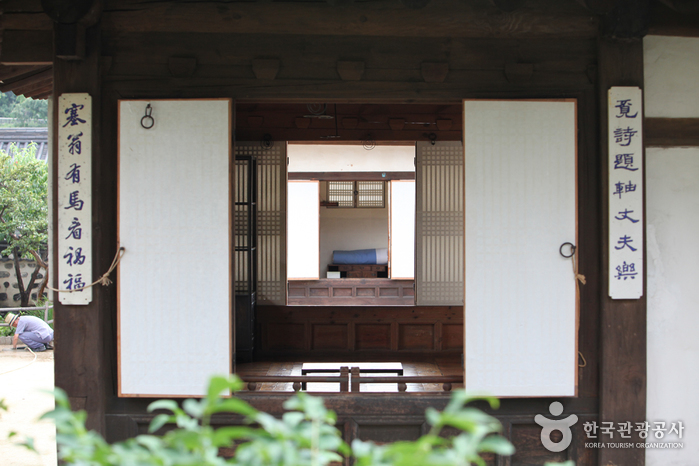
Haepungbuwongun Yun Taekyeong's Jaesil (해풍부원군윤택영댁재실)
931.2M 2021-11-10
28, Toegye-ro 34-gil, Jung-gu, Seoul
+82-2-3396-5882
Haepungbuwongun Yun Taekyeong's Jaesil is a shrine house built by the father-in-law of King Sunjong of Joseon dynasty in 1906 when his daughter was proclaimed the crowned princess of Joseon and entered Changdeokgung Palace to later become Queen Sunjeong. Red pine trees salvaged from the demolition of Gyeongungung Palace were used to construct the house. It was originally located in Jegi-dong, Dongdaemun-gu, but was later restored and moved to its present location. The shrine of the house that was destroyed in 1960 was also restored.
Because the house is more of a shrine rather than residential living quarters, it has many unique features. For example, unlike other houses, it has the anchae (women’s quarters) located across from sarangbang (men’s quarters) with daecheong (living room) positioned between them.
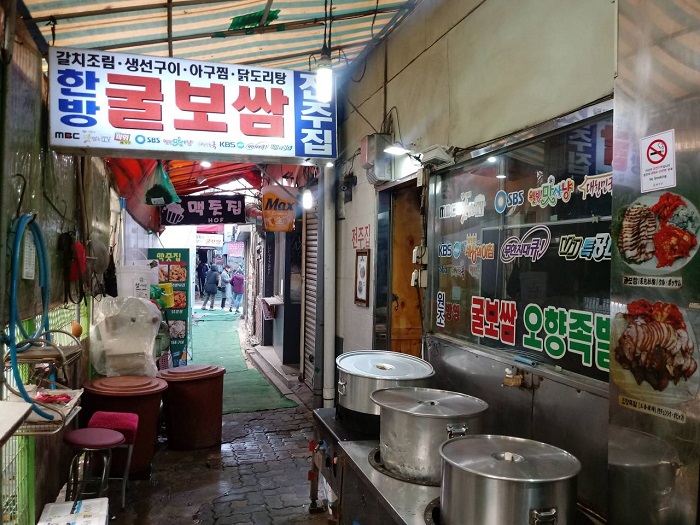
Jeonjujip (전주집)
934.7M 2024-10-15
16-15 Supyo-ro, 20-gil, Jongno-gu, Seoul
+82-2-2278-3311
A store featured several times in Korean gourmet programs. This Korean dishes restaurant is located in Jongno-gu, Seoul. The most famous menu is kimchi cabbage wraps with pork and oysters.
 English
 한국어
한국어 日本語
日本語 中文(简体)
 Deutsch
 Français
 Español
 Русский


