
Jinju Hoegwan (진주회관)
1.6Km 2024-06-19
26 Sejong-daero 11-gil, Jung-gu, Seoul
+82-2-753-5388
Jinju Hoegwan is a renowned kongguksu (noodles in cold soybean soup) eatery near City Hall Station. Kongguksu is a traditional Korean summer dish made by boiling and grinding soybeans into a creamy broth, served with noodles, offering a refreshing and nutty flavor. Kongguksu is available from March to November. Their staff-recommended menu includes kimchi bokkeumbap (kimchi fried rice), freshly roasted by the staff, along with kimchi jjigae and samgyeopsal (pork belly).
![Olive Young - Jeongdong Branch [Tax Refund Shop] (올리브영 정동)](http://tong.visitkorea.or.kr/cms/resource/11/2888011_image2_1.jpg)
Olive Young - Jeongdong Branch [Tax Refund Shop] (올리브영 정동)
1.6Km 2024-04-22
26, Saemunan-ro, Jung-gu, Seoul
-
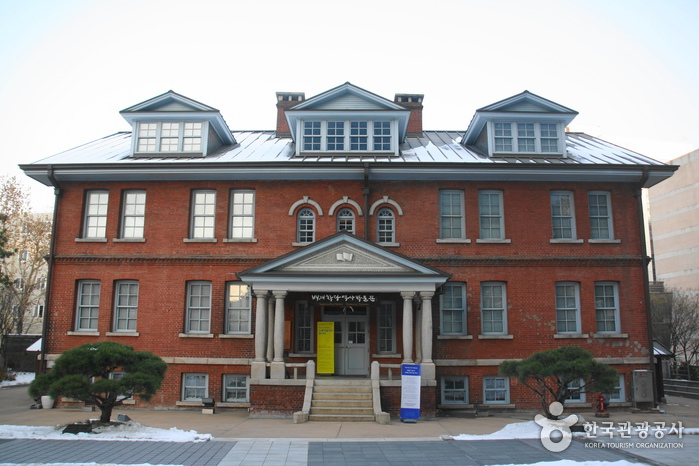
Appenzeller Noble Memorial Museum (배재학당 역사 박물관)
1.6Km 2022-10-14
19, Seosomun-ro 11-gil, Jung-gu, Seoul
+82-2-319-5578
The Appenzeller Noble Memorial Museum is dedicated to Henry Gerhart Appenzeller, the missionary who opened the first Western-style educational institution in Korea in 1885. The school started with English and core subjects, but expanded into the Pai Chai University, Pai Chai High School, and Pai Chai Middle School and has many famous alumni, including Rhee Syng-man. The memorial hall opened in 2008 in the east wing of the original school building, which was built in 1916 and designated as a Seoul Monument. With dynamically arranged permanent exhibitions, annual special exhibitions and special lectures, the museum offers a unique learning experience to visitors and people with an interest in the history of education in Korea.
Sangchonjae House (상촌재)
1.6Km 2025-11-06
12-11 , Jahamun-ro 17-gil, Jongno-gu, Seoul
Sangchonjae House, run by the Jongno Cultural Foundation, is a traditional hanok cultural space located in Sejong Village, Ogin-dong, Jongno-gu, and operates various cultural Korean programs such as exhibitions, educational experiences, and events to fully experience Korea's four seasons. The name Sangchonjae was conceived from the old name of Sejong Village, the western part of Gyeongbokgung Palace and the birthplace of King Sejong. The house reflects the lifestyle of an ordinary peasant during the Joseon dynasty. It consists of three buildings: the main building, the guesthouse known as sarangchae, and the annex. There is an experience center indoors offering tea ceremonies and traditional game experiences.
Dongbangmyeongju Chungmuro Main Store (동방명주 충무로점)
1.6Km 2024-02-28
186 Toegye-ro, Jung-gu, Seoul
Dongbangmyeongju is a Chinese cuisine restaurant located near Namsangol Hanok Village. The flagship dish is jjajangmyeon (black bean sauce noodles), and they offer a variety of other menu items such as tangsuyuk (deep-fried pork with sweet and sour sauce) and sacheontangmyeon (Chinese Sichuan noodle soup). The surrounding area boasts various attractions and culinary delights, including Myeongdong and Namsan Tower, providing a panoramic view of Seoul.
Korea Samgyetang (고려삼계탕)
1.6Km 2024-06-19
1 Seosomun-ro 11-gil, Jung-gu, Seoul
+82-2-752-9376
Located near City Hall Station, Korea Samgyetang specializes in samgyetang. Samgyetang is a traditional healthy dish made by simmering cleaned young chicken in a broth with ginseng, jujube, and glutinous rice. The light and tender texture of the stewed chicken and the ginseng-flavored glutinous rice porridge is excellent. Ogolgye tang (silkie chicken soup) and jeonbok samgye tang (abalone and ginseng chicken soup) are also favorites among patrons. This restaurant was selected for the Michelin Guide Seoul in 2023.
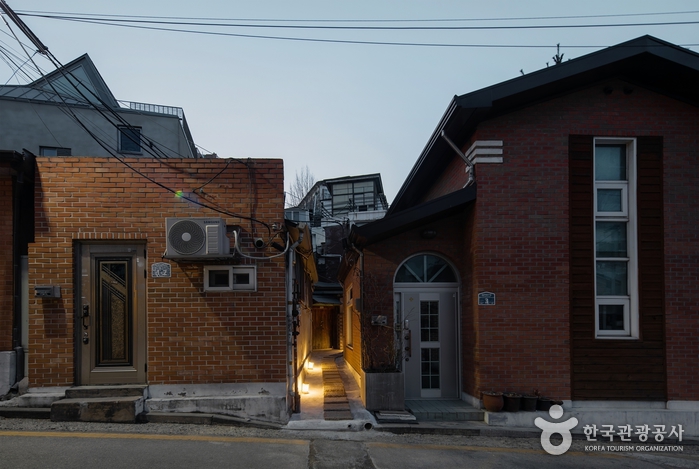
Nuwa (누와)
1.6Km 2024-12-23
3-1 , Pirundae-ro 5na-gil, Jongno-gu, Seoul
+82-504-0904-2313
Nuwa is a small, tastefully-renovated private hanok in the Seochon Village residential area to the west of Gyeongbokgung Palace in Seoul. It gets the light through a window wall in the living room, which contains a walnut table where guests can take tea, and a bathtub: weary travellers will feel better after taking a foot bath or half-body bath. High-quality tea and bath salts are provided. The sleeping space has an unusual round window, like a full moon, facing the bed, through which guests can see the top of Inwangsan Mountain as they fall asleep.
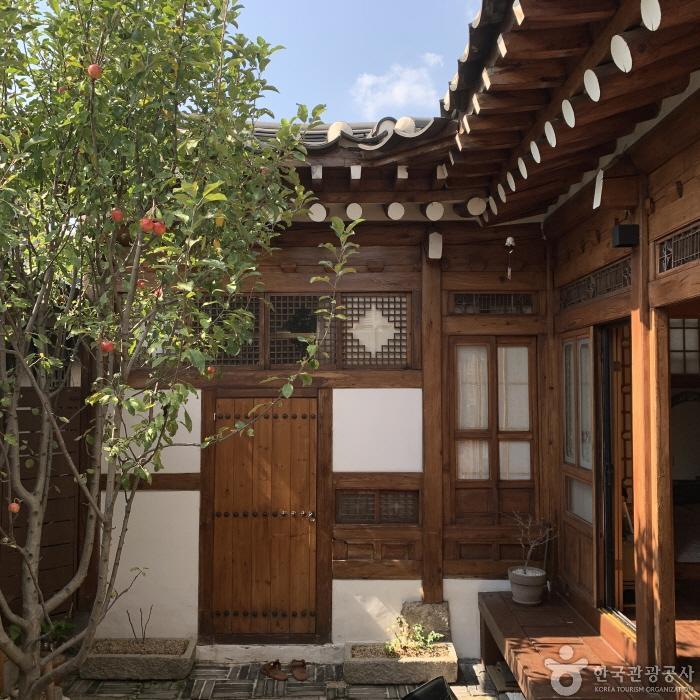
SOSO House (소소하우스)
1.6Km 2024-12-13
16-5 , Pirundae-ro 5ga-gil, Jongno-gu, Seoul
+82-10-5286-0704
Soso House is a private hanok stay located in Seochon, Jongno-gu, Seoul. Once you enter the gate, you are greeted by a small yard paved with stones and an alpine apple tree. There is a stool on one side of the yard where you can enjoy a cup of tea on a sunny day. In the daecheong maru (wooden-floored hall, there is a master bedroom on one side and a kitchen on the other, and the master bedroom has an attic. Cooking is allowed, and complimentary breakfast includes toast, salad, and coffee, as well as complimentary homemade fruit syrup and tea bags. Gyeongbokgung Palace, Seoul Museum of History, and Park No-Soo Art Museum are all within walking distance.
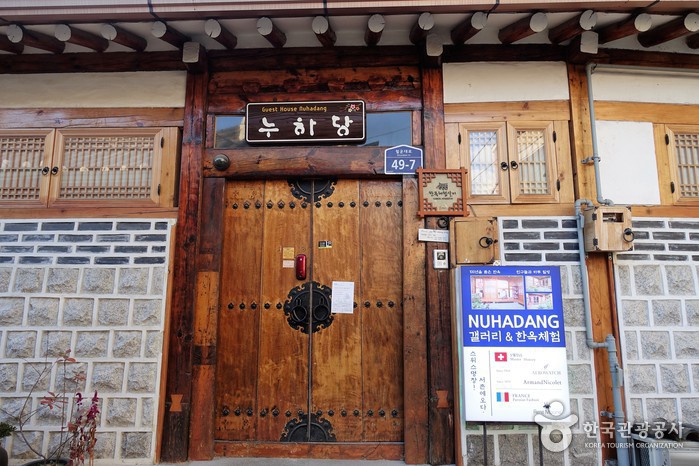
NUHADANG(누하당)
1.6Km 2024-06-20
49-7 , Pirundae-ro, Jongno-gu, Seoul
+82-2-3391-0010, +82-10-4347-5768
Nuhadang is a traditional hanok with over 100 years of history. It is located in a quiet spot in Seochon, Jongno-gu, Seoul, where many scholars and artists have lived since Joseon times. Rooms are wallpapered with eco-friendly Korean paper, and thick cotton blankets and cypress pillows will sooth travelers' fatigue. In the yard and small garden you can experience traditional Korean culture: janggu drumming, the game of yunnori, and Hanbok clothing. Walking the streets of Seochon - past Yun Dong-ju's hostel, Park No-su's art museum, and Lee Sang's house - you can still feel the atmosphere of old Seoul.
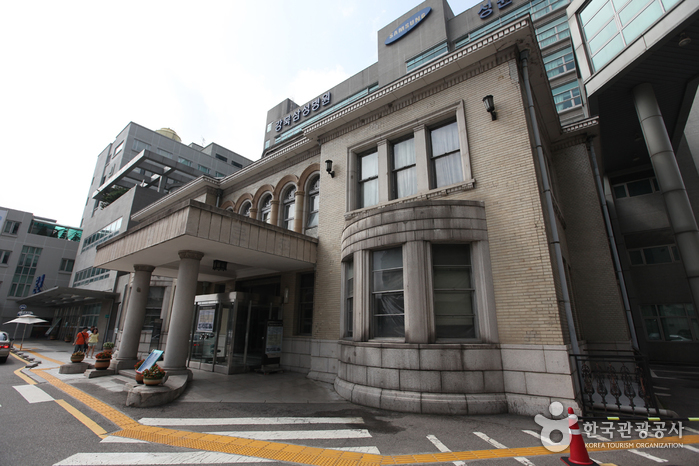
Seoul Gyeonggyojang House (서울 경교장)
1.7Km 2021-09-15
29, Saemunan-ro, Jongno-gu, Seoul
+82-2-735-2038
Gyeonggyojang House, a designated Historic Site, was the location of the provisional government and the place where Baekbeom Kim Koo passed away. Seoul reproduced the historical site, Gyeonggyojang House, to use the area as an educational site. Also, the house exhibits the history of the provisional government in order to see the history more clearly.
Restoration work included the demolition of the interior that was changed when the building was turned into a hospital facility and embassy after Kim Koo passed away in 1949. During the work, the remaining parts were maintained with the utmost care. Reconstructed parts were based on the building's floor plan written in Chosun and Architecture (8th edition in 1938). Visitors can see various contents related to the Korean Provisional Government history through relics, video, and information searching corners.
 English
 한국어
한국어 日本語
日本語 中文(简体)
 Deutsch
 Français
 Español
 Русский


