
Nodeul Island (노들섬)
6.7Km 2024-11-01
445 Yangnyeong-ro, Yongsan-gu, Seoul
Nodeul Island seems like an island floating in the middle of the Hangang River. The island was opened to the public in 2012 as a recreational area while preserving most of its original form. In 2019, the island was equipped with more facilities to serve as a cultural entertainment spot to the public.
BF Life Sciences Co., Ltd ((주) 비에프생명과학)
6.7Km 2025-10-23
(#1, 5th Floor), 10 Nonhyeon-ro 163-gil, Gangnam-gu, Seoul
BF Life Sciences is a leading company in the international medical cooperation business, specializing in hospital management support, advanced medical services, and research and development. We are at the forefront of next-generation biotechnology, including advanced genome decoding technology and stem cell research, driving innovation in the development of medical devices, pharmaceuticals, cosmetics, and health supplements. Additionally, BF Life Sciences is a global healthcare group providing customized theranostics through collaborations with both domestic and international medical institutions.
Leveraging our expertise in hospital management, we operates overseas branches and hospitals, leading the export of medical services and devices while also conducting various educational programs. BF Life Sciences is registered and licensed with agencies such as the Korea Trade-Investment Promotion Agency (KOTRA), the Ministry of Health and Welfare, and the Korea Food and Drug Administration, ensuring transparent business practices.
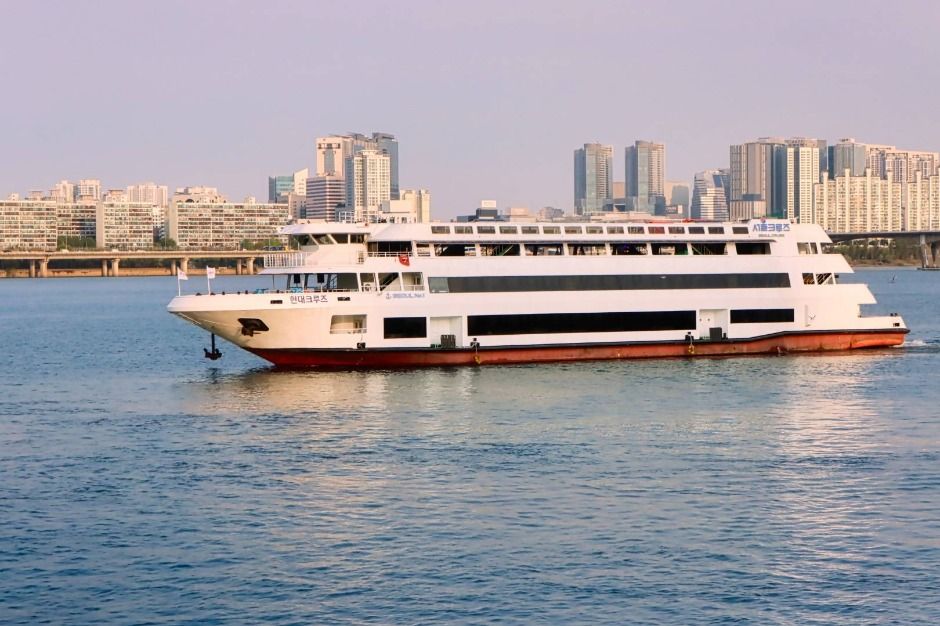
Seoul Cruise (서울크루즈)
6.7Km 2025-12-04
231 Yeouidohanganggongwon-gil, Yeongdeungpo-gu, Seoul
Hyundai Cruise Line, Korea's first marine tourism cruise operator, was founded in 1983 and renamed Seoul Cruise after building a new terminal in Yeouido. With Yeouido Ferry Terminal as its base, Seoul Cruise is the only passenger cruise operator that can travel from the Hangang River to the West Sea, passing through the Ara West Sea Lock. The company currently operates from two terminals: Yeouido Ferry Terminal and Ara Gimpo Terminal. In addition to offering tours that showcase the scenic beauty of the Hangang River, Seoul Cruise also provides other options, such as the Dinner Fireworks Cruise, which lets passengers enjoy a fireworks show along the Ara Waterway in Gimpo.
Glovi Plastic Surgery (글로비성형외과의원)
6.7Km 2025-10-23
(6th Floor, EGI Building), 843 Nonhyeon-ro, Gangnam-gu, Seoul
"Glovi Plastic Surgery strives to understand the hearts of our clients."
While standards of beauty have varied across eras and individuals, true beauty remains timeless. At Glovi Plastic Surgery, we are dedicated to discovering and delivering enduring beauty by continuously researching and refining our techniques to ensure the highest level of satisfaction for each patient.
With extensive experience and exceptional technical expertise, Glovi Plastic Surgery offers personalized cosmetic surgery programs tailored to individual characteristics. Our dedicated stem cell research lab, certified by the Ministry of Science, ICT and Future Planning as an R&D department, showcases our differentiated technological capabilities. Additionally, we provide customer satisfaction programs that prioritize patient safety and convenience.
Glovi Plastic Surgery's commitment to rewarding your choice with beauty and confidence continues every day.
Seoul Upcycling Plaza (서울새활용플라자)
6.7Km 2024-01-05
49 Jadongchasijang-gil, Seongdong-gu, Seoul
Saehwaryong is a Korean term for upcycling, a process of redesigning or recycling discarded resources or materials to give them a new value or purpose. Seoul Upcycling Plaza operates upcycling-related exhibitions, upcycling practice education and experience programs, design studios, upcycling stores, workshops, and more. It is a great place to look around for ideas and inspirations on how to use products for longer periods of time. The plaza demonstrates the first step to creating a resource-recycling society.
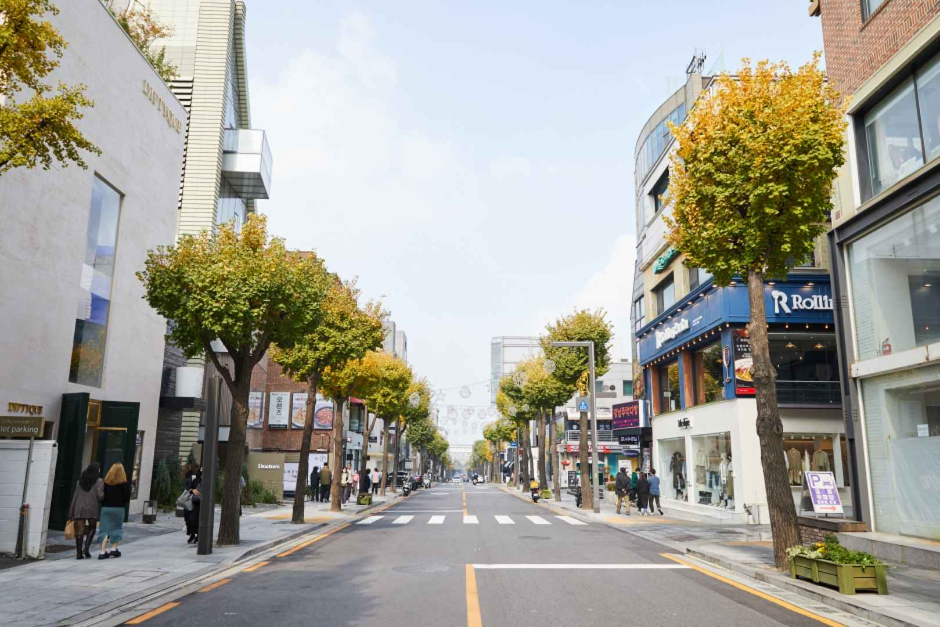
Sinsa-dong Garosu-gil Road (신사동 가로수길)
6.7Km 2024-12-02
Sinsa-dong, Gangnam-gu, Seoul
The ginkgo tree-lined street (Sinsa-dong Garosu-gil) that runs from Sinsa Station (Subway Line 3) to Hyeondae High School is a popular, upscale street in Seoul. The street (also known as ‘artists' street’) has an eccentric flair thanks to its variety of charmingly decorated coffee shops, and designer stores. Garosu-gil is particularly popular in autumn when the golden ginkgo leaves begin to fall. Furthermore, with continous popularity, it has become one of the most attractive film locations in the city.
Grand Plastic Surgery (그랜드성형외과의원)
6.7Km 2025-10-23
(#601, 6th Floor, JB Miso Building), 841 Nonhyeon-ro, Gangnam-gu, Seoul
With top-notch multidisciplinary medical staff
and a one-stop total healthcare system,
we lead the world in aesthetic medicine.
Grand Plastic Surgery opened its doors in 2004.
In its 19-year history, we established ourselves as Korea's leading aesthetic medicine group.
We are the hospital of choice for more than 30,000 international patients, attracting patients from more than 100 countries around the world with a top-tier specialized medical consultation system, a well-organized safety system, and distinguished services tailored to both domestic and international patients.
Grand Plastic Surgery promises satisfactory surgical results to our patients with our long-standing surgical experience and know-how, and aims to become a medical group capable of leading not only Korea but also Asia and the world.
Dream Plastic Surgery (드림성형외과)
6.7Km 2025-10-23
(2nd Floor, Seokyeong University Building), 848 Nonhyeon-ro, Gangnam-gu, Seoul
Since its opening in 1999, Dream Plastic Surgery has shared its treatment philosophy, future vision, and management mindset while giving high satisfaction to customers by providing advanced treatment services and developing a hospital culture. In addition, by building a hospital management network system, we make all efforts to lead the medical community in the 21st century by sharing treatment information, management knowledge, employee retraining, and service know-how. We have 8 plastic surgery specialists and 10 medical staff including resident anesthesiologists. With various technologies and know-how accumulated over 25 years, we have created beauty for many patients at home and abroad.
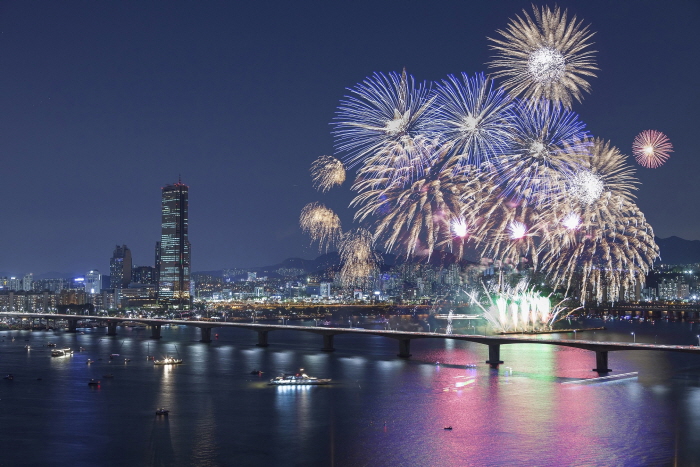
E-Land Cruise (Hangang River Ferry Cruise) (이랜드크루즈 (한강유람선))
6.7Km 2024-10-31
(Nodeulnaru Park), 290, Yeouidong-ro, Yeongdeungpo-gu, Seoul
The E-Land Cruise cuts across the Hangang River along the east-west axis. It connects two terminals, one in Yeouido and the other in Jamsil. The company offers a number of different programs, such as the Han River Tour Cruise, a daytime cruise that takes one along the views of Hangang River, and the Moonlight Music Cruise, which offers a beautiful view of Seoul at night with jazz music. One can also enjoy buffet lunch and dinners on the ship.
The 3.0 Clinic (더3.0피부과의원)
6.8Km 2025-10-23
(4th Floor, Cham Building, Sinsa-dong), 48 Apgujeong-ro 28-gil, Gangnam-gu, Seoul
The 3.0 Clinic has successfully developed a method to treat acne without using conventional acne dermatological treatments that have inevitably accompanying side effects, which require taking cumbersome medications with side effects, and require continuous management. We were invited to give a lecture at the American Academy of Dermatology and also gave lectures in China and Europe. We also developed a simple injection method to reduce sebum, which had no proper treatment. In addition, we developed a method to blur the shape of intractable scars and received an award at the Eastern Asia Dermatology Congress in Japan.
Our skin and body have incredible power. If you understand the reasons why our skin is like this, what changes, and results and take fundamental care of your skin, you can treat acne without taking medicine and atopic dermatitis without steroids.
Symptom relief for the 1.0 generation, fundamental cause and resolution for the 2.0 generation, and prevention for the 3.0 generation. We aim to help people improve the power of their skin!
 English
 한국어
한국어 日本語
日本語 中文(简体)
 Deutsch
 Français
 Español
 Русский


