
Seoul Museum of Art (서울시립미술관(서소문본관))
926.5M 2024-06-19
61 Deoksugung-gil, Jung-gu, Seoul
The Seoul Museum of Art (SeMA) is a space for all to meet and experience the joy of art. Located in the center of Jeong-dong, a district that retains traces of Seoul’s modern and contemporary history, the museum integrates the historical facade of the former Supreme Court with modern architecture. In addition to various programs―encompassing exhibitions, educational outreach initiatives, screenings, workshops, performances, and talks, communal spaces including SeMA Cafe, the artbook store, the open space lobby, and the outdoor sculpture park SeMA WALK provide a rich range of ways for visitors to experience art.
Tapgol Park (탑골공원)
930.9M 2024-03-04
99, Jong-ro, Jongno-gu, Seoul
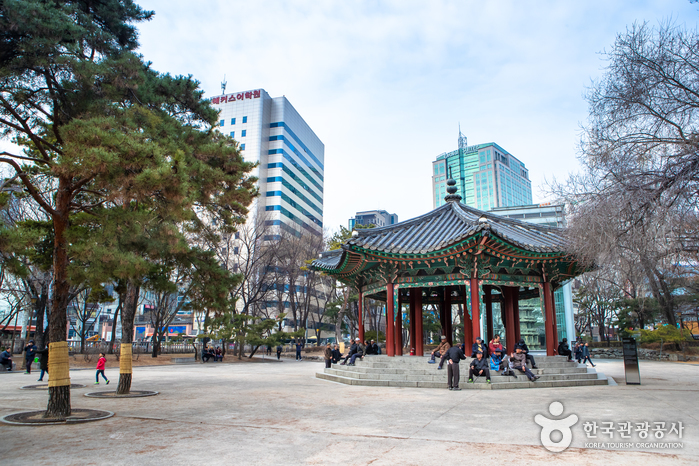
Tapgol Park is the first modern park in Seoul. Having been the site of the Buddhist temple of Wongaksa Temple since 1467, the land was turned into a park in 1897. The park has a significant presence in Korean history, being the place where the March 1 Independence Movement began in 1919. One can find historical sites that hearken back to the struggle, such as the Palgakjeong Pavilion, the center of the movement; cultural heritage sites such as the Ten-story Stone Pagoda of Wongaksa Temple Site and the Stele for the Construction of Daewongaksa Temple at Wongaksa Temple Site; and monuments such as the independence movement relief plate, murals, the statue of Son Byeong-hee, and the statue of Han Yong-un.
Jeonjujip (전주집)
956.9M 2024-10-15
16-15 Supyo-ro, 20-gil, Jongno-gu, Seoul
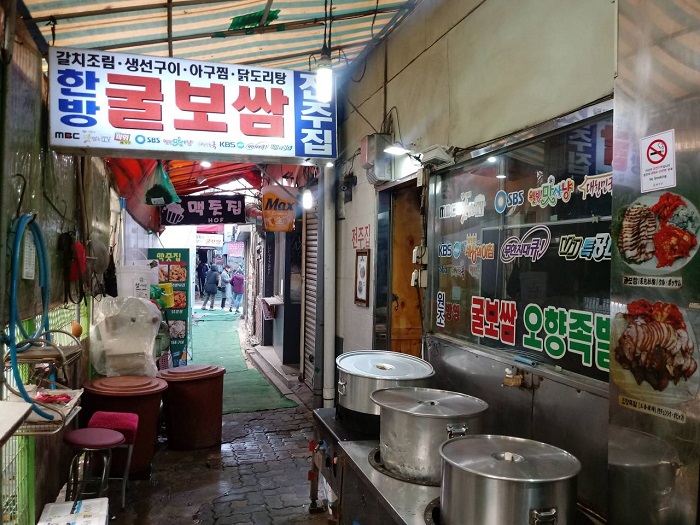
A store featured several times in Korean gourmet programs. This Korean dishes restaurant is located in Jongno-gu, Seoul. The most famous menu is kimchi cabbage wraps with pork and oysters.
Le Miel Plastic Surgery (르미엘성형외과의원)
964.8M 2025-10-23
3rd Floor, 120 Jongno, Jongno-gu, Seoul
Valuable Beauty, Lemiel Plastic Surgery
A premium clinic where delicate technique and artistic sensibility come together. We provide not just external changes, but customized treatments that enhance each individual’s natural charm. Specialized in fast-recovery eyebag surgery using Encore Laser, customized eye surgery for facial balance, tailored lifting based on body type, and petite procedures that refine facial curves and volume.
Modern Shabu House Gwanghwamun D Tower Branch (모던샤브하우스 광화문D타워점)
965.3M 2025-12-02
17 Jong-ro 3-gil, Jongno-gu, Seoul
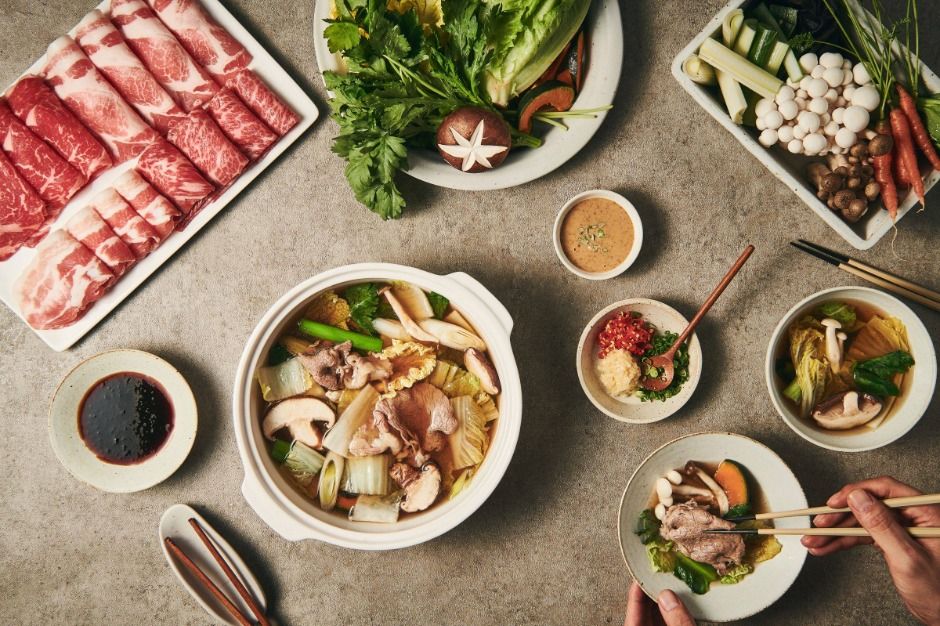
Located in Jongno-gu, Modern Shabu House Gwanghwamun D Tower Branch offers a selection of specialty broths to enjoy unlimited beef, pork, and vegetables. The restaurant serves four cuts of pork and beef in every course. The interior is designed with natural materials like earth, stone, and wood, inspired by the fluid process of cooking ingredients like meat and vegetables in a pot. The design reflects the natural movement and flow of ingredients as they cook together. The restaurant also has a range of private rooms, making it a popular choice for families with children and for gatherings, providing a comfortable dining experience.
![Alive Museum (Insa-dong Branch) [박물관은 살아있다(인사동점)]](http://tong.visitkorea.or.kr/cms/resource/27/3109227_image2_1.JPG)
Alive Museum (Insa-dong Branch) [박물관은 살아있다(인사동점)]
983.4M 2024-03-15
(B1 and B2, Daeil Building), 12, Insadong-gil, Jongno-gu, Seoul
The Alive Museum is a media theme park located in Insa-dong. The exhibition here is made up of optical illusion art, large objet, and digital media pieces, which allow you to delve into the land of mystery. It is made up of different sections like the Insadong Photo Studio, Game Village, and the Toy Village.
Dynamic Maze (Insa-dong) (다이나믹 메이즈 (서울 인사동점))
983.4M 2024-03-15
12, Insadong-gil, Jongno-gu, Seoul
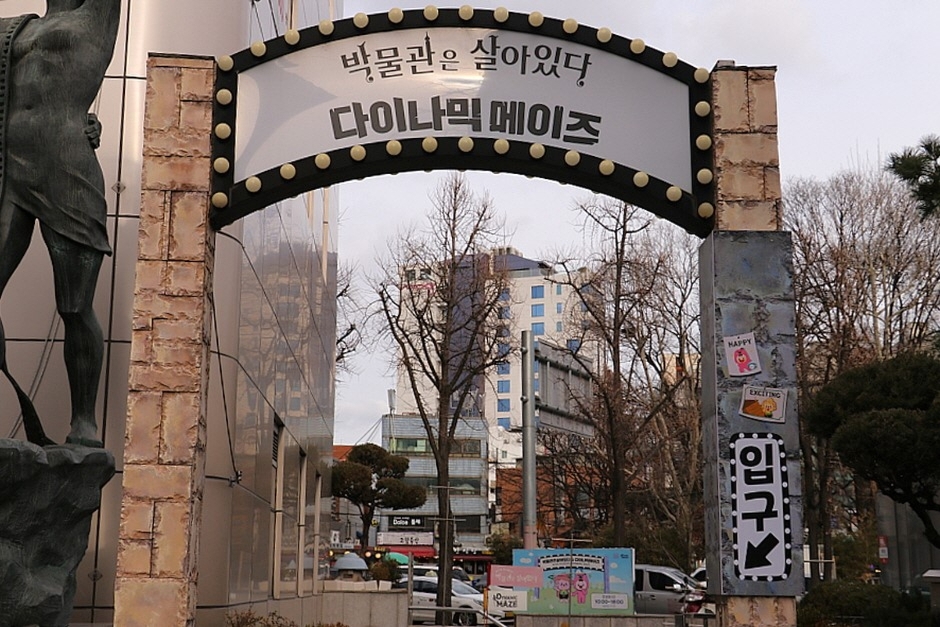
Dynamic Maze is an indoor space in Insa-dong dedicated to an exciting adventure: A maze filled with obstacles, requiring participants to work together and overcome the barriers through quickness and focus. Go through the hall of mirrors, climb the wall, and cross the suspension bridge to finally escape from the maze.
Kyobo Book Centre Gwanghwamun (교보문고)
1.0Km 2024-12-04
1 Jong-ro, Jongno-gu, Seoul
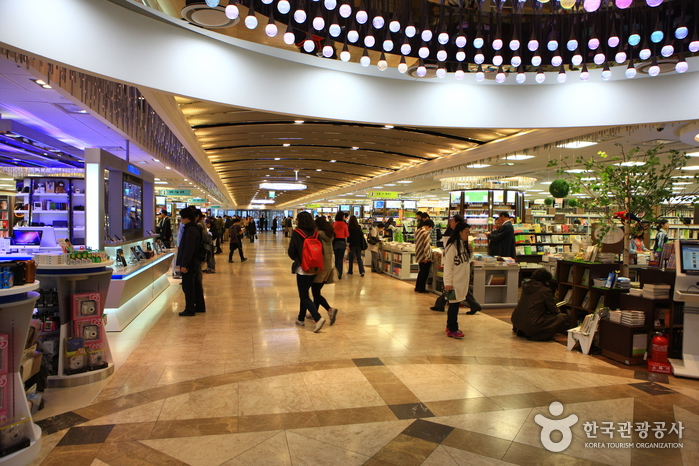
Kyobo Book Centre is the first large-scale bookstore in Korea, and this particular store can be found next to Gwanghwamun Square. Kyobo Book Centre Gwanghwamun divides its internal area into 11 sections and organizes them in a way that allows readers to find books easily. The store also has specialized shops for stationery, digital devices, and accessories, as well as exhibition spaces and cafés.
Namsangol Hanok Village (남산골한옥마을)
1.0Km 2025-07-14
28 Toegye-ro 34-gil, Jung-gu, Seoul
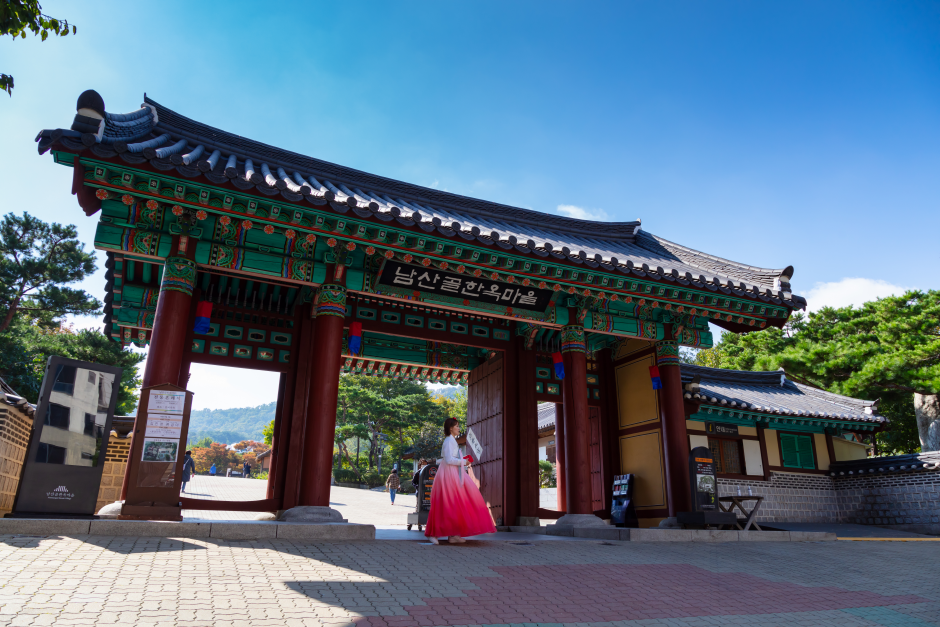
Namsangol Hanok Village opened in 1998 on the northern side of Namsan Mountain in the center of the capital. This village has five restored hanok (traditional Korean house) premises, a pavilion, a traditional garden, a performance art stage, and a time capsule plaza, making it a perfect spot for locals and tourists to take a leisure walk. Upon entering from the front gate, visitors will get a taste of Korea's traditional life while escaping from bustling city life. The traditional garden with its pavilion and old houses creates a peaceful ambiance before the forested Namsan Mountain. A time capsule commemorating Seoul’s 600th anniversary was buried in 1994 at the highest point of the village and is scheduled to be reopened 400 years later in 2394.
The five hanok premises at Namsangol Hanok Village once belonged to aristocrats and government officials of the Joseon dynasty. Each house was originally located in a different neighborhood, but they were all moved to this area and restored to their original form. The houses were rebuilt using their original materials, except for one house, where the materials were too old and deteriorated to be reused. The premises were carefully restored and replicated according to their original form to depict the owners’ social class and personality. These buildings are now used as an exhibit to portray the living environment during the Joseon dynasty and as a venue for educational and cultural programs for children and tourists.
Some of the unique programs and activities to participate in include wearing hanbok, folding hanji (traditional Korean paper), writing in Korean, traditional tea ceremony, traditional etiquette school, and herbal medicine experience. There are also taekwondo demonstrations and other various performances held around the village. Visitors can also try traditional games such as yunnori (traditional board game), or understand more about the area through a guided tour.
Stenlee (스텐리)
1.0Km 2025-10-23
15th Floor, 1 Jongno (Kyobo Life Building), Jongno-gu, Seoul
Stenlee is a specialized agency that provides comprehensive support to medical patients, corporate groups and business delegations visiting Korea. We design and manage tailored MICE and medical programs (checkups, medical treatment, fam tours, medical trainings, seminars, incentive trips, etc) handling everything from booking to transportation, translation and interpretation. Our strength lies in optimizing schedules, cost and cultural immersion to ensure efficient results and comfortable stay for our clients.
 English
 한국어
한국어 日本語
日本語 中文(简体)
 Deutsch
 Français
 Español
 Русский


