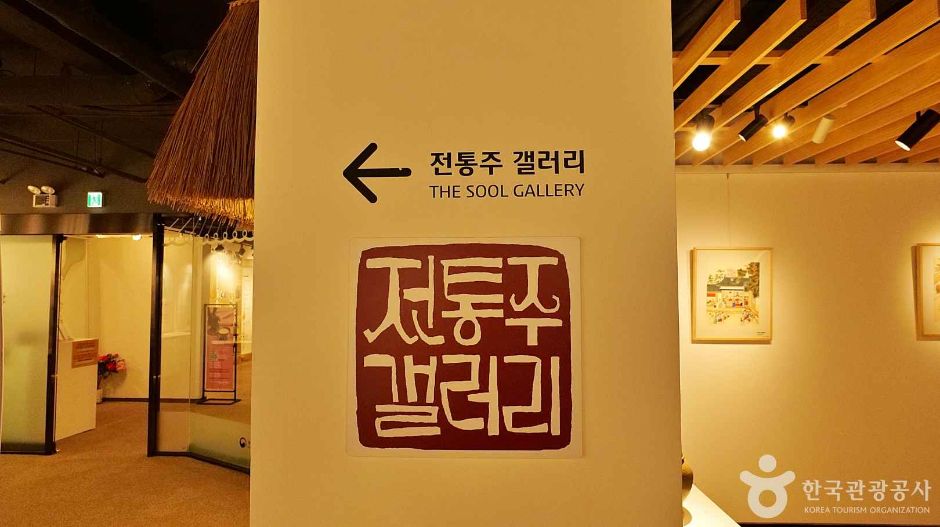
The Sool Gallery (전통주갤러리)
1.7Km 2025-06-19
18 Bukchon-ro, Jongno-gu, Seoul
The Sool Gallery is an exhibition and experience space for traditional Korean liquor, established to promote the taste, style, and cultural values of the time-honored traditional Korean liquor. It provides various information about traditional Korean liquor for consumers or international tourists who can rarely obtain such information elsewhere. In addition, it provides traditional liquor education and business counseling to food service businesses and sales experts to continuously create demand for traditional liquor and expand the market. It is run by experts specializing in traditional liquor, including traditional liquor sommeliers, and it holds events to introduce various traditional liquors with different themes every month, as well as tasting events. Moreover, according to the monthly changing “Recommended Traditional Liquor by Month,” it displays a drinking glass and a bottle of the month recommended by the Korea Craft & Design Foundation.

HANSIK Space E:eum (한식문화공간 이음)
1.7Km 2025-11-11
18 Bukchon-ro, Jongno-gu, Seoul
HANSIK Space E:eum, located in Jongno, is a cultural space operated by the Korean Food Promotion Institute. It offers visitors an opportunity to delve into Korean cuisine through exhibitions, performances, educational programs, and a library.
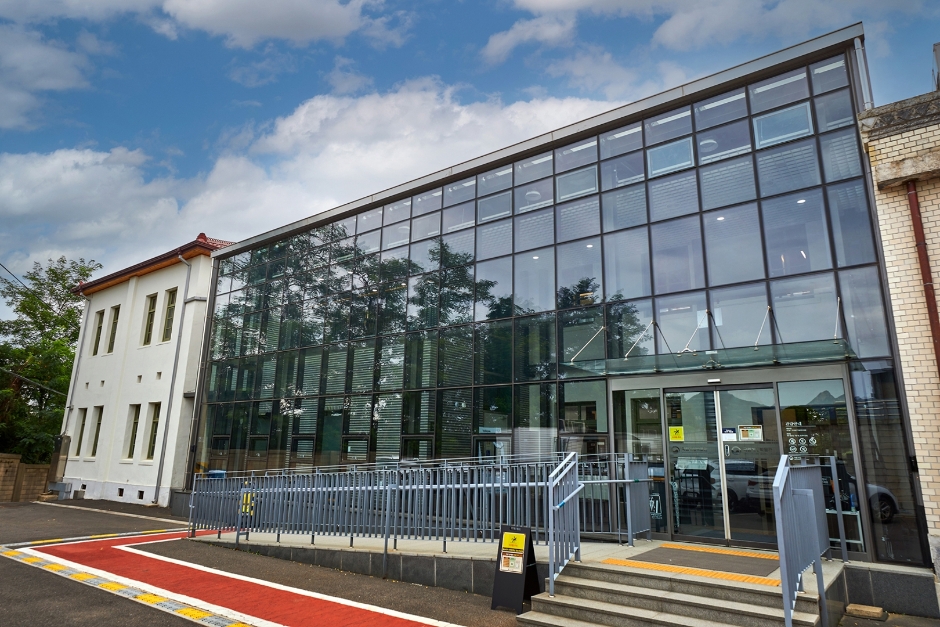
National Meteorological Museum of Korea (국립기상박물관)
1.7Km 2024-03-26
52 Songwol-gil, Jongno-gu, Seoul
A museum where one can look at Korea's meteorological observation history and technological development through exhibitions. The museum has the world's first rain gauge, invented in 1441, in the early Joseon dynasty. The museum operates approximately 350 meteorological observatories across Korea and focuses on promoting the uniqueness and excellence of Korea's meteorological science. There are permanent collections and special exhibitions. The permanent collections focus on the history of meteorological science in Korea. At the same time, the special exhibitions take a closer look at the history and information about meteorological science and natural disasters (e.g., earthquakes) that occurred in various regions of Korea. There are experience programs related to meteorological science, such as making a rain gauge or learning about rain gauges.
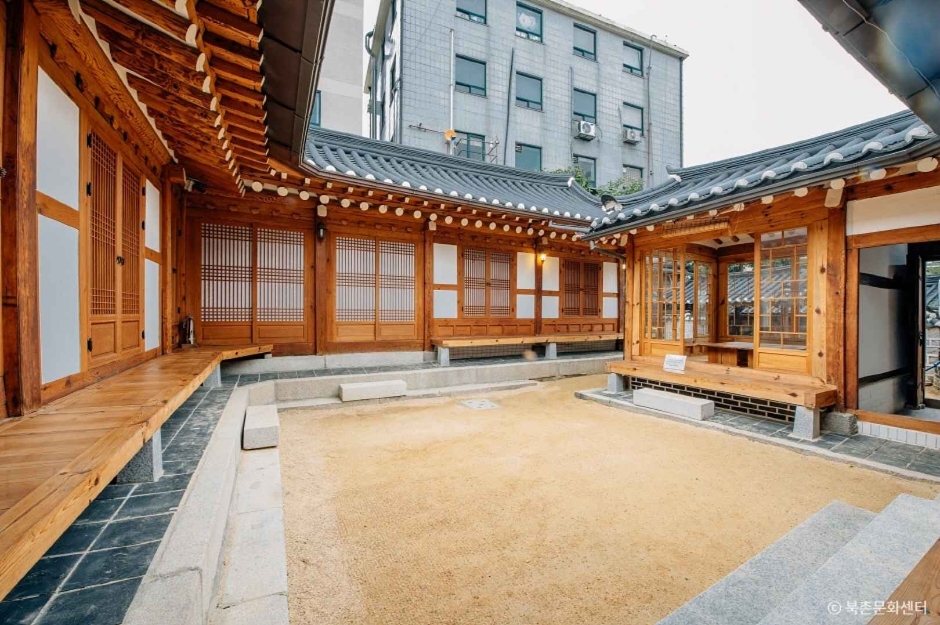
Bukchon Cultural Center (북촌문화센터)
1.8Km 2025-06-19
37 Gyedong-gil, Jongno-gu, Seoul
Bukchon Cultural Center, located in a hanok, was established to offer traditional cultural experience opportunities for visitors to the area. The programs include tea ceremony, handicraft, and gugak as well as a Public Relations Exhibition Hall introducing Bukchon culture and hanok. Also, the center houses a space and a pavilion for visitors to relax while traveling.
Eight Scenic Views of Bukchon (북촌 8경)
1.8Km 2024-03-18
37, Gyedong-gil, Jongno-gu, Seoul
The Eight Scenic Views of Bukchon can be found at the Bukchon Hanok Village between Gyeongbokgung Palace and Changdeokgung Palace. Bukchon was historically a district where the aristocracy of Joseon had resided in, so it is still home to a large number of traditional dwellings, called hanok in Korean. The eight views are as follows: No. 1, view of Chengdeokgung Palace; No. 2, view of Wonseo-dong Handicraft Road; No. 3, view of the Gahoe-dong area; No. 4, view from the hill at Gahoe-dong (Bukchon Observatory); No. 5, the view of the road uphill at Gahoe-dong; No. 6, the view of the road downhill at Gahoe-dong; No. 7, the view at house number (beonji) 31, Gahoe-dong; No. 8, the view of the stone stairway at Samcheong-dong.
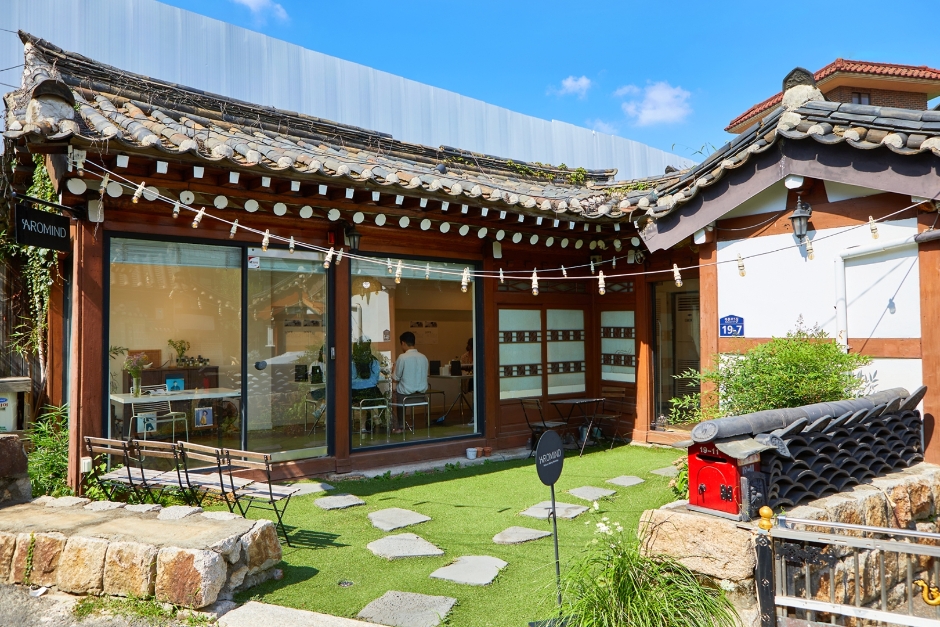
Aromind (아로마인드)
1.8Km 2024-01-30
19-7 Bukchon-ro 5-gil, Jongno-gu, Seoul
Aromind is a perfume workshop that offers a perfume-making experience with a professional perfumer in a quiet hanok building. Visitors can create their own one-of-a-kind perfume by choosing three out of 30 different scent options that change on a seasonal basis. A perfume one-day class is held for one to eight people for one to one and a half hours. The fee for the experience includes a 50 ml product and a 10 ml sample. They also offer the class in Korean with English interpretation when there non-Korean speaking participants. Aromind is the perfect place to create your own scent to associate your memory of Korea.
Bukchon Son Mandu Bukchon Branch (북촌손만두 북촌점)
1.8Km 2024-12-10
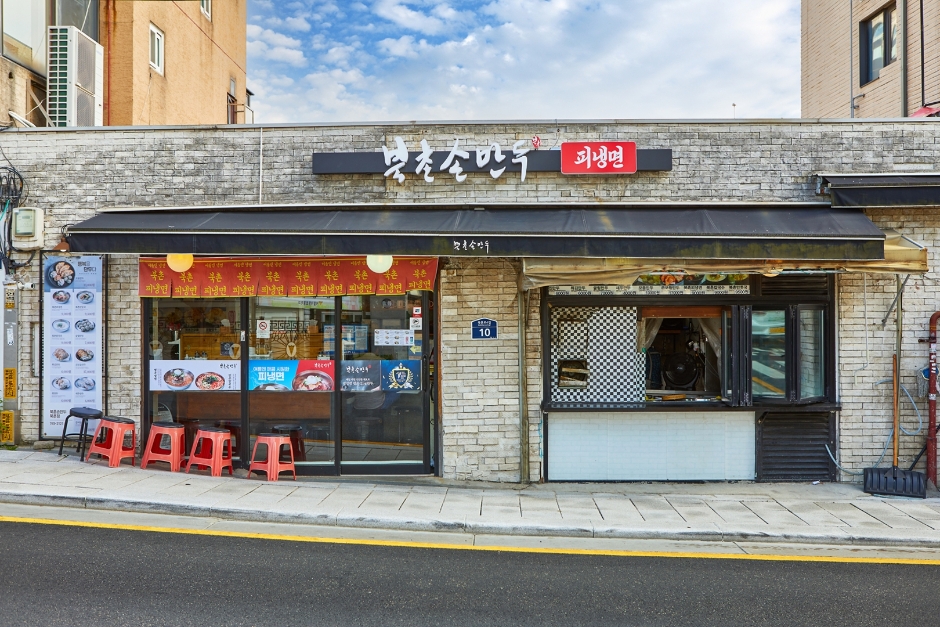
This third-generation family-owned handmade mandu restaurant has been in business since 1953. Its handmade mandu bears the tradition of nearly 70 years. This restaurant distinguishes itself above others with its unique expertise in the art of mandu-making and fresh ingredients, capturing deep flavors with care in each mandu. A full spread of mandu is available here, from steamed mandu to thin-skin mandu, deep-fried mandu, shrimp mandu, and galbi mandu, which can be ordered in individual pieces or as an assorted package. Mandu and noodles go perfectly together, and here, visitors can enjoy mandu with cold buckwheat noodles or noodle soup. The most recommended menu is the noodle soup, which serves thick, plump noodles in warm broth. But that does not mean that the cold buckwheat noodles are lacking: cold buckwheat noodles are served in a cool, red kimchi broth.
Bukchon Hanok Village (북촌한옥마을)
1.8Km 2025-06-19
37 Gyedong-gil, Jongno-gu, Seoul
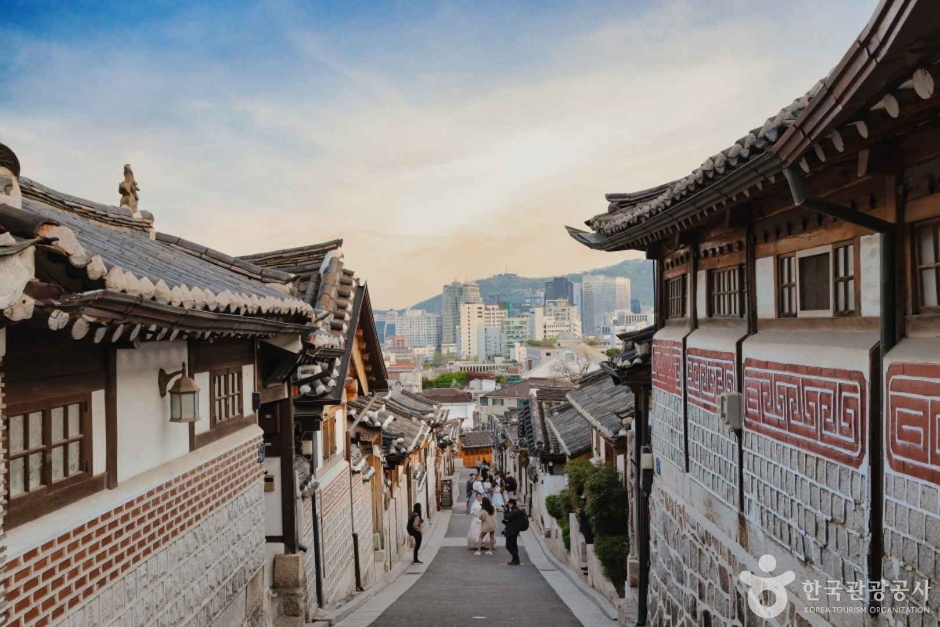
Surrounded by Gyeongbokgung Palace, Changdeokgung Palace and Jongmyo Shrine, Bukchon Hanok Village is home to hundreds of traditional houses, called hanok, that date back to the Joseon dynasty. The name Bukchon, which literally translates to "northern village," came about as the neighborhood lies north of two significant Seoul landmarks, Cheonggyecheon Stream and Jongno. Today, many of these hanoks operate as cultural centers, guesthouses, restaurants and tea houses, providing visitors with an opportunity to experience, learn and immerse themselves in traditional Korean culture. As Bukchon Hanok Village is an actual neighborhood with people's homes, visitors are advised to be respectful at all times while looking around.
Doosan Art Center (두산아트센터)
1.8Km 2021-11-01
15, Jong-ro 33-gil, Jongno-gu, Seoul
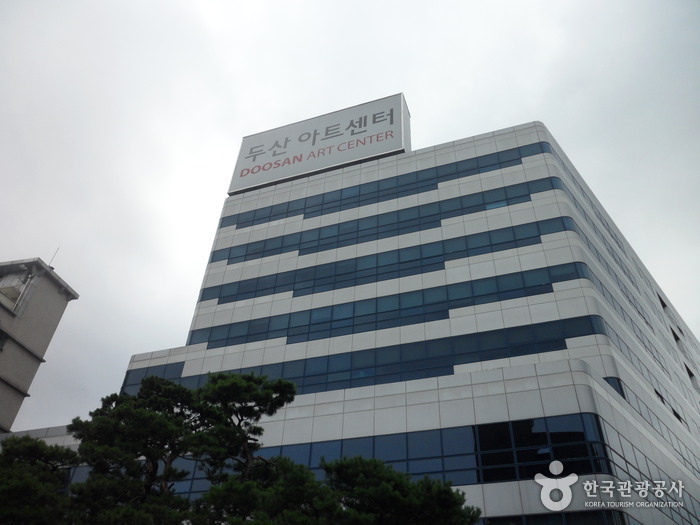
Doosan Art Center, which opened on October 1, 2007, is structured around three different spaces: The Yonkang Hall, exclusively designed for musical performances, Space 111, a “space for art incubation,” and the Doosan Gallery, built for installations.
The Yongang Hall, a theater with 620-person seating capacity, has specially designed lightings and a world-class audio-visual system to provide a second-to-none sensory experience.
Space 111 can accommodate a broad range of performing arts, from theater and dance to film and music concerts. The Doosan Gallery is open to the public, and art exhibitions and performances here can be enjoyed free of charge.
All three theaters include spacious lobbies with handicapped access, designated seating for parents with infants, and meeting areas. Rest rooms are also available nearby, in order to avoid long queues and long walks during intermission.
Artee Riders Club (아띠인력거)
1.8Km 2022-09-15
43, Bukchon-ro 5-gil, Jongno-gu, Seoul
Artee Riders Club is the first company that offers rickshaw tours in the nation. Not only do you get to ride on the rickshaw to tour around popular attractions including Bukchon Village, Seochon Village, the rickshaw tour guides you to the smaller alleys as well. Travelers to Bukchon Village may have their belongings or luggage stored at the center, and individual's insurance as well as a complimentary drink are offered.
 English
 한국어
한국어 日本語
日本語 中文(简体)
 Deutsch
 Français
 Español
 Русский


