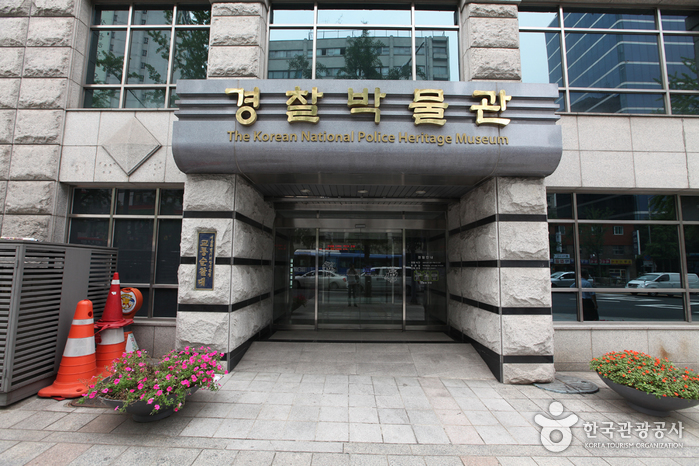
Korean National Police Heritage Museum (경찰박물관)
1.3Km 2021-12-21
41, Saemunan-ro, Jongno-gu, Seoul
+82-2-3150-3681
The police museum opened on October 14, 2005 to give a better understanding of the job of the police and to offer a formal education to children who wish to become police officers in the future. The history hall of the museum is designed for visitors to learn about the history of Korean police at a glance, exhibiting information on the police force from the Joseon dynasty up until current times.
Visitors to the museum can pretend to be police officers by touching actual equipment and learning about an officer's daily tasks. Visitors can also get in patrol cars, wear a police uniform, experience shooting a gun through a simulation, and learn self-defense martial arts and arrest techniques. Visitors can also go to the museum jail.

Shinsegae Department Store - Main Store (신세계백화점 (본점))
1.3Km 2025-04-07
63 Sogong-ro, Jung-gu, Seoul
+82-1588-1234
Shinsegae Department Store opened its doors as the first modern department store in the country in 1960. It stands where Korea's first department store, the Japanese Misreukkosi Department Store, used to be in the 1930s. After undergoing remodeling in 2007, it reopened as a luxury hall, featuring diverse brands ranging from the top three international luxury brands to new designer brands. In addition, the Trinity Gardens and art halls in the department store serve as a cultural space for a shopping experience that combines art and shopping.
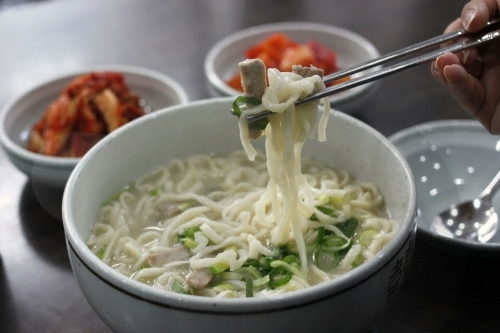
Jeongdong Guksi (정동국시)
1.4Km 2024-06-19
5 Jeongdong-gil, Jung-gu, Seoul
02-732-0114
Jeongdong Guksi features a rich soup with a clean taste, created by carefully removing the oil dozens of times while boiling Korean beef bones for 15 hours. The restaurant uses this same beef bone broth in their mandutguk (dumpling soup), something not many restaurants do. The rich flavor of the broth combined with the soft dumplings, made in-house daily, is a must-try. The restaurant is also surrounded by many cultural and artistic spaces, making it a great addition to tours in the area.
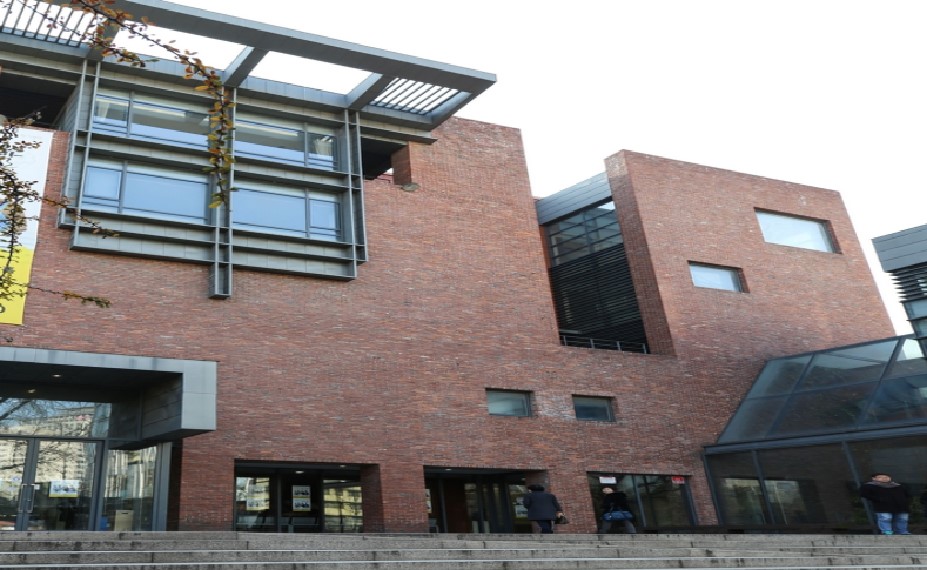
Ewha Centennial Hall (이화여고100주년기념관)
1.4Km 2024-02-20
26 Jeongdong-gil, Jung-gu, Seoul
Ewha Centennial Hall is a multimedia education center located next to Ewha Girls' High School. Spanning underground and five above-ground floors, it features a gallery, a cafe, music rooms, individual practice rooms, and audio-visual rooms. The Hwaham Hall on the first and second floors is utilized for performances such as musicals and concerts, as well as educational events.
Samcheong-dong Street (삼청동길)
1.4Km 2025-01-22
107 Samcheong-ro, Jongno-gu, Seoul
It is said that Samcheong-dong was named from the story about the three "cheong" (Chinese character meaning clean) of the area, namely the mountain, water, and people. Another theory is that the origin of the region's name came from Samcheongjeon Hall where three tablets called "Taecheong," "Sangcheong," and "Okcheong," were set up based on Taoism. Samcheong-dong Street features a mixture of old scenes of hanok buildings with traditional beauty and modern scenes of galleries and cafés, creating a unique atmosphere. Visitors can feel the abundant cultural mood at every corner of the street through the art galleries, museums, antique shops, and quiet pathways.
Gyeonghuigung Palace (경희궁)
1.4Km 2024-07-09
45 Saemunan-ro, Jongno-gu, Seoul
+82-2-724-0274
Gyeonghuigung Palace, a designated Historic Site, was originally called the large palace by Saemun Gate, or the Western Palace, for its location within the city. It was not until the eighth year of Gwanghaegun (1616) that the palace was used as a royal residence for the king, changing the name to Gyeongdeokgung Palace. The name later changed again to the current Gyeonghuigung Palace in 1760. The palace grounds included many halls but they were mostly all burned down in a fire in 1829. After the Japanese occupation began, all remaining buildings on the site were torn down and the palace grounds were turned into Gyeongseong Middle School (now Seoul High School). The school moved to Gangnam area in 1987, afterwhich the previous location was turned into a park. The palace grounds currently hold Seoul Museum of Art and walking paths, as well as a restoration of Heunghwamun Gate, the main gate of the palace, and Sungjeongjeon Hall, the main hall, completed in November 1994.
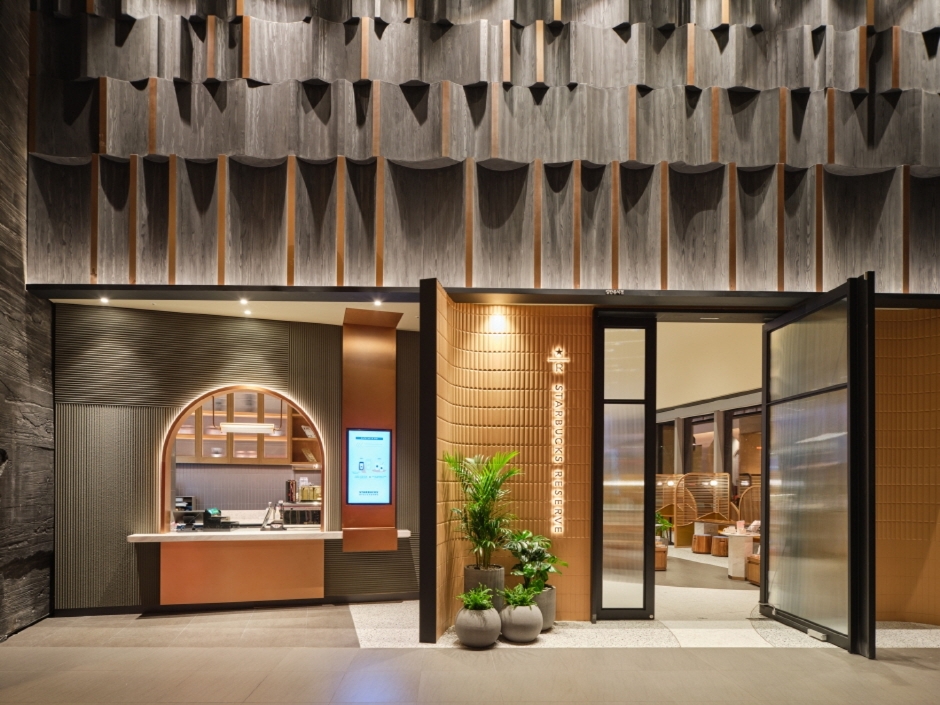
Starbucks Byuldabang (스타벅스 별다방)
1.4Km 2024-12-27
100 Toegye-ro, Jung-gu, Seoul
Byuldabang is a cozy space in the city, where the present and future of Starbucks coexist
Byuldabang is a special name. It combines the Korean words byul, which means stars, and dabang, which means a traditional space where people gather and talk over tea or drink. Byuldabang is the nickname Koreans generally use for Starbucks. Starbucks Byuldabang store opened in appreciation of customers of Starbucks Korea, celebrating its 22nd anniversary. This particular store is a Starbucks Reserve store with new concept food items, and is the first among Starbucks stores worldwide to have digital art wall decorations. The images projected to the art wall are “The Journey of Siren.” It is a surreal journey of Siren, who delivers coffee messages around the ocean, day and night. Customers love the story.
Jeongdong-gil Road (정동길)
1.4Km 2024-06-19
2-1 Jeongdong-gil, Jung-gu, Seoul
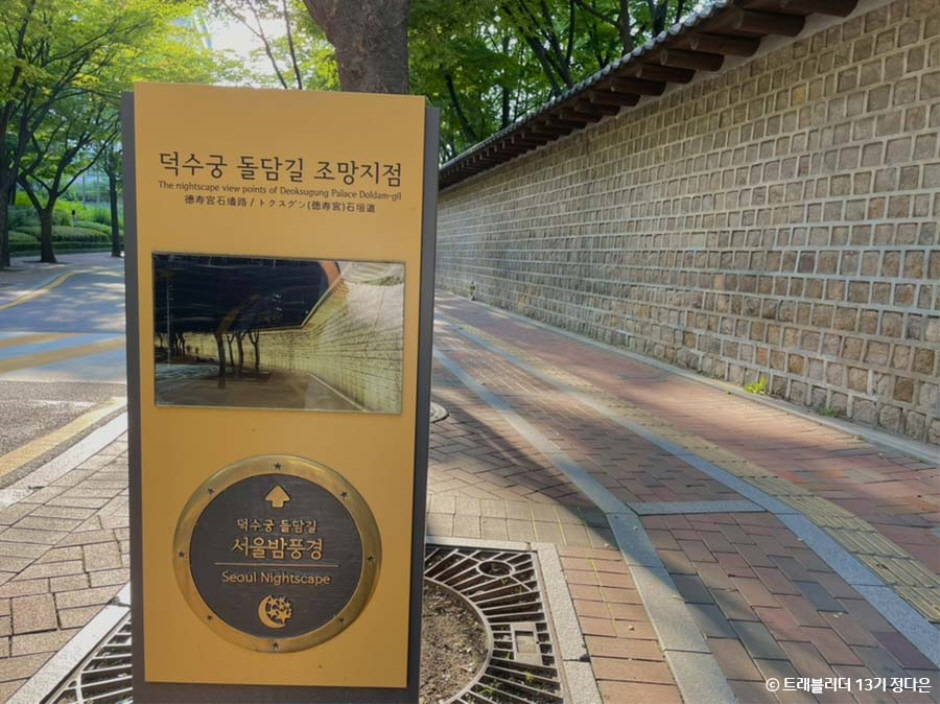
Jeongdong-gil Road is one of Seoul's most famous walking paths, stretching from the intersection in front of Jeongdong Church to Saemunan-gil Road. The street holds importance in Korea's modern history, with the surroundings serving as a living museum of this. During the Joseon dynasty, the area developed into a residental space for distant members of the royal family, with a palace and royal tombs in the area. In 1999, the pedestrian walking area was expanded by turning the two-way road into a one-way road. Since then, the road has earned many awards and honors.
Myeongdong Guesthouse Como (명동게스트하우스 꼬모)
1.4Km 2024-12-23
12 , Toegye-ro 24-gil, Jung-gu, Seoul
+82-2-755-5437
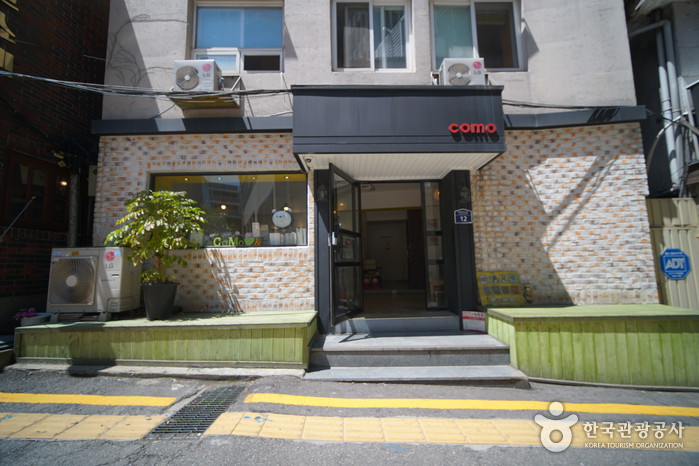
Como is a guesthouse in Jongno-gu, Seoul, just 3-minute’s walk away from Myeongdong Station on Line 4. Como is particularly popular with foreign travelers: staff are fluent in English and Chinese, and luggage storage is free of charge. Rooms come in different sizes to cater from single travelers to family groups, and all have a separate bathroom and toilet. Must-see local sights such as Namsan Seoul Tower, Sungnyemun Gate, and Namdaemun Market are easily reached by car or bus.
Jinju Hoegwan (진주회관)
1.4Km 2024-06-19
26 Sejong-daero 11-gil, Jung-gu, Seoul
+82-2-753-5388
Jinju Hoegwan is a renowned kongguksu (noodles in cold soybean soup) eatery near City Hall Station. Kongguksu is a traditional Korean summer dish made by boiling and grinding soybeans into a creamy broth, served with noodles, offering a refreshing and nutty flavor. Kongguksu is available from March to November. Their staff-recommended menu includes kimchi bokkeumbap (kimchi fried rice), freshly roasted by the staff, along with kimchi jjigae and samgyeopsal (pork belly).
 English
 한국어
한국어 日本語
日本語 中文(简体)
 Deutsch
 Français
 Español
 Русский


