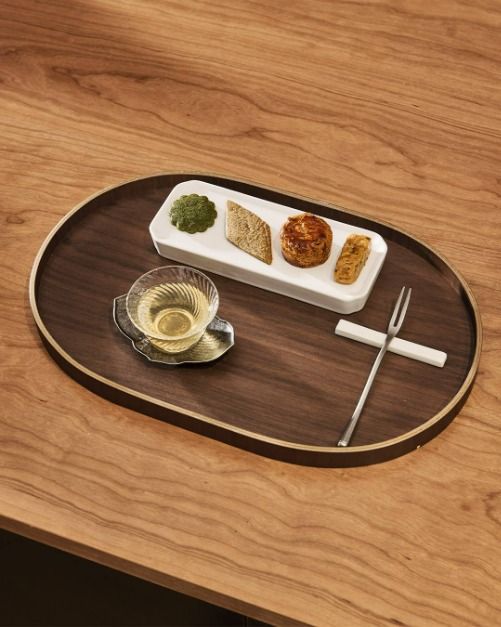
Pyunkang Yul Flagship & Tea house (편강 율 플래그십&티하우스)
11.5Km 2025-12-10
35-4 Bukchon-ro 5ga-gil, Jongno-gu, Seoul
Pyunkang Yul Flagship & Tea house is a cafe in Bukchon Hanok Village near Gyeongbokgung Palace. The first floor is a teahouse where one can enjoy Korean tea infused with traditional ingredients and delightful desserts with a view of the cafe's serene garden, and the second floor is a flagship store of Pyeongang Yul, a K-beauty brand known for integrating hanbang (traditional Korean medicine) in their skincare products. The third floor features a rooftop that offers a sweeping view of the Bukchon Hanok Village and Gyeongbokgung Palace.

Seoul National University Hospital (서울대학교병원)
11.5Km 2025-10-23
101 Daehak-ro, Jongno-gu, Seoul
Seoul National University Hospital, a national central hospital that has led Korean medicine for over 130 years, is a top-tier hospital equipped with world-class medical professionals and cutting-edge systems. For 25 consecutive years, it has ranked first in brand power in the hospital sector. The hospital is renowned for its cancer research, the most comprehensive pediatric care in the country, and treatments for rare and intractable diseases. Through patient-centered, personalized services, it has established itself as a trusted healthcare institution.
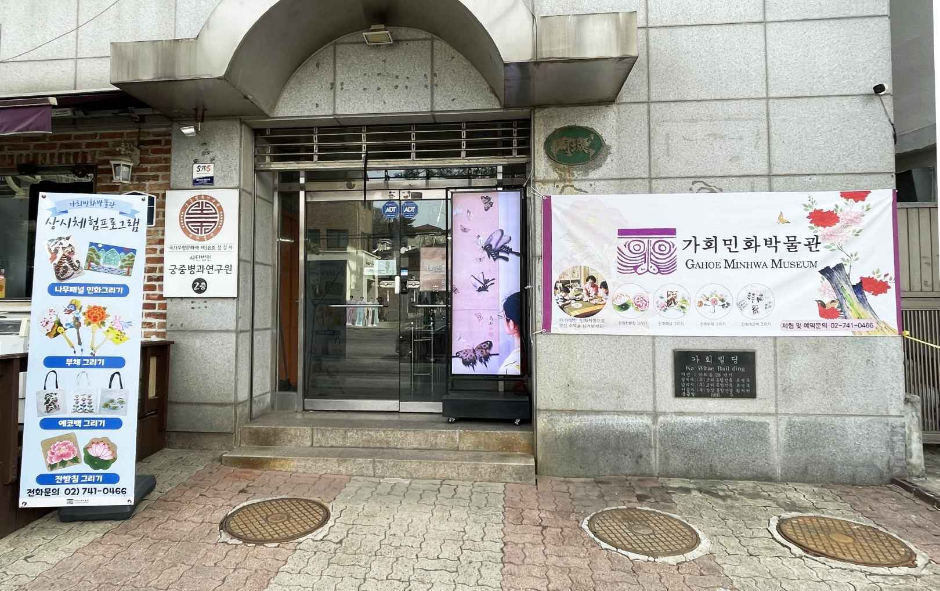
Gahoe Museum (가회민화박물관)
11.5Km 2025-10-31
52 Bukchon-ro, Jongno-gu, Seoul
+82-2-741-0466
Opened in 2002, Gahoe Museum exhibits folk paintings and amulets reflecting the lifestyle and wishes of the Korean people from ancient times. Inside the Hanok gallery, visitors can immerse themselves in the traditions of Korea, including old paintings depicting people's lifestyle in the past and religious beliefs, and roof tiles in the shape of humans or goblins. Visitors will also find folding screens and religious objects used in the past that show skills and knowledge of Korean ancestors.
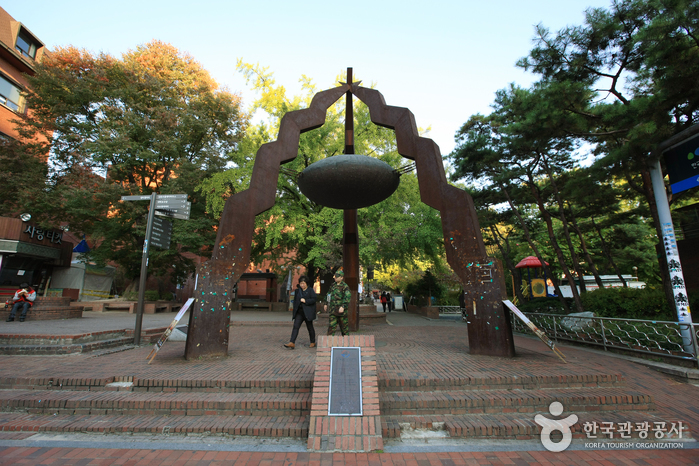
Marronnier Park (마로니에공원)
11.5Km 2021-07-14
104, Daehak-ro, Jongno-gu, Seoul
+82-2-2148-4158
Marronnier Park was given its name due to the marronnier trees, or horse chestnut trees, growing within the area. The location where Seoul National University's College of Liberal Arts & Science and School of Law once stood, it is now a park dedicated to culture and arts open to the public. In addition to a variety of outdoor performances that take place throughout the area, exhibitions and cultural centers create a romantic atmosphere unique to the park.
The Children’s Museum of the National Folk Museum of Korea (국립민속박물관&국립민속박물관 어린이박물관)
11.5Km 2025-06-19
37 Samcheong-ro, Jongno-gu, Seoul
The Children’s Museum of the National Folk Museum of Korea, located within Gyeongbokgung Palace, showcases artifacts related to Korean traditional culture. This interactive museum allows children to experience and learn about various aspects of Korean traditional clothing, food, society, culture, and games firsthand. Especially catering to children from Asian countries, there is a service for renting items, and reservations are required for admission.
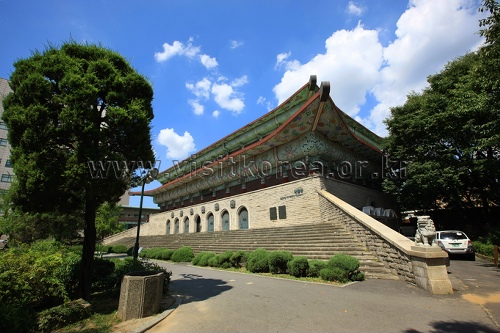
Sejong University Museum (세종대학교 박물관)
11.5Km 2022-09-16
209, Neungdong-ro, Gwangjin-gu, Seoul
+82-2-3408-3876
Sejong University Museum exhibits folk art, wooden crafts, clothing, accessories, pottery, paintings and calligraphy collected for over 40 years by the couple who founded the present day Sejong University, Dr. Ju Young-ha and Dr. Choi Ok-ja. This museum has its origins in the Soodo Gallery, which was built in Chungmuro, the campus’ original location, in 1959. Needing more space to house additional artifacts, the museum moved to its current location, which first opened on May 5, 1973 in a four-story concrete building inspired by traditonal tower design from the Baekje era. This building was later expanded on May 20, 1977.
After the university’s name was changed to Sejong University in 1979, the museum was also renamed the Sejong University Museum. The museum showcases unique artifacts to both scholars and students from home and abroad in contribution to the research of Korea’s culture, arts, and archeology.
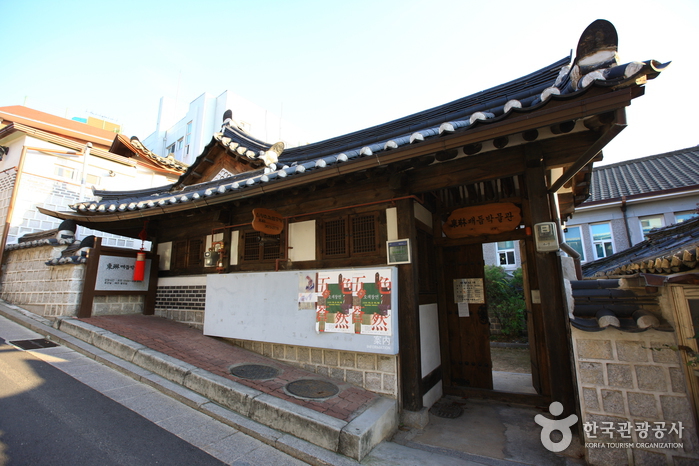
Dong-Lim Knot Museum (동림매듭박물관)
11.6Km 2021-12-21
10, Bukchon-ro 12-gil, Jongno-gu, Seoul
+82-2-3673-2778
Opened in April 2004, Dong-Lim Knot Museum exhibits a variety of decorative traditional Korean maedeup (knots): norigae for hanbok, belts, pouches, as well as materials like thread, cord, and accessories. Housed in a hanok, a traditional Korean house, the gallery has a variety of exhibits, including old and new artwork, and creations that reflect modern trends.
Daejanggeum (대장금)
11.6Km 2024-11-29
300, Olympic-ro, Songpa-gu, Seoul
+82-2-3213-4534
Daejanggeum serves traditional Korea meals, reinterpreting royal dishes from the Joseon dynasty. Daejanggeum faithfully uses only the best local ingredients to make all their food, from the soybeans used for soy sauce and soybean paste, to kimchi. In addition to the food, guests can enjoy dining with lacquerware from Korea's Holder of Intangible Heritage, Mr. Yi Jin-ho, and forged works by 5th generation blacksmith, Cha Ingyu.

Lotte World Aquarium (롯데월드 아쿠아리움)
11.6Km 2024-03-12
B1, 300 Olympic-ro, Songpa-gu, Seoul
Lotte World Aquarium, located in Lotte World Mall, is an aquarium that replicates the marine ecosystems of the world's five oceans. It exhibits over 55,000 marine animals of 650 species. It features a Marine Eco Hall, an Amazon River Hall, and a Penguin Hall. Visitors can participate in various programs such as feeding sessions for different animals including penguins and jellyfish touch experiences, allowing them to get up close with marine life.
Lotte World Tower SEOUL SKY (롯데월드타워 서울스카이)
11.6Km 2024-11-28
300 Olympic-ro, Songpa-gu, Seoul
+82-1661-2000
SEOUL SKY is located on floors 117-123 of Lotte World Tower, the nation's tallest and the world's fifth tallest building. The observatory offers a panoramic view of the entire capital city, beautiful both day and night. SEOUL SKY is comprised of an exhibition zone, observation deck, sky deck, dessert cafe, sky terrace, lounge, and more.
To get to Seoul Sky, visitors have to take the Sky Shuttle, a double-deck elevator that reaches a speed of 600 meters per minute. The one-minute ride feels quite short while watching the videos playing on the walls and ceiling. While waiting for the elevator up, visitors can enjoy art in the exhibition zone in basement levels 1-2. The exhibition includes artwork displaying the history, culture, and pride of Korea's foundation and success over the centuries. Visitors can also purchase Seoul Sky merchandise from the gift shop to remember their trip or give as a souvenir.
The observation deck has two story-high glass windows for an uninterrupted view. The Sky Deck, located at 478 meters, holds the Guinness World Record as the highest glass-floored observatory in the world. On days when visibility is limited, visitors can still enjoy a clear sky through the Sky Theater. The 120 floor holds the Sky Terrace, open to the elements.
Visitors looking for refreshments can enjoy the one-of-a-kind menu served at the dessert cafe Sky Friends Cafe on level 119, or refreshing wine sold at the premium lounge on floor 123. This cozy space is the highest lounge in Seoul and is perfect for taking in the view in a relaxing ambiance.
 English
 한국어
한국어 日本語
日本語 中文(简体)
 Deutsch
 Français
 Español
 Русский


