![Wiseyou Clinic - Myeong-dong Branch [Tax Refund Shop] (와이즈유의원코스메틱 명동)](http://tong.visitkorea.or.kr/cms/resource/68/2888068_image2_1.jpg)
Wiseyou Clinic - Myeong-dong Branch [Tax Refund Shop] (와이즈유의원코스메틱 명동)
875.3M 2024-04-17
3F, 52, Myeongdong 8ga-gil, Jung-gu, Seoul
-
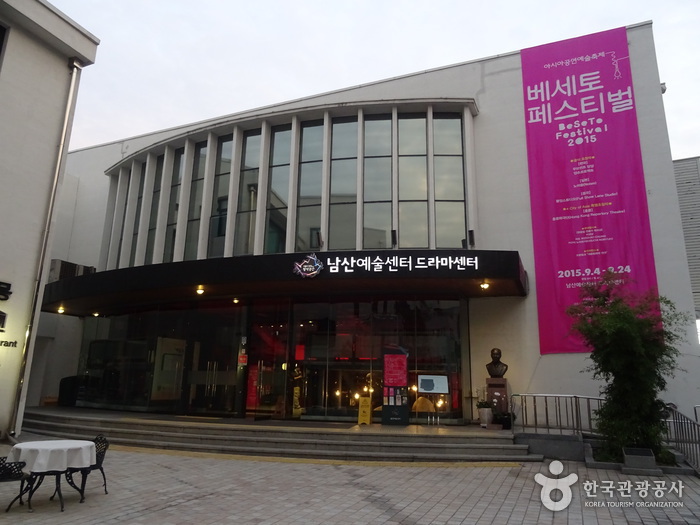
Namsan Arts Center (남산예술센터)
881.4M 2021-08-26
138, Sopa-ro, Jung-gu, Seoul
+82-2-758-2150
Namsan Arts Center, reopened as a creative space in Seoul in September 2009. It redefined the colors and characteristics of the theater, aiming for a modern theater production center centered on creative premieres, a contemporary performance venue where visitors can feel the pulse of the times, and a theater capable of various experiments.
Namsan Arts Center Drama Center is the first modern folk theater in Korea and the oldest performance hall in which the original architectural form has been preserved. Under the concept of "Contemporary & New Wave," the center continues to produce domestic original plays, and through active exchanges with excellent overseas theaters, build a repertoire of high-quality works that can read domestic and overseas trends, and present contemporary cultural diversity.
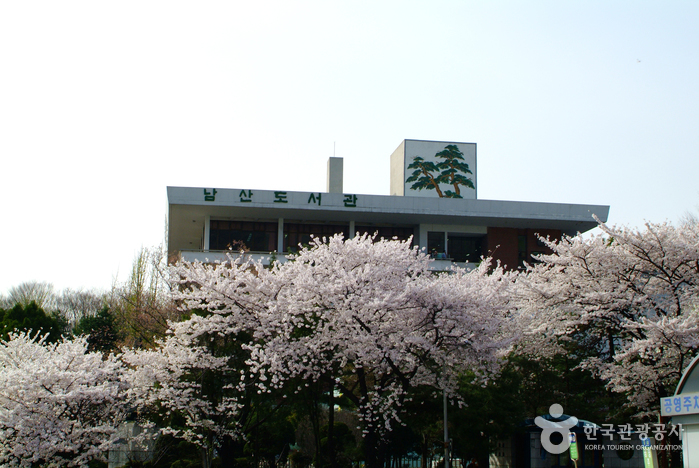
Namsan Library (서울특별시교육청 남산도서관)
882.9M 2021-07-07
109, Sowol-ro, Yongsan-gu, Seoul
+82-2-754-7338
Namsan Library opened as Kyeongseong Prefectural Library in 1922 as a public library in Myeong-dong, Jung-gu, Seoul. The library was moved to the current site in 1964 with a newly built building and its name changed to Namsan Library in 1965. This concrete building was built in 1964 and was designed by architect Lee Haeseong. It was designated as Seoul Future Heritage in 2013, credited for its preservation value.
It is comprised of 19 rooms and educational areas including the Humanity and Social Science Hall, Nature Science Hall, Language and Literature Hall, Electronic Information Room and more. Since opening, the library has collected nearly 500,000 books, 16,000 non-book materials, 700 continuing resources, and other special materials like old books, oriental books (including Japanese books), and more. Namsan Library also operates a reading treatment program unique to this library that began in 2005. The program includes remodeling of reading consultation room, training for people in charge of reading treatment, workshops, programs for individuals and groups. Also, various exhibitions, lectures, shows, cultural classes and other events are available all year long to enhance lifelong education.
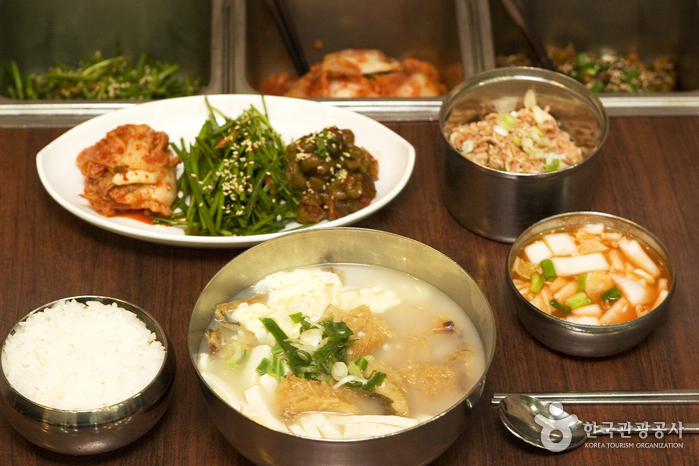
Bugeogukjip (북어국집)
884.6M 2024-12-27
38, Eulji-ro 1-gil, Jung-gu, Seoul
+82-2-777-3891
Bugeogukjip (formerly “Teojutgol”) is a restaurant behind City Hall in Seoul that has been serving up authentic dried Pollack soup since 1968. Despite a name change, the restaurant has proudly stood in this same location for decades, earning a strong reputation for its dried Pollack soup made using traditional cooking methods.
Since the restaurant only serves one thing—dried Pollack soup—there are few preparations to be made and the meal arrives on your table in minutes. Customers are free to serve themselves basic side dishes such as kimchi and can have as many servings of rice as they’d like, allowing diners to enjoy a hearty meal at a low price. While the restaurant’s design and menu may be simple, Bugeogukjip takes pride in its long history and the careful efforts that have earned it a reputation as one of the most notable restaurants in Seoul.
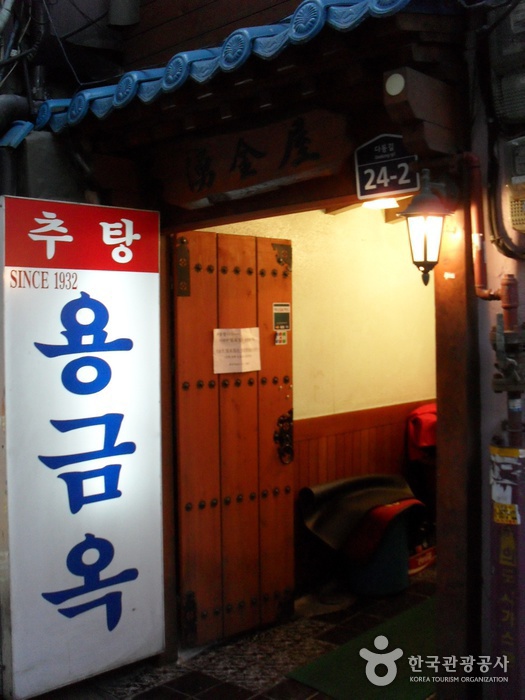
Yonggeumok (용금옥)
886.7M 2024-03-13
24-2, Dadong-gil, Jung-gu, Seoul
+82-2-777-1689
Established in 1932, Yonggeumok specializes in Seoul-style chutang (loach soup), renowned for using whole loach in its preparation. This method distinguishes it from the more commonly known Namwon-style chutang, which involves grinding the loach. At Yonggeumok, guests can savor the tender and savory texture of the loach flesh in their chutang, offering a unique and authentic dining experience.
Jungmyeongjeon Hall (중명전)
910.2M 2025-01-09
41-11, Jeongdong-gil, Jung-gu, Seoul
+82-2-752-7525
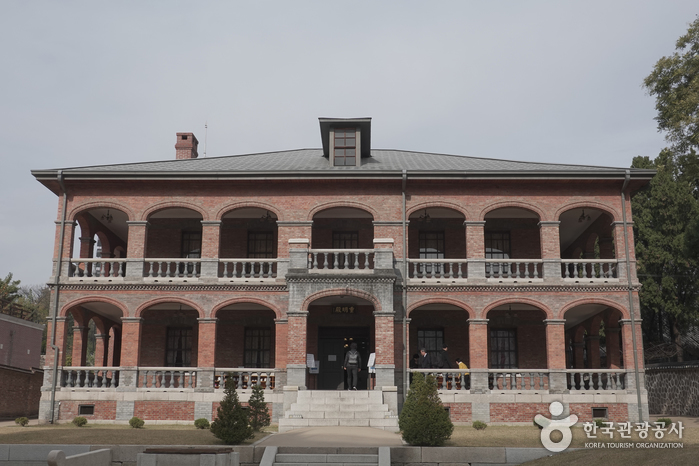
Located near Deoksugung Palace, Jungmyeongjeon Hall is a red-brick modern Western-style building. It was built in 1899 as the imperial library of the Korean Empire. After Deoksugung Palace caught on fire in 1904, the place became the temporary residence of Emperor Gojong. It also witnessed the tragic part of history in which the infamous Eulsa Treaty (Japan-Korea Protectorate Treaty), an illegal treaty forced by Japan, was signed in 1905. Its exhibition hall serves as a place for historical education.
Seoullo 7017 (서울로 7017)
913.3M 2025-10-24
405, Hangang-daero, Jung-gu, Seoul
+82-2-120
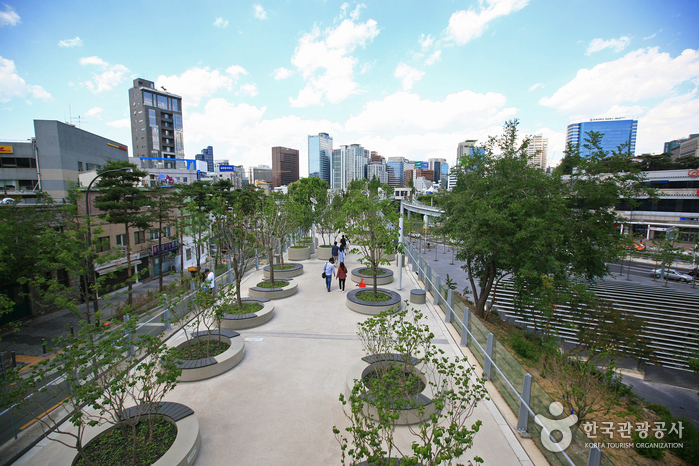
Originally opened in 1970, Seoullo 7017 was an elevated road that crossed over the Seoul Station railway, but when it became dilapidated and unusable for traffic, it was converted into a park in 2017. It is about 17 metres above the ground and offers a panoramic view of the Seoul Station Railway and the city of Seoul. It is directly connected to Seoul Station.
Ewha Centennial Hall (이화여고100주년기념관)
914.6M 2024-02-20
26 Jeongdong-gil, Jung-gu, Seoul
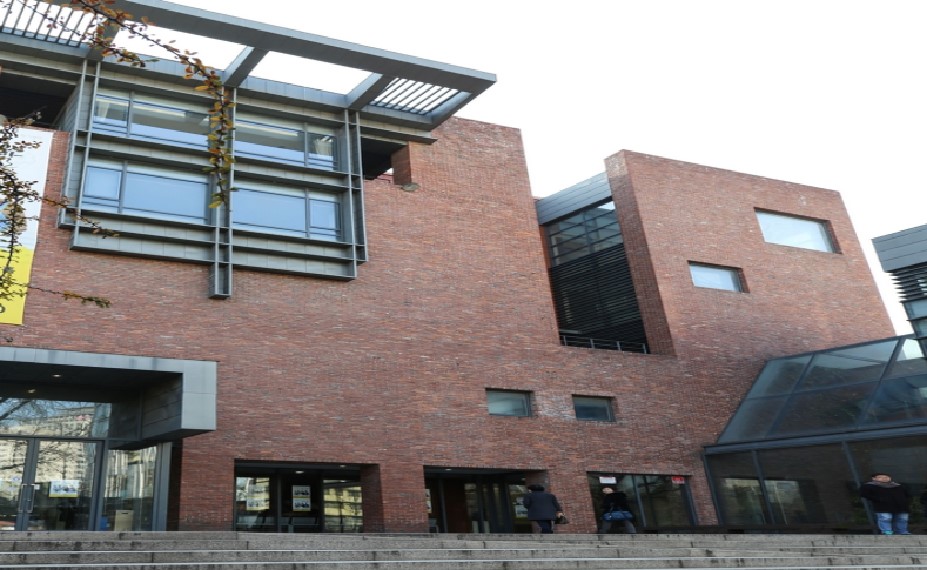
Ewha Centennial Hall is a multimedia education center located next to Ewha Girls' High School. Spanning underground and five above-ground floors, it features a gallery, a cafe, music rooms, individual practice rooms, and audio-visual rooms. The Hwaham Hall on the first and second floors is utilized for performances such as musicals and concerts, as well as educational events.

Olive Young - Mugyodong Branch [Tax Refund Shop] (올리브영 무교동점)
919.4M 2024-06-26
1F, 24, Mugyo-ro, Jung-gu, Seoul
-
Myeongdongjeong Royal Cuisine Restaurant (명동정)
925.2M 2024-03-12
1F, 299, Samil-daero, Jung-gu, Seoul
+82-2-3789-5132
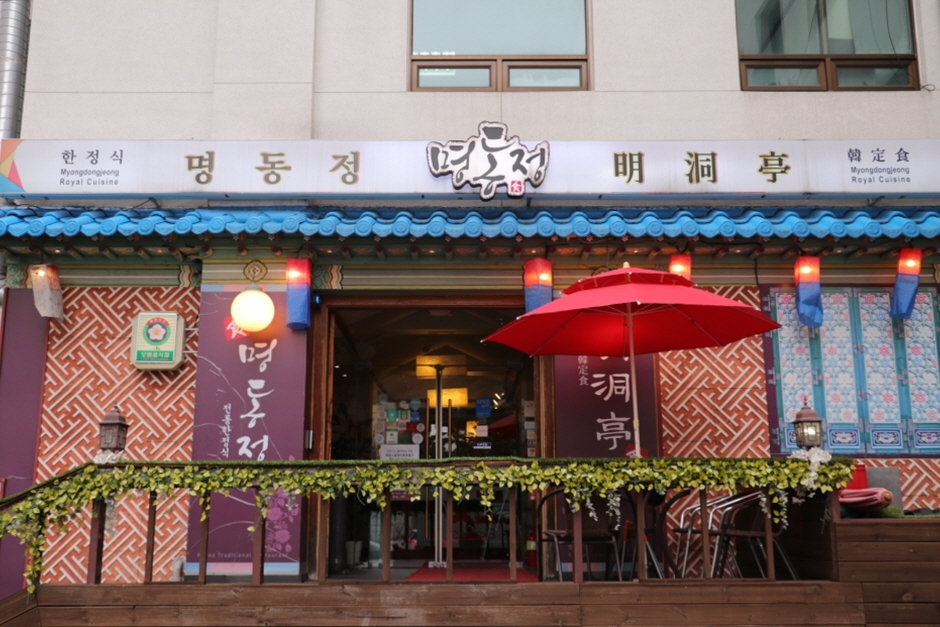
Located on Myeongdong Street, Myeongdongjeong Royal Cuisine Restaurant serves Korean traditional dishes. They offer Korean traditional dishes that were once prepared for Korean royalty and nobility, using premium ingredients such as blue crab, abalone, beef, shrimp, and pumpkin. Their Korean table d'hote menus feature youngran sang (weekday lunch special), myeongdong jeongsik (bulgogi and other traditional dishes), gwibin sang (abalone & beef rib stew with traditional various dishes), and haesin sang (high-quality seafood dishes). With various rooms and halls, the venue also has space for organizing simple parties.
 English
 한국어
한국어 日本語
日本語 中文(简体)
 Deutsch
 Français
 Español
 Русский


