Seosulla-gil Road (서순라길)
1.6Km 2024-10-14
150-3 Jong-ro, Jongno-gu, Seoul
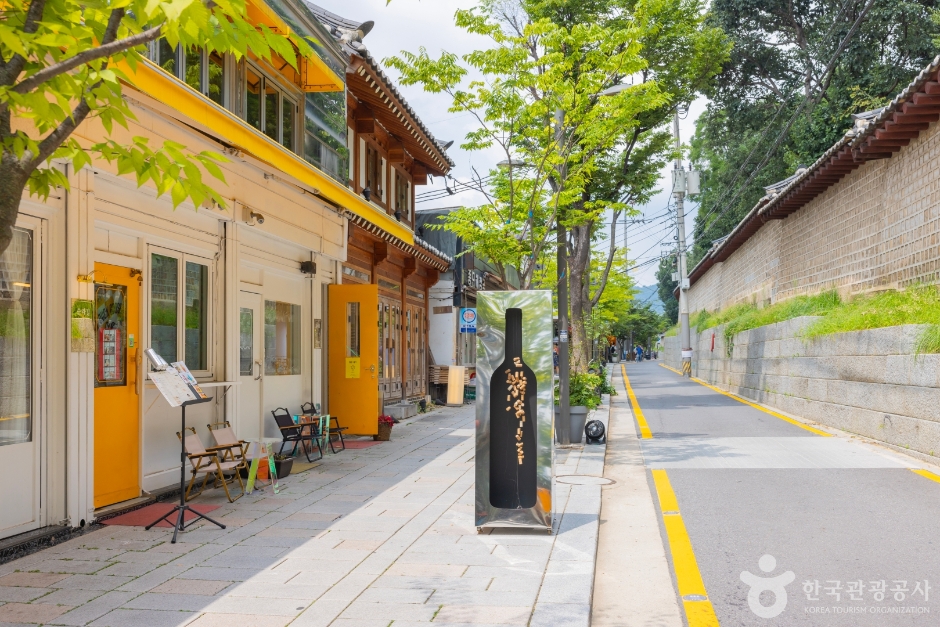
Seosulla-gil Road is a road that was used by the nightguards during the Joseon dynasty. The road is on the west of Jongmyo Shrine with various attractions nearby including Ikseon-dong, Insa-dong, Bukchon, and Samcheong-dong, as well as restaurants, cafes, and handicraft workshops. The road is also a beautiful date course with flowers in spring and fall foliage in autumn..
Horangii (호랑이)
1.6Km 2023-12-22
157 Eulji-ro, Jung-gu, Seoul
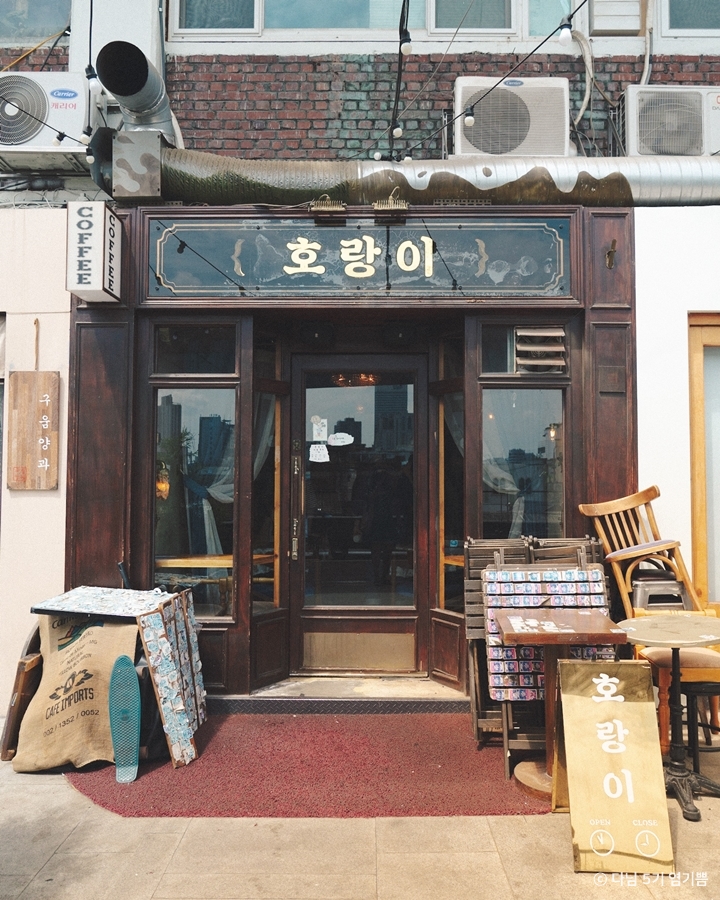
Horangii Coffee, located in Euljiro, Seoul, boasts a retro yet hip atmosphere. Furniture and picture frames with traces of time gone by and impressive props with the concept of a tiger come together to create a distinct atmosphere unique to this place. There are tables both inside and outside the cafe, but due to its small size, it is always crowded with customers. The signature menu items here are Horangii Latte and Fruit Sando. Horangii Latte has an impressive savory yet sweet flavor. Fruit Sando, made with whole fresh seasonal fruits, combines with soft whipped cream for a unique taste.
Gyeongbokgung Palace (경복궁)
1.6Km 2025-10-23
161 Sajik-ro, Jongno-gu, Seoul
+82-2-3700-3900
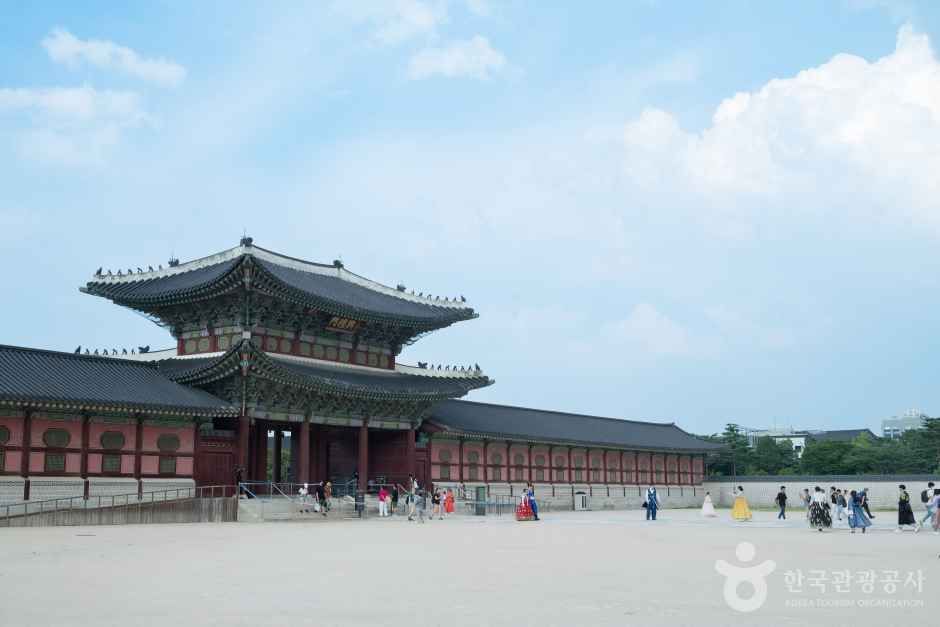
Gyeongbokgung Palace was built in 1395 as the official palace of the Joseon dynasty by Yi Seong-gye, the future King Taejo and founder of the new regime. Gyeongbokgung Palace is commonly referred to as the Northern Palace because of its location to the north, comparied to Changdeokgung Palace in the east and Gyeonghuigung Palace in the west. Gyeongbokgung Palace is arguably the most beautiful and is the largest of all five palaces. Many Joseon kings were crowned here. The premises were once destroyed by fire during the Imjin War (1592-1598). However, all of the palace buildings were later restored under the leadership of Heungseondaewongun during the reign of King Gojong. The assassination of Empress Myeongseong, however, resulted in Gyeongbokgung Palace losing its function as a royal palace, eventually witnessing the downfall of the Joseon dynasty. Gyeongbokgung Palace retains the original Gyeonghoeru Pavilion, a prime example of Joseon architecture, and the Hyangwonjeong Pavilion and pond. The sculptures in the Geunjeongjeon Hall exemplify Joseon-era sculpture techniques. The west side of the area outside Heungnyemun Gate is occupied by the National Palace Museum of Korea, while the eastern side of Hyangwonjeong Pavilion within the Gyeongbokgung Palace is occupied by the National Folk Museum of Korea.
K-Royal Culture Festival (궁중문화축전)
1.6Km 2025-07-29
161 Sajik-ro, Jongno-gu, Seoul
+82-1522-2295
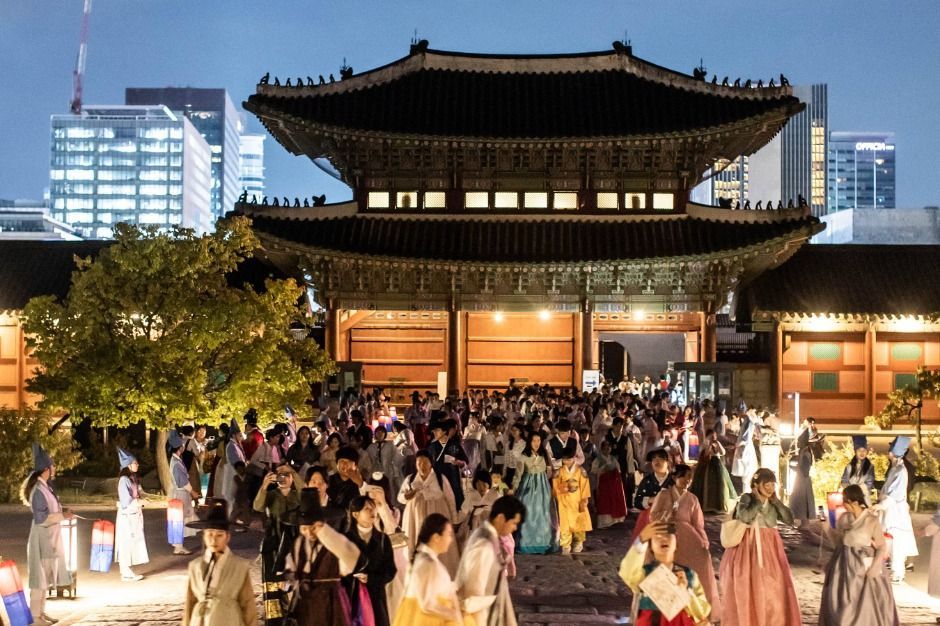
The K-Royal Culture Festival is held at the five Royal Palaces and Jongmyo Shrine. The festival first began in 2014 and provides visitors with first-hand knowledge of these important cultural heritages through unique performances, exhibitions, experiences and programs. The festival expanded in 2021 to be hosted twice a year, in spring and in fall.

GONGGAM HL MANAGEMENT Co., Ltd. ((주)공감에이치엘 매니지먼트)
1.6Km 2025-11-06
#B119, 59 Donhwamun-ro 11ga-gil, Jongno-gu, Seoul
JDI International is a company engaged in international patient attraction business.
We welcome patients from the United States, Europe, China, Russia, and Southeast Asia.
We provide foreign patients with reliable medical care in Korea and provide information on medical products that combine personalized care and tourism.
We specialize in providing customized medical services to foreign patients through partnership with various hospitals in Korea.
Inwangsan Mountain (인왕산)
1.6Km 2024-03-04
San 2-1, Muak-dong, Jongno-gu, Seoul
+82-2-2148-2834
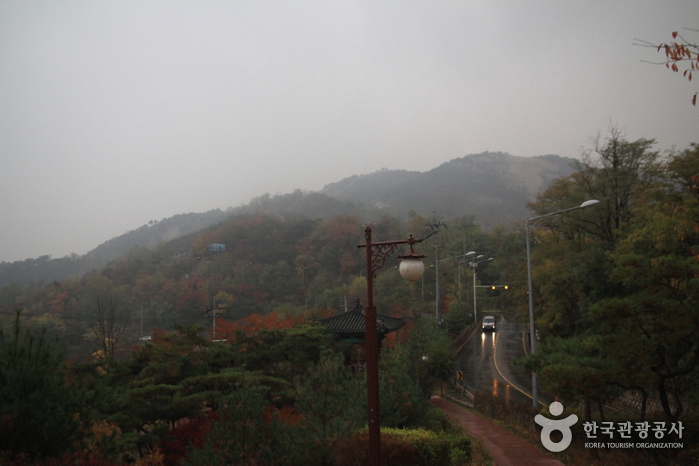
Inwangsan Mountain is a rocky mountain located to the northwestern side of Seoul. It stands 338m tall. The Seoul City Wall is built along its ridge, connecting to the Baegak Mountain Trail. From the summit, one can see the three mountains of Naksan Mountain, Namsan Mountain, and the Bugaksan Mountain surrounding the historical center of Hanyang, the historical name for Seoul in Joseon period, with the Gyeongbokgung Palace at the center. There are five hiking trails, all taking about two hours to complete. It takes about three hours if you want to visit all the peaks of the mountain.
Jalppajin Memil Ikseon Branch (잘빠진메밀 익선)
1.6Km 2024-03-18
73 Yulgok-ro 8-gil, Jongno-gu, Seoul
+82-70-4531-1214
Jalppajin Memil is a specialty restaurant that directly kneads 100% buckwheat dough to make buckwheat noodles. They offer both bibim makguksu (spicy buckwheat noodles) and mul makguksu (buckwheat noodles). Additionally, they serve memil jeonbyeong (buckwheat crepe), memil mandu (buckwheat mandu), and tender suyuk (boiled pork slices). They have a selection of 10 different kinds of makgeolli (unrefined rice wine) including chestnut, citrus, corn, and mulberry, allowing customers to choose according to their preference. Their famous makgeolli sampler set, which allows customers to taste five different types of makgeolli in small quantities, is popular.
Tteok Museum (떡박물관)
1.6Km 2021-09-29
71, Donhwamun-ro, Jongno-gu, Seoul
+82-2-741-5447
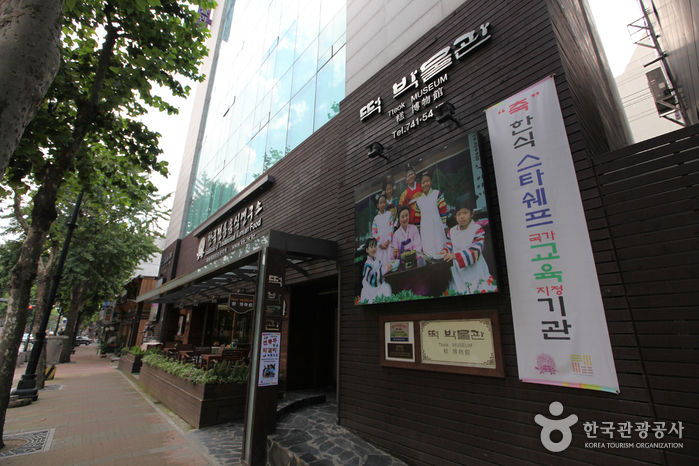
The Tteok Museum displays over 2,000 Korean kitchen utensils and tteok (rice cake) related items, arranged by various themes. The displayed utensils are handmade household necessities that are ingenuous, yet reveal the lifestyle of the working class. The elderly may relive fond childhood memories and the younger generation can experience the wisdom of ancestors through the rare kitchen utensils.
![Olive Young - Twin City Branch [Tax Refund Shop] (올리브영 트윈시티)](http://tong.visitkorea.or.kr/cms/resource/04/2889104_image2_1.jpg)
Olive Young - Twin City Branch [Tax Refund Shop] (올리브영 트윈시티)
1.6Km 2024-04-18
Store #B109, #B110, GF Twin City Bldg., 366, Hangang-daero, Yongsan-gu, Seoul
-
Seoul Namsan Park (남산공원(서울))
1.6Km 2024-03-18
231 Samil-daero, Jung-gu, Seoul
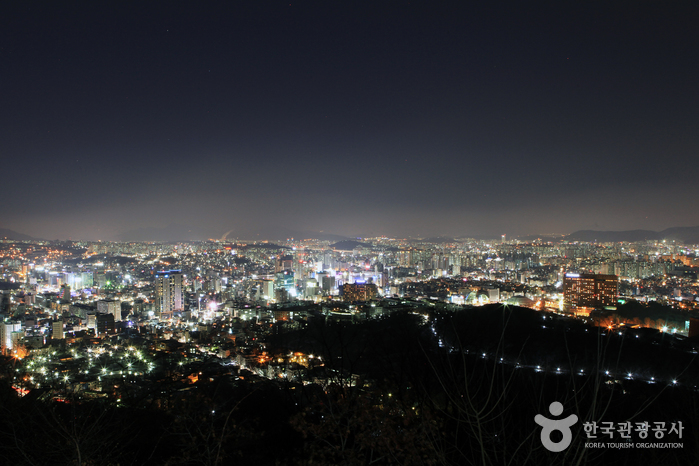
Namsan Mountain rises in the heart of Seoul at an altitude of 265 meters and has been a significant landmark since the Joseon dynasty (1392-1897), leaving behind several ruins. It was heavily damaged in the early 20th century, but was partially restored in 1968 with the creation of the park. Highlights include Namsan Tower and love locks left by numerous couples. Visitors can also easily reach the top by a cable car or bus.
 English
 한국어
한국어 日本語
日本語 中文(简体)
 Deutsch
 Français
 Español
 Русский


