![Taereung and Gangneung Royal Tombs [UNESCO World Heritage] (서울 태릉과 강릉 [유네스코 세계문화유산])](http://tong.visitkorea.or.kr/cms/resource/16/2658216_image2_1.jpg)
Taereung and Gangneung Royal Tombs [UNESCO World Heritage] (서울 태릉과 강릉 [유네스코 세계문화유산])
16.2Km 2022-09-19
681, Hwarang-ro, Nowon-gu, Seoul
Designated as a Historic Site, Taereung & Gangneung Royal Tombs is comprised of two tombs. Taereung Royal Tomb houses the burial mound of Queen Munjeong who was the second queen of King Jungjong, the 11th King of the Joseon dynasty, and Gangneung Royal Tomb houses the burial mounds of King Myeongjong, the 13th King of Joseon dynasty, and Queen Insun. King Myeongjong ascended the throne after his elder brother, King Injong, when he was twelve years old at Geunjeongjeon Hall in Gyeongbokgung Palace in 1545. The king’s mother, Queen Munjeong ruled behind the scenes, acting as guardian for eight years.
Goyang Oulim Nuri Arts Center (고양 어울림누리)
16.2Km 2021-07-08
33, Eoullim-ro, Deogyang-gu, Goyang-si, Gyeonggi-do
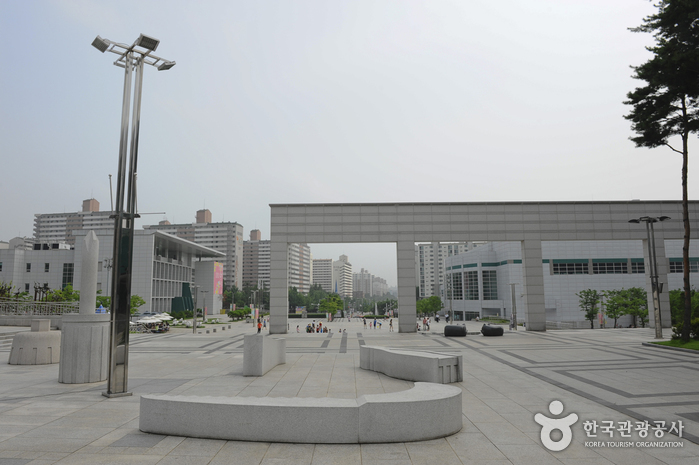
Goyang Oulim Nuri Arts Center is a multi-complex that ties culture and arts facilities with sports facilities. Oulim Theater provides 1,218 seats for various events from classical music to K-pop, plays, musicals and more, while Star and Sand Theater provides 362 seats for more family-oriented shows. The Oulim Art Gallery offers experience programs and exhibitions. The Flower Hill outdoor stage is suitable for plays and concerts.
Sooyeon Sanbang (수연산방)
16.5Km 2025-10-23
8 Seongbuk-ro 26-gil, Seongbuk-gu, Seoul
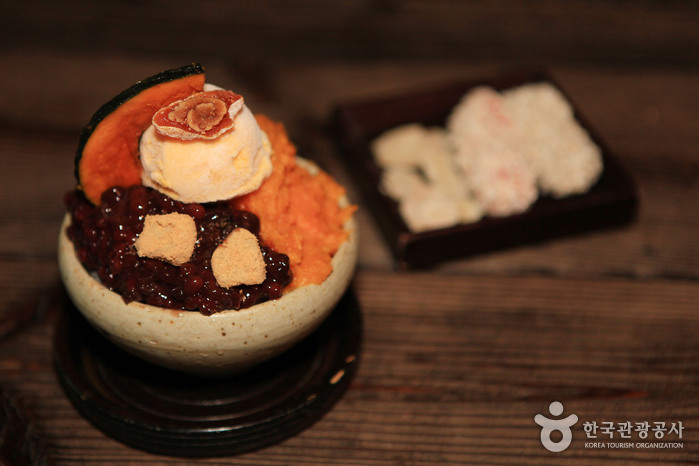
Sooyeon Sanbang is a traditional tea house located in Seongbuk-dong. It was originally built during the Japanese colonial period and was the hanok of the literary figure Lee Taejun. Today, it is operated as a tea house by the writer's granddaughter. The name Sooyeon Sanbang means "a house where literati gather in the mountains." Visitors can enjoy traditional teas such as daechucha (jujube tea) and ssanghwacha (medicinal herb tea), along with snacks like injeolmi (bean-powder-coated rice cake).
Seongbuk-dong–Bukchon Hanok Village Course (성북동고택북촌산책길)
16.5Km 2025-11-06
68, Seonjam-ro 5-gil, Seongbuk-gu, Seoul
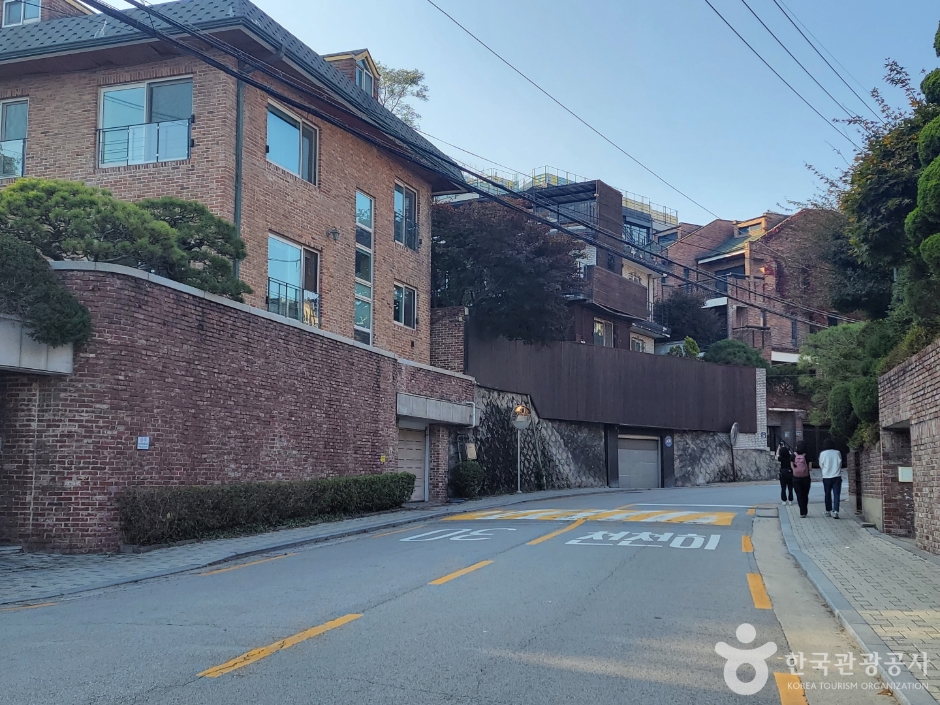
The Seongbuk-dong–Bukchon Hanok Village Course is a nostalgic path connecting famous old houses in Seongbuk-dong and Bukchon Hanok Village, divided by the old city walls. Along the way, you'll find historic sites like Gilsangsa Temple, Jeongbeopsa Temple, Han Yong-un’s Simujang House, and novelist Lee Tae-jun's House. The trail also features charming cultural spots, such as the traditional tea house Sooyeon Sanbang and the Seongbuk Museum of Art.
◎ Travel information to meet Hallyu’s charm - "Parasite"
The scene in the alley where Ki-woo visited Mr. Park's house in a wealthy neighborhood for expensive tutoring was filmed in a residential area in Seongbuk-dong. Seongbuk-dong, an old wealthy village, has luxury mansions lined up in. There are many pretty cafés and galleries here and there, so it's good to take a leisurely look around. Mr. Park's house was a filming set, which was demolished after filming.
Whanki Art Museum (환기미술관)
16.5Km 2024-03-04
63, Jahamun-ro 40-gil, Jongno-gu, Seoul
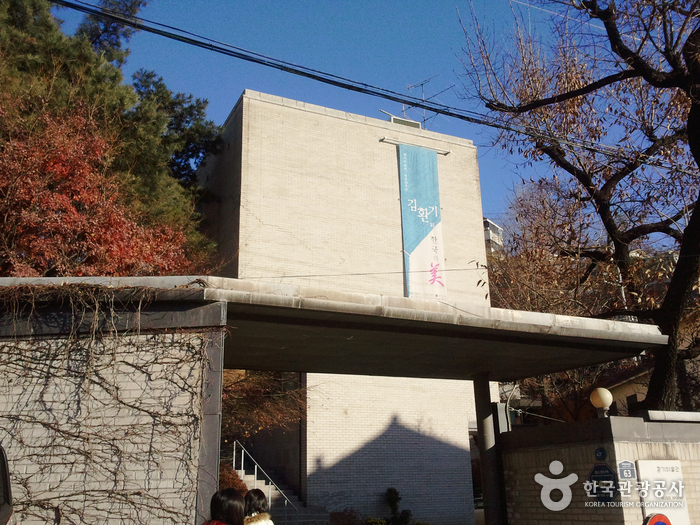
Whanki Art Museum exhibits the works of Kim Whanki (1913-1974), the pioneer of Korean abstract art. Kim was inspired by traditional features such as Korean mountains and streams, the sky, moons and clouds, the white porcelain and traditional patterns, and worked to express them in abstract forms through points, lines, and surfaces. The main collection features nearly 300 works by Kim. One can also find an art shop and a café.
Paju Historical Site Related to Yi I (파주이이유적)
16.5Km 2021-12-10
204, Jaunseowon-ro, Paju-si, Gyeonggi-do
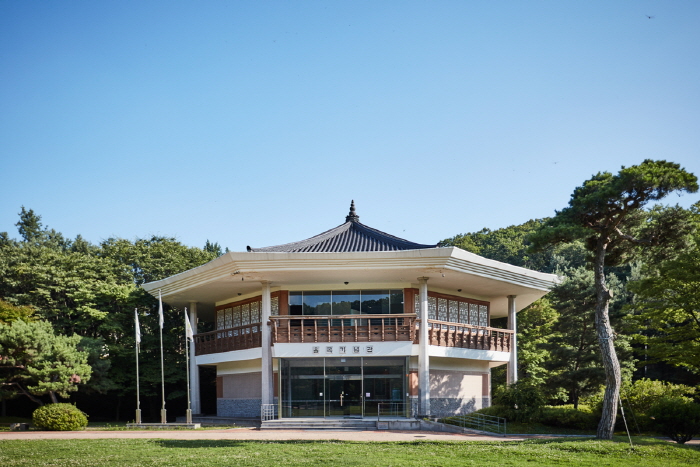
Paju Historical Site Related to Yi I is dedicated to a great scholar of the mid-Joseon dynasty. He was born to Lee Wonsu and Shin Saimdang in 1536. He passed Saengwonsi, a type of preliminary exam in 1564 (the 9th year of King Myeongjong), and another 9 exams so he was called Gudo Jangwongong. He served in key positions. He is thought to be one of the top two scholars along with Yi Hwang.
Jaunseowon Confucian Academy is home to the tablets of Yulgok Yi I and his family’s graveyard, located at the foot of Jaunsan Mountain. Jaunseowon Monument and Memorial Stone of Yi I Scholar are located here as well. Yulgok Memorial Hall displays his goods, and his biography. In February 2013, Jaunseowon Confucian Academy and the tombs of Yulgok Yi I and his mother Shin Saimdang were individually designated as Gyeonggi-do Cultural Assets, but the whole area as a whole is a designated National Historic Site under the name Historic Site related to Yi I.
Bugaksan Mountain (북악산)
16.7Km 2024-03-04
Cheongun-dong, Jongno-gu, Seoul
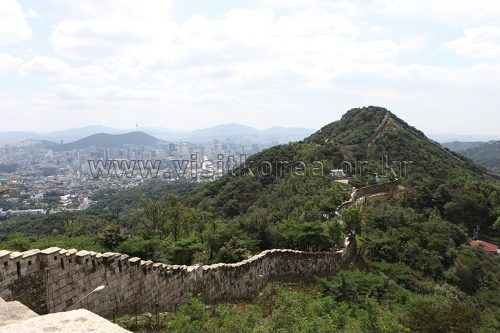
Bugaksan Mountain is the mountain that one can see behind the Gyeongbokgung Palace and the Cheong Wa Dae to the north. Hanyangdoseong, the city wall that surrounded the historic capital of Hanyang, was built by connecting the ridges of this mountain. These walls can still be found today, having been preserved quite well. Different trails weave through the area along the Hanyangdoseong, the Seoul City Wall, and one can visit these trails at night as well. Bugak Skyway is a road that connects Changuimun Gate to Jeongneung Royal Tomb, and one can get a great view of Seoul’s city center from the Palgakjeong Pavilion on Bugak Skyway.
Kansong Art Museum (간송미술관(서울 보화각))
16.7Km 2025-06-30
102-11 Seongbuk-ro, Seongbuk-gu, Seoul
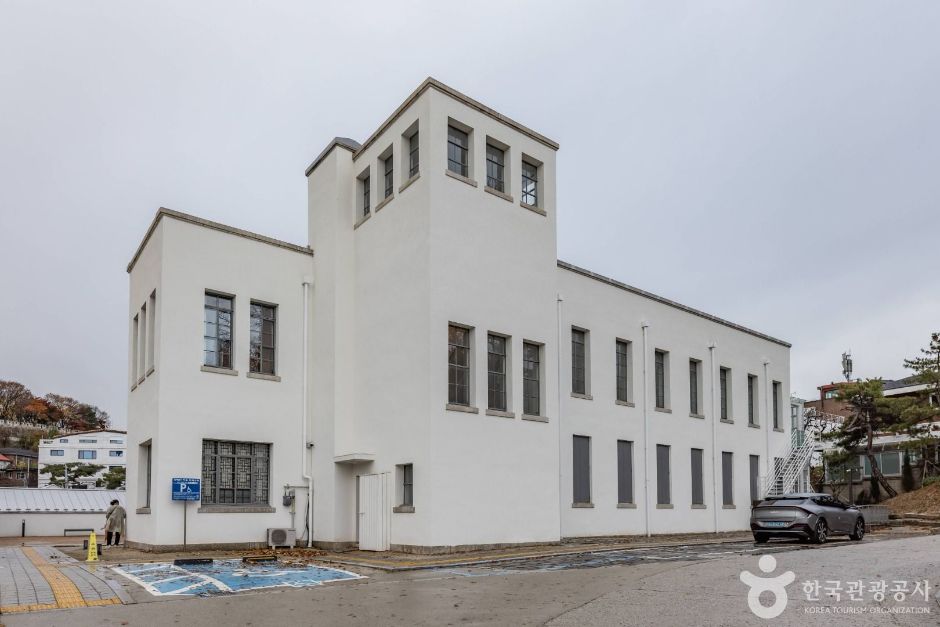
Kansong Art Museum was the first private art museum in Korea, opened as Bohwagak in 1938 by Kansong Jeon Hyeong-pil. The name was changed to the current Kansong Art Museum in 1966. Bohwagak was designated as National Registered Cultural Heritage No. 768 on December 30, 2019. Jeon Hyeong-pil dedicated his life to preserving and researching Korea’s representative relics that were devaluated and purposefully obliterated during the Japanese colonial era, as well as to acknowledging their cultural excellence and beauty. The museum houses 11 national treasures and 24 treasures.

Bukjeong Village (북정마을)
16.7Km 2024-02-15
132-3 Seongbuk-ro 23-gil, Seongbuk-gu, Seoul
Bukjeong Village, situated along the slopes of Seongbuk-dong, offers a glimpse into Korea's old alleyways. The village expanded as refugees from the Korean War (1950–1953) and people from various regions settled, building houses under the collapsed walls of Hanyang doseong (Seoul City Wall). Presently, the village is home to young artists, and the broad street in front of the village bus stop hosts various community events.
Buam-dong (부암동)
16.7Km 2024-03-15
Buam-dong, Jongno-gu, Seoul
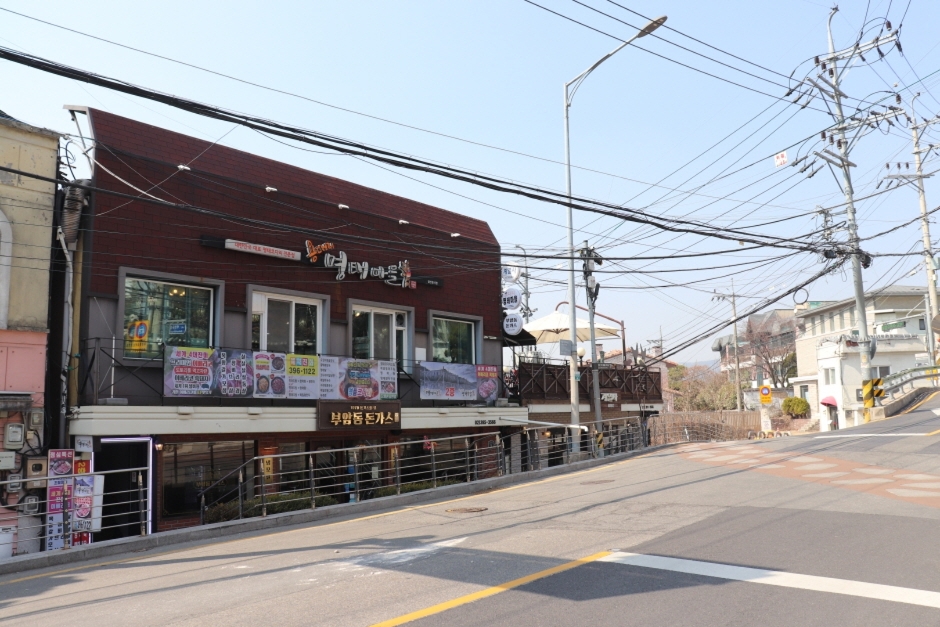
Buam-dong is a village located north of Gyeongbokgung Palace. It is designated as a development-restricted zone due to its proximity to the Cheong Wa Dae, preserving the old neighborhood's appearance. There are numerous bakeries, cafés, restaurants, and small galleries housed in renovated traditional houses, making it a delightful place for a leisurely stroll. The nearby hiking trails connected to Bugaksan Mountain offer a tranquil journey through the forest, ideal for those seeking a peaceful retreat.
 English
 한국어
한국어 日本語
日本語 中文(简体)
 Deutsch
 Français
 Español
 Русский


