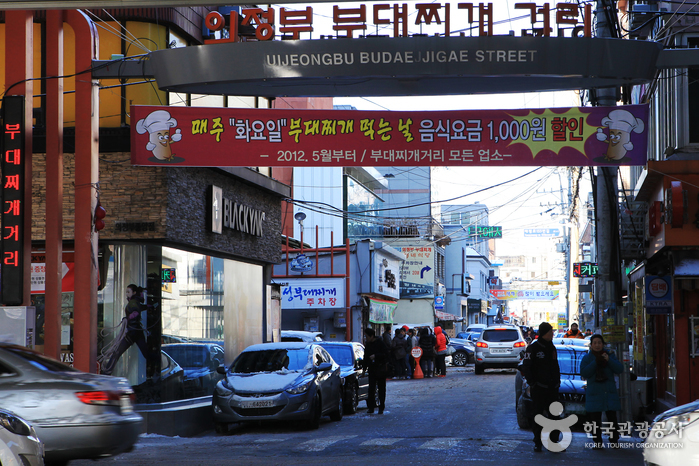
Uijeongbu Budaejjigae Street (의정부 부대찌개거리)
6.6Km 2023-10-27
7, Hoguk-ro 1309beon-gil, Uijeongbu-si, Gyeonggi-do
The word “budaejjigae” has two parts: “budae”, or military unit, and “jjigae,” a dish made by boiling ingredients and stock in a pot. It originates from the post-Korean War period, where processed meat from US Army bases was made into a jjigae with vegetables, glass noodles, ramyeon, and the like. While the exact origin of the dish is difficult to establish, a strong tradition of sausage jjigae was established in Uijeongbu, thanks to its proximity to US Army bases. These geographical characteristics created today’s Uijeongbu Budaejjigae Street. Starting with Odeng Sikdang, the origin of the street, restaurants specializing in sausage jjigae entered the area, creating a specialized street and a landmark of Uijeongbu.
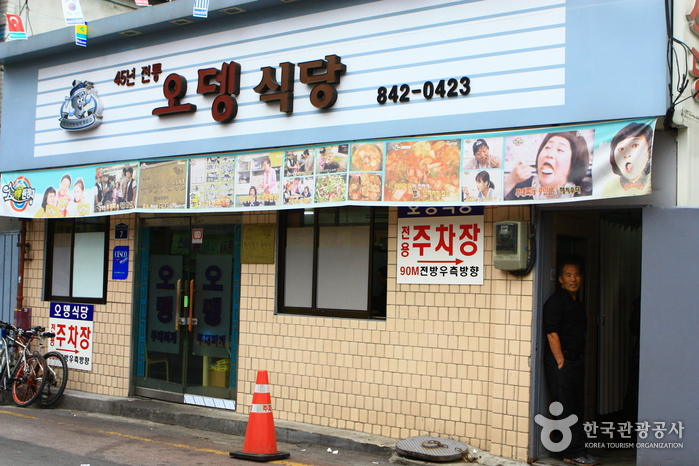
Odeng Sikdang Uijeongbu Main Branch (오뎅식당)
6.6Km 2024-12-06
7, Hoguk-ro 1309beon-gil, Uijeongbu-si, Gyeonggi-do
The origins of Uijeongbu’s budaejjigae (Sausage Jjigae) tradition trace back to a humble food stall, now operated by the third generation. As budaejjigae grew in popularity, this modest stall evolved into a dedicated restaurant specializing in the iconic dish.
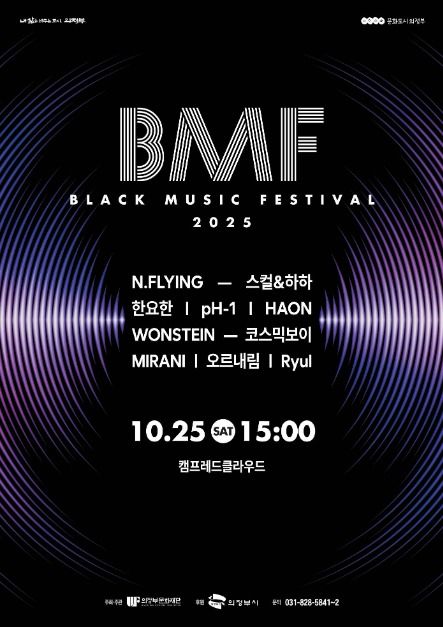
Black Music Festival (BMF) (2025 제7회 BMF(블랙뮤직페스티벌))
6.7Km 2025-10-23
Ganeung-dong, Uijeongbu-si, Gyeonggi-do
+82-31-828-5841
The Black Music Festival feature performances across various genres, including hip hop, R&B, soul form both local artists and international artists. Along with performances, visitors can enjoy various cultural events and hands-on experience programs.
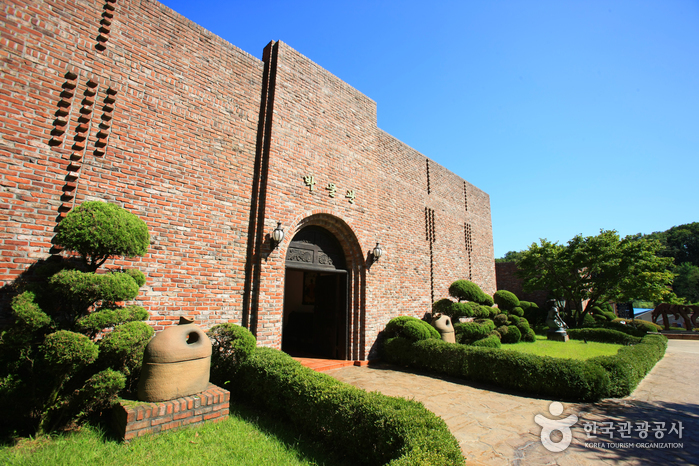
The Latin American Cultural Center Museum (중남미문화원)
8.3Km 2022-12-29
33-15, Daeyang-ro 285beon-gil, Deogyang-gu, Goyang-si, Gyeonggi-do
The Latin American Cultural Center Museum was established in 1994 to inform visitors about the culture and arts of Latin America. The museum exhibits artifacts from the Maya, Aztec, Inca, and early colony period that represents Latin America, as well as paintings, sculptures, traditional cloth and more from artists that represents the region. The Sculpture Park showcases pieces from 12 contemporary artists throughout the park, walking trail and rest area. In 2011, Religion Exhibition Hall opened which has a large mural and stain glass that is 24 meters in x_width and 5 meters in x_height.
![[Seoul Trail Course 1] Suraksan · Buramsan Mountain Course ([서울 둘레길 1코스] 수락 · 불암산 코스)](http://tong.visitkorea.or.kr/cms/resource/16/2658216_image2_1.jpg)
[Seoul Trail Course 1] Suraksan · Buramsan Mountain Course ([서울 둘레길 1코스] 수락 · 불암산 코스)
8.7Km 2025-01-06
Junggye-dong, Nowon-gu, Seoul, Republic of Korea
Seoul Trail is a walking trail that encompasses the entire city of Seoul, with a total length of 157km and 8 courses. It weaves together the history, culture, and natural ecology of Seoul through various stories. The 1st course is a gentle path from Suraksan Mountain to Buramsan Mountain, covering 18.6km and taking approximately 8 hours and 10 minutes. This trekking course around Buramsan Mountain passes through Iris Garden, Deongneung-gogae, Information Center, Taereung Royal Tomb, Suamsa Temple, and Hakdoam Temple.
![Bukhansan Dulle Trail Section 1 ([북한산 둘레길] 1 소나무숲길 )](http://tong.visitkorea.or.kr/cms/resource/30/1898430_image2_1.jpg)
Bukhansan Dulle Trail Section 1 ([북한산 둘레길] 1 소나무숲길 )
9.4Km 2024-01-04
12 Samyang-ro 173-gil, Gangbuk-gu, Seoul
Bukhansan Mountain is a mountain representing Seoul, which 5 million people visit every year. It is not easy to hike up to the top, but the dulle trail allows one to enjoy the beauty of the mountain without too much effort. Bukhansan Dulle Trail is a low-lying, horizontal walking trail created by connecting and refining existing side paths, allowing for a leisurely walk along the foot of the mountain. The Pine Forest Trail, one section of the trail consisting of 21 themes, is 2.9 kilometers long from the entrance to Uiryeong Trail to the top of Solbat Neighborhood Park. It is filled with majestic pine trees, and the road is wide and gentle, making it a perfect place to enjoy a walk. Most of the section is shaded by trees, so visitors can feel cool while walking up even on hot summer days.

Seoul Hiking Tourism Center - Bukhansan Branch (서울도심등산관광센터(북한산))
9.4Km 2024-03-05
5F, 181-7 Ui-dong, Gangbuk-gu, Seoul
The Seoul Hiking Tourism Center is located 5 minutes on foot from Exit 2 of Bukhansan Ui Station and provides various services to hikers. It provides hiking course guidance and information (available in Korean, English, Chinese, and Japanese) about the mountains of Seoul, including Bukhansan, Bugaksan, and Inwangsan Mountains, as well as promotional materials such as Seoul hiking tourism guidebooks and maps. Also, it operates hiking tour programs with various themes every week for foreigners and offers hiking gear rental services such as hiking boots, hiking attire, trekking poles, gloves, and crampons for foreigners. (Koreans accompanied by foreigners can also rent the gear.) In addition, there is a storage locker and lounge for visitors, so they can pack up and rest before hiking.
Samgaksan Mountain (삼각산)
9.5Km 2024-03-20
Samyang-ro 173-gil, Gangbuk-gu, Seoul
Samgaksan Mountain is a mountain situated on the northern outskirts of Seoul, resembling a folding screen. Its name, meaning triangular mountain, is derived from the presence of three high peaks: Baegundae Peak, Insubong Peak, and Mangyeongdae Overlook. The highest peak, Baegundae Peak, offers a panoramic view of Seoul from its summit, featuring a spacious rock surface where many visitors can sit. Positioned behind Gyeongbokgung Palace, the palace of the Joseon dynasty, Samgaksan Mountain is visible from the rear of the Cheong Wa Dae.
Seoul Doseonsa Temple (도선사(서울))
9.5Km 2025-06-25
504 Samyang-ro 173-gil, Gangbuk-gu, Seoul
Doseonsa Temple was established 1,100 years ago during the latter part of the Silla Kingdom when the renowned Buddhist priest Doseonguksa was traveling through the mountains. After visiting the site, Doseonguksa made a prophecy that led to the construction of the temple. According to legend, he used only his walking stick to carve the large Bodhisattva that sits at the temple. Interestingly enough, the statue does not show any evidence of chisel marks, further adding to the mystery of how the statue was made.
During the 7th year of King Gwangmu of the Joseon dynasty, Doseonsa Temple was officially named the representative temple of Korea with the purpose of promoting Cheongdamdaejongsa's Korean Buddhism movement, aiming at a religious revival. Due to these special circumstances Deseonsa Temple gained a high reputation and much recognition, which have held strong to this day.
Inside the temple, visitors can view the remains and written works of Cheongdamdaejongsa in the Cheongdamdaejongsa Memorial Hall. Next to the road leading to Cheonbuljeon Hall is a pond where you can toss a coin and make a wish and just past Yongammun Gate is a hiking path connecting Baegundae Cliff and Insubong Peak. Inside the Ksitigarbha Hall are portraits of President Park Chung-hee, Yuk Yeong-su, and Hyundai Chairman Chung Ju-yung. In front of the hall is a tree that is said to have been planted by a Buddhist priest who brought it from India 200 years ago. Historical artifacts can be found throughout the temple.
Seonungak (한옥카페 선운각)
9.7Km 2025-10-29
223 Samyang-ro 173-gil, Gangbuk-gu, Seoul
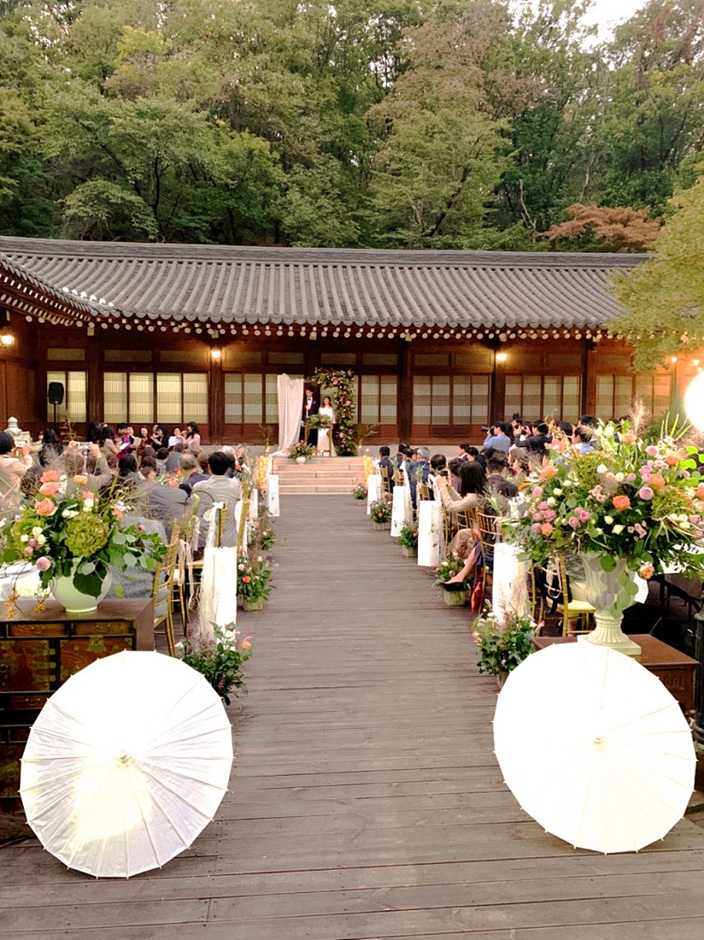
Seonungak is a hanok cafe facing Doseonsa Temple at the foot of Bukhansan Mountain, the perfect location to take in the beauty of the changing seasons. The cafe is also the largest hanok building outside of the royal palaces in Seoul. Previously limited to weddings and filming events, the hanok has reopened as a cafe, selling a range of traditional Korean drinks.
 English
 한국어
한국어 日本語
日本語 中文(简体)
 Deutsch
 Français
 Español
 Русский


