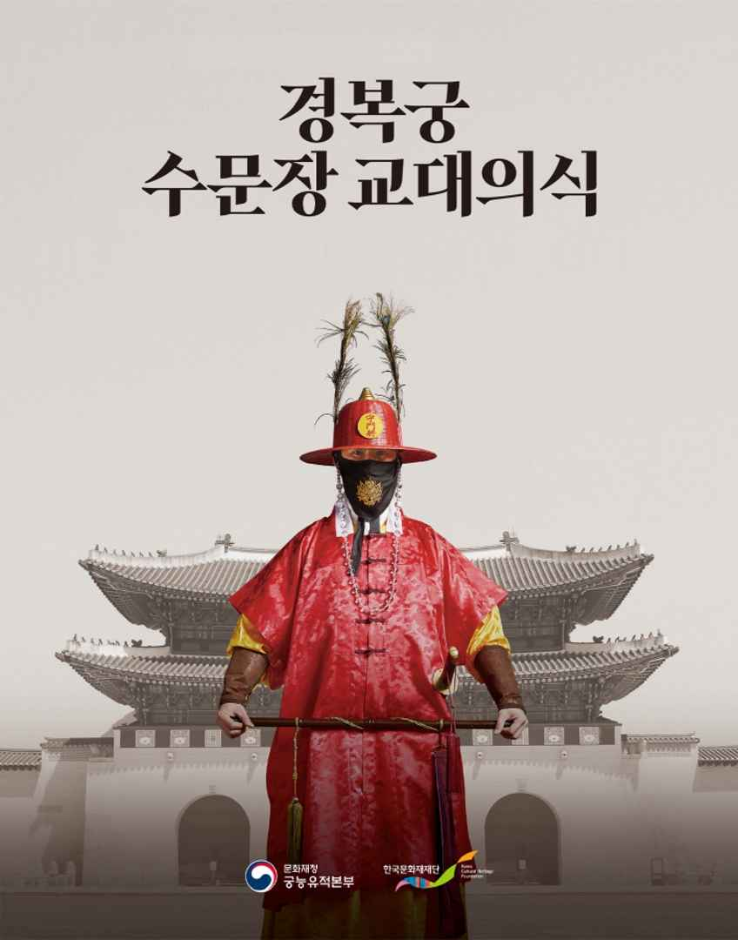
Palace Royal Guard Changing Ceremony (수문장 교대의식)
4.1Km 2025-07-11
161 Sajik-ro, Jongno-gu, Seoul
+82-2-3210-1645
In the Joseon dynasty, the royal guards of the palace were gatekeepers who were responsible for guarding the the main gates of Gyeongbokgung Palace as well as the main gates of the city such as Heunginjimun Gate and Sungnyemun Gate. The royal guards worked in shift duties and were in charge of opening and closing Gwanghwamun Gate. Before the royal guard system was enforced in 1469, the palace gates were protected by soldiers of the central army. The Palace Royal Guard Changing Ceremony held at Gyeongbokgung Palace and the Gwanghwamun area reenacts the guard-changing procedure that took place during the Joseon dynasty, along with the reproduction of costumes and weapons, based on historical records.
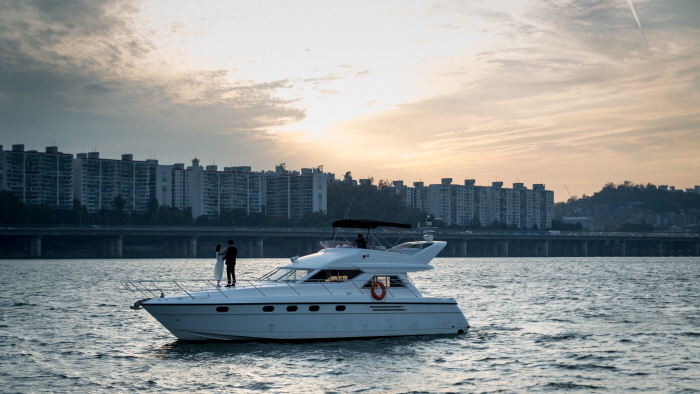
Golden Blue Marina (골든블루마리나)
4.1Km 2025-10-27
2085-14 Olympic-daero, Seocho-gu, Seoul
Golden Blue Marina, located on Some Sevit, is a cultural destination on the water, offering a unique way to enjoy views of Seoul along the Hangang River. This popular spot for parties and proposals helps you cruise through the city on a luxury yacht, creating a private retreat. In the evening, you can see the N Seoul Tower and the Rainbow Fountain illuminated by 200 lights, making it feel like you’re floating through the Milky Way.
◎ Travel information to meet Hallyu’s charm - variety show "Entertainment Weekly"
This is where the members of TWICE enjoyed a fall sports day at Banpo Hangang Park during their appearance on "Entertainment Weekly." The losing team rode a pedal boat, while the winners celebrated with a yacht ride, creating fun and memorable moments.
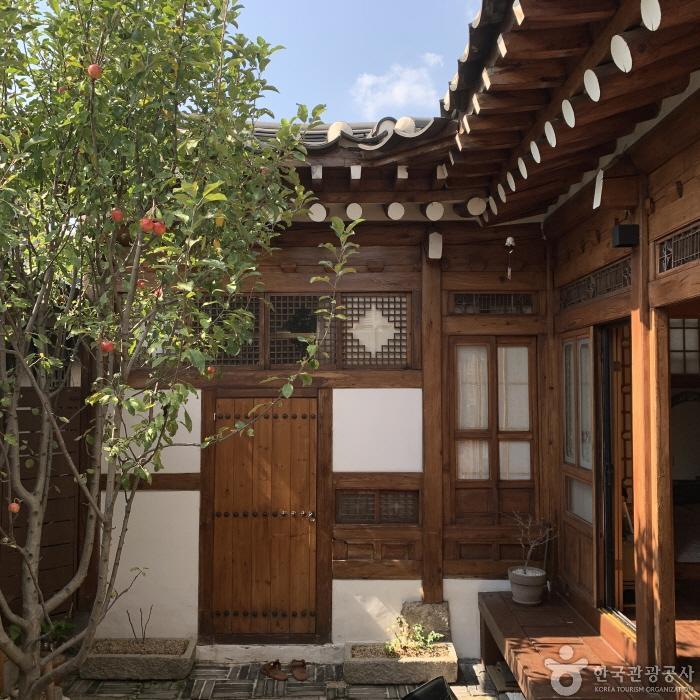
SOSO House (소소하우스)
4.1Km 2024-12-13
16-5 , Pirundae-ro 5ga-gil, Jongno-gu, Seoul
Soso House is a private hanok stay located in Seochon, Jongno-gu, Seoul. Once you enter the gate, you are greeted by a small yard paved with stones and an alpine apple tree. There is a stool on one side of the yard where you can enjoy a cup of tea on a sunny day. In the daecheong maru (wooden-floored hall, there is a master bedroom on one side and a kitchen on the other, and the master bedroom has an attic. Cooking is allowed, and complimentary breakfast includes toast, salad, and coffee, as well as complimentary homemade fruit syrup and tea bags. Gyeongbokgung Palace, Seoul Museum of History, and Park No-Soo Art Museum are all within walking distance.
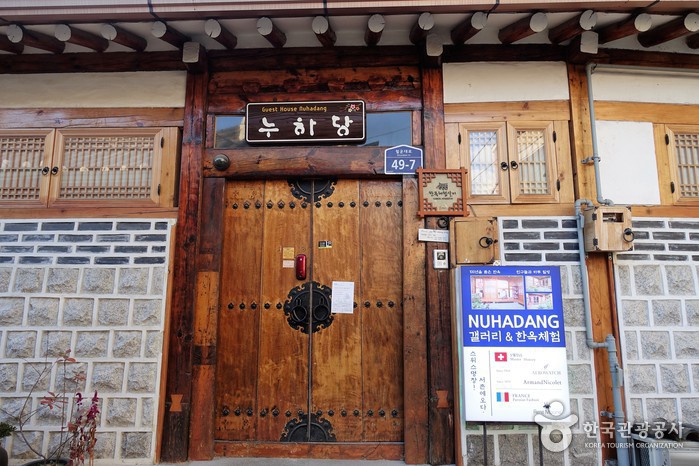
NUHADANG(누하당)
4.1Km 2024-06-20
49-7 , Pirundae-ro, Jongno-gu, Seoul
Nuhadang is a traditional hanok with over 100 years of history. It is located in a quiet spot in Seochon, Jongno-gu, Seoul, where many scholars and artists have lived since Joseon times. Rooms are wallpapered with eco-friendly Korean paper, and thick cotton blankets and cypress pillows will sooth travelers' fatigue. In the yard and small garden you can experience traditional Korean culture: janggu drumming, the game of yunnori, and Hanbok clothing. Walking the streets of Seochon - past Yun Dong-ju's hostel, Park No-su's art museum, and Lee Sang's house - you can still feel the atmosphere of old Seoul.
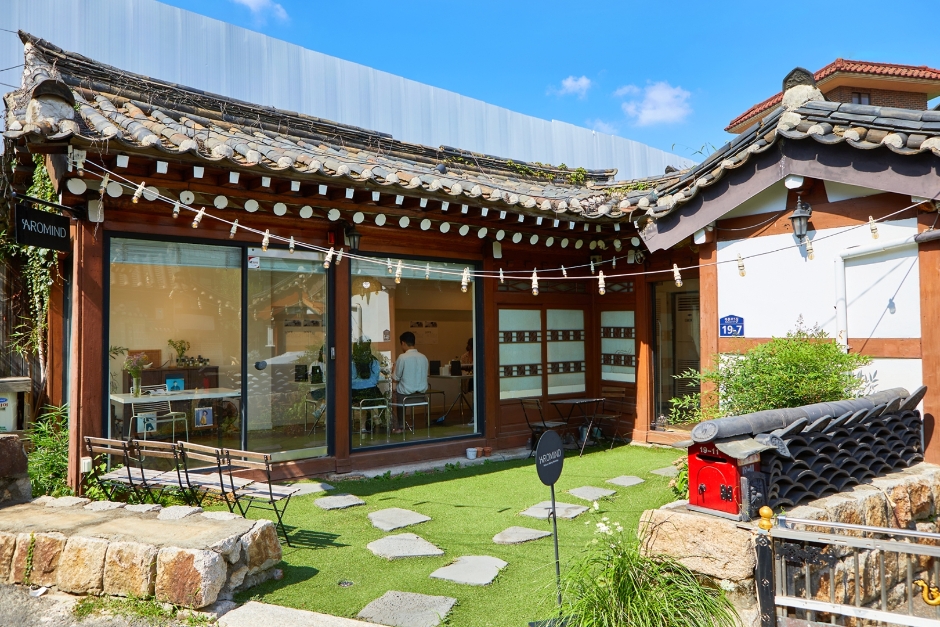
Aromind (아로마인드)
4.1Km 2024-01-30
19-7 Bukchon-ro 5-gil, Jongno-gu, Seoul
Aromind is a perfume workshop that offers a perfume-making experience with a professional perfumer in a quiet hanok building. Visitors can create their own one-of-a-kind perfume by choosing three out of 30 different scent options that change on a seasonal basis. A perfume one-day class is held for one to eight people for one to one and a half hours. The fee for the experience includes a 50 ml product and a 10 ml sample. They also offer the class in Korean with English interpretation when there non-Korean speaking participants. Aromind is the perfect place to create your own scent to associate your memory of Korea.

G-line Book Street (경의선책거리)
4.1Km 2024-03-19
35 Wausan-ro 37-gil, Mapo-gu, Seoul
G-line Book Street spans approximately 250 meters from Exit 6 of Hongik University Station to Wau Bridge, where the old train tracks remain intact. It serves as a prominent cultural hotspot in Hongik University, housing various bookstores and cultural spaces selling books on diverse topics. Independent bookstores, children's bookstores, specialty bookshops, and art galleries converge in this area, offering a rich tapestry of literary experiences.
Chung-Ang Uiversity Hospital (중앙대학교병원)
4.1Km 2025-10-23
102 Heukseok-ro, Dongjak-gu, Seoul
Since its foundation in 1968, Chung-Ang University Hospital has been striving to contribute to the health and happiness of humanity by achieving the best in medical treatment, research, and education based on our core values of "professionalism, fairness, change/innovation, communication/harmony, and empathy/care.”
As a leader in severe disease treatment, we work with highly qualified medical staff and specialized professionals, receiving the top rating in all cancer procedures evaluated (colon, stomach, breast, and lung) by the Ministry of Health and Welfare and the Health Insurance Review and Assessment Service, and the top rating in the care appropriateness evaluation for acute stroke, coronary artery bypass, intensive care unit (adults and newborns), and hemodialysis.
In a “rating from visitor reviews” conducted by a major domestic portal site, we ranked first out of 13 major tertiary hospitals in Seoul, maintaining our reputation as the friendliest hospital in Korea trusted by patients.
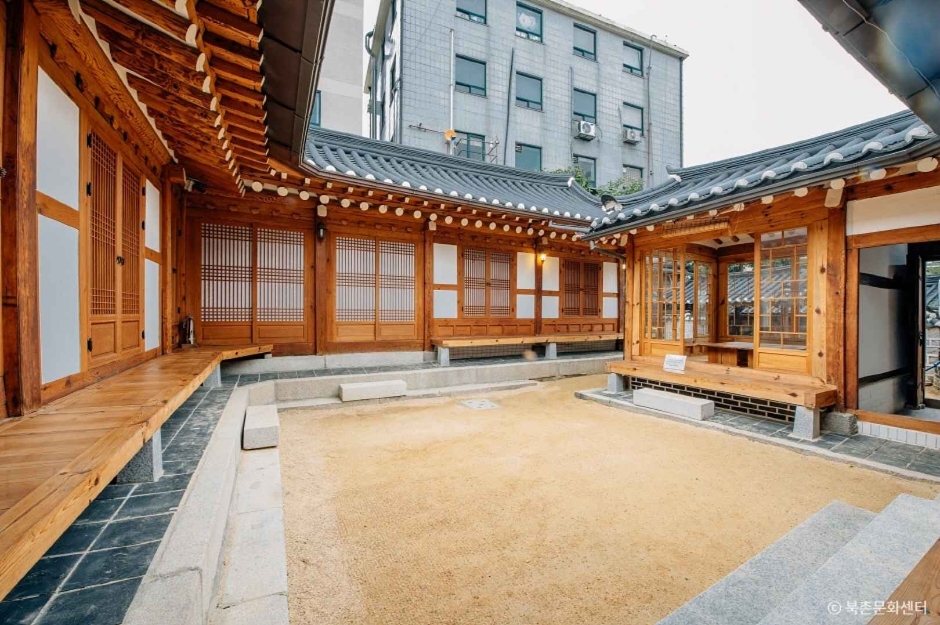
Bukchon Cultural Center (북촌문화센터)
4.1Km 2025-06-19
37 Gyedong-gil, Jongno-gu, Seoul
Bukchon Cultural Center, located in a hanok, was established to offer traditional cultural experience opportunities for visitors to the area. The programs include tea ceremony, handicraft, and gugak as well as a Public Relations Exhibition Hall introducing Bukchon culture and hanok. Also, the center houses a space and a pavilion for visitors to relax while traveling.
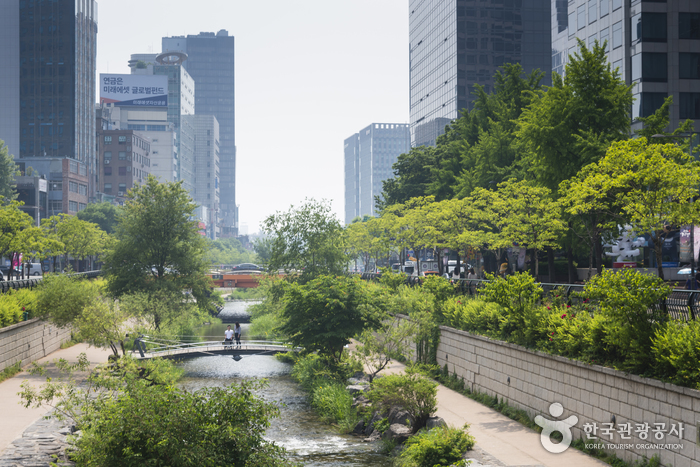
Cheonggyecheon Stream (청계천)
4.1Km 2024-05-16
Changsin-dong, Jongno-gu, Seoul
Cheonggye Plaza was built on Sejong-ro Street, where Cheonggyecheon Stream begins. It was built between Dong-A Ilbo, the starting point of the Cheonggyecheon Stream restoration, and Sindap Railroad Bridge, with a length of 160 meters, a x_width of 50 meters, and a total area of 6,962 meters squared. The plaza is decorated with fountains, waterfalls, and walking paths. It was created as a place for meetings, harmony, peace, and unification, to celebrate the significance of the restoration of Cheonggyecheon Stream. A miniaturized version of Cheonggyecheon Stream is displayed here, providing an overview of the restored stream. There are also interpretive panels about the 22 bridges that cross Cheonggyecheon stream. Fountains of various shapes create beautiful scenery. Cheonggyecheon Stream is accessible from the square through stairs on the left and Cheonggye Trail on the right. There is also an 18-meter tunnel on the Cheonggye Trail, providing a unique experience for citizens entering Cheonggyecheon Stream from the plaza. After constructing Cheonggyecheon Plaza, the Seoul Metropolitan Government made it a car-free street on public holidays so that the plaza, waterside area, and streets could be used as cultural spaces for citizens to relax. A spectacular sight is created by three-color lights illuminating the fountains and a two-tiered waterfall coming down from a x_height of four meters. Palseokdam, made of eight stones from eight provinces in Korea, was laid along the waterfall's sides.
Eight Scenic Views of Bukchon (북촌 8경)
4.1Km 2024-03-18
37, Gyedong-gil, Jongno-gu, Seoul
The Eight Scenic Views of Bukchon can be found at the Bukchon Hanok Village between Gyeongbokgung Palace and Changdeokgung Palace. Bukchon was historically a district where the aristocracy of Joseon had resided in, so it is still home to a large number of traditional dwellings, called hanok in Korean. The eight views are as follows: No. 1, view of Chengdeokgung Palace; No. 2, view of Wonseo-dong Handicraft Road; No. 3, view of the Gahoe-dong area; No. 4, view from the hill at Gahoe-dong (Bukchon Observatory); No. 5, the view of the road uphill at Gahoe-dong; No. 6, the view of the road downhill at Gahoe-dong; No. 7, the view at house number (beonji) 31, Gahoe-dong; No. 8, the view of the stone stairway at Samcheong-dong.
 English
 한국어
한국어 日本語
日本語 中文(简体)
 Deutsch
 Français
 Español
 Русский


