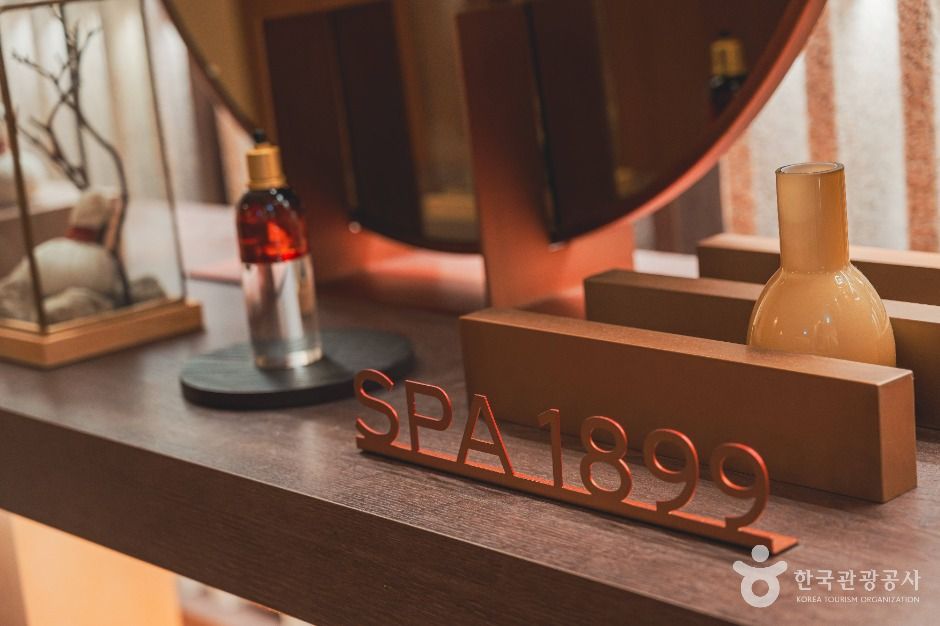
Spa 1978 Donginbi (SPA 1978 동인비)
13.8Km 2025-10-23
416 Yeongdong-daero, Gangnam-gu, Seoul
In traditional Korean medicine, summer is the season when one's energy is severely depleted as people tend to sweat a lot even with little movement. As you are more likely to feel fatigued and lose vitality, replenishing one's energy is crucial. According to Donguibogam, a traditional Korean medical encyclopedia, red ginseng is recommended for vitality. The book says red ginseng slows the aging process and boosts one's energy, helping you live longer. It's effective in restoring vitality and alleviating fatigue. Red ginseng is made by steaming ginseng for approx. 3 hours without peeling it and then letting it dry slowly. This steaming and drying process reduces ginseng's sugar level while creating an active compound, which enhances its efficacy. Saponin, which is abundant in red ginseng, is known for boosting one's immunity and restoring vitality. Notably, ginsenoside helps with digestion, metabolism, and the absorption of nutrients, thereby restoring one's energy. SPA 1978 Donginbi, run by the premium red ginseng brand Jung Kwan Jang, is a specialized spa facility that uses beneficial red ginseng.

Junggok-dong Furniture Street (중곡동 가구거리)
14.0Km 2025-03-17
Cheonho-daero, Gwangjin-gu, Seoul
010-5508-0089
Junggok-dong Furniture Street stretches between Achasan Subway Station and Gunjagyo Bridge, hosting a concentration of furniture stores on either side of the main road. This area accommodates a diverse range of furniture stores, featuring well-known domestic and international brands alongside smaller and medium-sized furniture shops. It serves as a convenient destination for customers to compare and purchase various furniture items, including beds, sofas, dining tables, wardrobes, chairs, and interior accessories, all within close proximity. The accessibility to Gunja Subway Station makes it easily reachable via public transportation.
Songa Myeonok (손가면옥)
14.1Km 2024-10-15
313 Sinheung-ro, Wonmi-gu, Bucheon-si, Gyeonggi-do
Established in 1994, Songa Myeonok is a renowned naengmyeon (cold buckwheat noodles) restaurant in Bucheon. Its signature dishes include bibim naengmyeon (spicy buckwheat noodles) and hoe naengmyeon (cold buckwheat noodles with raw fish). These dishes are celebrated for their chewy noodles and a refreshing blend of sweet and sour seasonings. Boasting a spacious parking lot and a comfortable interior, the restaurant is a popular choice for family outings and group gatherings.
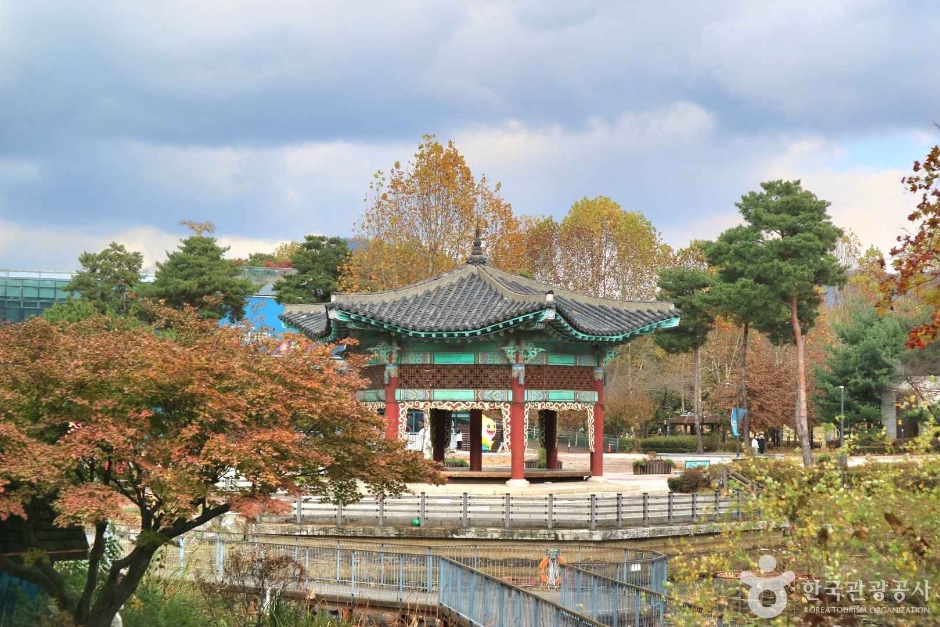
Seoul Children's Grand Park (서울어린이대공원)
14.1Km 2024-11-28
216 Neungdong-ro, Gwangjin-gu, Seoul
Opened in May 1973, Seoul Children’s Grand Park is a theme park situated among green forests and fields with a total area of 56,552㎡. It contains a zoo, arboretum, amusement park, and performance venues. Seoul Children’s Grand Park has been a beloved part of Seoul, a paradise for children and a living venue for education. For grown-ups, it functions as an area of refuge and culture within the city. The Grand Park offers facilities that everyone in the family can enjoy, so everyone can find their own fun in the Grand Park.
Seoul Hiking Tourism Center - Bukhansan Branch (서울도심등산관광센터(북한산))
14.1Km 2024-03-05
5F, 181-7 Ui-dong, Gangbuk-gu, Seoul
+82-1533-2608
The Seoul Hiking Tourism Center is located 5 minutes on foot from Exit 2 of Bukhansan Ui Station and provides various services to hikers. It provides hiking course guidance and information (available in Korean, English, Chinese, and Japanese) about the mountains of Seoul, including Bukhansan, Bugaksan, and Inwangsan Mountains, as well as promotional materials such as Seoul hiking tourism guidebooks and maps. Also, it operates hiking tour programs with various themes every week for foreigners and offers hiking gear rental services such as hiking boots, hiking attire, trekking poles, gloves, and crampons for foreigners. (Koreans accompanied by foreigners can also rent the gear.) In addition, there is a storage locker and lounge for visitors, so they can pack up and rest before hiking.
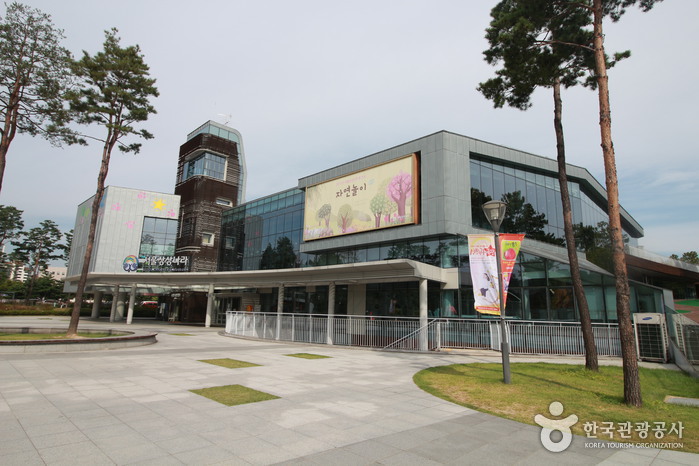
Seoul Children's Museum (서울상상나라)
14.1Km 2024-03-07
216 Neungdong-ro, Gwangjin-gu, Seoul
+82-2-6450-9500
Seoul Children's Museum is a multifaceted cultural space established in 2013 to foster children's creativity and imagination. Spanning from the basement floor to the third floor, it boasts over a hundred interactive exhibits. These exhibits cover a wide range of areas including art, imagination, thought, and physical play, organized into ten distinct zones. It's a popular destination where children can learn and expand their imagination through play. Advanced booking is required, and reservations can be made through the website.
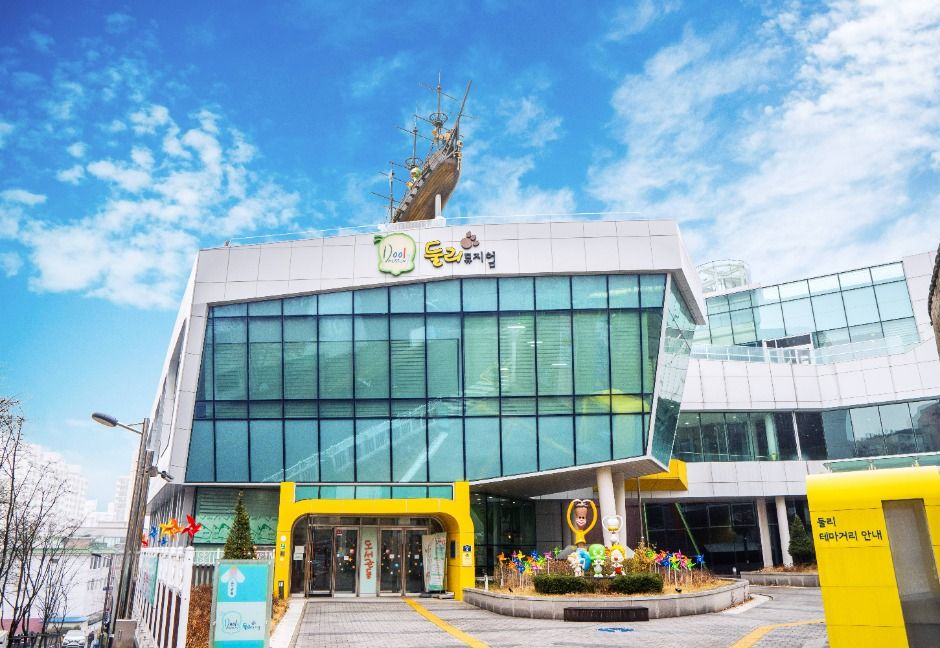
Dooly Museum (둘리뮤지엄)
14.1Km 2025-03-31
6 Sirubong-ro 1-gil, Dobong-gu, Seoul
Dooly Museum is Korea's first museum to be dedicated to a single character. The museum is dedicated to Dooly, the main character from the Korean cartoon series "Dooly the Little Dinosaur." The cartoon was published as a series on a comic magazine called "Bomulseom" from 1983 to 1993, following Dooly's adventure that begins from his arrival to Ssangmun-dong inside a glacier from the Ice Age. Inspired by the series, this interactive museum was founded in Ssangmun-dong and explores the value and meaning of the hit series through the expansion of its works such as the animation series, character merch, and other media sources.
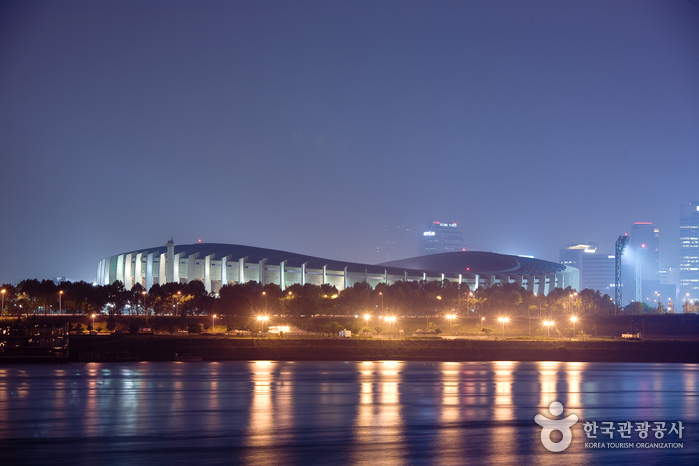
Seoul Sports Complex (Jamsil Sports Complex) (서울종합운동장(잠실종합운동장))
14.2Km 2024-12-02
25 Olympic-ro, Songpa-gu, Seoul
Seoul Sports Complex, located in Songpa, Seoul, hosted the 1986 Asian Games and the 1988 Summer Olympics. It consists of a main stadium, a baseball stadium, an indoor stadium, a students' gymnasium, an indoor swimming pool, and auxiliary stadiums. It serves as the venue for professional baseball and basketball games in Korea, as well as frequent K-pop concerts. Conveniently linked to subway lines 2 and 9, it offers easy access for visitors.
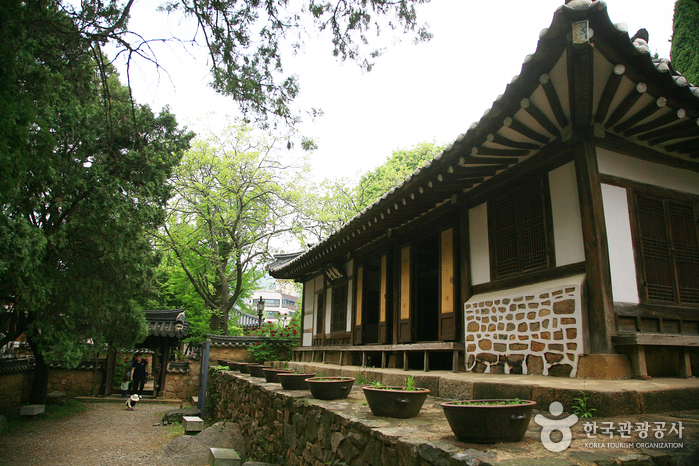
Chunghyeon Museum (충현박물관)
14.2Km 2021-08-02
5-6, Ori-ro 347beon-gil, Gwangmyeong-si, Gyeonggi-do
+82-2-898-0505
The Chunghyeon Museum preserves the legacy of the respected scholar Ori Lee Wonik. The museum's logo is inspired by the scholar's signature on a letter that he wrote four years before his death, addressed to his son Lee Uijeon, grandson Lee Suyak, and successive descendants. Visitors can see various artifacts and ruins related to Lee Wonik.
Seoul Doseonsa Temple (도선사(서울))
14.2Km 2025-06-25
504 Samyang-ro 173-gil, Gangbuk-gu, Seoul
Doseonsa Temple was established 1,100 years ago during the latter part of the Silla Kingdom when the renowned Buddhist priest Doseonguksa was traveling through the mountains. After visiting the site, Doseonguksa made a prophecy that led to the construction of the temple. According to legend, he used only his walking stick to carve the large Bodhisattva that sits at the temple. Interestingly enough, the statue does not show any evidence of chisel marks, further adding to the mystery of how the statue was made.
During the 7th year of King Gwangmu of the Joseon dynasty, Doseonsa Temple was officially named the representative temple of Korea with the purpose of promoting Cheongdamdaejongsa's Korean Buddhism movement, aiming at a religious revival. Due to these special circumstances Deseonsa Temple gained a high reputation and much recognition, which have held strong to this day.
Inside the temple, visitors can view the remains and written works of Cheongdamdaejongsa in the Cheongdamdaejongsa Memorial Hall. Next to the road leading to Cheonbuljeon Hall is a pond where you can toss a coin and make a wish and just past Yongammun Gate is a hiking path connecting Baegundae Cliff and Insubong Peak. Inside the Ksitigarbha Hall are portraits of President Park Chung-hee, Yuk Yeong-su, and Hyundai Chairman Chung Ju-yung. In front of the hall is a tree that is said to have been planted by a Buddhist priest who brought it from India 200 years ago. Historical artifacts can be found throughout the temple.
 English
 한국어
한국어 日本語
日本語 中文(简体)
 Deutsch
 Français
 Español
 Русский


