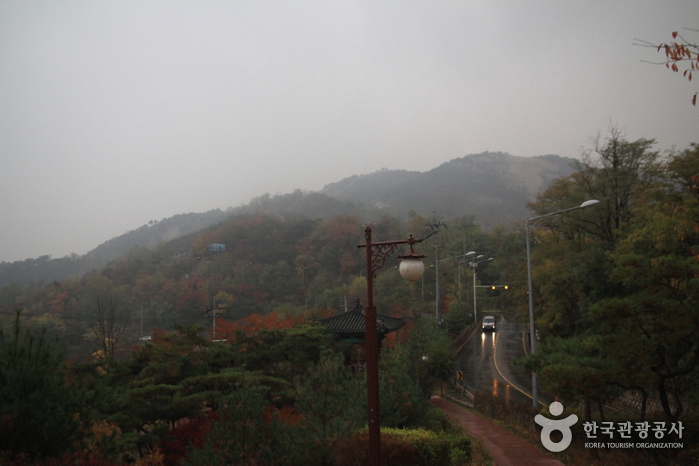
Inwangsan Mountain (인왕산)
4.5Km 2024-03-04
San 2-1, Muak-dong, Jongno-gu, Seoul
+82-2-2148-2834
Inwangsan Mountain is a rocky mountain located to the northwestern side of Seoul. It stands 338m tall. The Seoul City Wall is built along its ridge, connecting to the Baegak Mountain Trail. From the summit, one can see the three mountains of Naksan Mountain, Namsan Mountain, and the Bugaksan Mountain surrounding the historical center of Hanyang, the historical name for Seoul in Joseon period, with the Gyeongbokgung Palace at the center. There are five hiking trails, all taking about two hours to complete. It takes about three hours if you want to visit all the peaks of the mountain.
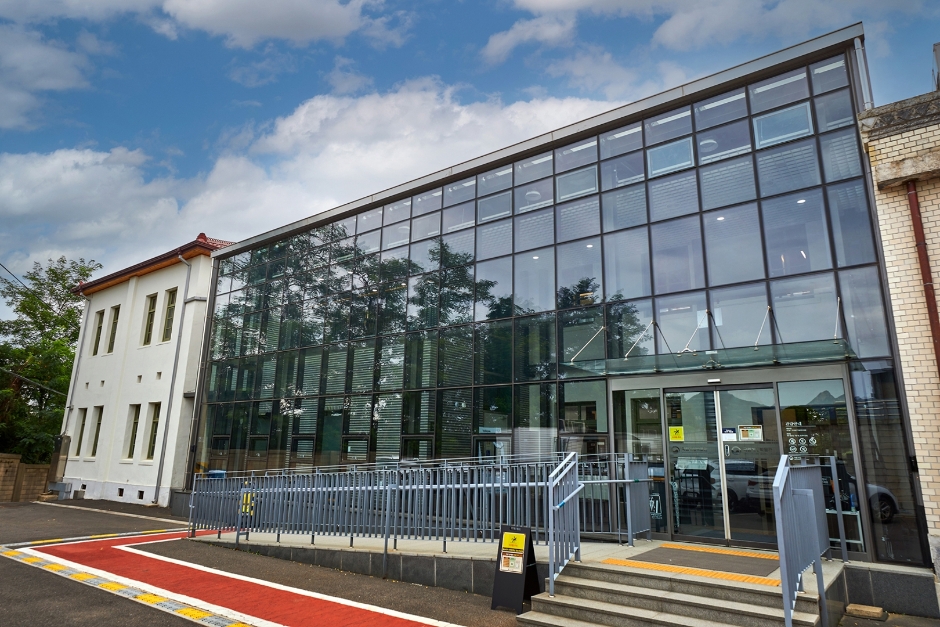
National Meteorological Museum of Korea (국립기상박물관)
4.5Km 2024-03-26
52 Songwol-gil, Jongno-gu, Seoul
A museum where one can look at Korea's meteorological observation history and technological development through exhibitions. The museum has the world's first rain gauge, invented in 1441, in the early Joseon dynasty. The museum operates approximately 350 meteorological observatories across Korea and focuses on promoting the uniqueness and excellence of Korea's meteorological science. There are permanent collections and special exhibitions. The permanent collections focus on the history of meteorological science in Korea. At the same time, the special exhibitions take a closer look at the history and information about meteorological science and natural disasters (e.g., earthquakes) that occurred in various regions of Korea. There are experience programs related to meteorological science, such as making a rain gauge or learning about rain gauges.
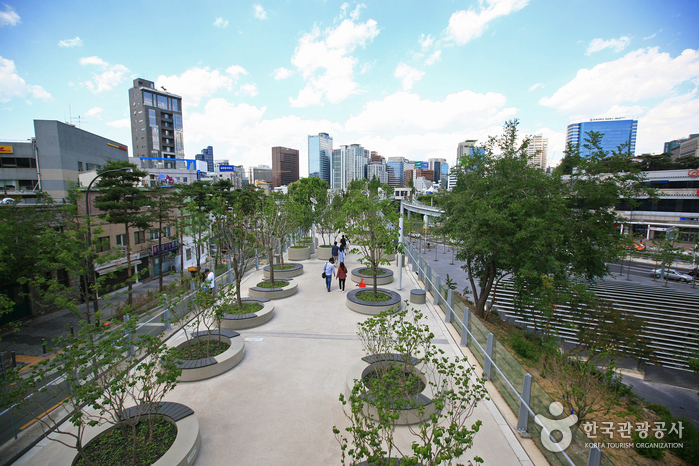
Seoullo 7017 (서울로 7017)
4.5Km 2025-10-24
405, Hangang-daero, Jung-gu, Seoul
+82-2-120
Originally opened in 1970, Seoullo 7017 was an elevated road that crossed over the Seoul Station railway, but when it became dilapidated and unusable for traffic, it was converted into a park in 2017. It is about 17 metres above the ground and offers a panoramic view of the Seoul Station Railway and the city of Seoul. It is directly connected to Seoul Station.
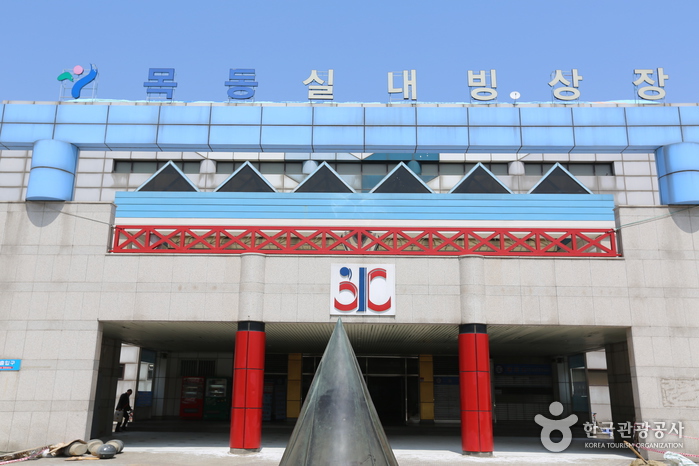
Mokdong Ice Rink (Indoor) (목동아이스링크(실내))
4.5Km 2021-04-08
939, Anyangcheon-ro, Yangcheon-gu, Seoul
+82-2-2649-8454
Mokdong Ice Rink was built with international competitions in mind. Two rinks are available making it possible for visitors to use even during competition days. Store selling skate equipment as well as restaurant and snack bar are available within the facility.
![Olive Young - Sookmyung Women’s Univ. Branch [Tax Refund Shop] (올리브영 숙대)](http://tong.visitkorea.or.kr/cms/resource/25/2889625_image2_1.jpg)
Olive Young - Sookmyung Women’s Univ. Branch [Tax Refund Shop] (올리브영 숙대)
4.5Km 2024-04-18
19, Cheongpa-ro 45-gil, Yongsan-gu, Seoul
-

Homeplus - Yeongdeungpo Branch [Tax Refund Shop] (홈플러스 영등포)
4.5Km 2024-04-22
42, Dangsan-ro, Yeongdeungpo-gu, Seoul
-
Olive Young - Homeplus Yeongdeungpo Branch [Tax Refund Shop] (올리브영 홈플러스영등포)
4.5Km 2024-04-23
42, Dangsan-ro, Yeongdeungpo-gu, Seoul
-
SEVEN LUCK CASINO - Seoul Dragon City Branch (세븐럭카지노(서울드래곤시티점))
4.5Km 2023-07-21
95, Cheongpa-ro 20-gil, Yongsan-gu, Seoul
A special experience at the center of Seoul
Seven Luck Casino in Seoul Dragon City is located in Yongsan, Seoul, the center of Korean tradition and culture. This casino branch presents a grand x_height and wide space, decorated with a sensual interior design for elegance and comfort on a site of 3,146.96 m2. It is full of up-to-date casino facilities, such as Baccarat, Blackjack, Roulette, Tai-Sai, Seven Luck Poker, Casino War, Electronic Table Games (ETG), and slot machines. There are many famous hotels, tourist sites, and cultural heritage sites nearby Seven Luck Casino in Seoul Dragon City. Besides the casino, visitors can experience various traditional and contemporary cultures of South Korea.
* Seven Luck Casino is exclusively for the use of foreigners.
* Must be 19 years of age or older to enter.
* Passports are required to verify the age and nationality of patrons.
* Metal detectors are used as an added safety precaution.
![Cloche Jewelry - Yongsan Branch [Tax Refund Shop] (클로체 용산점)](http://tong.visitkorea.or.kr/cms/resource/80/2887780_image2_1.jpg)
Cloche Jewelry - Yongsan Branch [Tax Refund Shop] (클로체 용산점)
4.5Km 2024-04-16
95, Cheongpa-ro 20-gil, Yongsan-gu, Seoul
-
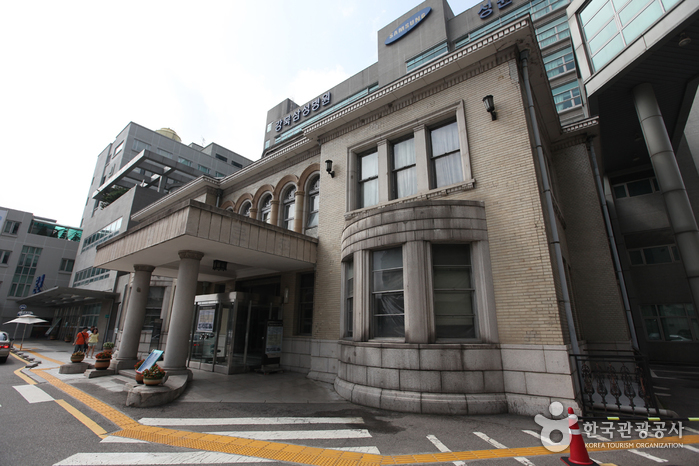
Seoul Gyeonggyojang House (서울 경교장)
4.5Km 2021-09-15
29, Saemunan-ro, Jongno-gu, Seoul
+82-2-735-2038
Gyeonggyojang House, a designated Historic Site, was the location of the provisional government and the place where Baekbeom Kim Koo passed away. Seoul reproduced the historical site, Gyeonggyojang House, to use the area as an educational site. Also, the house exhibits the history of the provisional government in order to see the history more clearly.
Restoration work included the demolition of the interior that was changed when the building was turned into a hospital facility and embassy after Kim Koo passed away in 1949. During the work, the remaining parts were maintained with the utmost care. Reconstructed parts were based on the building's floor plan written in Chosun and Architecture (8th edition in 1938). Visitors can see various contents related to the Korean Provisional Government history through relics, video, and information searching corners.
 English
 한국어
한국어 日本語
日本語 中文(简体)
 Deutsch
 Français
 Español
 Русский


