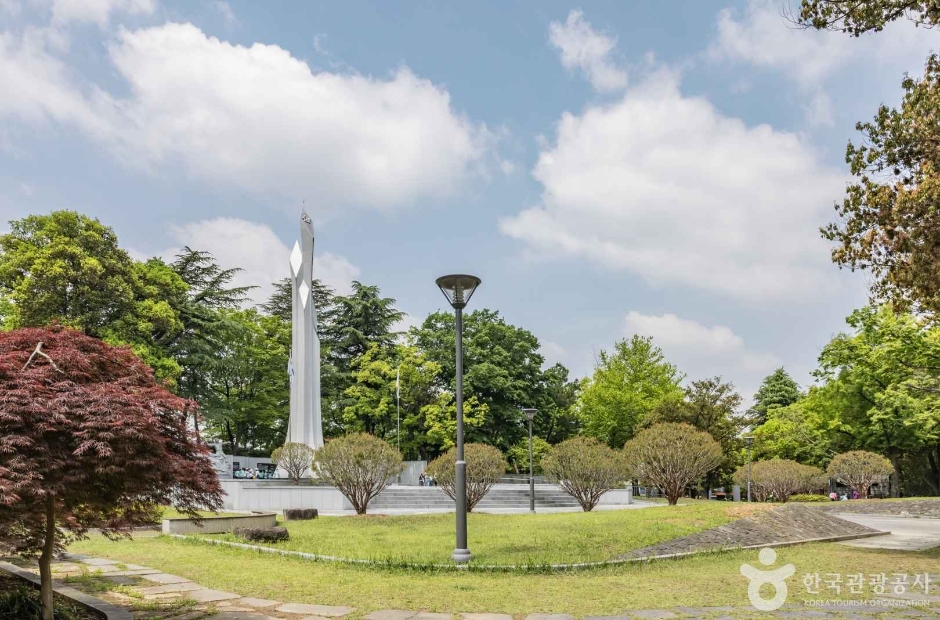
Gwangju Park (광주공원)
752.6M 2025-08-06
15 Jungang-ro 107beon-gil, Nam-gu, Gwangju
Gwangju Park, an urban Park in Gwangju, is a popular recreational spot among residents. Home to a memorial tower honoring the victims of the April 19 Revolution, Gwangju Municipal Museum, and a citizens’ hall, the park is a space where traditions and modernity coexist. Filled with trees and flower plants, it boasts beautiful scenery, especially in April, when cherry blossoms adorn the park. Nearby attractions include Gwangju Sajik Park, Asia Culture Center, and Gwangju Yangdong Market, with a stream flowing in front of the park.
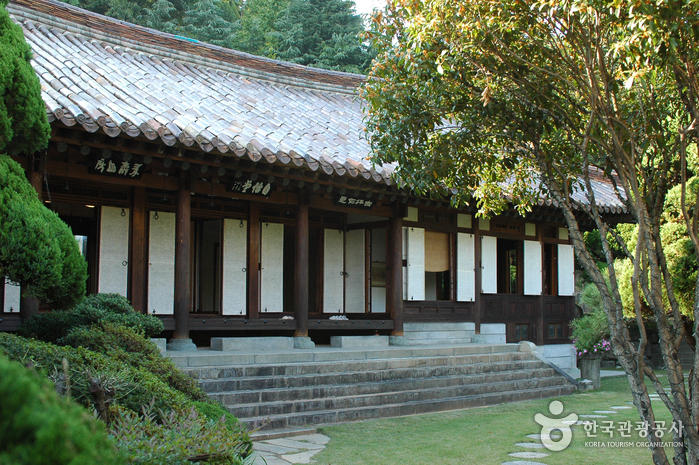
House of Choi Seung-hyo (최승효가옥)
756.6M 2023-03-08
29-4, Yangchon-gil, Nam-gu, Gwangju
+82-62-607-2332
The House of Choi Seung-hyo is a traditional residential building located on the southeastern slopes of Yangnimsan Mountain. The rectangular building is open to the east, has 8 kan (the space between two pillars) in the front and 4 kan to the sides, and is graced by a traditional hipped and gabled roof. Since the building was constructed in the 1920s, it offers a valuable glimpse into the architectural style of Korean houses at the end of the Japanese colonial period. Choi Sang-hyeon was an activist who offered his attic as a place of refuge for other activists.
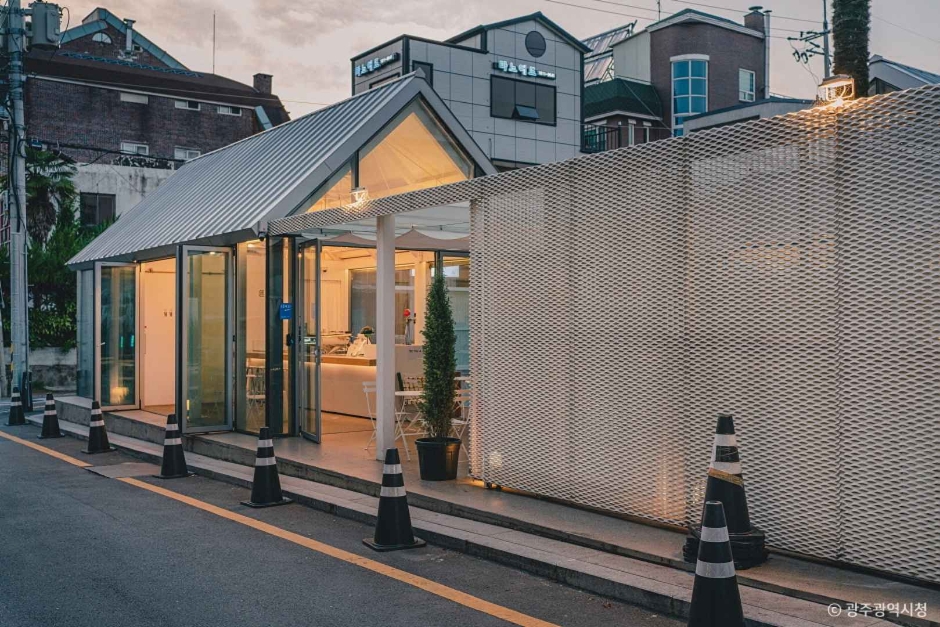
Dongnidan-gil Cafe Street (동리단길 카페거리)
757.5M 2025-08-06
Dongmyeong-dong, Dong-gu, Gwangju
Dongridan-gil Cafe Street, once an affluent neighborhood filled with opulent homes and traditional hanok houses, is now a popular attraction in Gwangju. The street is lined with various cafes, each boasting its own unique menu and interior, perfect for those seeking unique menus and picture-worthy spots. Surrounding the Cafe Street, there are many parks, wall murals, and art installations, making it an ideal place for a leisurely stroll or a relaxing break.

Han Hee-won Art Museum (한희원미술관)
765.0M 2023-01-25
27-6, Yangchon-gil, Nam-gu, Gwangju
+82-62-653-5435
Han Hee-won Art Museum is a small hanok art museum in the back alley of Yangnim-dong.
Painter Han Hee-won grew up in Yangnim-dong, where he was influenced as a painter. In July 2015, he purchased a small hanok between the House of Yi Jang-u and the House of Choe Seunghyo and transformed it into an art museum to preserve and show the spirit of love, comfort, and art in his hometown, Yangnim-dong. An art museum with a low threshold approaching citizens with a humble mind, Han Hee-won Art Museum is open to anyone. Feel free to visit, appreciate the paintings, and be comforted through art.
Yangnim-dong Penguin Village Craft Street (양림동 펭귄마을공예거리)
785.8M 2025-10-24
92-8 Baekseo-ro, Nam-gu, Gwangju
Yangnim-dong Penguin Village Craft Street is a narrow alleyway located behind the Yangnim-dong Community Center. The village, named because of the way the elderly residents appear to waddle like penguins, has become an exhibition space of life in the 70s and 80s. Villagers cleaned up empty houses that had been burnt down and left unattended in the past, brought discarded items, and began displaying them on the village walls. "Let's be thankful for living at that time" was engraved on the village wall. It also has historical culture, such as the House of Choe Seunghyo, the House of Missionary Uilsa, and Owen Memorial Hall. The Penguin Jumak in the middle of the village was the residents' gathering place, selling small but necessary items. Various workshops, such as leather workshops, textile workshops, and carpentry workshops, are located on Craft Street, so you can purchase pretty crafts or experience upcycling crafts with a retro vibe in which the historical and the modern coexist.
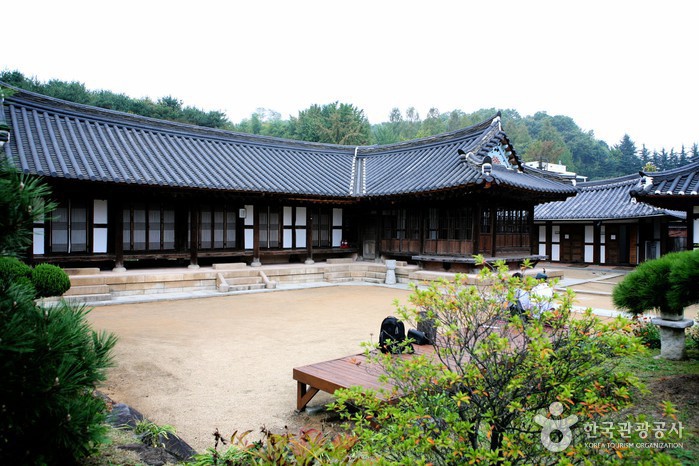
Lee Jang-woo's House (이장우 가옥)
813.3M 2025-10-23
21 Yangchon-gil, Nam-gu, Gwangju
+82-62-651-9020
Designated the first Gwangju Folk Material on March 20, 1989, Lee Jang-woo's House is an upper-class, tile-roofed house with a gate, storeroom, servants’ quarters, detached building, and main building. The building is estimated to have been constructed in 1899 and is overall a sturdy example of Korean architecture, well-preserved in its original state. The L-shaped main hall of the historic building is rather large and consists of (left to right) a wooden verandah, a small room, a hall, the main room, a kitchen, and another small room. The room doors are double doors with a sliding door on the inside and a hinged door on the outside. The hall also has partitions that can be hung up as necessary.
◎ Travel information to meet Hallyu’s charm - movie "Meet the In-Laws"
This hanok served as Hyeon-joon’s (played by Song Sae-byeok) family home in Jeolla-do in the movie "Meet the In-Laws." With its well-preserved architecture and traditional Korean garden, it captures the elegance and charm of early modern Korea.
Sajik Forest of Light (사직 빛의 숲)
817.4M 2024-12-11
49 Sajik-gil, Nam-gu, Gwangju
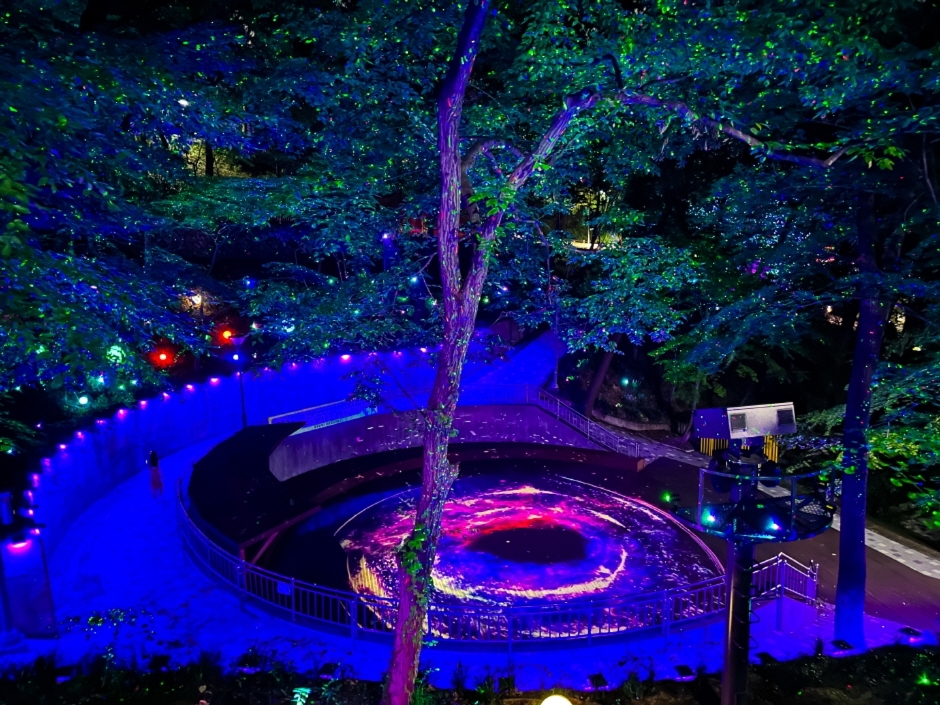
Located within Sajik Park, the Forest of Light is a popular night view spot with a fantastic media art that incorporates historical themes of Gwangju. The space features a combination of lighting, video, and music to create multimedia contents, offering a variety of experiences and attractions through interactive art that responds to people's movements. The observation tower hosts a light show, and visitors can enjoy video contents through an AR telescope.
Gajokhwegwan (가족회관)
819.9M 2024-12-04
50 Dongmyeong-ro, Dong-gu, Gwangju
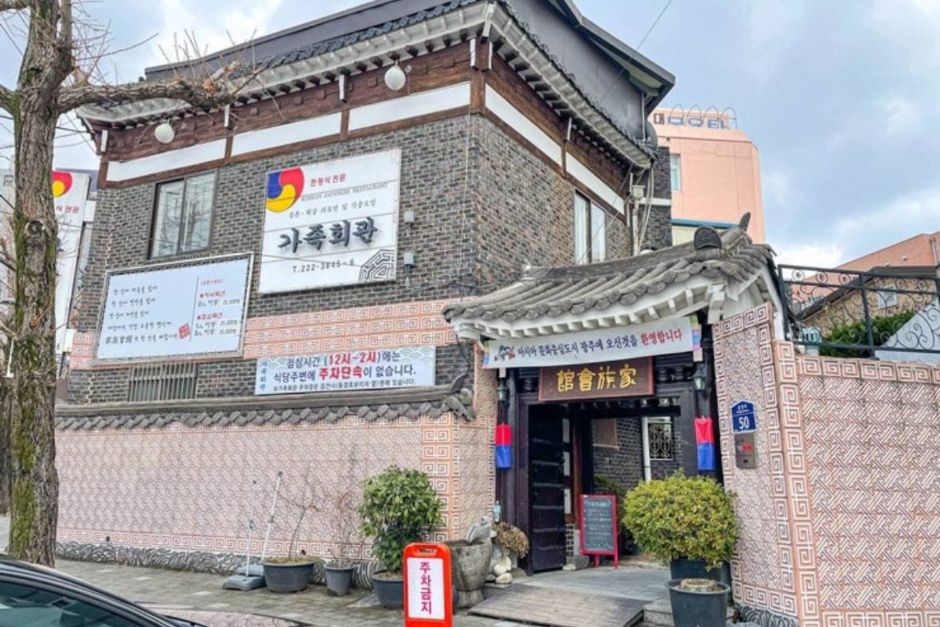
Gajokhwegwan is a Korean table d'hote restaurant with 36 years of tradition. Visitors can experience the charms of Jeolla Province style food that only uses fresh ingredients in season. There are both private rooms and large group seats to enjoy the meal.
Gwangjuhyanggyo Confucian School (광주향교)
820.5M 2025-02-04
5 Jungang-ro 107beon-gil, Nam-gu, Gwangju-si
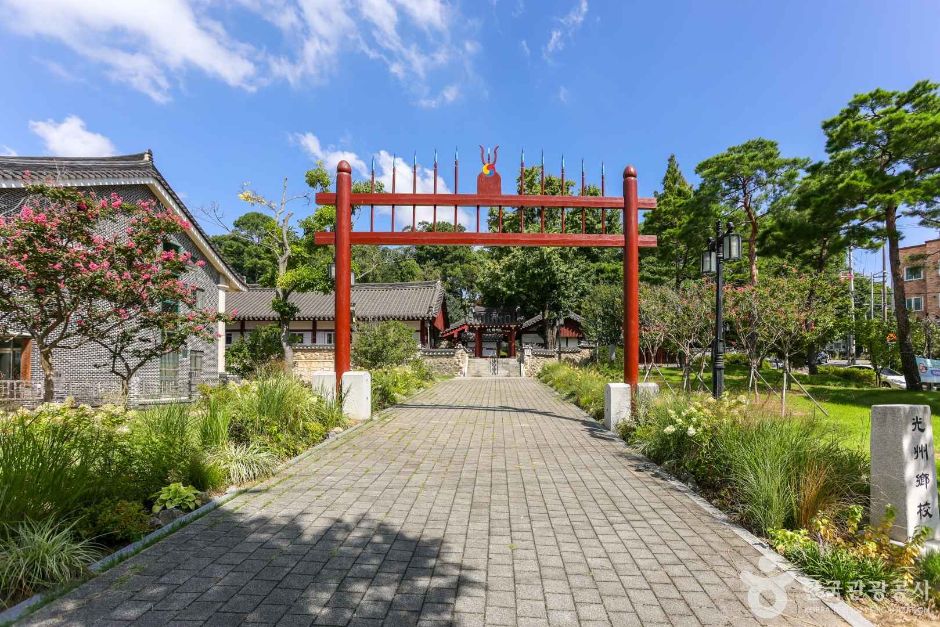
Hyanggyo was a national educational institution during the Joseon dynasty, where the tablets of distinguished Confucian scholars were enshrined, and rituals were held in their honor. In spring and fall, it hosts Seokjeon, a ritual honoring Confucius, along with Seodang (traditional Confucian school) experiences and traditional weddings, offering opportunities to immerse in Confucian culture. In summer, crape myrtle flowers bloom, and in fall, the old ginkgo tree turns golden yellow, beautifully contrasting with the traditional Joseon-style hanok architecture.
Gwangju Sajik Park (사직공원 (광주))
844.5M 2022-08-05
49, Sajik-gil, Nam-gu, Gwangju
+82-62-652-3236
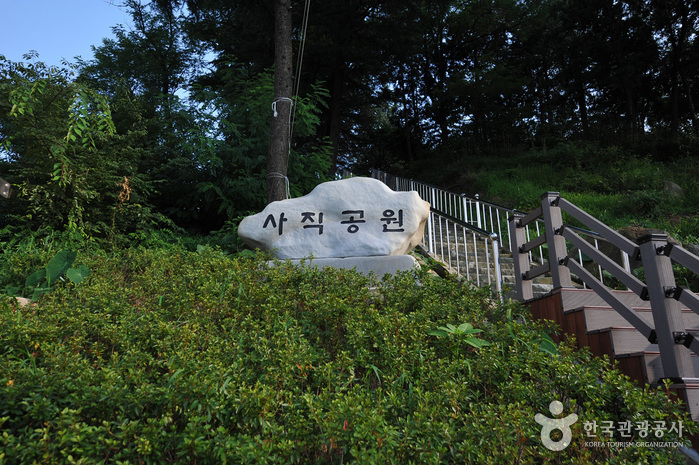
Sajik Park is located at the previous site of Sajikdan Altar, a ritual site to pray for peace and prosperity during the Three Kingdoms Era. In the 1960s, the site was home to Sajik Zoo, with the ritual being abandoned in 1894 and the altar in disrepair. However, in 1991, it was decided to move the zoo to another location and begin restoring the site. It was reopened in April 1994, 100 years after the last ritual.
Sajik Park is landscaped with various trees and flower beds. The park blooms pink and white with cherry blossoms annually in mid-April. During this time, the municipality of Gwangju installs lighting in the trees for citizens to enjoy the blossoms late into the night. The park has become established as a favorite rest area for Gwangju citizens. The park houses several attractions including Gwangju Broadcast Station (KBS), Memorial Tower for Policemen, Yangpajeong Pavilion, and Palgakjeong Pavilion overlooking downtown Gwangju.
 English
 한국어
한국어 日本語
日本語 中文(简体)
 Deutsch
 Français
 Español
 Русский


