
Daegwang Sikdang (대광식당)
6.8Km 2025-01-22
15 Sangmu-daero 695beon-gil, Seo-gu, Gwangju
Originally famous for its yukjeon (Pan-fried Battered Beef) in Chungjang-ro, this restaurant has since expanded and relocated to the Sangmu district. It boasts an impressive, upscale interior and is known for preparing all of its side dishes in-house. For a complementary dish to pair with yukjeon, the maesaengi tteokguk comes highly recommended.
Namdo Folk Food Exhibition Room & Honam Cultural Material Pavilion (남도향토음식박물관·호남문화자료전시관)
6.9Km 2021-11-27
477, Seoljuk-ro, Buk-gu, Gwangju
+82-62-410-6642
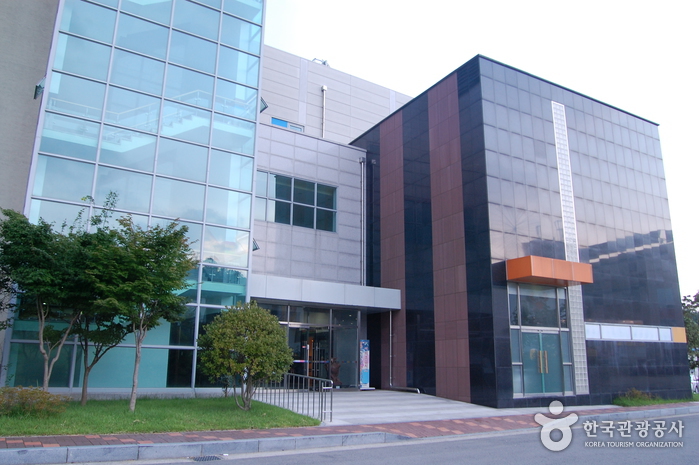
Located in Gwangju, the Namdo Folk Food Exhibition Room was established to preserve and promote the local foods of the Namdo region. The museum has a museum shop, both permanent exhibitions and special planned exhibitions, and a studio where visitors can watch a variety of video content related to the local foods. In the Honam Cultural Material Pavilion, literature, clothing, and artwork from the region are on display.
The museum building was designed to resemble both the long, rectangular presses used to make patterned rice cakes and the Ipseokdae Rock of Mudeungsan Mountain, a symbol of Gwangju. Even the colors of the building’s walls hold special significance. The obangsaek (five colors; blue, white, red, black, and yellow) symbolize the cardinal directions, the seasons, the major organs in the body, different tastes, feelings, and philosophy.
Tate Modern (테이트모던)
6.9Km 2024-02-14
24 Sangmu-daero 673beon-gil, Seo-gu, Gwangju
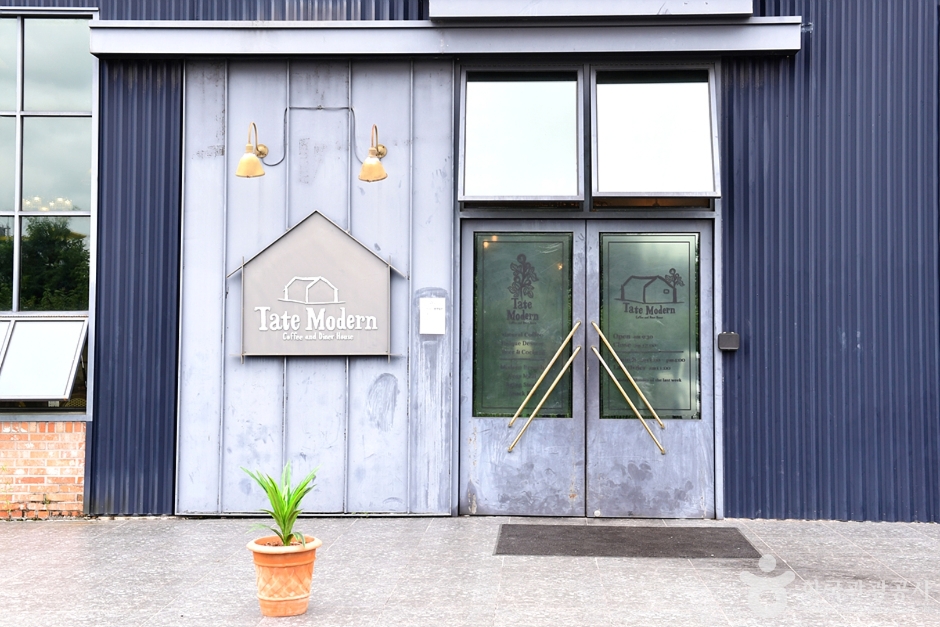
Tate Modern, which opened in 2018 as a dining café in the Sangmu District of Gwangju, is known for its signature dish, the Nongbu Salad (chicken breast salad). This dish is both filling and healthy, catering to health-conscious diners. In addition to salads, the café offers a variety of other options including brunch, pasta, steak, and an assortment of diverse dishes. Due to its popularity, reservations are required for seating, especially on weekends.
Gwangju Gongyeon Maru (광주광역시공연마루)
7.0Km 2025-03-15
3 Sangmusimin-ro, Seo-gu, Gwangju
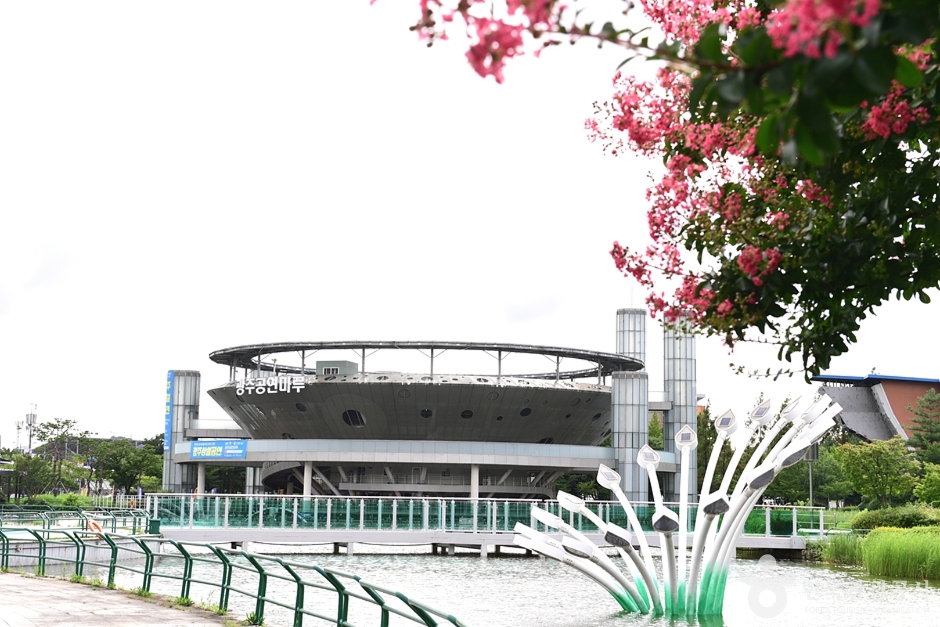
Gwangju Gongyeon Maru (Performance Maru) was the performance hall that was used during the World Photonics Expo 2010 Gwangju. After the Expo, the performance hall continued to host various events and performances. After becoming an official performance hall in 2014, it became a permanent performance hall of Gwangju in 2018 after a renovation.
Yeongsangang River Bike Road (영산강 자전거길)
7.8Km 2025-08-12
377 Seochangduk-gil, Seo-gu, Gwangju
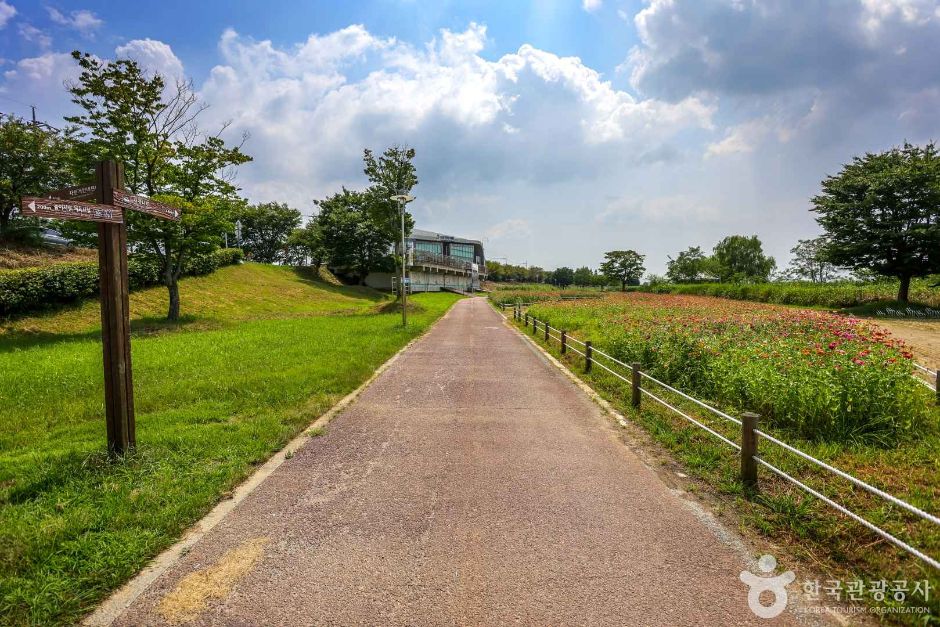
The Yeongsangang River Bike Road, stretching 133 kilometers along the Yeongsangang River in Gwangju, offers a scenic route. It winds past notable landmarks including the Seungchonbo Reservoir, Najudaegyo Bridge, Yeongsanpo Port, Hwangpo sailboat, Natural Dyeing Culture Center, and Naru Village. Along the path, riders can enjoy five of the most picturesque spots in Yeongsan. The starting point of the route, the Yeongsangang River Bike Road Information Center, provides free bicycle rentals and bike safety training.
![Uniqlo - Gwangju Yeonje Branch [Tax Refund Shop] (유니클로 광주연제)](http://tong.visitkorea.or.kr/cms/resource/23/2886823_image2_1.jpg)
Uniqlo - Gwangju Yeonje Branch [Tax Refund Shop] (유니클로 광주연제)
8.4Km 2024-04-17
2, Yeonyang-ro, Buk-gu, Gwangju
-
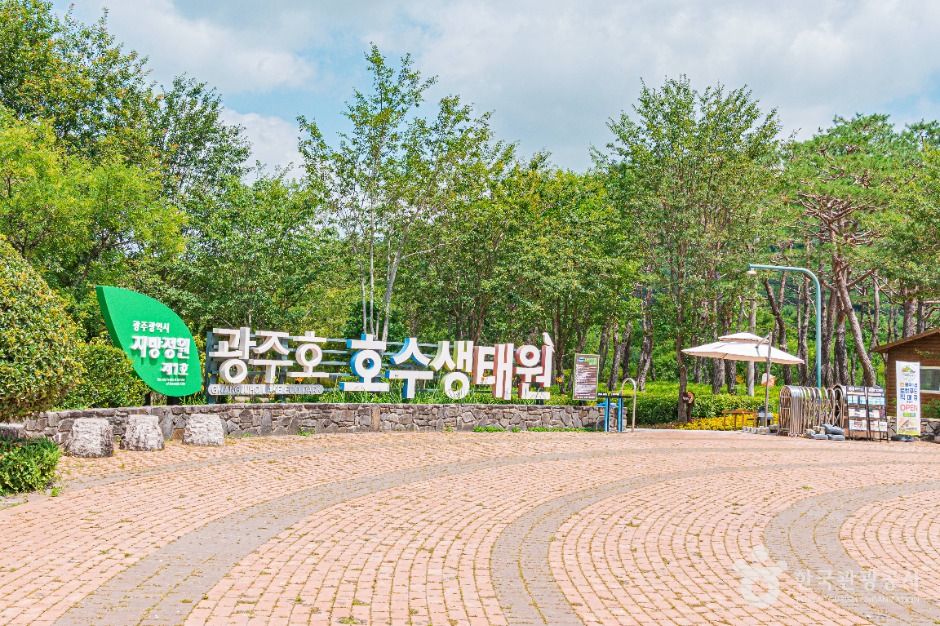
Gwangjuho Lake Eco Park (광주호 호수생태원)
8.8Km 2025-08-12
Chunghyo-dong, Buk-gu, Gwangju
+82-62-613-7891
Gwangjuho Lake Eco Park is an ecological park located near the banks of Gwangjuho Lake, featuring a Nature Observation Center, Nature Learning Center, Lawn Area, and Waterside Wetland. The park is home to around 170,000 wildflowers and over 3,000 trees, offering opportunities to observe various flora and fauna up close. Visitors can witness diverse birds thriving in the wetlands.
Hwanbyeokdang Pavilion (환벽당)
9.2Km 2023-01-25
10, Hwanbyeokdang-gil, Buk-gu, Gwangju
+82-62-510-1500
Hwanbyeokdang Pavilion was built by Yeongcheonja Sinjam and was also called Byeokgandang, which is recorded in Go Gyeong-myeong's Yuseoseongnok. The building has a hipped-and-gabled roof with three bays in the front space and two bays in the inside space. It is a modified form in which the two rooms in the middle are used as rooms, and the front and right sides are floors. Originally, it was a traditional pavilion, but it seems to have changed to its current form as it was expanded later. A tablet written by Uam Song Si-yeol hangs here, and the poems of Seokcheon Im Eok-ryeong and Jo Ja-i are on a signboard. There are two poems written by Jeong Cheol about Hwanbyeokdang Pavilion, which are published in Songgangsokjip and Gwangjumokji. Jeong Cheol's 4th-generation descendant Jeong Su-hwan bought it from Kim Yun-je's descendants, and Yeon Il-jeong's family is currently managing it.
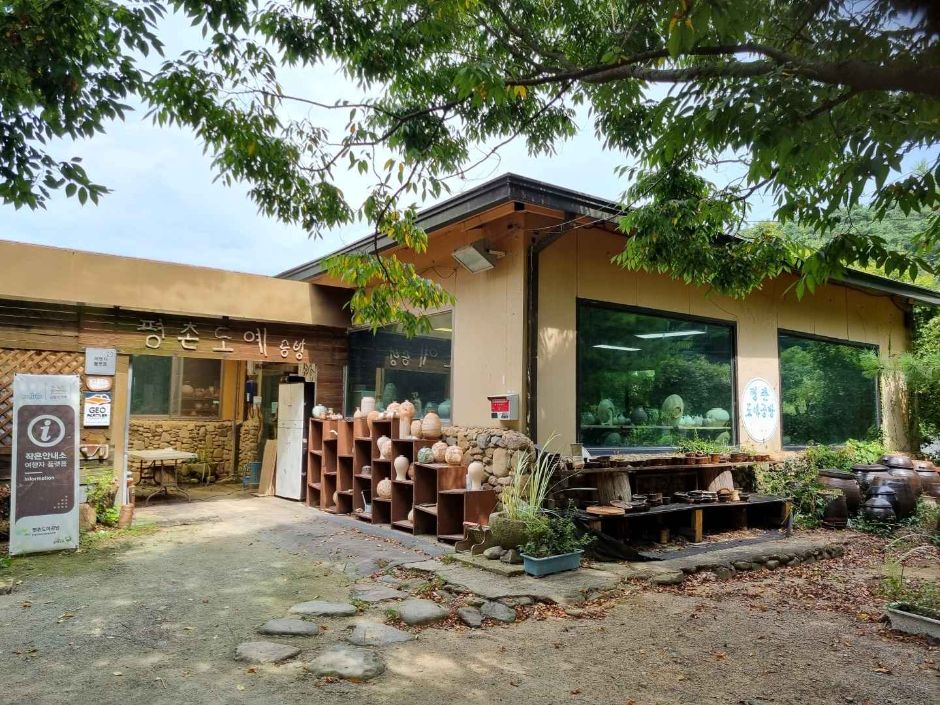
Pyeongchon Ceramics Workshop (평촌도예공방)
9.2Km 2024-11-14
77 Damanpyeongmu-gil, Buk-gu, Gwangju
The Pyeongchon Ceramics Workshop keeps the spirit of traditional Korean Buncheong pottery alive by offering an experiential learning space and hands-on programs that blend classic Korean and contemporary styles. Visitors can create unique pieces that capture the rustic beauty of tradition while keeping the modern flair.
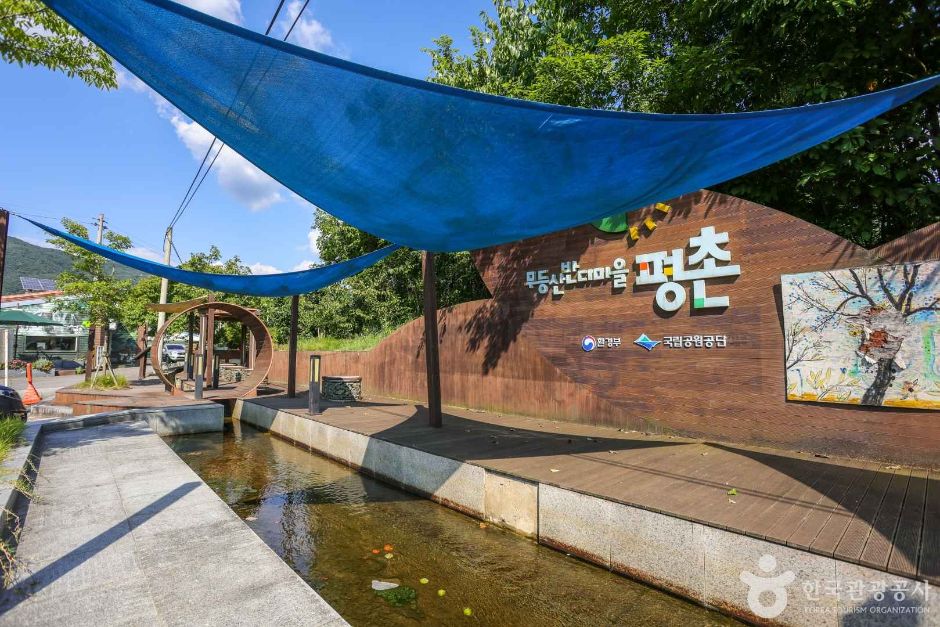
Gwangju Pyeongchon Village (광주 평촌마을)
9.2Km 2025-08-12
15 Pyeongchon-gil, Buk-gu, Gwangju
+82-62-266-2287
Gwangju Pyeongchon Village, located north of Mudeungsan Mountain, is a cozy farming village made up of four villages Dongrim, Daman, Woosung, and Dangmoe. The village still has an excellence natural preservation, growing environmental-friendly rice in the fields and Punamcheon stream that runs through the middle of the village is home to fireflies and otters. The village also keeps the tradition of making pottery as the village was the place that made grayish-blue-powdered celadon during the Joseon dynasty. The village street corner offers visitors to Mudeungsan Mountain a place to rest with Mudol-gil shelter and Bandi lodging.
 English
 한국어
한국어 日本語
日本語 中文(简体)
 Deutsch
 Français
 Español
 Русский


