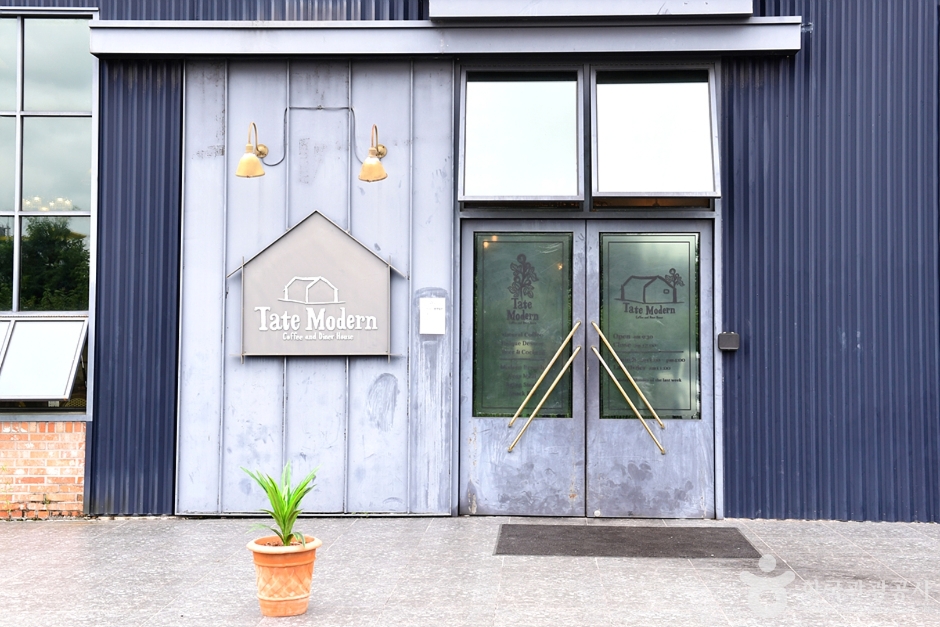
Tate Modern (테이트모던)
6.9Km 2024-02-14
24 Sangmu-daero 673beon-gil, Seo-gu, Gwangju
Tate Modern, which opened in 2018 as a dining café in the Sangmu District of Gwangju, is known for its signature dish, the Nongbu Salad (chicken breast salad). This dish is both filling and healthy, catering to health-conscious diners. In addition to salads, the café offers a variety of other options including brunch, pasta, steak, and an assortment of diverse dishes. Due to its popularity, reservations are required for seating, especially on weekends.
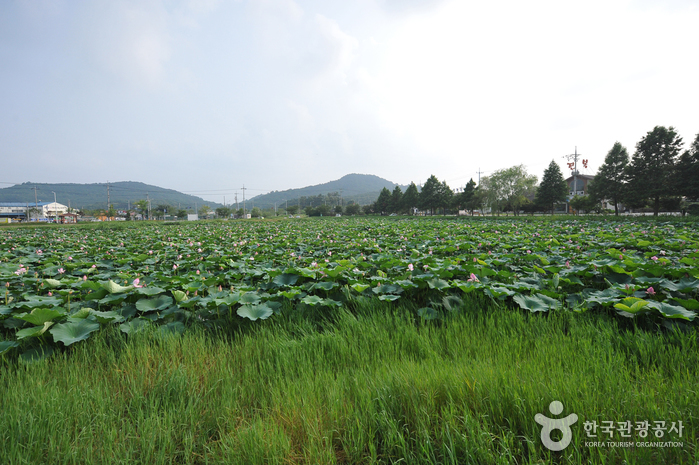
Jeonpyeongje Reservoir (전평제)
7.0Km 2021-04-29
9, Jeonpyeong-gil, Seo-gu, Gwangju
+82-62-365-4114
Jeonpyeongje Reservoir was built in 1943 to supply water for agricultural purposes to farms in the Maewol-dong and Byeokjin-dong regions as well as to prevent both floods and droughts. Starting in 1999, the reservoir was changed to a rest area, with a wooden deck crossing the reservoir to the man-made island in the middle. The area now serves as a waterside relaxation and eco-exploration space for family visitors.
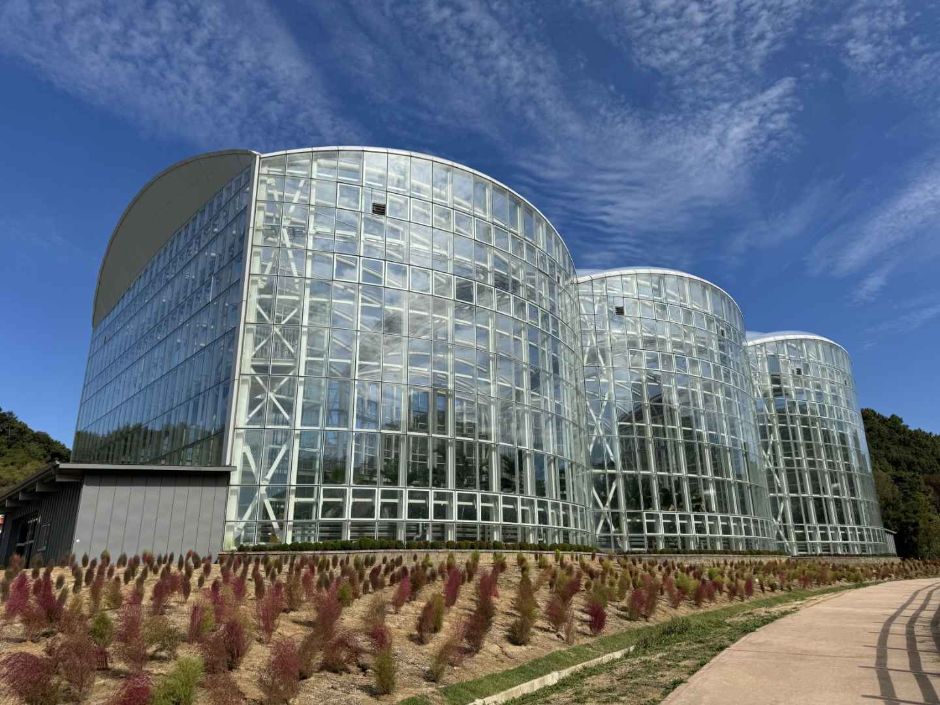
Gwangju Arboretum (광주시립수목원)
7.1Km 2024-11-18
142 Dodong-gil, Nam-gu, Gwangju
Gwangju Arboretum was built on a sanitary landfill to restore the natural ecological environment by planting trees and creating convenience facilities. The arboretum preserves, manages, researches, and exhibits the indigenous plants of the region and provides visitors with a space to relax and connect with nature. Visitors of all ages can enjoy educational programs and forest commentary tours, making it a great place for families.
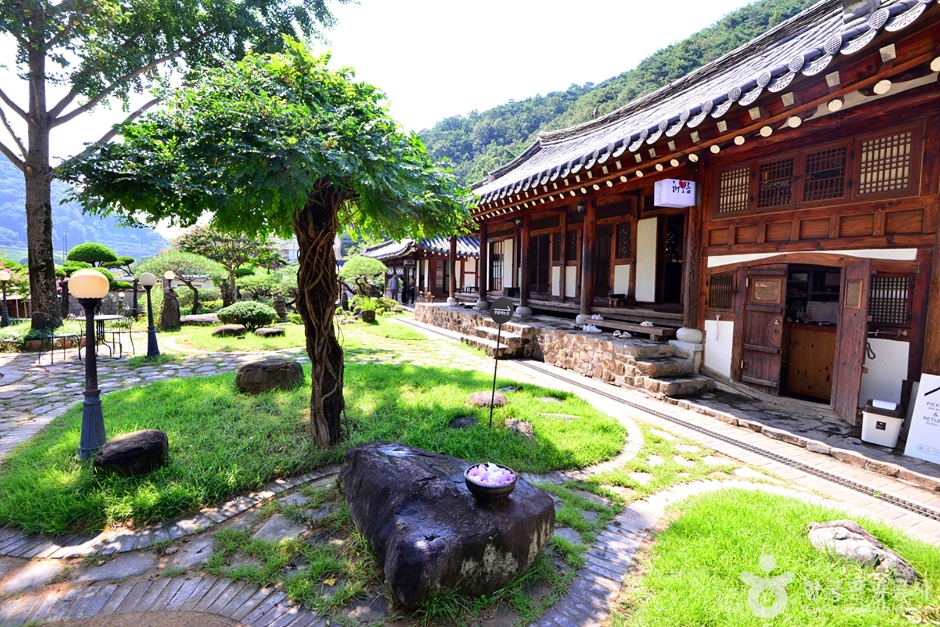
Kkotpineun Chunsamwol (꽃피는춘삼월)
7.2Km 2024-02-13
50 Seongyo-ro, Dong-gu, Gwangju
Kkotpineun Chunsamwol is a traditional Korean teahouse nestled in a picturesque hanok. It specializes in authentic Korean beverages and desserts. The teahouse's signature offering is ssanghwatang, an herbal tonic tea prepared with chestnuts, gingko, and nuts in a homemade decoction. Other popular items include Yennal Bingsu (shaved ice with grain and black sesame ice cream), and a nutty latte with bean powder. These beverages pair exceptionally well with traditional Korean sweets like yakgwa (honey cookie) and garaetteok gui (grilled rice cake stick), enhancing the overall culinary experience.
![Uniqlo - Gwangju Yeonje Branch [Tax Refund Shop] (유니클로 광주연제)](http://tong.visitkorea.or.kr/cms/resource/23/2886823_image2_1.jpg)
Uniqlo - Gwangju Yeonje Branch [Tax Refund Shop] (유니클로 광주연제)
7.7Km 2024-04-17
2, Yeonyang-ro, Buk-gu, Gwangju
-
Yeongsangang River Bike Road (영산강 자전거길)
7.8Km 2025-08-12
377 Seochangduk-gil, Seo-gu, Gwangju
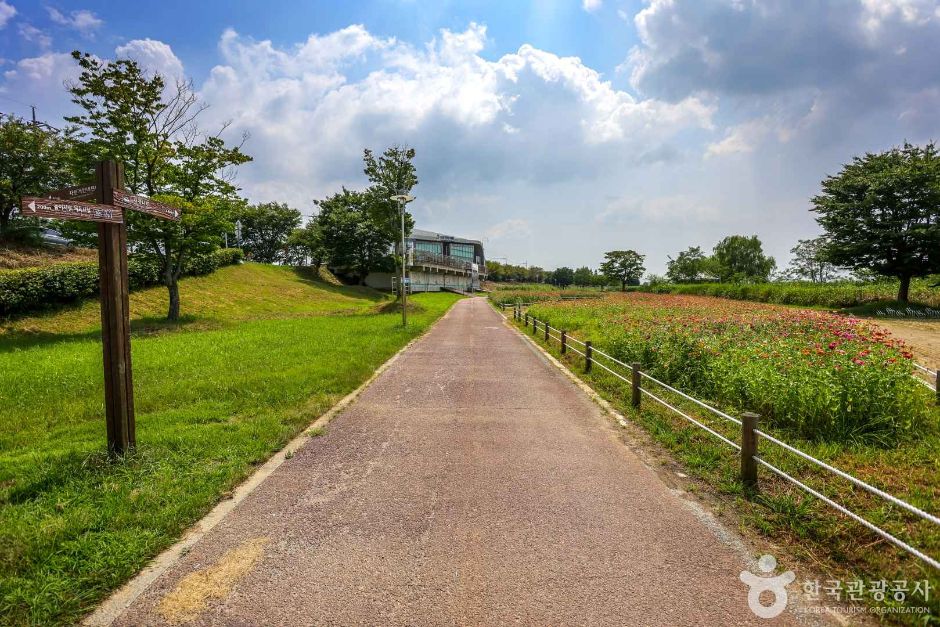
The Yeongsangang River Bike Road, stretching 133 kilometers along the Yeongsangang River in Gwangju, offers a scenic route. It winds past notable landmarks including the Seungchonbo Reservoir, Najudaegyo Bridge, Yeongsanpo Port, Hwangpo sailboat, Natural Dyeing Culture Center, and Naru Village. Along the path, riders can enjoy five of the most picturesque spots in Yeongsan. The starting point of the route, the Yeongsangang River Bike Road Information Center, provides free bicycle rentals and bike safety training.
Gwangjuho Lake Eco Park (광주호 호수생태원)
8.4Km 2025-08-12
Chunghyo-dong, Buk-gu, Gwangju
+82-62-613-7891
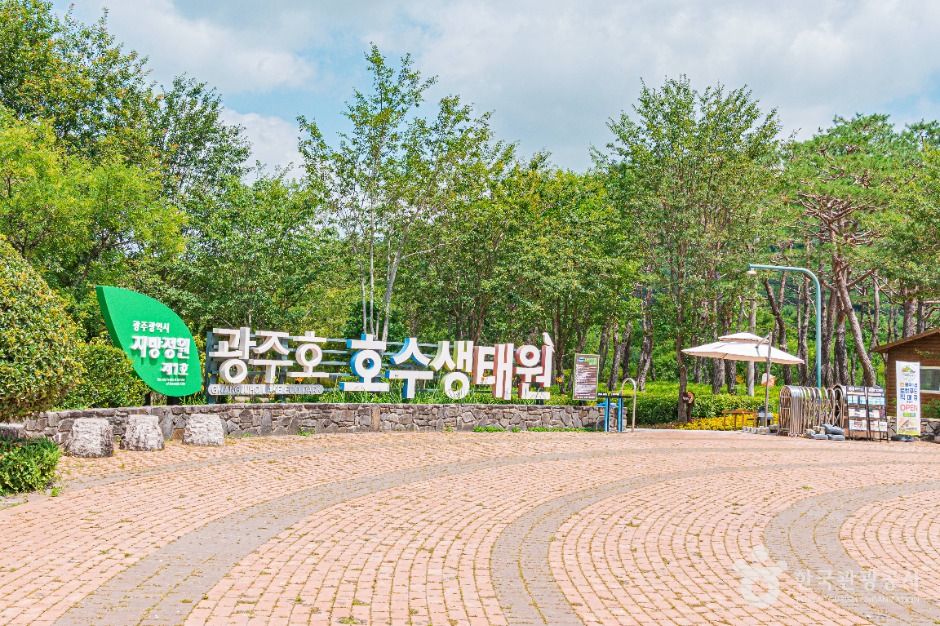
Gwangjuho Lake Eco Park is an ecological park located near the banks of Gwangjuho Lake, featuring a Nature Observation Center, Nature Learning Center, Lawn Area, and Waterside Wetland. The park is home to around 170,000 wildflowers and over 3,000 trees, offering opportunities to observe various flora and fauna up close. Visitors can witness diverse birds thriving in the wetlands.

Gwangju Family Land (광주 패밀리랜드)
8.4Km 2025-01-10
677, Uchi-ro, Buk-gu, Gwangju
+82-62-607-8000
Gwangju Family Land is an amusement park equipped with dozens of exciting rides as well as recreational facilities such as a swimming pool, an ice rink, and a sledge park. Spanning 290 acres of land, it is the largest urban amusement park in all of Jeollabuk-do and Jeollanam-do Provinces. The amusement park also offers entertainment courses designed for couples, families and children.
Hwanbyeokdang Pavilion (환벽당)
8.8Km 2023-01-25
10, Hwanbyeokdang-gil, Buk-gu, Gwangju
+82-62-510-1500
Hwanbyeokdang Pavilion was built by Yeongcheonja Sinjam and was also called Byeokgandang, which is recorded in Go Gyeong-myeong's Yuseoseongnok. The building has a hipped-and-gabled roof with three bays in the front space and two bays in the inside space. It is a modified form in which the two rooms in the middle are used as rooms, and the front and right sides are floors. Originally, it was a traditional pavilion, but it seems to have changed to its current form as it was expanded later. A tablet written by Uam Song Si-yeol hangs here, and the poems of Seokcheon Im Eok-ryeong and Jo Ja-i are on a signboard. There are two poems written by Jeong Cheol about Hwanbyeokdang Pavilion, which are published in Songgangsokjip and Gwangjumokji. Jeong Cheol's 4th-generation descendant Jeong Su-hwan bought it from Kim Yun-je's descendants, and Yeon Il-jeong's family is currently managing it.
Sigyeongjeong Pavilion (담양 식영정)
8.8Km 2025-01-08
Jigok-ri, Damyang-gun, Jeollanam-do
+82-61-380-2811
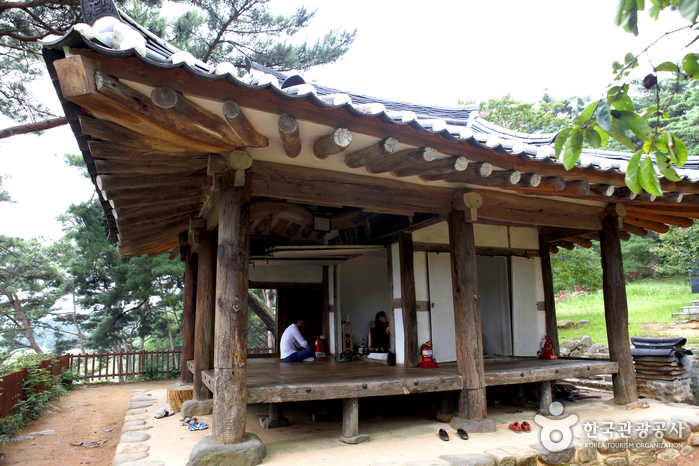
Designated as the top monument of Jeollanam-do, Sigyeongjeong Pavilion means a place where even the shadow of the moon can find a place to rest. As its name suggests, this pavilion is set in a lush and remote forested area. Countless number of scholars and writers have been attracted to this pavilion as a place of profound inspiration. The pavilion gained more fame from the legendary lyrics of Seongsanbyeolgok written by the poet Jeong Cheol. The elegant words of Kim Seongwon, a literary scholar, depict the scenic beauty of Seongsan Mountain as the seasons change.
Of all the pavilions situated at the basin of the Yeongsangang River the Sigyeongjeong Pavilion is said to be blessed with a breathtaking view from the side. The current building was restored in the early 1900s. At the Sigyeongjeong Pavilion there is the Buyongdang, a monument with the lyrics to the Seongsanbyeolgok Poem, and next to it an old library building called Jangseogak built to preserve the wooden blocks of Songgangjib, a book of poetry written by Jeong Cheol.
 English
 한국어
한국어 日本語
日本語 中文(简体)
 Deutsch
 Français
 Español
 Русский


