
Leaders Dermatology Clinic CheongdamDosandaero (리더스피부과의원 청담도산대로점)
13.3Km 2025-10-23
4th-5th Floors, S&S TOWER, 409 Dosan-daero (Cheongdam-dong), Gangnam-gu, Seoul
Founded in 2001 by board-certified dermatologists from Seoul National University College of Medicine, Leaders Dermatology has grown into a trusted network of over 12 clinics across Korea and internationally, with a team of more than 20 dermatologists and 150 medical professionals.
Our doctors are actively involved in global academic circles delivering lectures at renowned conferences and seminars and are dedicated to raising the bar for dermatological care. With a systematic, patient-centered approach, our mission is to become the No.1 dermatology clinic in customer satisfaction through excellence in service and results.
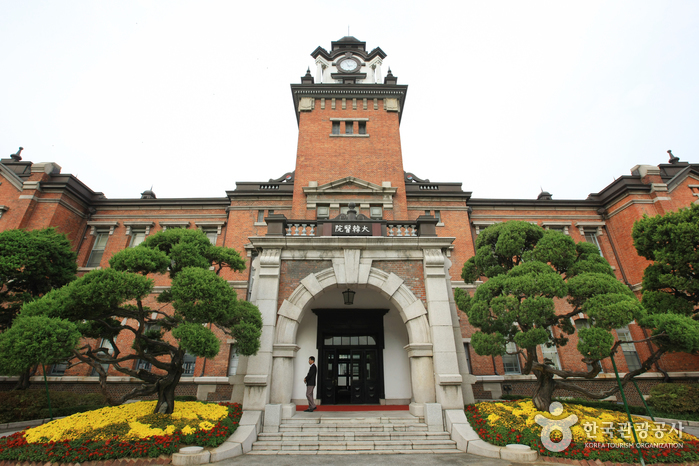
Seoul Daehan Hospital (서울 대한의원)
13.3Km 2021-12-23
101, Daehak-ro, Jongno-gu, Seoul
Daehanuiwon (Daehan Medical Center) is an antique two-story brick building within the grounds of Seoul National University Hospital. It was established under the direct administration of the Uijeongbu (State Council), combining the Gwangjewon (under the Home Ministry), Gyeongseong Medical School and the Korean Red Cross Hospital (under the Royal Household).
Built in the Madubong Hill area, this location where Hamchunwon, the outer garden of Changgyeonggung Palace, once stood in 1484 (15th year of King Seongjong), was also once the site of Gyeongmogung Palace, where King Jeongjo enshrined the mortuary tablet of his birth father Crown Prince Sado Seja in 1776 (the year King Jeongjo ascended to the throne).
These places that held importance for the royal family were destroyed as the Japanese built Gyeongseong Empire University in its place. In 1907, with the announcement of the plan to establish Daehan Medical Center, construction began on the main building, seven wards and affiliated buildings. Construction was completed in November 1908.
The Daehan Medical Center opened in Gwangjewon, but upon Japanese colonization in 1910, its name was changed to the Japanese Viceroyalty Hospital. In 1926, it was included as a part of Gyeongseongjeguk University to become a university hospital. Since the liberation of Korea in 1945, it has been a hospital affiliated with Seoul National University.
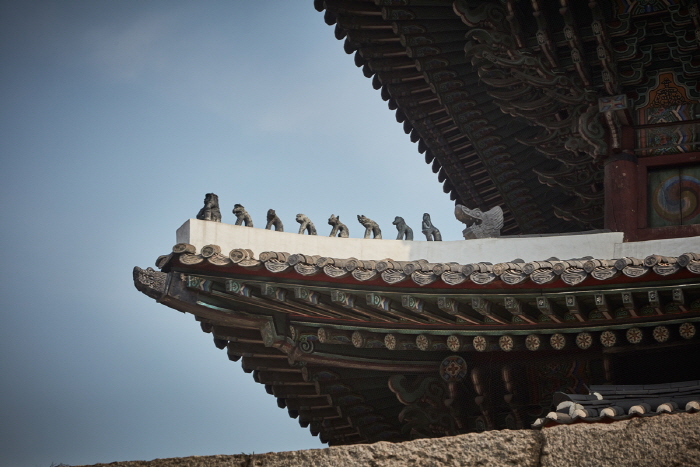
Heunginjimun Gate - Dongdaemun Gate (흥인지문)
13.3Km 2025-10-23
288, Jong-ro, Jongno-gu, Seoul
Heunginjimun Gate was built to protect Hanseongbu, which historically housed essential government facilities. Heunginjimun Gate was the gate on the east side of the outer wall of Seoul Fortress among eight gates. It is referred to as Dongdaemun Gate as well. The gate was constructed during King Taejo’s 5th year in 1396, remodeled during the reign of King Danjong in 1453, and was newly built in 1869 during the sixth year of King Gojong’s reign in 1869.
The gate features a hipped roof with five front and two side compartments on a two-storied building. The thin and weak bracket system supports the eaves and is excessively decorated, reflecting the construction features of the late Joseon period. Also, outside of the fortress is the half-circle-shaped Ongseong, a small wall, to protect the gate.
One of the unique factors of Heunginjimun Gate is that it is the only gate among Seoul’s eight to have Ongseong, further exhibiting the style of construction used during the late Joseon period.
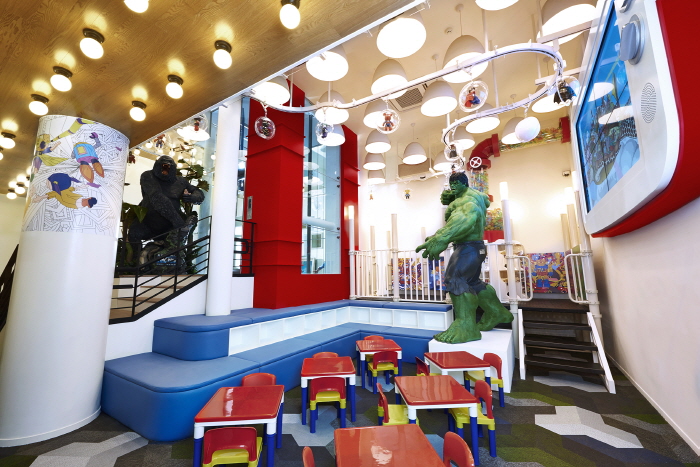
Figure Museum W (피규어뮤지엄W)
13.4Km 2024-03-18
3, Seolleung-ro 158-gil, Gangnam-gu, Seoul
The Figure Museum W is a new concept museum that combines the appeal of figurines with Enter-Tour-Ment. It integrates some functions of theme parks to create a space for a new play culture and healthy hobbies. In Figure Museum W, visitors can meet special figurines, experience the appeal of figurines, and trace the history and the world of figurines.
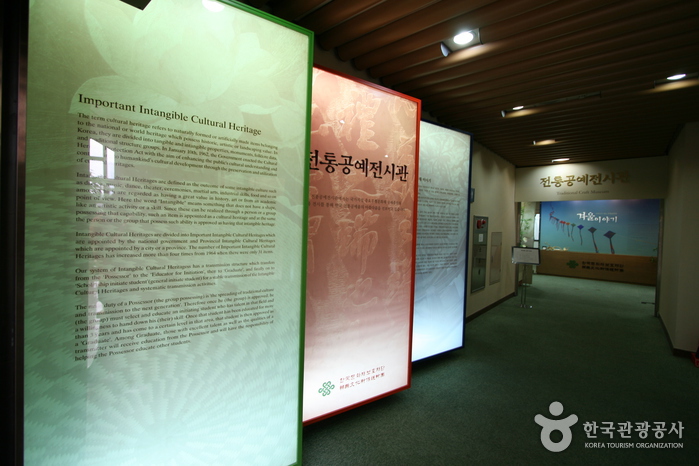
Seoul Center for National Intangible Cultural Asset (서울국가무형문화재전수회관)
13.4Km 2023-06-13
406, Bongeunsa-ro, Gangnam-gu, Seoul
Created by the government to hand down traditions and preserve important, intangible cultural assets, the center supports cultural masters in the training of their pupils and their efforts to promote Korean traditional culture to the general public.
The center houses 8 groups that represent the music field. Serving not only as a training ground for those specializing in the arts, the center also seeks to reach out to the general public through regular programs and recitals. Musicians also participate in musical conferences, events and performances on a national and international level.
There are 12 craft groups at the center that are directed by craft masters who have been designated 'National Intangible Cultural Assets.' Craft groups host a number of training programs.
Other special features of the center include the 'Pungryu,' a 147-seat folk theatre; the 2 or 3 story 'Traditional Craft Hall' with an open-run exhibition hall and planned exhibition hall; a shop selling the works of the artists; a seminar room; a training room; and a practical training room.
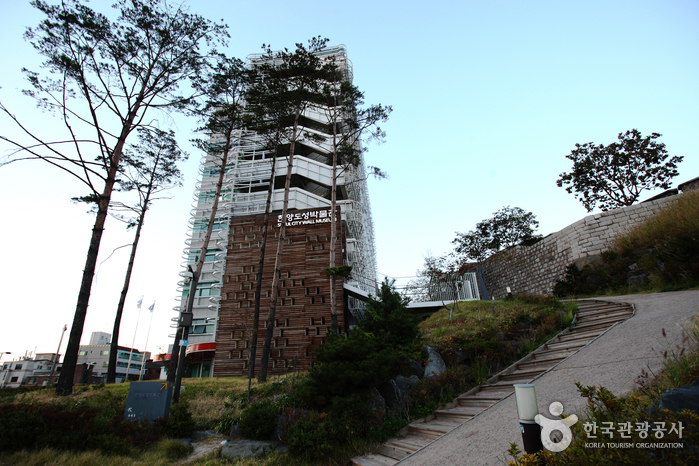
Seoul City Wall Museum (한양도성박물관)
13.4Km 2023-12-22
283, Yulgok-ro, Jongno-gu, Seoul
Hanyangdoseong, the Seoul City Wall, built in 1396, was the city fortress wall that protected the capital city Seoul for over 600 years. The fortress wall was built along the terrains and although it became partially damaged during the modernization process, its original form remains well to this day, making it a cultural heritage that coexists with the modern city. The Seoul City Wall Museum, located in Heungjinjimun Park, is a museum containing the history and culture of city wall from the Joseon dynasty to the present. It is a cultural space with a permanent exhibition hall, special exhibition hall, city wall information center, and study room.
Gangnam Severance Hospital (연세대학교 의과대학 강남세브란스병원)
13.4Km 2025-10-23
211 Eonju-ro, Gangnam-gu, Seoul
Gangnam Severance Hospital, a part of Yonsei University Health System (YUHS), was founded in 1983 in Gangnam, Seoul. Since then, we have been leading the region’s healthcare development with a world-class medical system. We operate four specialized hospitals, including Cancer, Spine, Heart/Brain/Vascular, and Dental Hospitals, with 47 medical departments. These special hospitals have earned patients’ trust by providing high standards of care and treatment in their respective fields.
In addition, Gangnam Severance Hospital is a tertiary hospital with a screening center and a fast-track program for international patients: the program integrates health check-ups, outpatient consultation, inpatient treatment, and surgery into a single program to provide fast and accurate medical services. The program helps them receive accelerated care by facilitating the whole process. Gangnam Severance Hospital provides patient-centered medical care, constantly improving its healthcare quality through research and innovation. These efforts have cemented our standing as a trusted healthcare organization for many patients at home and abroad.
 English
 한국어
한국어 日本語
日本語 中文(简体)
 Deutsch
 Français
 Español
 Русский


