YODAMN (요담엔)
5.3Km 2024-12-20
39-2 Jami-ro 66beon-gil, Buk-gu, Gwangju
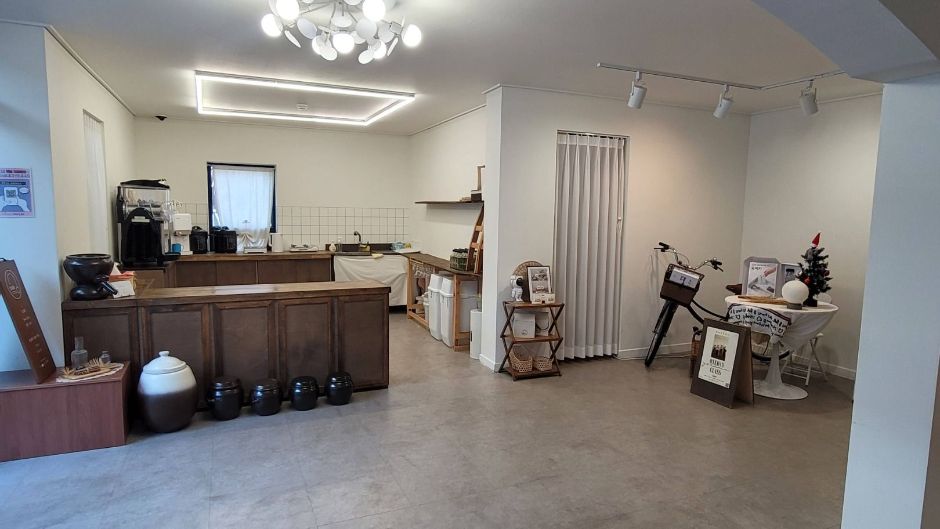
YODAMN is a Gwangju-based Company redefining Korea’s fermented traditions. It is known for its premium rice nuruk, a traditional Korean fermentation starter, and products like Yoando yogurt, a malted yogurt and Yomakkey, a makgeolli kit. The company is engaged in research, liquor development, and provides consultation services. Additionally, it offers unique experiences, such as one-day traditional liquor brewing classes, and sells its uniquely developed products. It is a great place for visitors to experience the Gwangju local traditional liquor culture.
Ramada Plaza By Wyndham Chungjang (라마다플라자 충장호텔)
5.3Km 2024-11-28
369 Cheonbyeonu-ro, Dong-gu, Gwangju
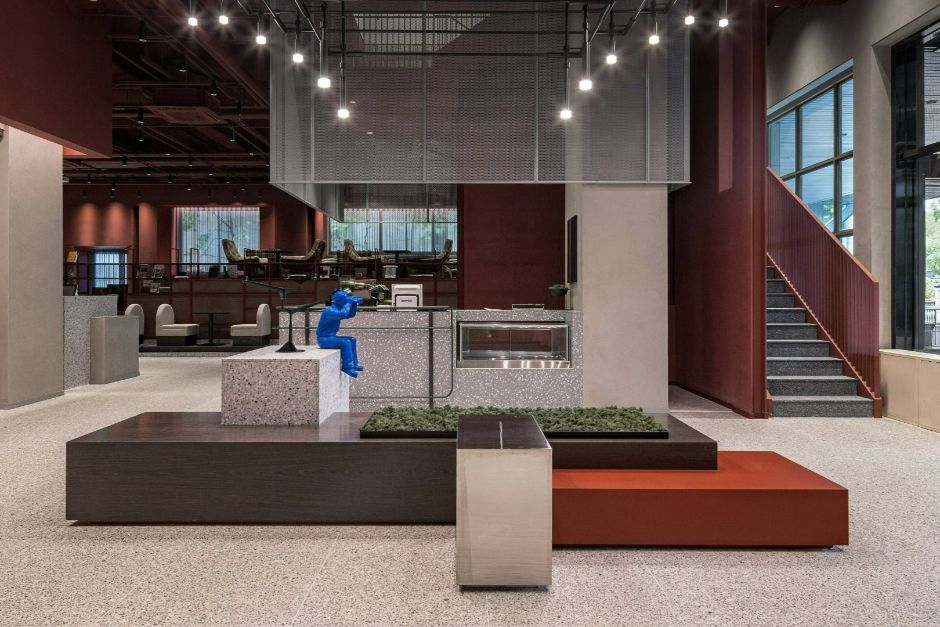
Ramada Plaza By Wyndham Chungjang is the second Ramada Plaza in Gwangju with a view of Mudeungsan Mountain and Gwanjucheon Stream. The hotel has spacious 95 rooms with facilities including a fitness center, male-only sauna and more. Convention Center with a view of Mudeungsan Mountain, lounge and entertainment facilities with a trendy style provide guests with the comfort for any type of travel.
Gwangju Songjeong-dong Tteokgalbi Street (광주 송정동 떡갈비 골목)
5.3Km 2025-08-12
Gwangsan-ro 29beon-gil, Gwangsan-gu, Gwangju
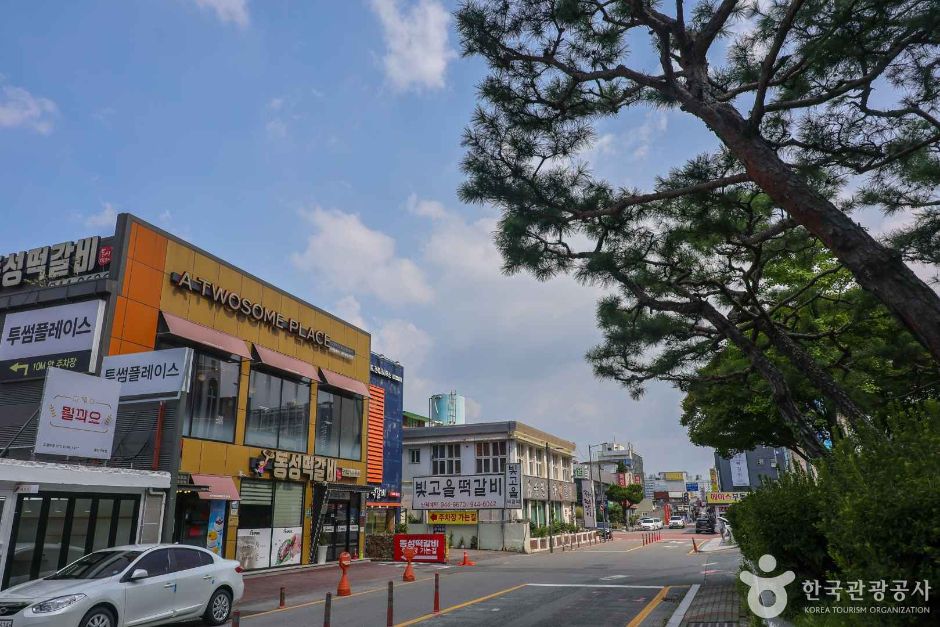
Tteokgalbi Street in Gwangju Songjeong-dong is lined with around 20 restaurants specalizing in tteokgalbi (grilled galbi patties). The area is a popular place to eat for locals and tourists alike, with many people visiting both during the week and the weekend. The tteokgalbi here stands out from tteokgalbi found in other regions in a few ways. Most places use 100% beef in the patties, but Songjeong-dong tteokgalbi uses a mix of beef and pork. This change was made in the 90s in order to keep the prices the same during a tough financial season. The restaurants here also serve a bone broth soup with the meal, made from boiling pork bones with kelp and radish for over a long period of time.
Gwangju Cinema (광주극장)
5.3Km 2025-08-13
10 Chungjang-ro 46beon-gil, Dong-gu, Gwangju
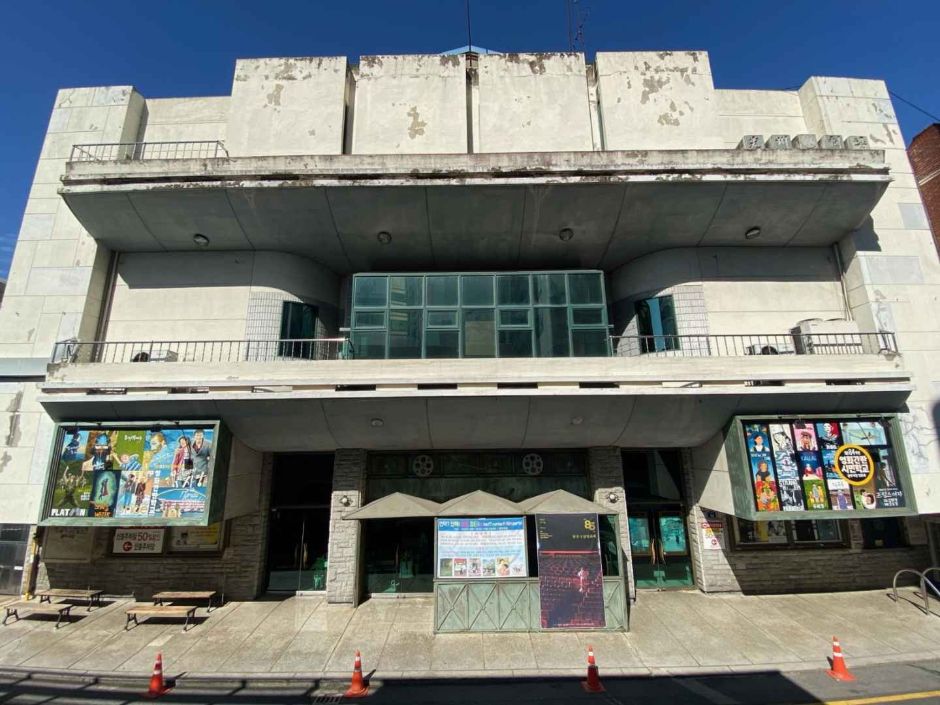
Gwangju Cinema opened in 1935 as an artistic and independent film theater and is the sole single-screen cinema to operate in Korea. In the past, the cinema mainly focused on Korean-focused productions such as pansori, but also screen Japanese films to increase business.
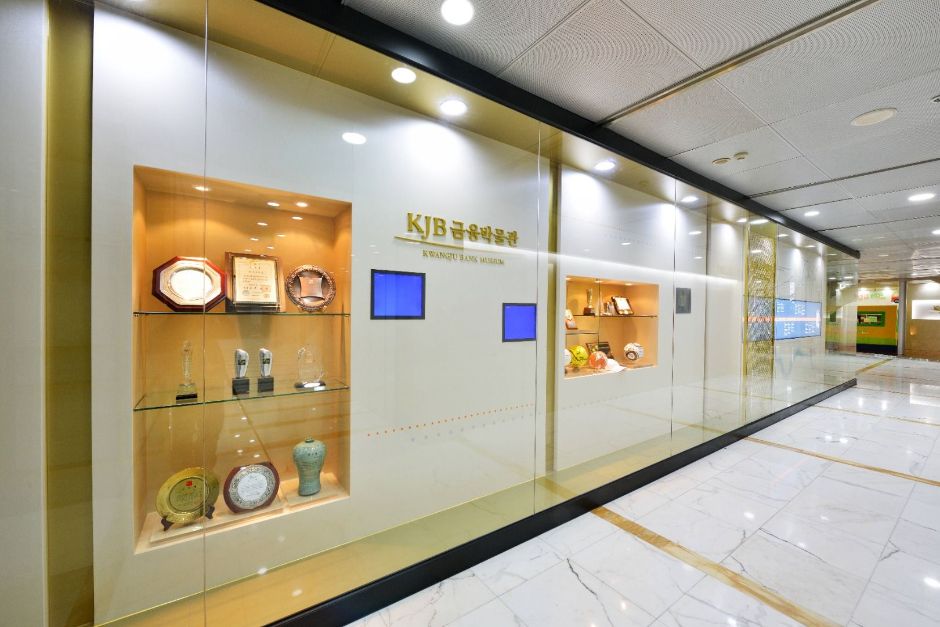
Kwangju Bank Museum (KJB금융박물관 (광주은행 금융박물관))
5.4Km 2024-12-20
225 Jebong-ro, Dong-gu, Gwangju
Kwangju Bank Museum established to celebrate the 44th anniversary of the bank, is the first financial bank in the Honam region. Visitors can explore a collection of over one thousand financial artifacts and learn about the history of financial institutions in the region, as well as the evolution of Korean and global currency at the museum. The museum offers financial educational programs for various age groups and also provides a cultural space, allowing visitors to connect through art and learn more about the region's heritage.
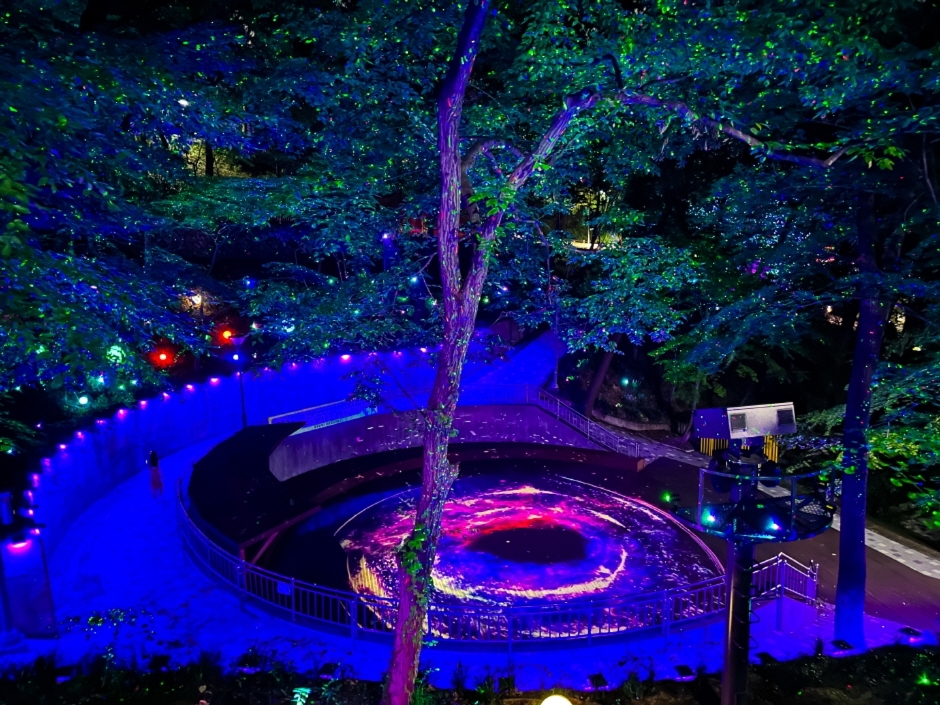
Sajik Forest of Light (사직 빛의 숲)
5.4Km 2024-12-11
49 Sajik-gil, Nam-gu, Gwangju
Located within Sajik Park, the Forest of Light is a popular night view spot with a fantastic media art that incorporates historical themes of Gwangju. The space features a combination of lighting, video, and music to create multimedia contents, offering a variety of experiences and attractions through interactive art that responds to people's movements. The observation tower hosts a light show, and visitors can enjoy video contents through an AR telescope.
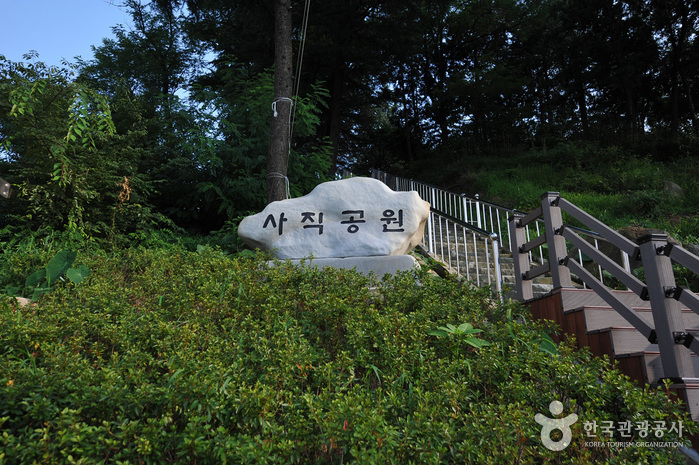
Gwangju Sajik Park (사직공원 (광주))
5.5Km 2022-08-05
49, Sajik-gil, Nam-gu, Gwangju
Sajik Park is located at the previous site of Sajikdan Altar, a ritual site to pray for peace and prosperity during the Three Kingdoms Era. In the 1960s, the site was home to Sajik Zoo, with the ritual being abandoned in 1894 and the altar in disrepair. However, in 1991, it was decided to move the zoo to another location and begin restoring the site. It was reopened in April 1994, 100 years after the last ritual.
Sajik Park is landscaped with various trees and flower beds. The park blooms pink and white with cherry blossoms annually in mid-April. During this time, the municipality of Gwangju installs lighting in the trees for citizens to enjoy the blossoms late into the night. The park has become established as a favorite rest area for Gwangju citizens. The park houses several attractions including Gwangju Broadcast Station (KBS), Memorial Tower for Policemen, Yangpajeong Pavilion, and Palgakjeong Pavilion overlooking downtown Gwangju.

Parc Sajik (Gwangju) (사직공원 - 광주)
5.5Km 2025-07-01
Gwangju-Si Nam-Gu, Sajik-Gil 49
Le parc Sajik a l’avantage d’être bien ammenagé, entre une variété d’arbres et de nombreux lits de fleurs. Chaque année autour du 15 avril, les cerisiers sont en fleurs, créant un spectacle splendide. Durant cette periode, la municipalité de Gwangju fait installer des lumières sur les arbres afin que les habitants puissant profiter du spectacle jusqu’à tard dans la nuit. Le parc est considéré comme l’endroit favori des habitants de Gwangju pour se reposer.
Le parc accueille plusieurs attractions, incluant un mémorial pour les héros nationaux, la station de TV et de radio de Gwangju (KBS), une tour en mémoire des policiers, le pavillon Yeonpajeong, la station de tir Gwandeokjeong ainsi que le pavillon Palgakjeong qui offre un point de vue sur le centre ville de Gwangju. Les variétés d’arbres, d’arbustes et de fleurs offrent une atmosphère accueillante pour chaque sortie.
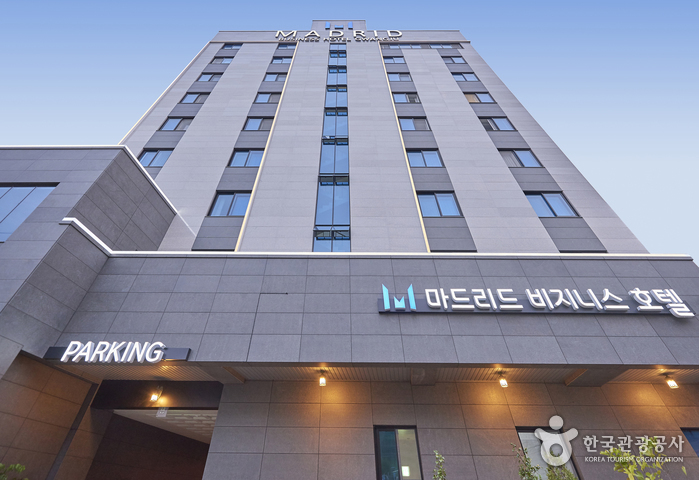
MADRID Business Hotel Gwnagju (유)한성 마드리드 광주호텔)
5.5Km 2024-12-22
11 , Gwangsan-ro 19beon-gil, Gwangsan-gu, Gwangju
The Madrid Hotel in Gwangju, Jeollanam-do, is right across from KTX Gwangju Songjeong Station, and not far from Gwangju Airport, giving excellent transport access. Nearby tourist destinations include the Sangmu shopping and business district, Kimdaejung Convention Center, Songjeong Tteokgalbi Street, and the 1913 Songjeong Station Market. It is also easy to move to Pyeongdong Industrial Complex, Sochon Industrial Complex, Naju Innovation City, etc. The hotel was used as the headquarters hotel for the 2019 World Aquatics Championships, and received good reviews for its neat and clean facilities and friendly service.
Yangnim History & Culture Village (양림역사문화마을)
5.5Km 2023-11-28
7 Seoseopyeong-gil, Nam-gu, Gwangju
Yangnim History & Culture Village is located in the area where Western items and ideas first entered Gwangju over 100 years ago. As such, the neighborhood has a unique collection of Western architecture mixed with traditional hanok houses. There are also many houses of Christian missionaries, who facilitated the advancement of medicine and education in Gwangju. Some areas, such as Penguin Village, have been decorated with murals and outdoor exhibitions to promote art and tourism, helping the elderly locals to make a living.
 English
 한국어
한국어 日本語
日本語 中文(简体)
 Deutsch
 Français
 Español
 Русский


