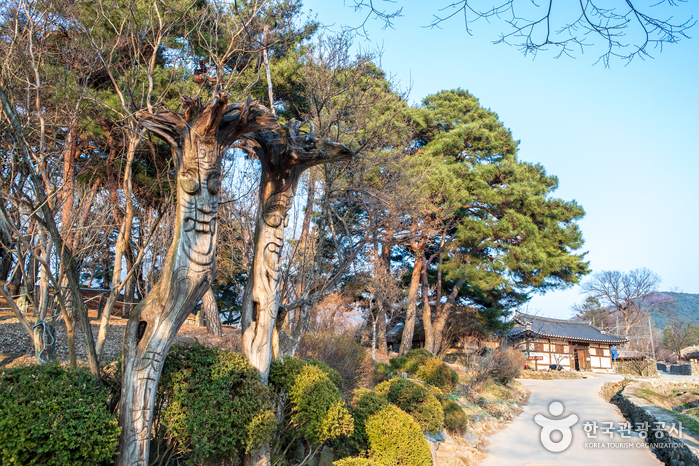
Oeam Folk Village (외암민속마을)
15.7Km 2025-12-16
13-2 Oeamminsok-gil 9beon-gil, Songak-myeon, Asan-si, Chungcheongnam-do
+82-41-540-2110
Oeam Folk Village, located in Asan, boasts a history spanning over 500 years. This agricultural village has preserved its ancient houses and cultural heritage remarkably well. At the entrance, visitors are greeted by a recreation of a traditional market. The village offers Hanokstay programs, allowing guests to stay in traditional Korean houses, and provides interactive experiences that recreate traditional Korean agricultural practices and crafts.
◎ Travel Information to Discover Hallyu’s Charm - K-Drama "Missing: The Other Side 2 (2023)"
The main filming location for the K-Drama "Missing: The Other Side 2" is Oeam Folk Village. As the protagonists investigate the truth in a village of souls that only they can see, the peaceful scenery of Oeam Folk Village provides a mysterious backdrop, adding depth and immersion to the series.

Yugu Mural Street (유구벽화거리)
16.7Km 2024-12-24
34-5 Sijang-gil, Yugu-eup, Gongju-si, Chungcheongnam-do
Yugu Mural Street is centered around a textile factory that has operated since the 1950s. The walls surrounding the factory feature murals of elderly women weaving at looms, spinning machines, and vibrant tile mosaics. Visitors can learn about the history of the textile industry through dioramas, while the Yugu Textile History Exhibition Hall displays various weaving machines. With a traditional market nearby, it's an excellent destination for a combined tour.
Yugu Saekdong Hydrangea Garden (유구색동수국정원)
16.8Km 2025-02-04
44 Changmal-gil, Yugu-eup, Gongju-si, Chungcheongnam-do
Stretching along a 1-kilometer riverside, Yugu Saekdong Hydrangea Garden showcases a stunning display of hydrangeas, with photo spots scattered throughout. In addition to hydrangeas, cherry trees, peonies, daffodils, and other flowers bloom year-round. During peak hydrangea season in early summer, the garden comes alive with cultural and artistic performances, including busking. Visitors can also participate in hands-on activities like making hydrangea soap, candles, and cup holders. Its proximity to Yugu Traditional Market makes it a perfect stop for a connected tour.
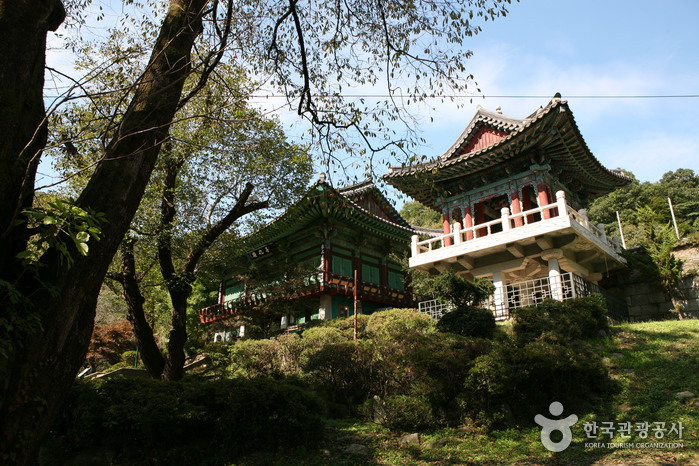
Cheonan Gwangdeoksa Temple (광덕사(천안))
17.1Km 2021-12-01
30, Gwangdeoksa-gil, Dongnam-gu, Cheonan-si, Chungcheongnam-do
+82-41-567-0050
Gwangdeoksa Temple is said to be established in 637 by Monk Jajang Yulsa during the Silla Kingdom and was refurbished during the reign of King Heungdeok (832). The temple sits in the southeast of Gwangdeoksan Mountain, which borders Asan-si and Cheonan-si, and the southwest of Taehwasan Mountain. It was the biggest temple within Chungcheong and Gyeonggi regions before the Japanese invasion. However, it was burnt down during the Japanese invasion and the main buildings such as Daeungjeon, Myeongbujeon and Cheonbuljeon Halls are relatively new compared to the other original facilities.
Yongbongsan Mountain (용봉산)
17.1Km 2024-01-15
Sangha-ri, Hongbuk-eup, Hongseong-gun, Chungcheongnam-do
Yongbongsan Mountain is relatively small mountain, reaching a x_height of just 381 meters, but is filled with beautiful rocky outcroppings and peaks. The mountain's name comes from its ridgeline, resembling a dragon with the head of a phoenix. The mountain is home to a wide range of Korean plants, including Korean pine trees, and cultural heritages such as Yongbongsa Temple.
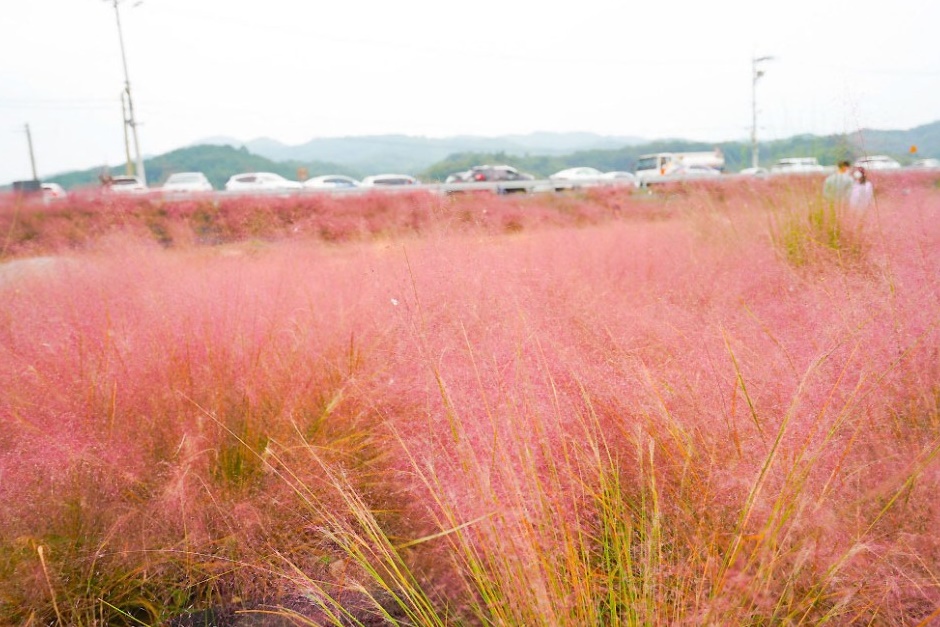
Yugu Pink Muhly Garden (유구핑크뮬리정원)
17.2Km 2025-02-04
648-18 Yuguri, Yugu-eup, Gongju-si, Chungcheongnam-do
Yugu Pink Muhly Garden boasts a breathtaking sea of cotton candy-like pink muhly, with its flowers peaking in fall. The garden also features an eco-playground with a sand play area, a play tunnel, and spider nets. Nearby attractions include a hydrangea garden, a traditional market, a mural street, and a textile history exhibition hall, making it an ideal spot for a combined tour.
Splas Resom (스플라스 리솜)
17.4Km 2024-06-05
45-7, Oncheondanji 3-ro, Yesan-gun, Chungcheongnam-do
Splas Resom, previously called Resom Spa Castle, is Korea’s first membership spa resort. Spa Castle is located in Yesan, Chungcheongnam-do, which is only an hour and a half drive away from Seoul. It is within 30 minutes drive from beautiful mountains, the western seas, and close to plenty of cultural tourist attractions.
Splas Resom uses waters from the Deoksan hot springs, whose waters have been enjoyed by Koreans for six hundred years. The resort is equipped with a large banquet hall, seminar room, and a relaxation complex that includes everything from a cultural arts plaza, to a garden, and walking trails.
The hot spring waters are known to be effective against skin troubles, gastroenteric disorders, neuralgia, and muscular pains, and are also great for skin rejuvenation.
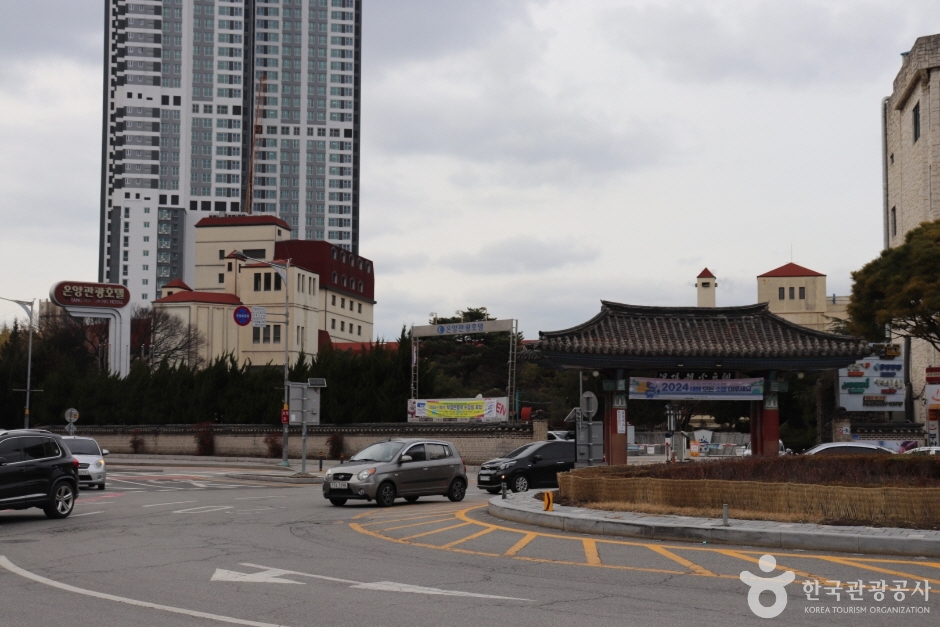
Onyang Hot Springs (온양온천지구)
17.6Km 2024-03-28
1459 Oncheon-daero, Asan-si, Chungcheongnam-do
+82-41-540-1234
Onyang Hot Springs is the oldest hot springs complex in Korea, a place where the kings of Joseon (1392-1897) recuperated and bathed, thanks to its proximity to Seoul. In the 1970s and 1980s, it was a popular honeymoon destination. The water here has a temperature of about 44-60℃ and contains substances that are beneficial for the human body. The area boasts a large number of hotels and water parks.
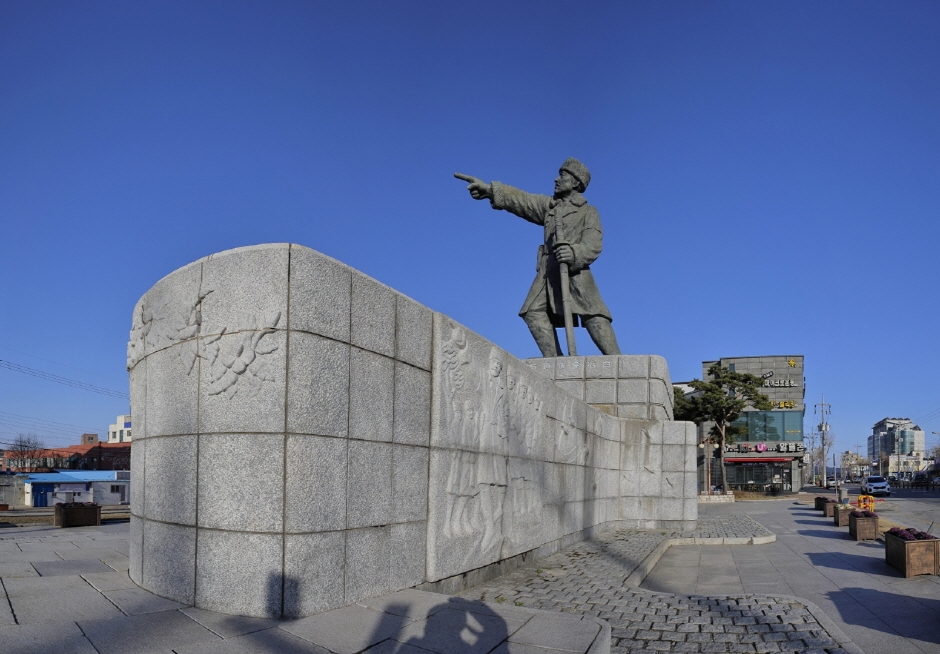
Statue of General Kim Jwajin (김좌진장군동상)
18.0Km 2024-01-16
Goam-ri, Hongseong-eup, Hongseong-gun, Chungcheongnam-do
The Statue of General Kim Jwajin was erected to commemorate General Kim's efforts in leading the Independence Army against Japan during the Battle of Cheongsan-ri. This was one of the greatest victories in the war fro Korean independence.
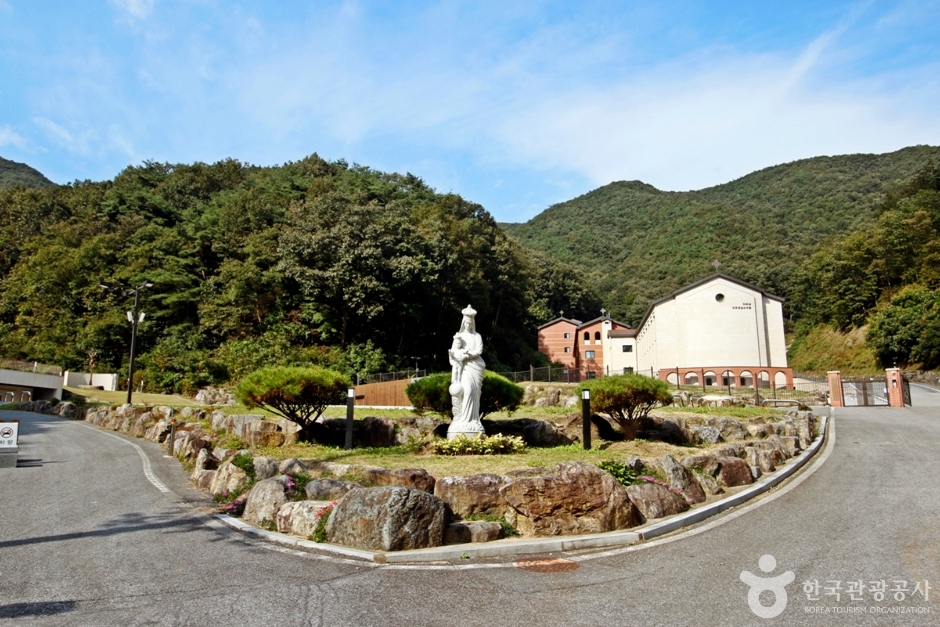
Surichigol Holy Ground (수리치골 성지)
18.2Km 2024-02-21
544 Yongsubonggap-gil, Sinpung-myeon, Gongju-si, Chungcheongnam-do
Surichigol Holy Ground is a Catholic sanctuary located deep in the mountains of Guksabong Peak in the western part of Gongju-si. It holds significance as a site where Korean Catholics organized themselves while hiding from persecution during the 19th century. Today, it is designated as a sanctuary dedicated to the Virgin Mary, providing a retreat house for Catholics to experience nature away from urban areas.
 English
 한국어
한국어 日本語
日本語 中文(简体)
 Deutsch
 Français
 Español
 Русский


