
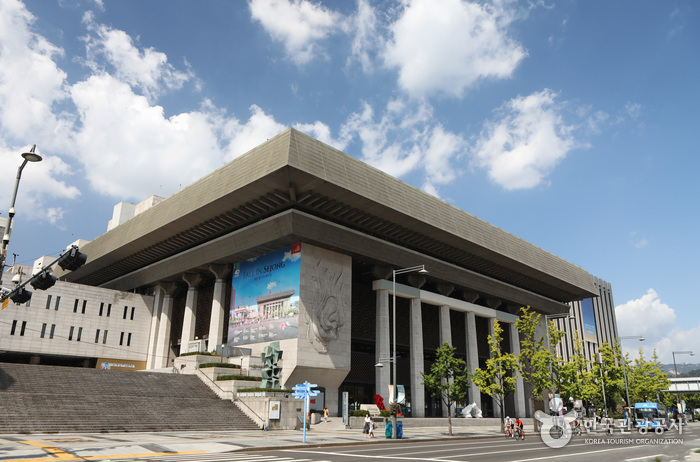
Sejong Center (세종문화회관)
13.5Km 2023-06-14
175, Sejong-daero, Jongno-gu, Seoul
+82-2-399-1000
Sejong Center, officially known as Sejong Center for the Performing Arts, opened on July 1, 1999 to provide citizens with a cultural art space. Having completed a grand remodeling project in 2007, Sejong Center offers customer-friendly programs aimed at improving the quality of art performances in a comfortable resting area. Comprising the Grand Theater of Sejong Center, Sejong M Theater, Sejong Chamber Hall, Exhibition Hall, and other subsidiary facilities, Sejong Center is a multicultural art center.
Various genres of performances including traditional, classic, and crossover have taken place in the center, giving many opportunities for cultural nostalgia.
* Opened April 14, 1978
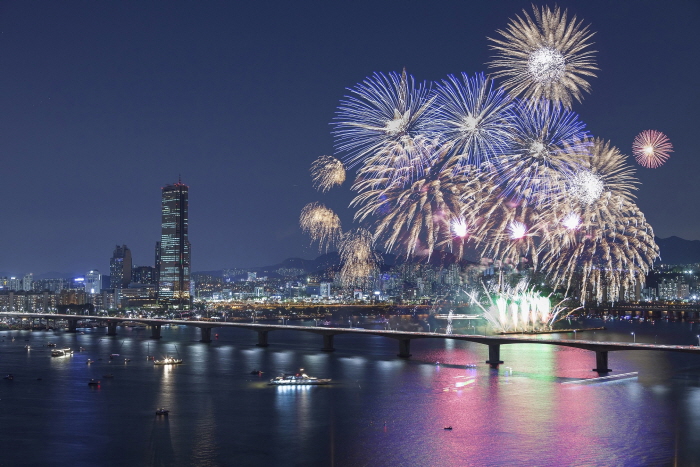
E-Land Cruise (Hangang River Ferry Cruise) (이랜드크루즈 (한강유람선))
13.5Km 2024-10-31
(Nodeulnaru Park), 290, Yeouidong-ro, Yeongdeungpo-gu, Seoul
+82-2-6291-6900
The E-Land Cruise cuts across the Hangang River along the east-west axis. It connects two terminals, one in Yeouido and the other in Jamsil. The company offers a number of different programs, such as the Han River Tour Cruise, a daytime cruise that takes one along the views of Hangang River, and the Moonlight Music Cruise, which offers a beautiful view of Seoul at night with jazz music. One can also enjoy buffet lunch and dinners on the ship.
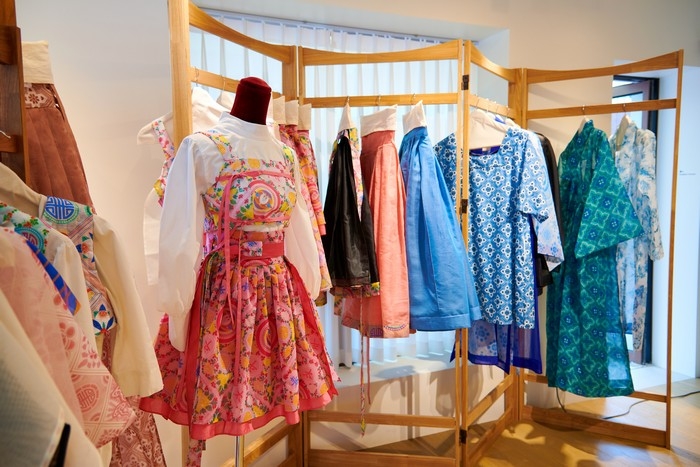
Danha(단하)
13.6Km 2025-11-05
39-7 Palpan-gil, Jongno-gu, Seoul
BLACKPINK's “HOW YOU LIKE THAT” music video created a sensation, reaching 100 million views within 32 hours of its release. The most noteworthy part of the music video was the hanbok they wore. Danha, which was in charge of making the costumes, improved the traditional hanbok and completely recreated it as a stage costume, garnering attention from all over the world. Danha is famous for designing hanboks using traditional patterns. The patterns engraved on the clothes in the BLACKPINK music video used the phoenix design pattern of the royal cloth. Danha's hanbok can be purchased through the online shop, and if you want to have it custom-made, you can visit Danha Maison after making a reservation.
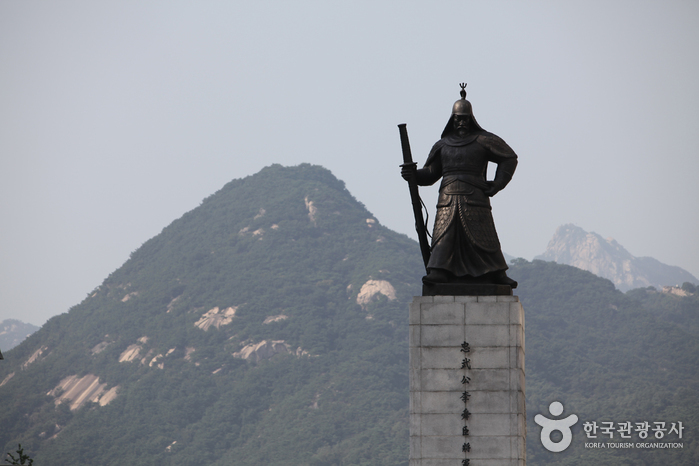
Statue of Admiral Yi Sun-Shin (충무공 이순신 동상)
13.6Km 2024-03-04
175, Sejong-daero, Jongno-gu, Seoul
The Statue of Admiral Yi Sun-Shin can be found at Gwanghwamun Square in Seoul. Admiral Yi Sun-shin (1545-1598) was a naval commander who served during the Japanese invasion of Korea (also known as Imjin War: 1592-1598). The undefeated admiral achieved 23 victories against the Japanese navy using innovative tactics, and he is thus considered as one of the greatest generals in the history of Korea. Admiral Yi’s likeness can be found on the 100 won coin.
King Sejong Statue (세종대왕 동상)
13.6Km 2024-03-04
175, Sejong-daero, Jongno-gu, Seoul
+82-2-2133-7713
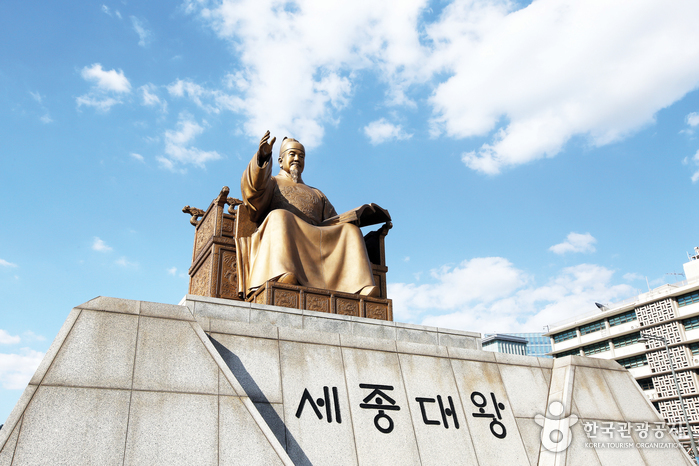
King Sejong Statue can be found at Seoul’s Gwanghawmun Square. The statue commemorates King Sejong the Great (1397-1450, reign 1418-1450), the fourth king of Joseon (1392-1897). He is thought to be the greatest king in Korean history, for he is credited with great developments in science and technology, expansion of Joseon’s territory, and the creation of the Korean script, [Hangeul]. King Sejong’s likeness can be found on the 10,000 won bill as well.
Appenzeller Noble Memorial Museum (배재학당 역사 박물관)
13.6Km 2022-10-14
19, Seosomun-ro 11-gil, Jung-gu, Seoul
+82-2-319-5578
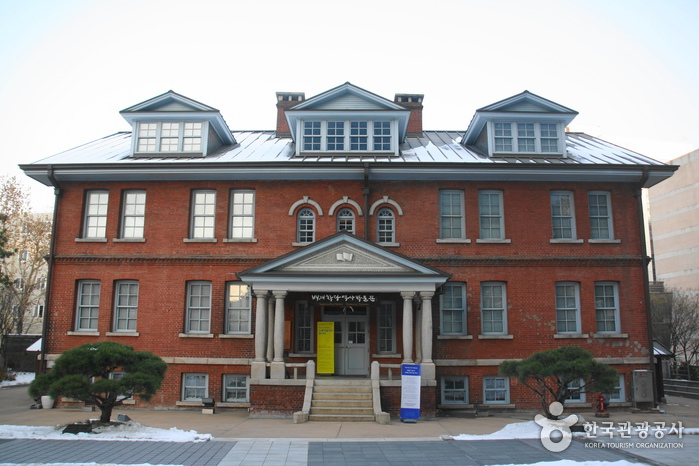
The Appenzeller Noble Memorial Museum is dedicated to Henry Gerhart Appenzeller, the missionary who opened the first Western-style educational institution in Korea in 1885. The school started with English and core subjects, but expanded into the Pai Chai University, Pai Chai High School, and Pai Chai Middle School and has many famous alumni, including Rhee Syng-man. The memorial hall opened in 2008 in the east wing of the original school building, which was built in 1916 and designated as a Seoul Monument. With dynamically arranged permanent exhibitions, annual special exhibitions and special lectures, the museum offers a unique learning experience to visitors and people with an interest in the history of education in Korea.
Gwanghwamun Gukbap (광화문국밥)
13.6Km 2024-06-19
53 Sejong-daero 21-gil, Jung-gu, Seoul
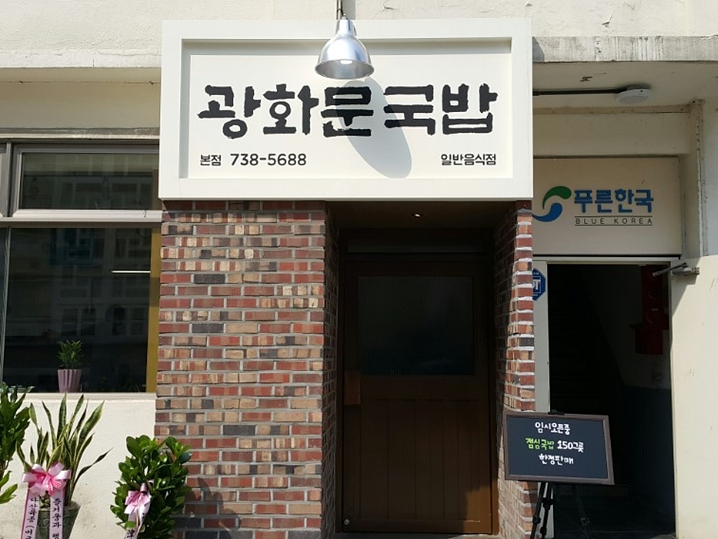
Gwanghwamun Gukbap is a dwaeji gukbap (pork and rice soup) restaurant operated by Chef Park Chanil. Its distinctive feature lies in using only black pork loin and shoulder to enhance the flavor. The signature dish is the dwaeji gukbap, which boasts a mild, clean, and deep flavor. In addition to that, they also offer dwaeji suyuk (boiled pork slices) and pisundae (sundae with pork blood). Known for its authentic taste of rice soup and rich broth, it's a popular destination for many.
The Story of King Sejong (세종이야기)
13.6Km 2022-09-13
jiha 175, Sejong-daero, Jongno-gu, Seoul
+82-2-399-1000
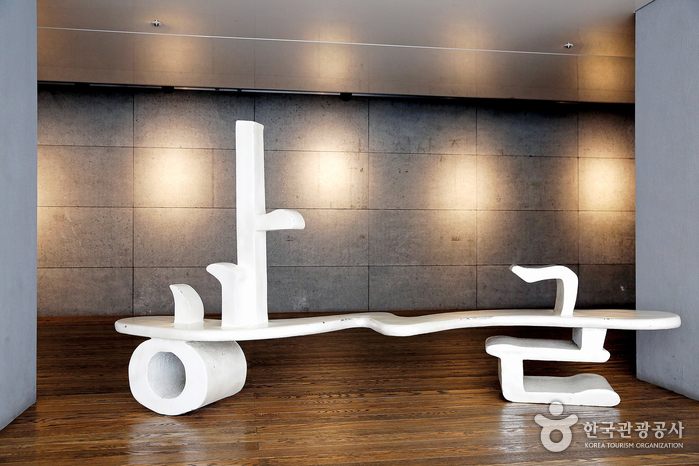
The Story of King Sejong comprises six different sections with a total area of 3,200 square meters. The museum consists of exhibition zones, an event space, video room, shop and more to display King Sejong’s scientific, artistic, military, and political contributions, including the theory of Minbon, which recognized the people as the base of politics. King Sejong, the 4th king of the Joseon dynasty (1397-1450, reigning from 1418-1450) was responsible for some of the most brilliant achievements in the history of Korea, including the creation of Hangeul (Korean alphabet) and great advancements in the areas of science, culture, art and politics.
Samcheong-dong Street (삼청동길)
13.6Km 2025-01-22
107 Samcheong-ro, Jongno-gu, Seoul
It is said that Samcheong-dong was named from the story about the three "cheong" (Chinese character meaning clean) of the area, namely the mountain, water, and people. Another theory is that the origin of the region's name came from Samcheongjeon Hall where three tablets called "Taecheong," "Sangcheong," and "Okcheong," were set up based on Taoism. Samcheong-dong Street features a mixture of old scenes of hanok buildings with traditional beauty and modern scenes of galleries and cafés, creating a unique atmosphere. Visitors can feel the abundant cultural mood at every corner of the street through the art galleries, museums, antique shops, and quiet pathways.
 English
 한국어
한국어 日本語
日本語 中文(简体)
 Deutsch
 Français
 Español
 Русский


