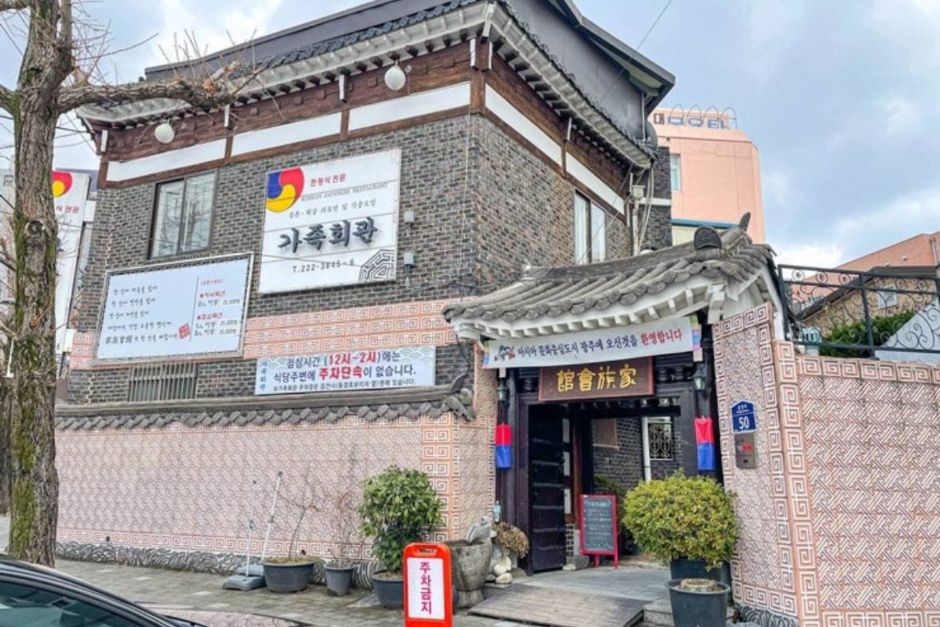
Gajokhwegwan (가족회관)
11.6Km 2024-12-04
50 Dongmyeong-ro, Dong-gu, Gwangju
Gajokhwegwan is a Korean table d'hote restaurant with 36 years of tradition. Visitors can experience the charms of Jeolla Province style food that only uses fresh ingredients in season. There are both private rooms and large group seats to enjoy the meal.
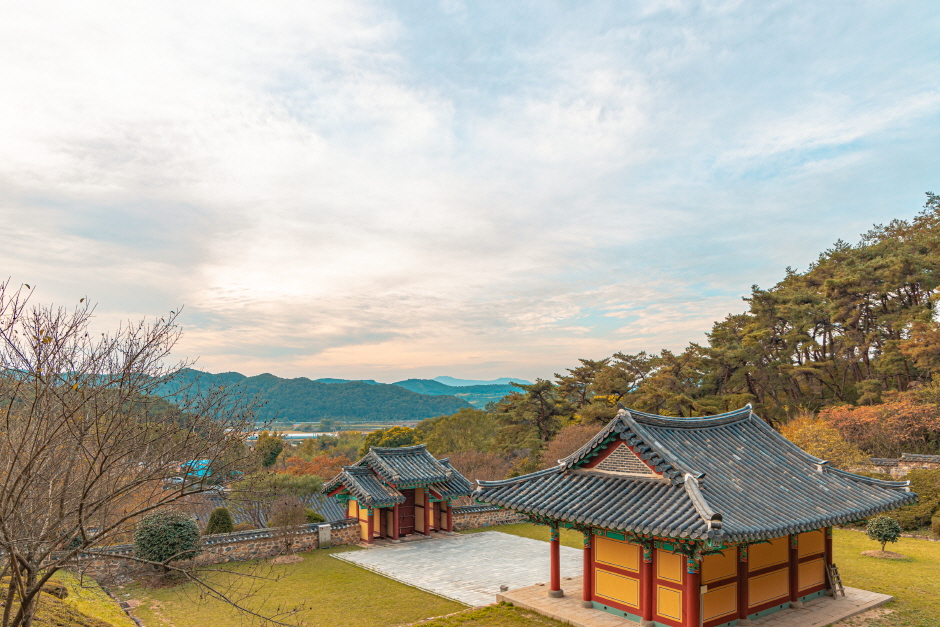
Wolbongseowon Confucian Academy (월봉서원)
11.7Km 2021-07-06
133, Gwanggok-gil, Gwangsan-gu, Gwangju
Wolbongseowon Confucian Academy, built in 1578, was established by Kim Gyehwi and other confucian scholars to honor Ki Daeseung's study and virtue through Mangcheonsa Shrine. The location of the academy was moved to its current site in 1646, and the name Wolbong was given by King Hyojong in 1654. In 1671, Bak Sang and Bak Sun's shrines were moved from Deoksansa Shrine by the suggestion of Song Siyeol. Also, Kim Jangsaeng and Kim Jip's shrines were additionally placed in 1673. Unfortunately, the confucian academy was abolished due to the abolition policy of Daewongun in 1868. Later, Bingwoldang Hall was built by Jeollanam-do's Confucian scholars in 1938, followed by Gojiksa Shrine in 1972, Jangpangak Pavilion and Oesammun Gate in 1978, Sau in 1980 and Naesammun Gate in 1981. Bingwoldang is designated as Gwangju Monument No. 9 and woodblocks of Gobongjip are preserved in Jangpangak Pavilion.
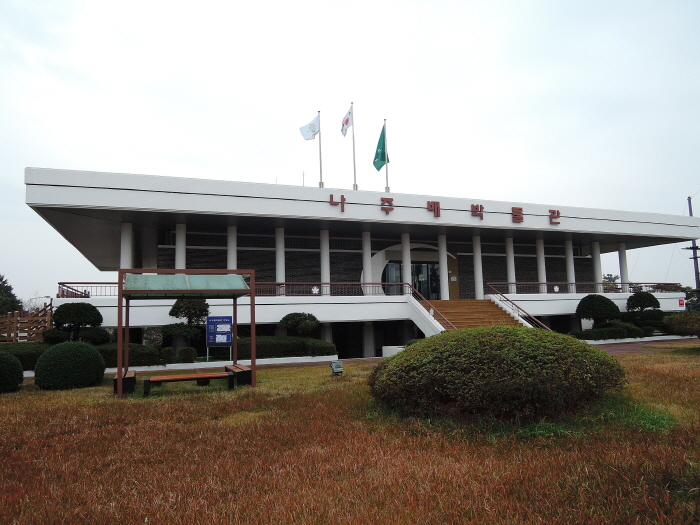
Naju Pear Museum (나주배박물관)
11.8Km 2021-08-13
5838, Yeongsan-ro, Naju-si, Jeollanam-do
Known as the birthplace of Korean pears, Naju pears are well-known for its long history. The fruit was exported worldwide starting in 1967. The Naju Pear Museum promotes the fruit and is a learning center for its agricultural history. The museum opened on April 20, 1992 and is the world's only pear museum.
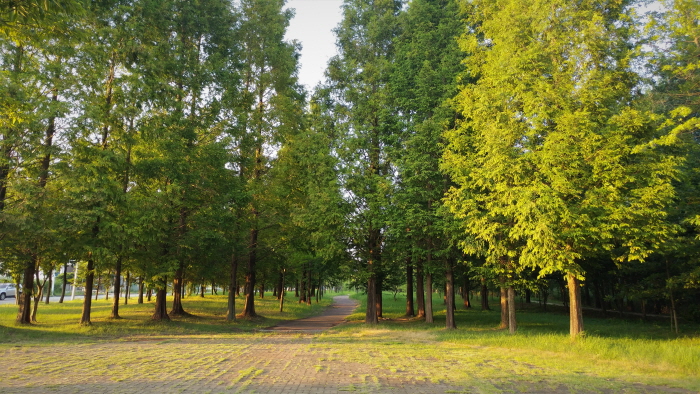
Citizen's Forest Campground (시민의 숲 야영장)
12.2Km 2024-02-14
190 Chuam-ro, Buk-gu, Gwangju
Citizen's Forest Campground, situated alongside the Yeongsangang River in Gwangju, offers a nature-friendly escape in the heart of the city. The campground provides options for both auto-camping and traditional camping. It features walking trails and is conveniently located near a waterside park, making it ideal for strolls. Additionally, a swimming pool is available for visitors every summer.

Gwangju Family Land (광주 패밀리랜드)
12.8Km 2025-01-10
677, Uchi-ro, Buk-gu, Gwangju
Gwangju Family Land is an amusement park equipped with dozens of exciting rides as well as recreational facilities such as a swimming pool, an ice rink, and a sledge park. Spanning 290 acres of land, it is the largest urban amusement park in all of Jeollabuk-do and Jeollanam-do Provinces. The amusement park also offers entertainment courses designed for couples, families and children.
National Center for Forest Education, Naju (국립나주숲체원)
13.0Km 2024-02-19
116 Geumseongsan-gil, Naju-si, Jeollanam-do
National Center for Forest Education, Naju is a national recreational facility located on Geumseongsan Mountain. It operates customized forest education and cultural programs based on the wild tea plantation of Geumseongsan Mountain and the culture of Naju. Utilizing the facilities of the forest center and the surrounding nature, it offers various experiential programs such as forest walking, stretching, meditation, and natural dyeing experiences of Naju's traditional culture.
Maru-o / 마루오(MARU-O)
13.2Km 2025-03-05
5-8 , Baemet 3-gil, Naju-si, Jeollanam-do
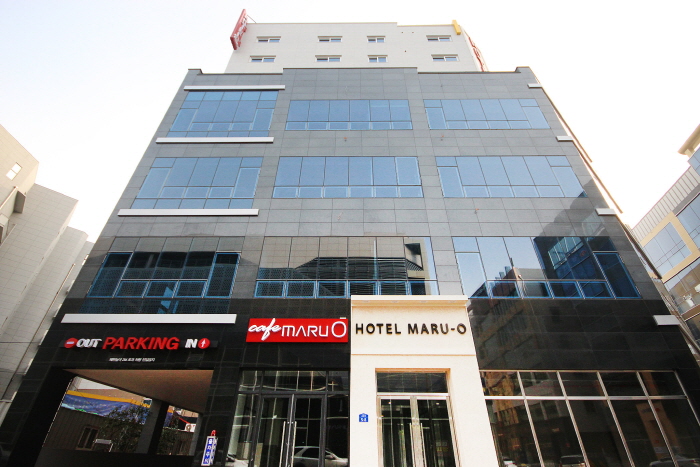
The Maru O Hotel is a business hotel in the heart of Naju Innovation City, Jeollanam-do, that has good facilities and is popular with both business travellers and tourists. The underground parking lot has an electric vehicle charging station, and both mobile phone chargers and tourist information for Naju and Jeonam is available at the front desk. Right in front of the hotel is Bitgaram Lake Park where visitors can take a pleasant walk. Naju KTX station and the Intercity Bus Terminal are 15 minutes away by car, and Naju’s Yeongsanpo Hongeo Street and Gomtang Street (famous for its restaurants!) are also nearby.
Solomon Law Park (솔로몬로파크)
13.3Km 2024-04-23
219-39 Expo-ro, Yuseong-gu, Daejeon
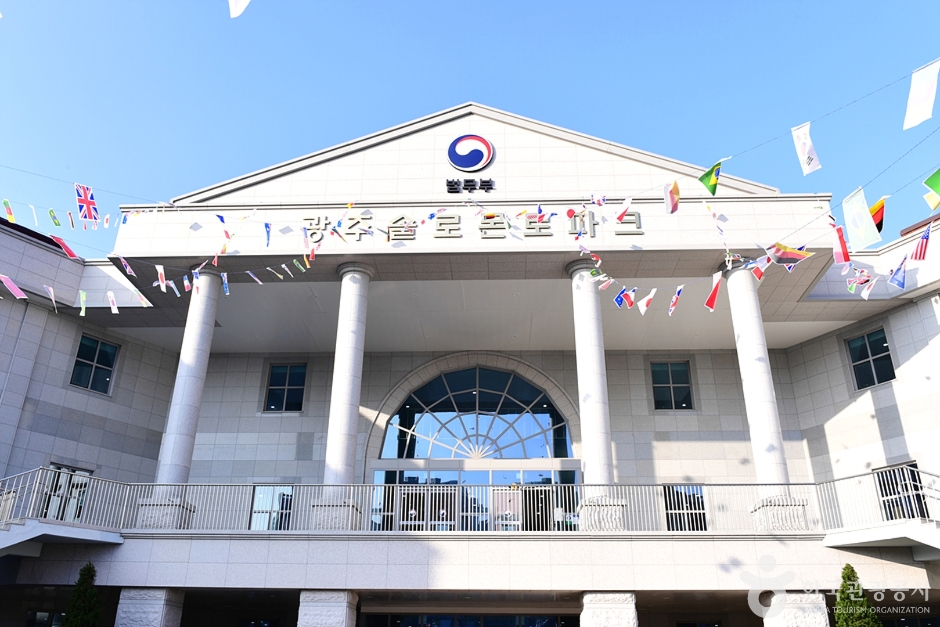
Solomon Law Park is a theme park operated by the Ministry of Justice, offering an experiential legal education. Visitors can learn about and experience the law in an easy and entertaining way. The Law Experience Center provides opportunities to experience legislation, investigation, courtrooms, and prisons. The park includes a Law Playground, as well as amenities like a leisure area and a convenience store.
Mudeungsan Lift Monorail (Jisan Park) (무등산 리프트모노레일 (지산유원지))
13.5Km 2025-08-12
14-10 Jiho-ro 164beon-gil, Dong-gu, Gwangju
To use the lift and monorail located at Jisan Park in Gwangju, visitors can purchase a ticket at the ticket office in the convenience store on the first floor and go up to the boarding area on the second floor. Get on the lift with a track length of 745 meters and an operating speed of 12 m/sec and climb for about 20 minutes while enjoying the scenery of Mudeungsan Mountain to arrive at Bitgoeul Station. From here, visitors can transfer to the monorail. Passengers can feel the thrill of riding toward the top on a monorail which can accommodate about 20 people at a time. A spectacular view of Mudeungsan Mountain will unfold in all directions. The view of Gwangju from Palgakjeong Observatory at the end of the monorail is a beautiful sight that visitors to Gwangju must see at least once as it is a famous attraction to enjoy the view of Gwangju.
Naju Geumseonggwan Hall (나주 금성관)
13.6Km 2021-08-17
8, Geumseonggwan-gil, Naju-si, Jeollanam-do
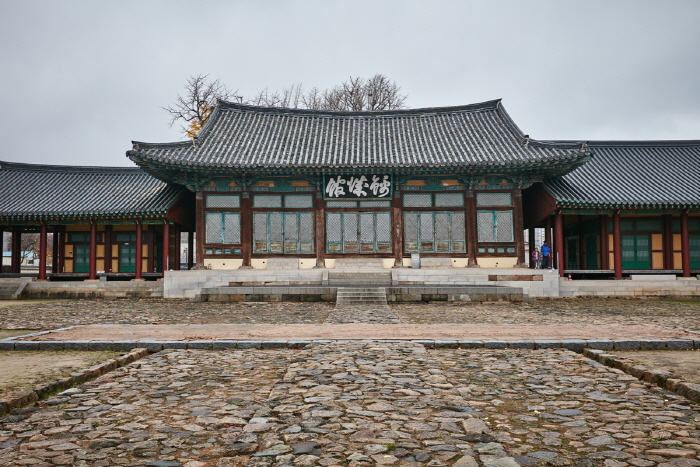
Naju Geumseonggwan Hall was a state-run guesthouse for government officials during the Joseon period. It was the venue for ceremonial praise rituals for the king, taking place on the first and 15th of each month, as well as banquets held in honor of visiting dignitaries. The building was constructed sometime between 1475 and 1479. The building was remodeled during the Japanese occupation, but was restored to its original design in 1977.
 English
 한국어
한국어 日本語
日本語 中文(简体)
 Deutsch
 Français
 Español
 Русский


