
Jeju National University Hospital (제주대학교병원)
15.4Km 2025-10-23
15 Aran 13-gil, Jeju-si, Jeju-do
Jeju National University Hospital is the only national university hospital in Jeju Island. We serve as the center of public healthcare in the region through education, research, and diagnosis. We are also contributing to the improvement of healthcare and leading the development of the medical industry. In other words, we are a pivotal institution responsible for the island's healthcare.
We are committed to achieving both quantitative and qualitative growth as a leading smart hospital. For example, we are attracting various specialized centers, introducing state-of-the-art equipment, recruiting excellent medical staff, and building a future medical information system.
In addition, Jeju Island has a beautiful natural environment and many places to see, so patients can freely enjoy sightseeing after receiving treatment.
Byeoldobong Peak (Beri Oreum) (별도봉(베리오름))
16.3Km 2025-08-18
Seonban-ro, Jeju-si, Jeju-do
Situated in the east of Hwabuk 1-dong and along the coast, Byeoldobong is a parasitic mountain made of siliciclastic sedimentary rocks and lava. Its northern slope is dominated by steep cliffs where a large rock called Jasalbawi Rock (Suicide Rock) is located. At the bottom of the cliffs are Goraegul Cave (Whale Cave) and an oddly-shaped rock that looks like a mother carrying her child on her back.
Despite being only 136m high, Byeoldobong is home to Jangsu Trail, a walking path that stretches over 1.8km around coastal cliffs, overlooking the ocean. Considered the most pleasant trail on Jeju Island, it offers a spectacular view of numerous peaks, Jeju Port and its nearby villages, and the emerald-blue sea. Naturally, it is a popular tourist destination for family visitors and couples.
Bunker des Lumières (빛의 벙커)
16.3Km 2025-03-26
2039-22, Goseong-ri, Seogwipo-si, Jeju-do
An old bunker, which had once been a state-owned key communications facility, was reborn as Bunker des Lumières after being sold to a private group in 2012. Bunker des Lumières is an immersive media art project formed with the concept of art regeneration that integrates art, technology and music. Masterpieces of world-famous artists like Gustav Klimt and Vincent van Gogh are presented through projection mapping technology as a new way to approach and enjoy art. Immersive media art provides the experience of being not only visually but also synaesthetically immersed in art, thus helping the audience to easily understand and enjoy various artworks. Fast-paced videos backed up with magnificent music are also an element that cannot be left out of immersive media art. The venue turned a neglected space into an exhibit so it also serves the function of urban regeneration. It is exciting to peruse an artist's life and their world of art through a film-like video.
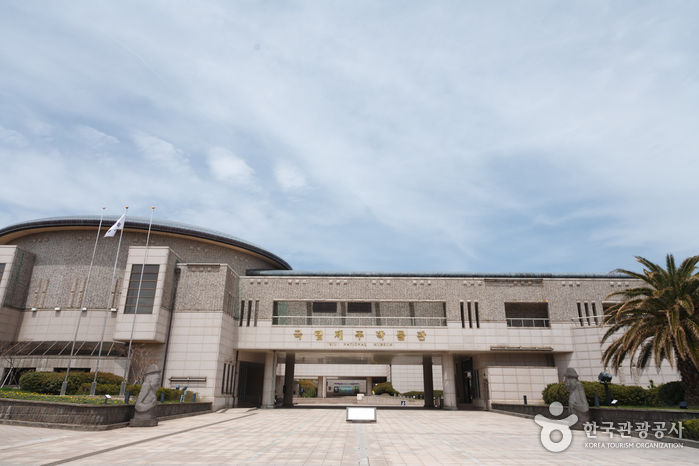
Jeju National Museum (국립제주박물관)
16.3Km 2021-08-06
17, Iljudong-ro, Jeju-si, Jeju-do
Opened on June 15, 2001, Jeju National Museum is a history museum that displays, preserves and studies Jeju Island’s historical and cultural assets. Jeju National Museum houses various remains excavated from ruins, including meaningful relics from the prehistoric age through to the Joseon dynasty. It boasts unique traditional culture and holds special exhibitions each year.
Honinji Pond (혼인지)
16.4Km 2022-12-26
39-22, Honinji-ro, Seogwipo-si, Jeju-do
Honinji Pond is connected to a myth of how agriculture and farming started on Jeju Island. Despite its small size, the pond is said to have been the location of the wedding between the Samsinin (three founding demi-gods) and three princesses of the East Kingdom. Next to the pond is Samseonghyeol, three caves that served as bridal homes. Honinji Pond and Samseonghyeol are great places to trace the origin of the founders of Jeju Island. In the summer, the area is in full bloom with red lotus flowers.
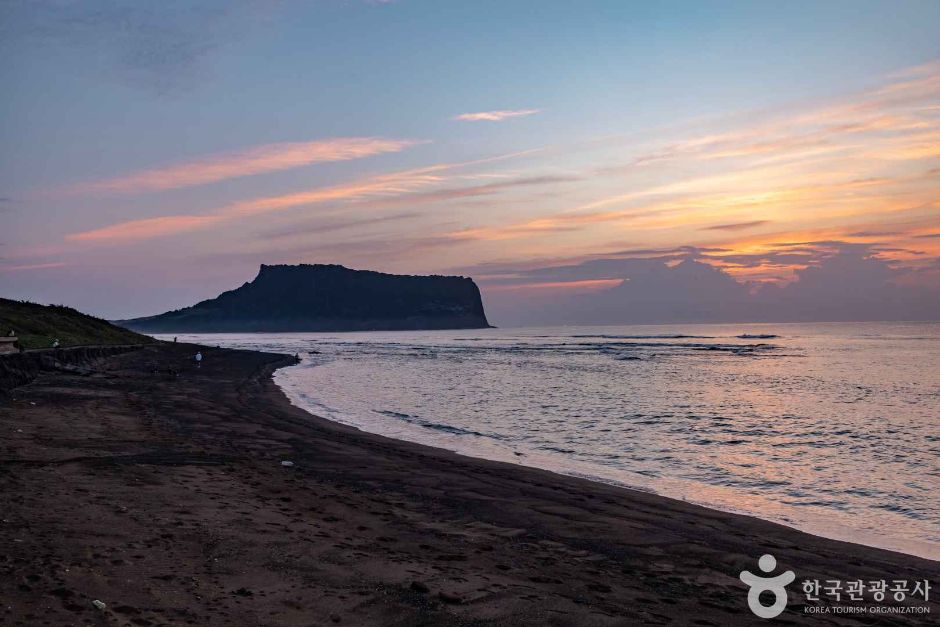
Gwangchigi Beach (광치기해변)
17.0Km 2025-04-07
Goseong-ri, Seongsan-eup, Seogwipo-si, Jeju-do
Located on the way from Seongsan Ilchulbong Tuff Cone to Seopjikoji, Gwangchigi Beach marks the end point of Jeju Olle Trail Route 1 and the starting point of Route 2. It is known for its unique geological formation, where hot lava cools down immediately upon meeting the sea. During low tides, visitors can see hidden scenic spots. The frozen lava covered with green moss, creates a spectacular view. In particular, the stunning sunrise view with Seongsan Ilchulbong Tuff Cone in the backdrop attracts a lot of visitors. The beach is also known for its black sand. (Information courtesy: Visit Jeju)
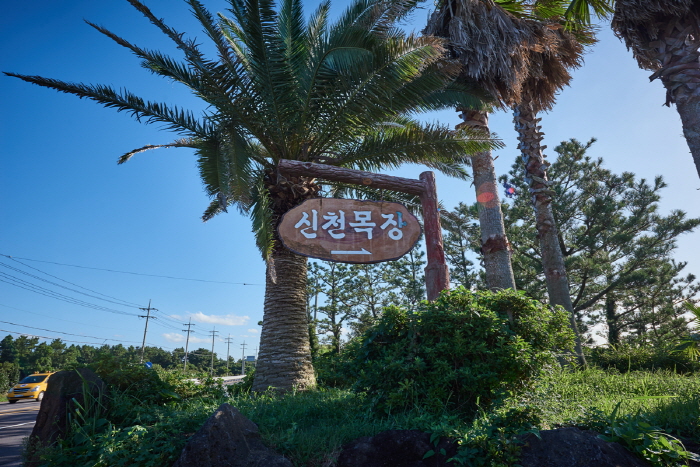
Sinpung Sincheon Seaside Ranch (신풍 신천 바다목장)
17.1Km 2021-09-15
5417, Iljudong-ro, Seogwipo-si, Jeju-do
Jungsangangil Road, part of the Jeju Olle Trail, stretches 14 kilometers, and has a calm ambience. Old stone walls and dense trees line both sides of the road. The road also leads to Seaside Ranch Road, which is open to the public. The road is a unique location on Jeju with expansive green fields located next to the ocean.
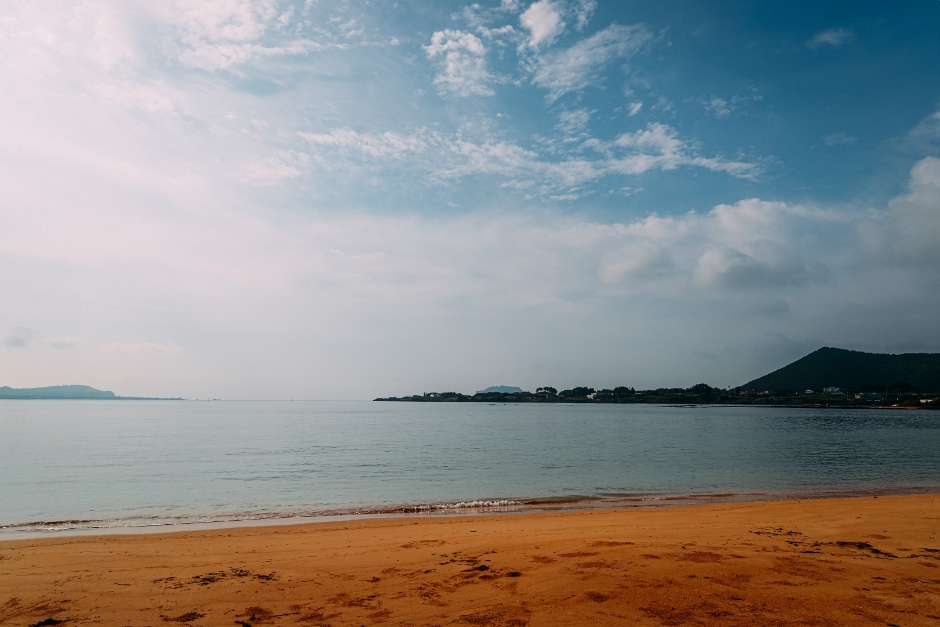
Hado Beach (하도해변)
17.3Km 2025-10-27
1973 Haemajihaean-ro, Gujwa-eup, Jeju-si, Jeju-do
Located by the roadside of Hado-ri, known as the most beautiful coastal road in Jeju, Hado Beach is relatively quiet compared to other beaches in Jeju, featuring wide sandy beaches and clear, shallow waters. The gentle scenery unfolds with calm waves, making it suitable for marine leisure activities such as snorkeling and kayaking. Like Rain and Noh Hong-chul in "The Hungry and the Hairy," you can spread a simple table and chair and enjoy a cup of coffee quietly.
Jeju Folklore & Natural History Museum (제주민속자연사박물관)
17.5Km 2024-03-13
40 Samseong-ro, Jeju-si, Jeju-do
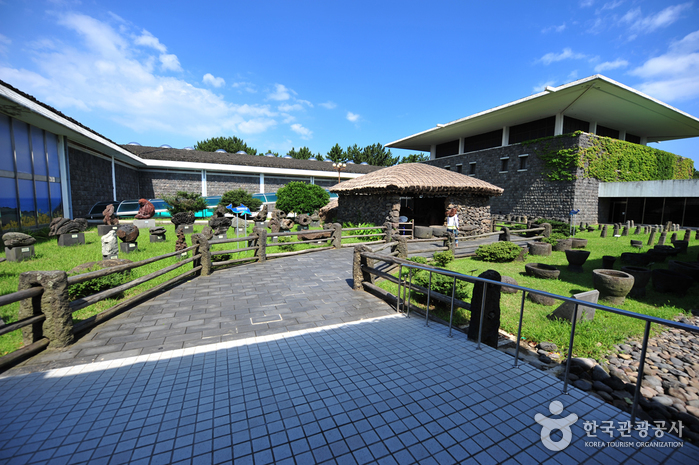
The Jeju Folklore & Natural History Museum showcases the island's unique traditional culture and natural environment. It features exhibits on Jeju’s natural history, folklore, marine life, and an interactive Jeju Experience Center. Enhancing visitor engamgent, the museum includes dioramas and animated films. A highlight of the Sea Exhibition Hall is the 13m-long skeleton of a Bryde's whale, discovered dead on a jeju beach in 2004.
5.16 Tree Tunnel (Road 5.16 Forest Tunnel) (5.16도로숲터널)
17.5Km 2024-01-31
267-110 Sillyecheon-ro, Namwon-eup, Seogwipo-si, Jeju-do
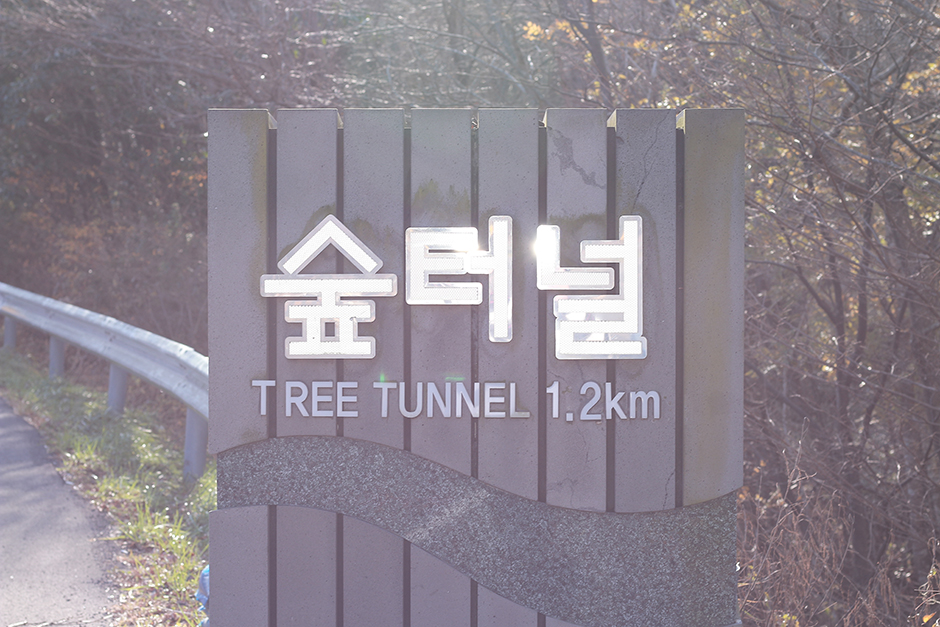
The 5.16 Road is the first national highway of Jeju and connects the cities of Jeju and Seogwipo. Drive the winding road toward Seogwipo to the points about 2.6 to 1.2 kilometers at a distance from Hallasan Seongpanak Rest Area to reach a tree tunnel shaped like an arch made with evergreen trees and deciduous trees. At the northern entrance to the tree tunnel, there is a sign reading, “The road is more beautiful if you drive slowly.” The road here is narrow and has many curves, causing a risk of accidents, so drivers should be careful. Another reason to slow down while driving on this road is to appreciate the surrounding scenery.
Located at the foot of Hallasan Mountain, the road provides various aspects of nature throughout the four seasons. Trees that extend out from both sides of the road and are bent as if embracing the sky provide cool shade in the summer, red leaves in the fall, and dazzling snow scenes in the winter. The 5.16 Tree Tunnel presents picturesque four seasons of Jeju.
 English
 한국어
한국어 日本語
日本語 中文(简体)
 Deutsch
 Français
 Español
 Русский


