
Maze Museum (메이즈랜드)
12.9Km 2025-10-23
2134-47 Bijarim-ro, Gujwa-eup, Jeju-si, Jeju-do
+82-64-784-3838
Maze Museum, a comprehensive theme park, features the world's longest stone maze, spanning 5.3 km and themed around Jeju’s Samda—the island’s iconic triad of stones, wind, and women. Proudly showcasing Korea’s natural beauty, the park also houses a museum where visitors can explore the history of mazes, view artifacts, and solve puzzles dating from the 14th century to modern times. Constructed from local stones known for their high far-infrared ray emission and the western arborvitae trees, which release beneficial phytoncides, Maze Museum is an eco-friendly park designed with health benefits in mind, offering more than just walking mazes. The site is enveloped by a variety of 40-year-old trees, providing an ideal environment for forest bathing and immersing in nature.
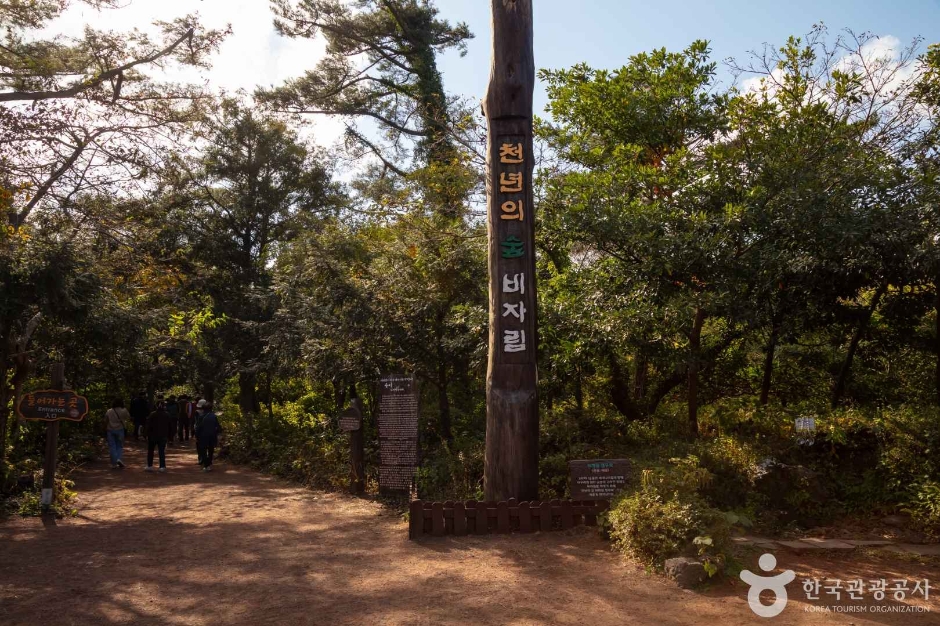
Bijarim Forest (비자림)
13.3Km 2025-04-01
55 Bijasup-gil, Jeju-si, Jeju-do
+82-64-710-7912
Designated and protected as a Natural Monument, Bijarim Forest is home to 2,800 bija trees, ranging from 500 to 800 years in age, spread over 448,165㎡ land area. These majestic trees range from 7-14 meters in x_height, 50-110 centimeters in diameter, and 10-15 meters in crown x_width, so this forest is quite a rare example of its kind in the world. The berries of bija trees were used widely as a medicine used to kill parasites, while the wood was used to make premium furniture and go boards. Forest bathing in a bija forest helps to combat arteriosclerosis, mitigate physical and psychological fatigue, and restore the body’s rhythm.
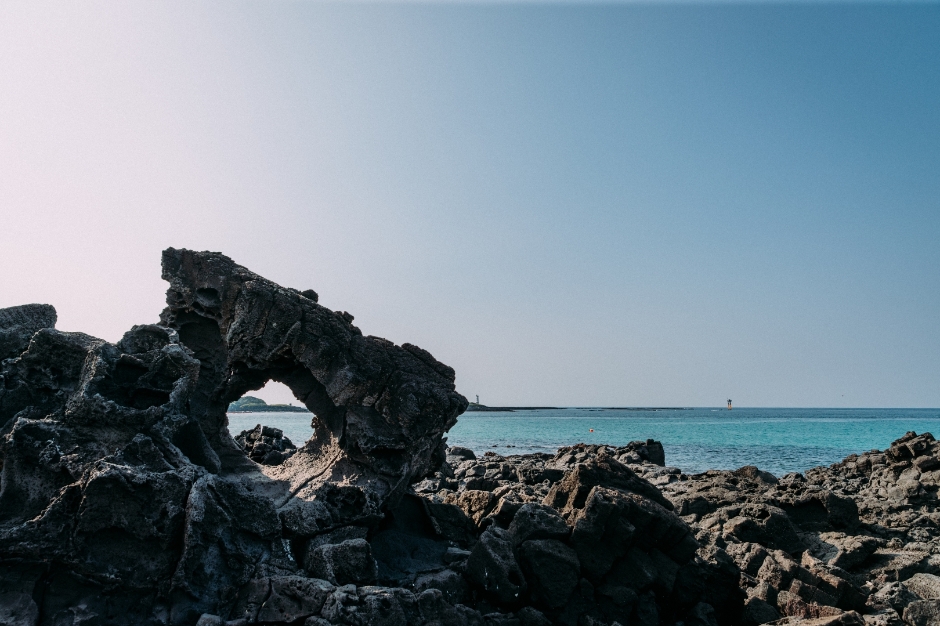
Changkkom (창꼼)
13.4Km 2025-10-29
393 Bukchon-ri, Jocheon-eup, Jeju-si, Jeju-do
Changkkom is a unique rock formation with a window-shaped hole, popular among tourists for taking photos.
![Manjanggul Lava Tube [National Geopark] (만장굴 (제주도 국가지질공원))](http://tong.visitkorea.or.kr/cms/resource/55/3354155_image2_1.jpg)
Manjanggul Lava Tube [National Geopark] (만장굴 (제주도 국가지질공원))
13.6Km 2025-03-31
182 Manjanggul-gil, Jeju-si, Jeju-do
Manjanggul Lava Tube, located in Gimnyeong-ri, Jeju, is part of the Geomunoreum Lava Tube system. The lava tube stretches roughly 7,400 meters, with a maximum x_height of 25 meters and x_width of 18 meters. These measurements make it one of the largest lava tubes in the world. Manjanggul holds great value for science and conservation studies, having well-maintained formations despite being formed over one hundred thousand years ago.
The majority of the cave is closed off, with only 1 kilometer being open to tourists. Within this open section, visitors can see a variety of lava tube and cave topographical features, including stalagtites, stalagmites, and stone pillars. Among these, the 7.6-meter-tall stone pillar at the end of the open section is recorded as the largest in the world.
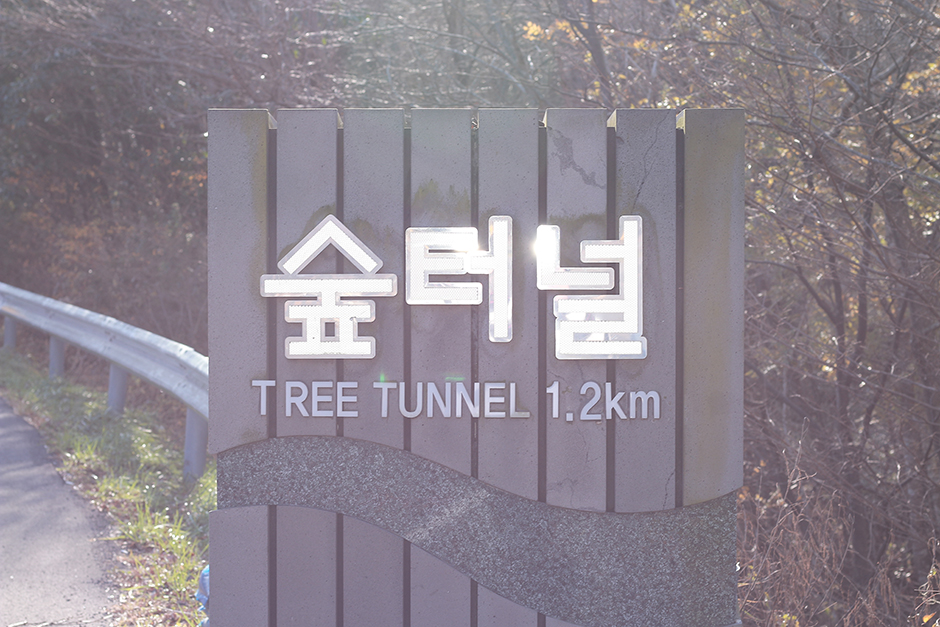
5.16 Tree Tunnel (Road 5.16 Forest Tunnel) (5.16도로숲터널)
13.8Km 2024-01-31
267-110 Sillyecheon-ro, Namwon-eup, Seogwipo-si, Jeju-do
The 5.16 Road is the first national highway of Jeju and connects the cities of Jeju and Seogwipo. Drive the winding road toward Seogwipo to the points about 2.6 to 1.2 kilometers at a distance from Hallasan Seongpanak Rest Area to reach a tree tunnel shaped like an arch made with evergreen trees and deciduous trees. At the northern entrance to the tree tunnel, there is a sign reading, “The road is more beautiful if you drive slowly.” The road here is narrow and has many curves, causing a risk of accidents, so drivers should be careful. Another reason to slow down while driving on this road is to appreciate the surrounding scenery.
Located at the foot of Hallasan Mountain, the road provides various aspects of nature throughout the four seasons. Trees that extend out from both sides of the road and are bent as if embracing the sky provide cool shade in the summer, red leaves in the fall, and dazzling snow scenes in the winter. The 5.16 Tree Tunnel presents picturesque four seasons of Jeju.
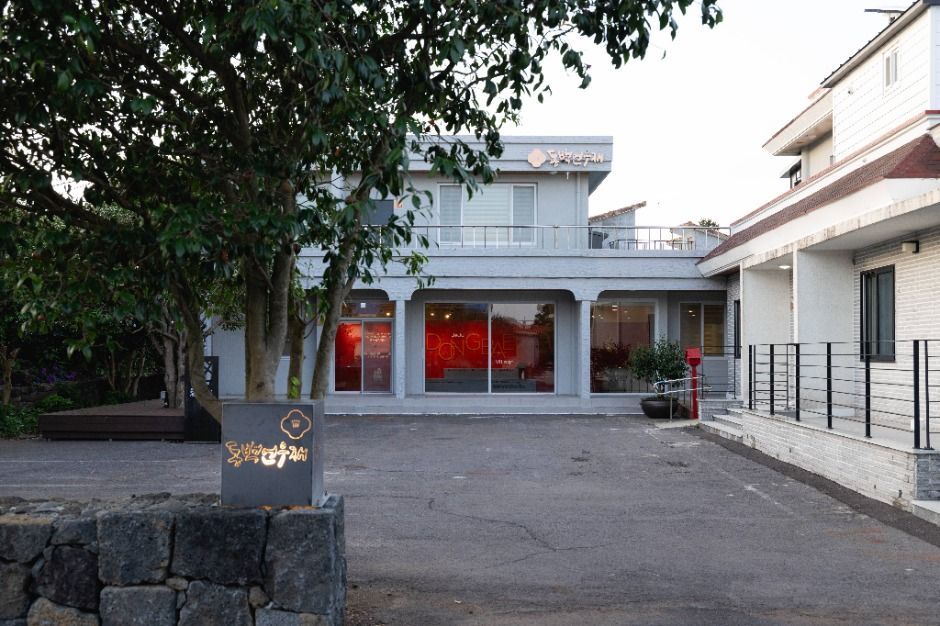
Jeju Dongbaek Village (제주 동백마을)
14.1Km 2025-11-21
22-1 Hansin-ro 531beon-gil, Namwon-eup, Seogwipo-si, Jeju-do
Located in Seogwipo, Jeju Camellia Village has a 300-year history with its native camellia trees, and is involved in various projects. Visitors can explore the 300-400-year-old camellia trees scattered throughout the village, purchase authentic camellia oil from the community-operated mill, and participate in various experience programs such as camellia soap-making and cooking classes using camellia oil. From October to March, visitors can also purchase tangerines, locally produced by the village residents. The local community is dedicated to preserving the camellia forest for future generations, offering visitors a chance to experience the village’s beauty.
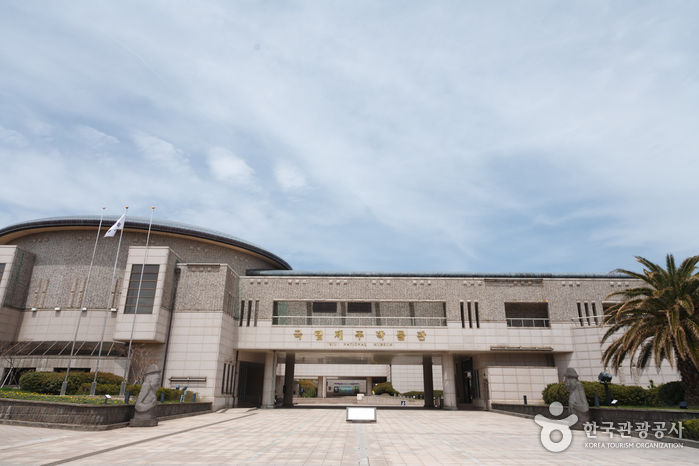
Jeju National Museum (국립제주박물관)
14.2Km 2021-08-06
17, Iljudong-ro, Jeju-si, Jeju-do
+82-64-720-8000
Opened on June 15, 2001, Jeju National Museum is a history museum that displays, preserves and studies Jeju Island’s historical and cultural assets. Jeju National Museum houses various remains excavated from ruins, including meaningful relics from the prehistoric age through to the Joseon dynasty. It boasts unique traditional culture and holds special exhibitions each year.
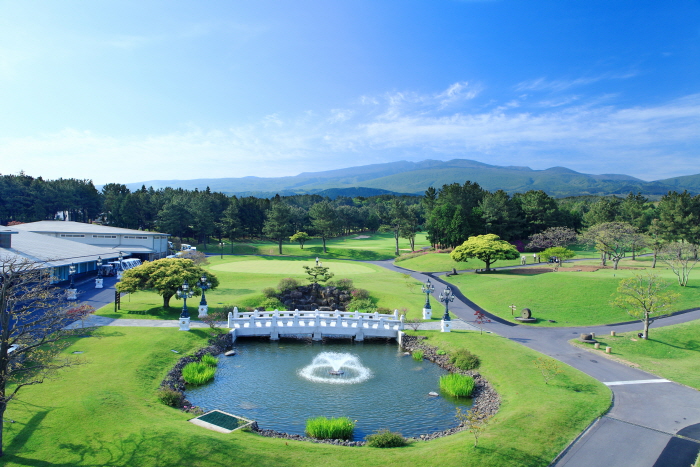
Ora Country Club (오라컨트리클럽)
14.3Km 2025-01-06
130-16, Oranam-ro, Jeju-si, Jeju-do
+82-64-747-5100
Ora Country Club was founded along a valley of Hallasan Mountain particularly praised for its splendid beauty. The country club has a 36-hole course designed according to the international standards. The club is designed to provide an unforgettable game surrounded by Jeju Island's natural beauty.
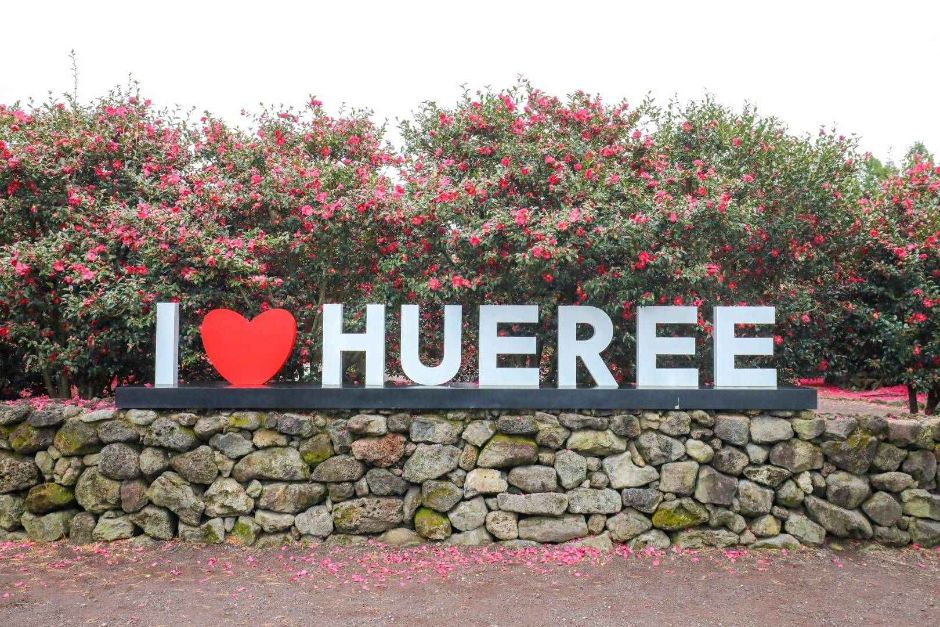
Hueree Natural Park (휴애리자연생활공원)
14.3Km 2024-12-04
256 Sillyedong-ro, Namwon-eup, Seogwipo-si, Jeju-do
+82-64-732-2114
Hueree Natural Park is a beautiful flower park boasting year-round flower festivals, highlighting the beauty of diverse seasonal flowers with the stunning backdrop of Hallasan Mountain. In addition, it also offers a series of programs for visitors to get up close and feed animals (such as black pigs), to play traditional games, and to walk barefoot through volcanic cinders. From October to January, the mandarin picking experience is a highlight.
Byeoldobong Peak (Beri Oreum) (별도봉(베리오름))
14.3Km 2025-08-18
Seonban-ro, Jeju-si, Jeju-do
+82-64-740-6000
Situated in the east of Hwabuk 1-dong and along the coast, Byeoldobong is a parasitic mountain made of siliciclastic sedimentary rocks and lava. Its northern slope is dominated by steep cliffs where a large rock called Jasalbawi Rock (Suicide Rock) is located. At the bottom of the cliffs are Goraegul Cave (Whale Cave) and an oddly-shaped rock that looks like a mother carrying her child on her back.
Despite being only 136m high, Byeoldobong is home to Jangsu Trail, a walking path that stretches over 1.8km around coastal cliffs, overlooking the ocean. Considered the most pleasant trail on Jeju Island, it offers a spectacular view of numerous peaks, Jeju Port and its nearby villages, and the emerald-blue sea. Naturally, it is a popular tourist destination for family visitors and couples.
 English
 한국어
한국어 日本語
日本語 中文(简体)
 Deutsch
 Français
 Español
 Русский


