Soando Island (소안도)
.0M 2021-11-12
Soan-myeon, Wando-gun, Jeollanam-do
+82-61-550-5609
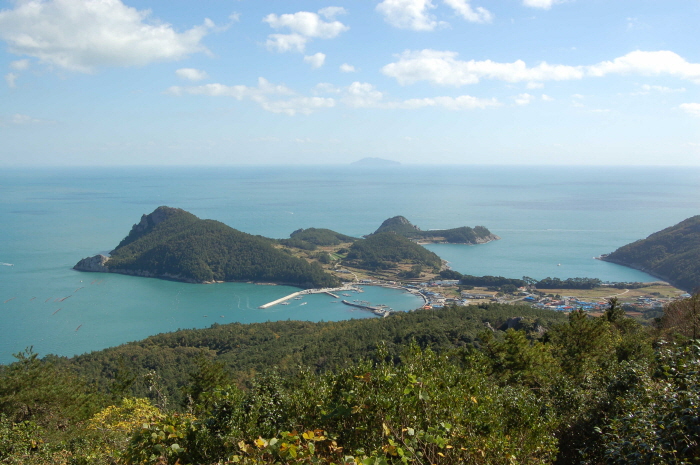
Soando Island was settled by the Oh Family of Dongbok and the Kim Family of Gimhae, who moved to the island during the Imjin War. It was a very patriotic island during the Japanese occupation, stated to have flown the Korean flag all-year round. Patriots like Song Nae-ho, who fought hard for Korean independence, are remembered on the island at Soan Independence Movement Hall.
In addition, Mira-ri and Maengseong-ri Evergreen Forests, which have been designated as Natural Monuments No. 339 and No. 400 respectively, offer a breathtaking ocean view. Mira-ri Evergreen Forest, in particular, is famous for its unique mudflat pebbles. The waters around the island are also popular among fishermen nationwide.

Jungni Beach (중리해수욕장)
5.2Km 2021-07-14
Jungtong-ri, Wando-gun, Jeollanam-do
+82-61-550-6625
Jungni Beach is the best beach for swimming in the sea on Bogildo Island. The white sandy beach is long and the depth of the water is shallow enough for people to enjoy, even at 200 meters into the water. The beach is also lined with pine trees that provide shade from the hot sun. The road to the beach is also paved, making it easy to reach.
Within a little distance from Jungni Beach there is a small and beautiful beach called Tongni Beach. The silver sand is lined with pine trees and the water is shallow. During summer, visitors can access the shower booths, water fountains, and convenience store at Jungni Beach and Tongni Beach. Accommodations and restaurants can be found in the nearby village. Approximately 1.5 kilometers away, there is an evergreen forest (Natural Monument No. 40) and a river with large black rocks stretching 1 kilometer.
Nohwado Island (노화도)
7.1Km 2022-06-20
813, Nohwa-ro, Wando-gun, Jeollanam-do
+82-61-550-5152
Nohwado Island, a stopping point en route to Bogildo Island, is well known for its abalone and mussel production. The island produces 70% of Korea's cultivated abalone, and offers seashell harvesting programs. Other attractions include Nohwa Red Sea, Geuknaksa Temple, and the 450-year-old hackberry tree.
Bogildo Island Seyeonjeong Pavilion (보길도 세연정)
8.3Km 2021-12-23
57, Buhwang-gil, Wando-gun, Jeollanam-do
+82-61-550-5761
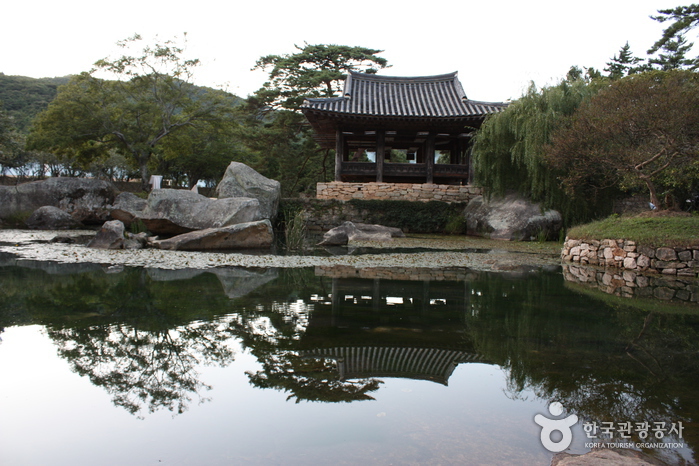
Yun Seon-do (1587~1671), a non-military civil administrator and poet in the mid Joseon dynasty, could hardly contain his anger after hearing the news that the king had surrendered during the Byeongjahoran War (Chinese invasion of Korea in 1636). Following the events, he decided to live in seclusion by moving to Jeju Island. However, on the way to Jeju, he came across Bogildo Island and he was so inspired by its beauty that he ended up settling down on Bogildo instead.
For the following 13 years, he composed great poems such as "Eobusasisa (Fisherman's Song for Four Seasons)." Some of the mountain peaks and rocks named by him still remain on the island.
Seyeonjeong Pavilion was built by Yun Seondo and this is the birthplace of his literary works. On clear days, he would come to the pavilion with his family and let singers sing his verses.
Bogildo Island embraces both the Eastern outlook on nature and Neo-Confucianism ideology. While going around the island, visitors will get some semblance of how Yun Seondo harmonized man and nature through the combination of the island's natural and the man-made features.
Bogildo Island (보길도)
11.0Km 2021-09-04
Bogil-myeon, Wando-gun, Jeollanam-do
+82-61-550-5152
Located about 12 kilometers away from Wando Port, Bogildo Island was once inhabited by a famous Joseon poet named Yun Seon-do, who found the island by chance when he sought shelter from a typhoon he encountered on his way to Jeju Island. During his 10-year stay on the island, he built 25 buildings, including Seyeonjeong and Nakseonjae Pavilions. His most noted work "Eobusasisa" was also written here.
The island has three beautiful beaches, serving as a popular vacation destination. The southernmost Yesong-ri Beach is especially popular for its astounding views with a 1.4-kilometer stretch of pebbled shore with an evergreen forest nearby.
Dadohaehaesang National Park (Wando Section) (다도해해상국립공원(완도))
12.9Km 2024-04-04
Wando-eup, Wando-gun, Jeollanam-do
+82-61-550-0900
Dadohaehaesang National Park was established on December 23, 1981 as the 14th national park, and it is the nation's largest park, spread over 2,344 ㎢. Within this area are nearly 1,700 islands of varying sizes, including Hongdo, Heuksando, Geomundo, and Baekdo Islands. During the Silla period, the King of the Sea, Jang Bogo established the maritime world and during the Goryeo dynasty, the area was a trading path with the Yuan and Song dynasties. Also, it was the battlefield where Admiral Yi Sun-sin defeated the invading navy during the Imjin War (1592-1598). Likewise, historical sites remain in many places.
Wando Jeongdo-ri Gugyedeung Pebble Beach (완도 정도리 구계등)
17.5Km 2024-02-20
152-1 Jeongdo-ri, Wando-eup, Wando-gun, Jeollanam-do
Gugyedeung Pebble Beach is the area near in Wando Port. The rounded pebbles, such as those found at Gugyedeung Pebble Beach, Jeongdo-ri, have been smoothed and rounded by waves over tens of thousands of years. The unique sound of waves crashing against the pebbles is like a song, and the harmony between the sea and forest paths is beautiful, attracting many travelers.
Wando Fishery and Folklore Museum (완도어촌민속전시관)
17.9Km 2022-08-25
149, Hwaheungpo-gil, Wando-gun, Jeollanam-do
+82-61-550-6911
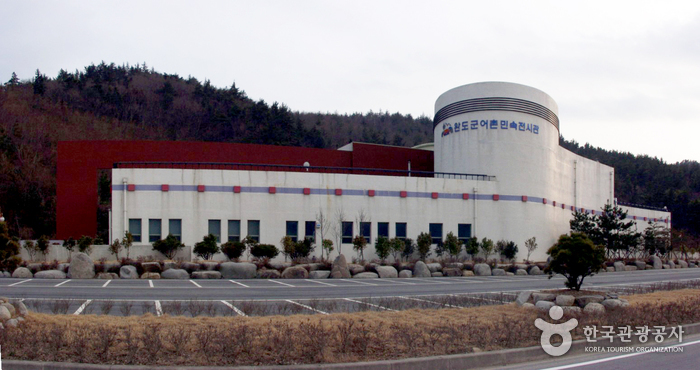
During the Jangbogo Festival, mariners from the Wando area donated rare animals, plants, fish, and shellfish. The sea animals and plants exhibition event attracted a large number of visitors increasing tourism in the area. In response to the public opinion Wando-gun built an exhibition hall to provide tourism and marine folklore education.
Cheonghaepogu Filming Set (완도 청해포구촬영장)
19.4Km 2025-10-23
1161-8 Cheonghaejinseo-ro, Wando-eup, Wando-gun, Jeollanam-do
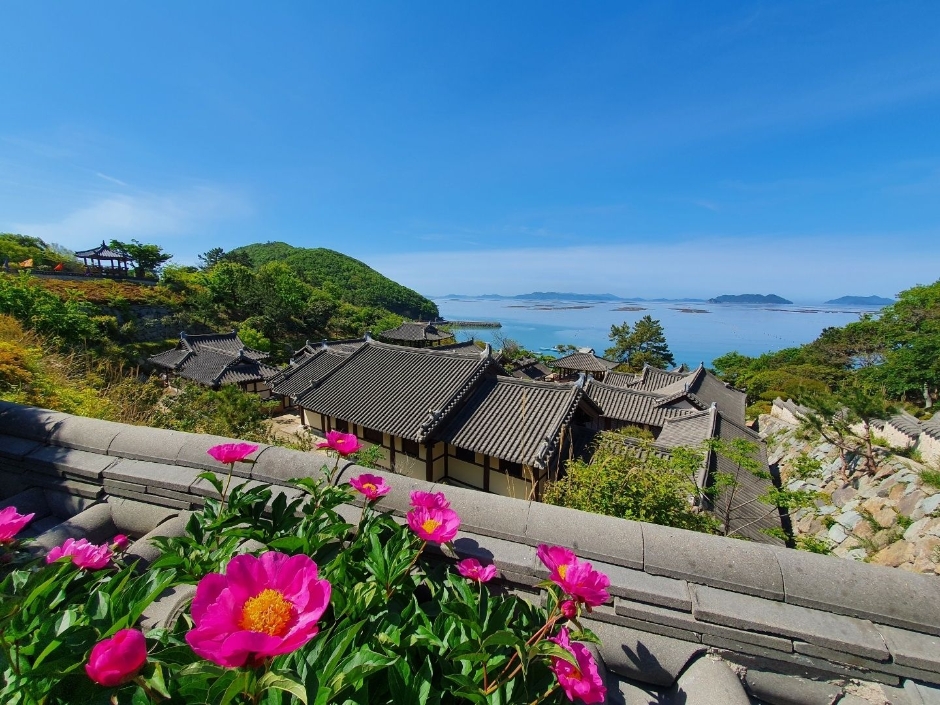
Located beside the sea, this filming location boasts a port. It became the leading shooting site for popular movies such as "The Admiral: Roaring Currents," "The Pirates," and the drama "The Slave Hunters." Experience wearing costumes with the beautiful South Sea and traditional Korean villages as a backdrop, play traditional folk games, and participate in agricultural ecology experience programs.

Ttangkkeut Observatory (땅끝전망대)
19.5Km 2025-02-03
100 Ttangkkeunmaeul-gil, Songji-myeon, Haenam-gun, Jeollanam-do
The edge of the Haenam is referred to as ttangkkeut, which literally means at the end of the land. Located on Galdusan Mountain, the Ttangkkeut Observatory provides a panoramic view spanning from Jindo Island to Wando Island. The first floor of the observatory features a photo booth, where visitors can take pictures with Haenam’s Mascot and Ttangkkeut Village in the background. The café on the first floor provides visitors an opportunity to rest. Even though the observatory is easily accessible by walk, it is recommended to take the monorail, which offers a beautiful view of the Ttangkkeut Village.
 English
 한국어
한국어 日本語
日本語 中文(简体)
 Deutsch
 Français
 Español
 Русский


