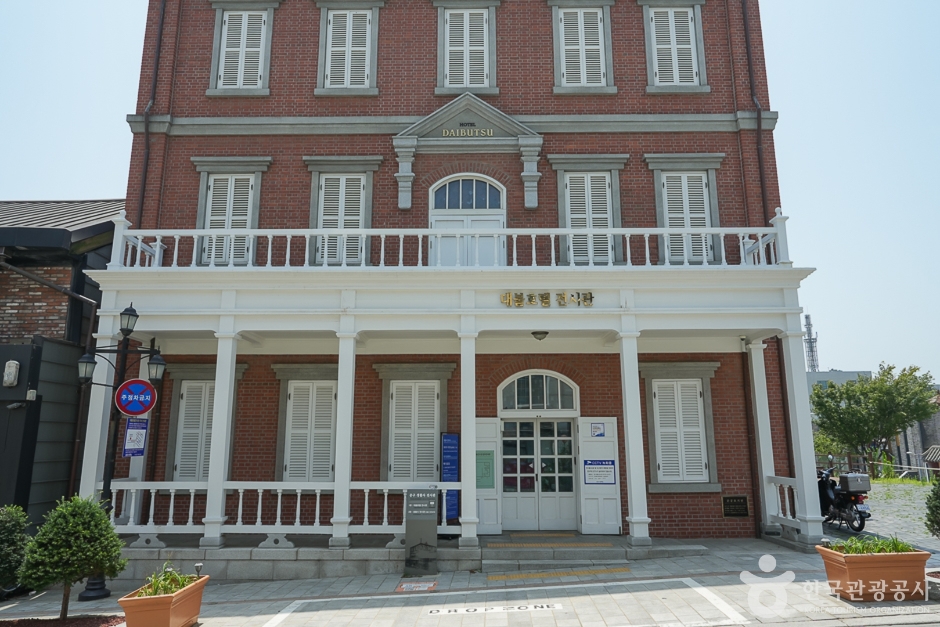
Daebul Hotel Exhibition Hall (대불호텔전시관)
4.8Km 2025-10-23
101 Sinpo-ro 23beon-gil, Jung-gu, Incheon
This museum is located on the site of Daebul Hotel, Korea's first Western-style hotel, established in 1889. The hotel was demolished in 1978, but parts of the hotel structure were discovered in 2011 and rebuilt to preserve the hotel's original appearance. The first floor is the Daebul Hotel Exhibition Hall, through which visitors can see traces of Daebul Hotel at the time. The second floor is the Jung-gu Life History Museum, where visitors can get a glimpse of life in Incheon's Jung-gu area in the 1960s and 1970s.
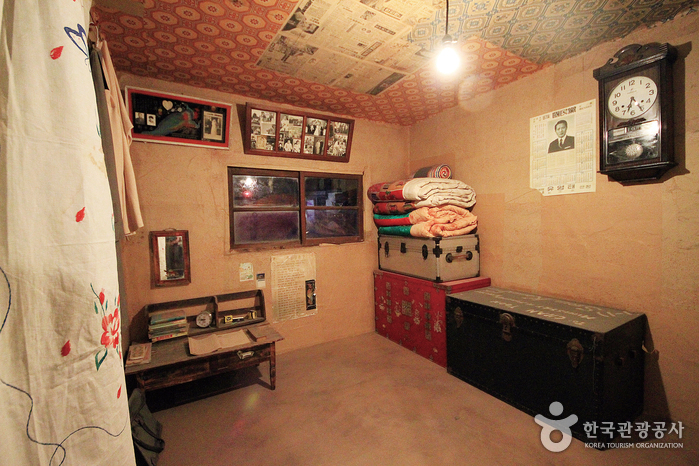
Sudoguksan Museum of Housing and Living (수도국산달동네박물관)
4.8Km 2022-09-13
51, Solbit-ro, Dong-gu, Incheon
+82-32-770-6130
Sudoguksan Museum of Housing and Living, located within Songhyun Park, Dong-gu Incheon, opened on October 25, 2005. Consisting of two floors, the museum exhibits the life of citizens living in Incheon's "daldongne," the impoverished hillside areas. It exhibits reproductions of various scenes of daily life from the 1960s and 1970s.
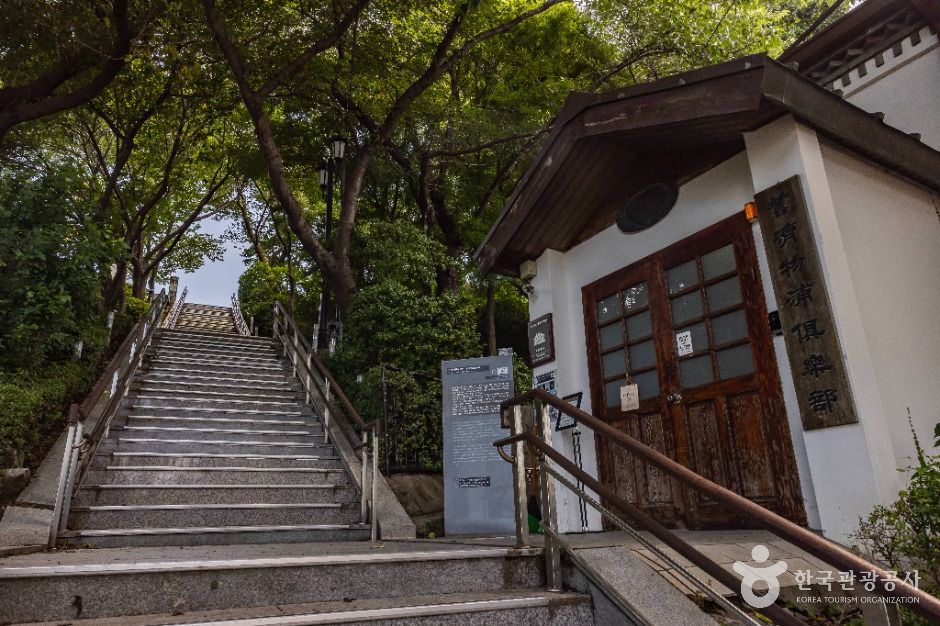
Jemulpo Club (제물포구락부)
4.8Km 2025-10-23
25 Jayugongwonnam-ro, Jung-gu, Incheon
+82-32-765-0261
Jemulpo Club, also called Jeumulpo Gurakbu, was established in 1901 to be used as the venue for foreigners such as American, English, German, French, Russian and a small minority of Chinese and Japanese all living in Incheon to build up friendships before opening the port. The two-story brick building was comprised of a library room, pool table, tennis court and others facilities.
The site was used as Incheon Museum from 1953 to 1990 and Incheon Cultural Center from 1990 to 2006. In 2007, the name was changed to Jemulpo Gurabu, imphasizing the Japanese pronunciation of "club." It now offers a site for experiencing modern culture interactions.

Ilmi Dental Clinic (일미치과의원)
4.8Km 2025-10-23
(9th Floor), 428 Gyeongin-ro, Michuhol-gu, Incheon
Ilmi Dental Clinic is a specialized dental clinic for the treatment of snoring and sleep apnea.
With over 30 years of experience in implant and prosthetic treatments, Ilmi Dental Clinic has actively sought patient feedback and developed the Pasa device for preventing snoring and sleep apnea about 10 years ago. Since then, the Pasa device has been used in the treatment of snoring patients nationwide. Dr. Park Young-Hyun’s CT-based diagnostic method for identifying the causes of snoring and the personalized Pasa oral appliance therapy are exclusively available at Ilmi Dental Clinic.
Currently, apart from uncomfortable positive airway pressure machines, there are no other comfortable treatments for snoring. However, Ilmi Dental Clinic offers a solution to this problem. Additionally, dental treatments can be challenging for international patients who need multiple visits, but Ilmi Dental Clinic can provide effective treatment for snoring and sleep apnea in just one day at a reasonable price.
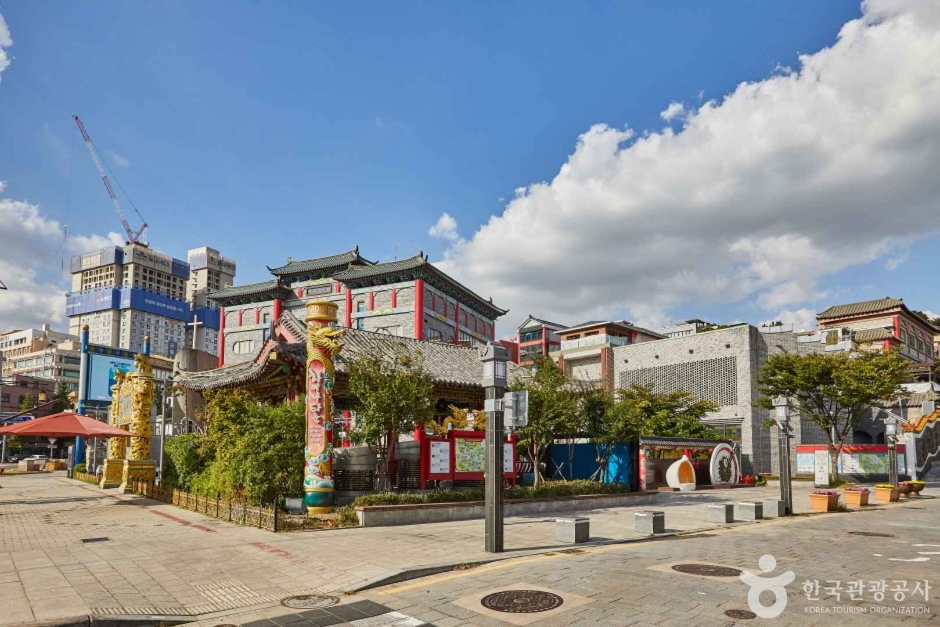
Incheon Chinatown (인천 차이나타운)
4.8Km 2025-10-23
20 Chinatown-ro 59beon-gil, Jung-gu, Incheon
Incheon's Chinatown came into being with the opening of Incheon Port in 1883 and Incheon's designation as an extraterritoriality of the Ching dynasty in the following year. In the past, the area held many stores trading goods imported from China, but currently most Chinese businesses in the area are restaurants. Today, the residents of Chinatown are mostly 2nd or 3rd generation Chinese, descendents of the early Chinese settlers. The area harbors many of the flavors of China, while the traditional culture of the first generation is preserved.
Cheongil Jogyeji Stairway (청일조계지 경계 계단)
4.8Km 2025-05-20
Seollin-dong, Jung-gu, Incheon
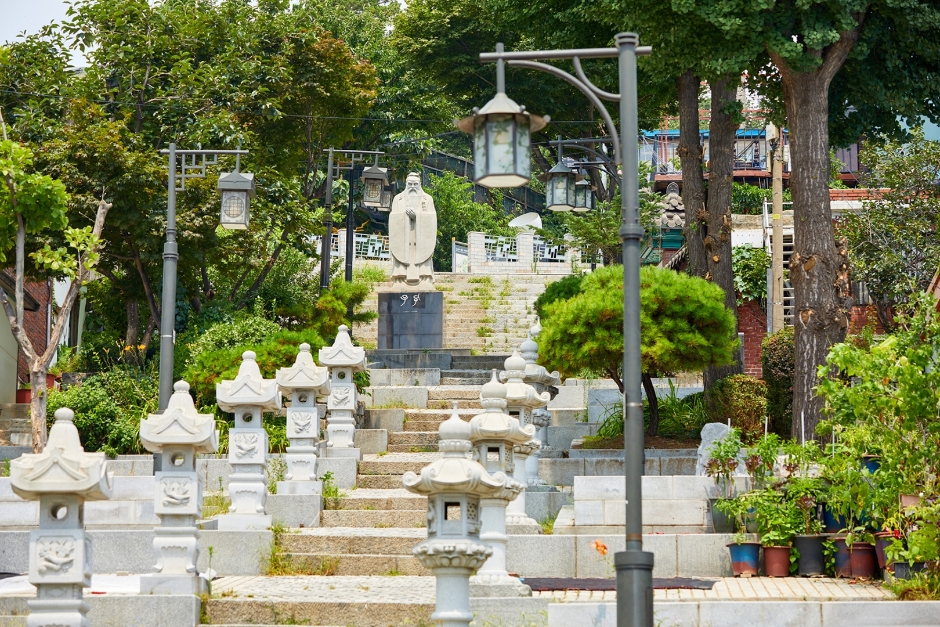
The border stairs of the Sino-Japanese Concession (an exclusive residential area set up for foreigners to live freely in ports opened for foreign trade) are located on a steep hill southwest of Jayu Park. It is a meaningful attraction with a history of about 120 years. The concession areas are divided into the Qing Dynasty concession on the left and the Japanese concession on the right with the stone stairs in the center. The buildings on the left and right clearly show each country's architectural styles and characteristics of the past.
Songdo Hanok Village (송도 한옥마을)
4.8Km 2023-03-21
180, Techno park-ro, Yeonsu-gu, Incheon
+82-32-721-4415
Songdo Hanok Village is a hanok village built in Songdo-dong, Yeonsu-gu, Incheon. It is not a village of old traditional houses but a hanok complex newly built in 2013. The contrast between the high-rise buildings of Songdo International City and the hanok complex creates a space where the West and the East meet. It is said that the initial plan was to create a space for experiencing traditional culture, but now the entire site of the hanok traditional village is leased to a restaurant and used for commercial facilities such as hotels, restaurants, and cafes built in hanok. It is also known as the filming location for the dramas, attracting many visitors.
Hanjungwon (한중원)
4.9Km 2024-01-04
12 Chinatown-ro 59beon-gil, Jung-gu, Incheon
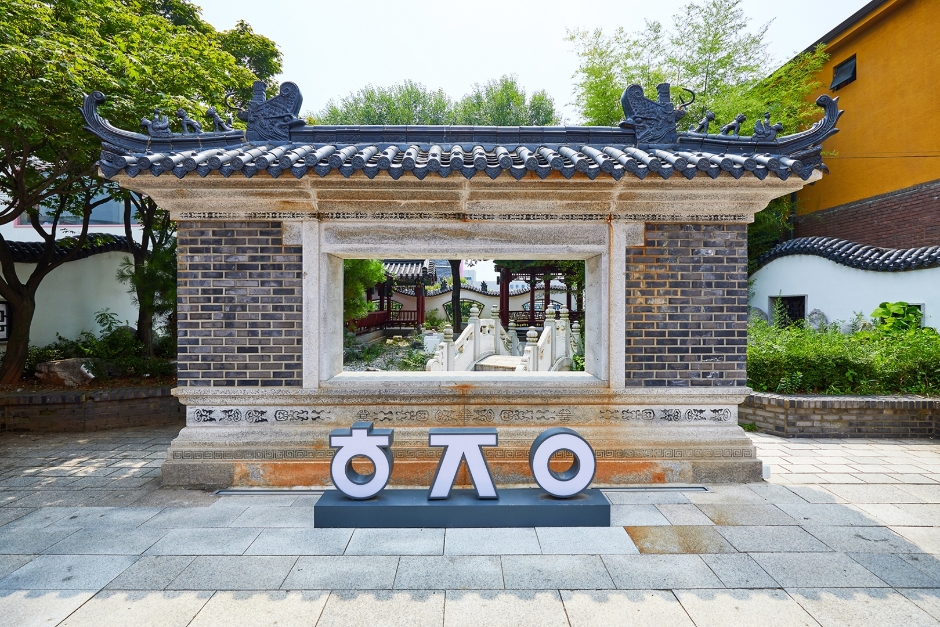
Hanjungwon is a Chinese-style garden built to commemorate the establishment of diplomatic relations between Korea and China, making it a great place to rest after looking around Chinatown. It was created with the motif of the garden style of the Suzhou region in the mid and late Qing Dynasty. Plants native to China are planted, such as bamboo, roses, and peonies, giving it an exotic atmosphere. There are human figures wearing traditional Chinese costumes on both sides of the entrance, making it a famous photo zone.
Taehwawon (태화원)
4.9Km 2024-12-02
10 Chinatown-ro 59beon-gil, Jung-gu, Incheon
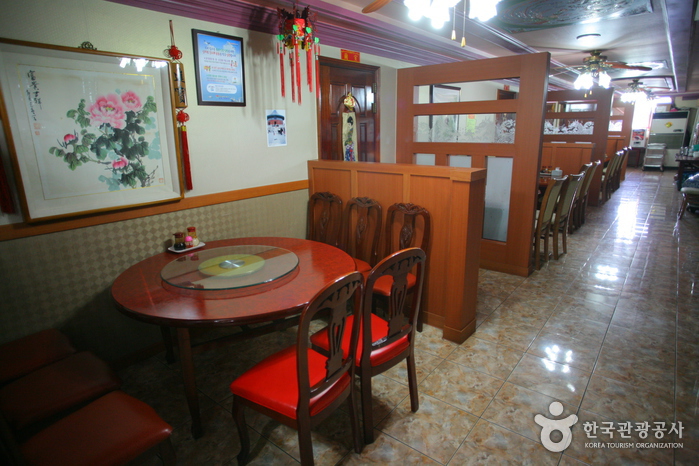
Now in its third generation, this Korean-Chinese restaurant, established in 1926, is one of the earliest in Incheon Chinatown and is renowned for preserving traditional flavors. Its signature Incheon Hyangto Jjajang (Incheon-style black bean sauce noodles) is crafted with the restaurant's own chunjang and seasonal ingredients, offering a richer, deeper taste than jjajangmyeon made with store-bought sauce. The restaurant also offers a vegetarian menu.
Incheon Hwapyeong-dong Sesutdaeya Naengmyeon Steet (인천 화평동 세숫대야 냉면 거리)
4.9Km 2023-11-15
Hwapyeong-ro, Dong-gu, Incheon
The first naengmyeon restaurant to open in Hwapyeong-dong did so in the early to mid-70s. It wasn't until the early 2000's that the area saw an influx of over 20 naengmyeon restaurants. These days, visitors can choose from 13 restaurants. In the beginning, the servings here were all the standard found anywhere else in Korea. However, many of the factory workers in the area would come here, and ask for additional servings during their lunch break. Eventually, the restaurants began to serve larger sizes, naturally leading to the use of a large bowl to one similar to what people would use when washing their faces. Another specialty of the naengmyeon here is the addition of yeolmu kimchi (young summer radish kimchi). Many restaurants also offer free, unlimited refills on noodles.
 English
 한국어
한국어 日本語
日本語 中文(简体)
 Deutsch
 Français
 Español
 Русский


