
Bucheon Bow Museum (부천활박물관)
19.7Km 2021-12-23
482, Sosa-ro, Bucheon-si, Gyeonggi-do
Reflected by the outstanding performance of Korean archers at recent Olympic games, Koreans have an esteemed reputation for their skills in archery and craftsmanship. But this undoubted skill has historical precedent, as bows were an important weapon of war throughout Korean history. The Bucheon Bow Museum was established to show visitors the spirit of Korean archery, and demonstrate its ancestral traditions of bowyer craftsmanship. The museum houses traditional bows (gukgung), which are considered prized cultural pieces, and have been made by a Bucheon family, which has fostered a lineage of bowyers across five generations. In addition, the museum exhibits various pieces and articles related to archery.
Siheung Oido Museum (시흥오이도박물관)
19.8Km 2025-10-27
332 Oido-ro, Siheung-si, Gyeonggi-do
The place of Kuk Yeonsoo and Choi Ung's hug from behind
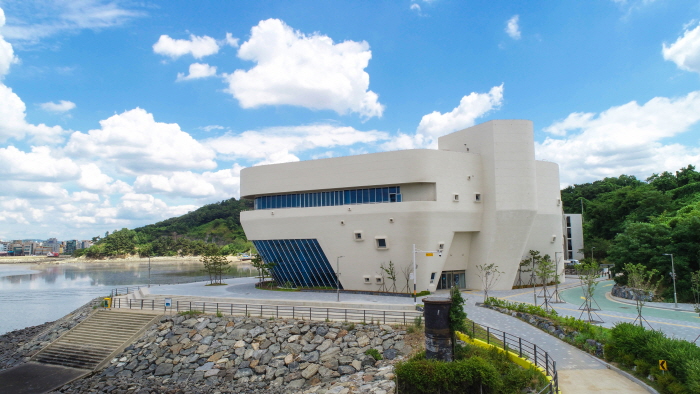
Oido, an island that was isolated from the mainland until 100 years ago, became inland with the creation of the Gunja Salt Farm and the construction of the Sihwa Embankment. It is the largest shell mound historic site on the west coast, and various Neolithic artifacts have been excavated, and the entire island has been designated as Historic Site No. 441. Inside the museum, which records the history of Oido, there are various interesting experiences and exhibitions that give a glimpse of life in the Neolithic Age. Outside the building, there is an overpass with many pillars where Kuk Yeonsoo gave Choi Ung a back hug. On the floor of the branch, there is a sticker that reads ‘Our Beloved Summer’, so it's good to take a commemorative photo.
Mung Hit (멍때림)
19.8Km 2025-10-29
1970-34 Haeannam-ro, Hwado-myeon, Ganghwa-gun, Incheon
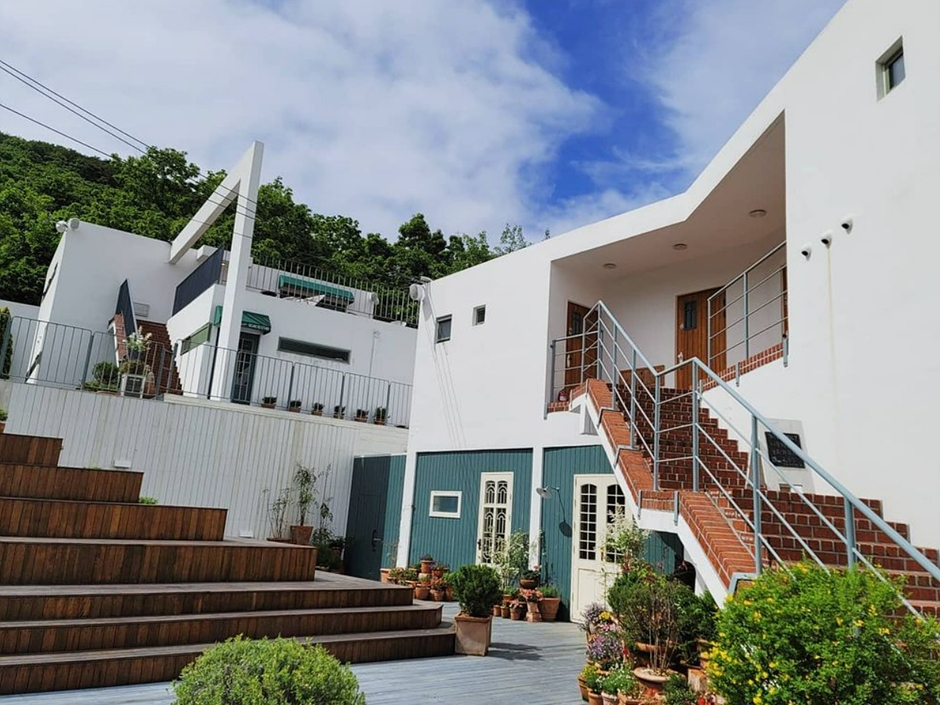
Mung Hit is a cafe located in Ganghwa-gun, Incheon. The cafe features a view of Manisan Mountain, and is decorated with comfortable tables and chairs for visitors to space out, the name of the cafe in Korean.
Gwangseongbo Fortress (광성보)
19.9Km 2022-07-25
27, Haeandong-ro 466beon-gil, Ganghwa-gun, Incheon
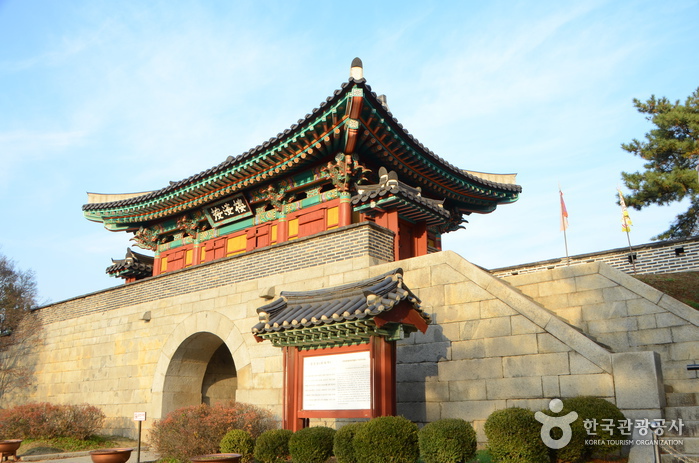
Gwangseongbo Fortress’s outer wall from the Goryeo era was mended in 1618. The fortress was built in 1656 and the outpost was constructed in 1679. It was completely remodeled into
a masonry castle with gates in 1745. During Sinmiyangyo (the American invasion in 1871), Gwangseongbo was the fiercest battle ground in Ganghwa. On April 24, 1871, a
fleet with 1,230 American naval forces led by Rear Admiral John Rodgers landed on Ganghwado Island to demand the
opening of Korea's ports and commerce. The armed forces attacked Chojijin Fortress
and Deokjinjin Camp, then marched to Gwangseongbo Fortress, where they engaged in close combat with the warriors of Joseon. Although General Eo Jae-yeon and the other warriors were poorly equipped with far inferior weapons, they bravely fought to the
death against the invading forces.
The battlefield ruins of the fortress and the gate towers such as Anhaeru, Gwangseongdon, Sondolmokdon, and Yongdudon were repaired
in 1977. The twin tombs of General Eo Jae-Yeon and his brother Eo Jae-seon, along with the anonymous tombs of warriors who died on the battlefield were
also honorably arranged at the same time. Furthermore, a stone monument commemorating the restoration of Ganghwa Battlefield was erected on Yongdudondae Post.
In 1988, an extensive rest area was created toward the shore for visitors’ convenience. Gwangseongbo Fortress is presently designated as Historical Relic No. 227. A religious service known as Gwangseongje is held annually to commemorate the patriotic spirits of General Eo Jae-yeon and other unnamed warriors. This service takes place at 11 a.m. on every April 24th of the lunar calendar.
 English
 한국어
한국어 日本語
日本語 中文(简体)
 Deutsch
 Français
 Español
 Русский


