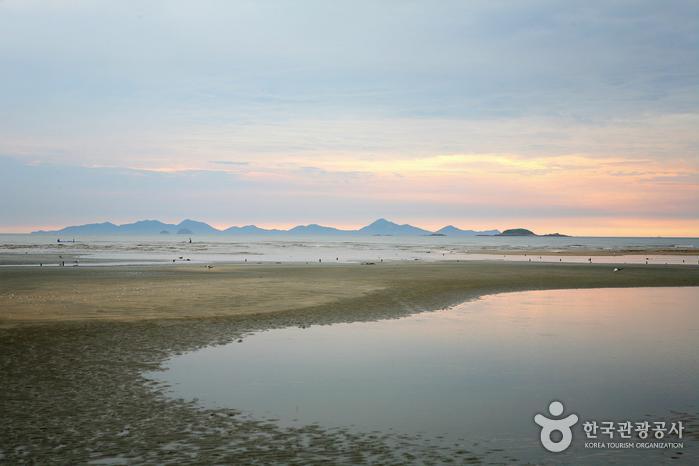
Dongho Beach (동호해수욕장)
8.2Km 2025-01-08
Dongho-ri, Gochang-gun, Jeonbuk-do
+82-63-560-2646
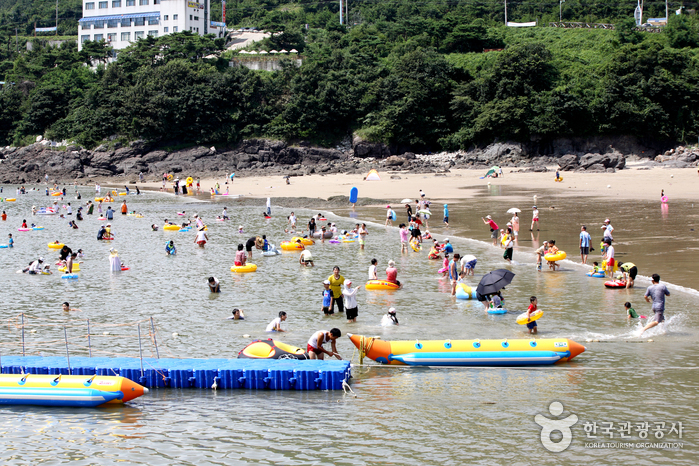
Dongho Beach is located south of Gomsoman Bay, between the Byeonsan Peninsula of Buan and Gochang-gun, Jeollabuk-do. Skirting the 1-kilometer-long white sandy beach lies a green forest with pine trees hundreds of years old. The sunset viewed from the forest is particularly eye-catching as the soft pink from the falling sun covers the sky. The water just offshore is relatively shallow, varying in depth between 0.5 and 1.5 meters. The high salt content in the seawater makes it an ideal place for sea and sand bathing.
On the hill above the forest is Suseongdang, a shrine honoring the god of the seas, where the local fishermen gather each year to pray for big catches.
![Gochang Dolmen Site [UNESCO World Heritage] (고창 고인돌 유적 [유네스코 세계문화유산])](http://tong.visitkorea.or.kr/cms/resource/17/2604617_image2_1.jpg)
Gochang Dolmen Site [UNESCO World Heritage] (고창 고인돌 유적 [유네스코 세계문화유산])
9.0Km 2024-04-07
74 Goindolgongwon-gil, Gochang-eup, Gochang-gun, Jeonbuk-do
+82-63-560-8666
Dolmens are representative tomb structures from the Bronze Age, distributed across Korea with over 30,000 examples. Gochang is an area rich in dolmens, boasting around 1,600 of them. Here, visitors can explore Gochang's dolmen park, which features dolmens constructed during the 6th to 5th centuries BC, along with a museum offering insights and hands-on experiences related to dolmens and the Bronze age.
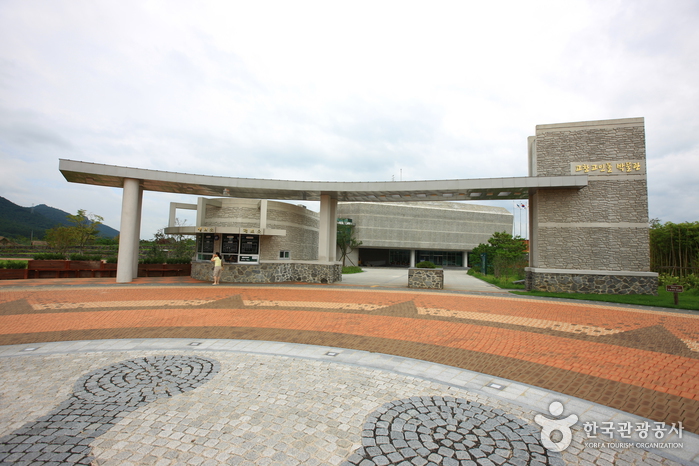
Gochang Dolmen Museum (고창고인돌박물관)
9.0Km 2024-04-07
74, Goindolgongwon-gil, Gochang-gun, Jeonbuk-do
+82-63-560-8666
At the Gochang Dolmen Museum, visitors can view diverse relics and learn about the Bronze Age and the dolmen (tomb, gravesite, etc.) cultures of the world. In addition to a variety of exhibition halls, the museum also features interactive exhibit spaces that help visitors further explore the main themes of the museum. There is also a mock-up of an ancient dugout hut where visitors may take photos. Outside the museum is the Bronze Age theme park, which features a life-size prehistoric village replica, a dolmen experience zone, and an exhibition zone displaying a representative memorial service from the Bronze Age.
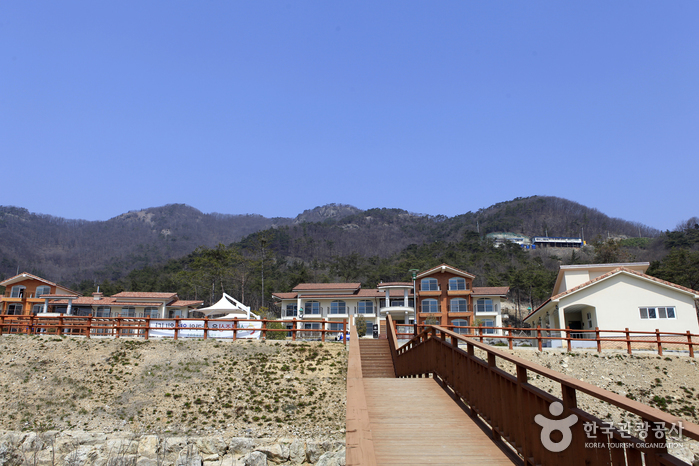
Byeonsan Natural Recreation Forest (변산자연휴양림)
11.7Km 2024-04-07
3768 Byeonsan-ro, Byeonsan-myeon, Buan-gun, Jeonbuk-do
Byeonsan Natural Recreation Forest is a coastal natural recreation forest located within the Byeonsanbando National Park. Offering views of both mountains and sea, it boasts a distinctive charm and provides forest tour, experiential program, and accommodation facilities. Visitors can engage in simple crafts using pine cones and pine trees, as well as forest strolling programs such as walking through the pine forest. Nearby attractions include Chaeseokgang Cliff in Gyeokpo and Byeonsan Beach.
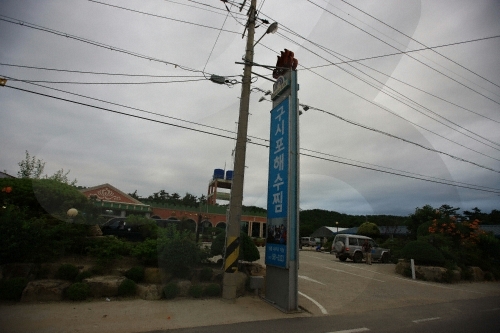
Gusipo Haesu World (Gusipo Seawater World) (구시포 해수찜월드)
12.0Km 2024-04-07
540, Jinamgusipo-ro, Gochang-gun, Jeonbuk-do
+82-63-561-3324
The Gusipo Haesu World provides a diverse selection of jjimjilbang facilities.
There is a “Haesuyakjjim (Medicinal Seawater Bath)” full-body bath, where special healthy ingredients are added to heated seawater. This is believed to effectively treat neuralgia, arthritis, and obesity.
This process extracts unnecessary substances from the skin, creating a more beautiful radiance. There are also other enjoyable facilities such as the indoor sand bathing room and a green tea spa.

Gochang Blue Farm Pink Muhly Season (고창청농원 핑크뮬리시즌)
12.2Km 2025-08-14
41-27 Cheongcheon-gil, Gongeum-myeon, Gochang-gun, Jeonbuk-do
+82-10-8801-7722
Gochang Blue Farm takes on a pink hue each fall with the arrival of pink muhly. Visitors can enjoy taking photos at the photo zones places throughout the vast field of waving fronds, and take a break at the hanok rest area.
Gochang Blue Farm Lavender Festival (고창청농원 라벤더 축제)
12.2Km 2025-10-23
41-27 Cheongcheon-gil, Gongeum-myeon, Gochang-gun, Jeonbuk-do
+82-10-6383-5294
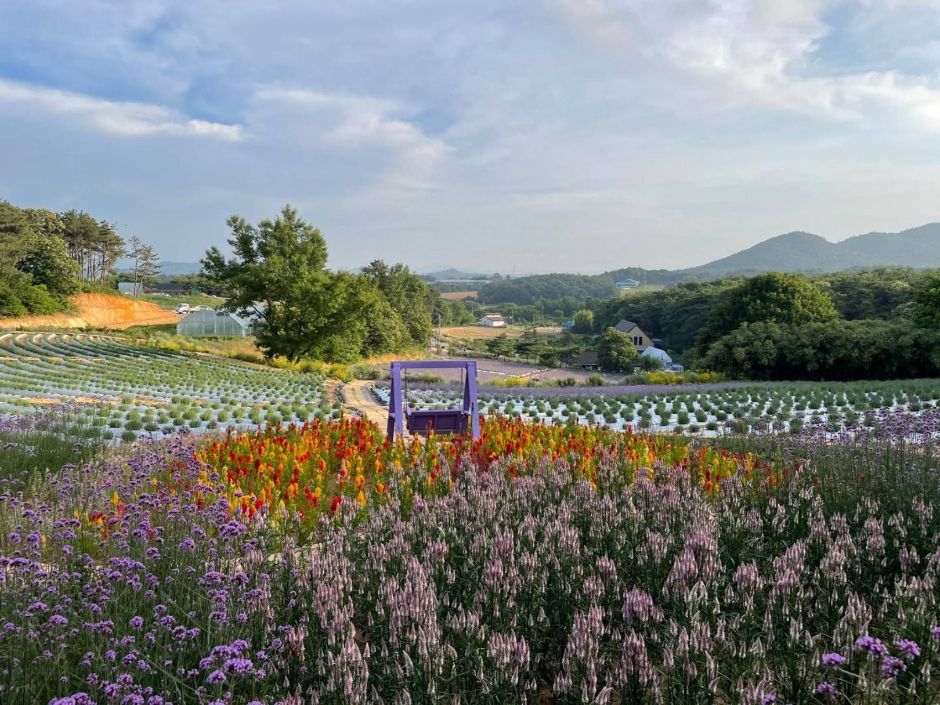
Gochang Blue Farm, located in Gocheong-gun, is a stay farm featuring seasonal gardens. Lavender and Hydrangeas bloom in spring and summer, while pink muhly grass adorns the farm in October. Spanning over 16,000 square meters, the Lavender Garden offers various photo zones, allowing visitors to capture memorable shots, especially the hanok building with lavender in the background adds an extra touch of charm. Visitors can also enjoy strolling through the bamboo and pine forest behind the lavender garden or relax at the hanok café. The farm is pet-friendly, making it an ideal destination to visit with your pet, family, or a date.
Mohang Beach (모항해수욕장)
12.4Km 2024-04-07
22, Mohang-gil, Buan-gun, Jeonbuk-do
+82-63-580-4413
Mohang Beach is situated in Byeonsan-myeon, Buan-gun, Jeollabuk-do. It is set against the beautiful mountains of Byeonsanbando National Park and the clear waters of the west coast. Unlike many beaches along the west coast, white sand can be found even at low tide and the beach is great for fishing.
Designated a tourist site in December of 2000, the area has been equipped with a family hotel, camping sites, and a seaside cafe. Nearby, there is a mud flat, a population of horned holly trees (Natural Monument No. 122), and a scenic drive.
Gochang Pansori Museum (고창판소리박물관)
13.5Km 2024-04-06
100, Dongni-ro, Gochang-gun, Jeonbuk-do
+82-63-560-8061
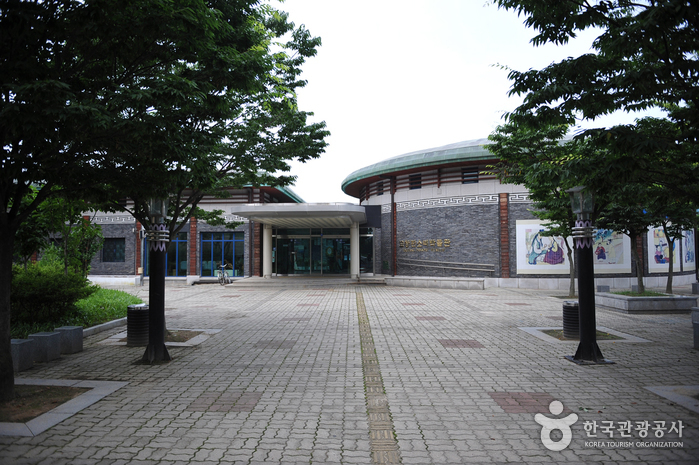
The Gochang Pansori Museum was established in the old residence of ‘Dongni’ Sin Jae-Hyo (a musical theorist and arranger and a sponsor of Pansori) with the aim of honoring the great Pansori singers of the past (including Sin Jae-Hyo) and preserving and developing the indigenous tradition of Pansori. Of the original rooms of the residence only Sarangchae (an annex where men used to study or welcome guests) has been renovated and is open to the public. Right next to Sarangchae is the Dongni Gugakdang (Korean Traditional Music Hall).
Over 1,000 pieces related to Pansori and great local singers are on display at the museum, included personal possessions once owned by Sin Jae-Hyo (penname ‘Dongni’). For those interested in learning more about the traditional art of Pansori music or experiencing high-quality Pansori, the Gochang Pansori Museum is a must-visit travel destination.
Sin Jae-hyo's House (고창 신재효 고택)
13.5Km 2024-04-07
100, Dongni-ro, Gochang-gun, Jeonbuk-do
+82-63-560-2943
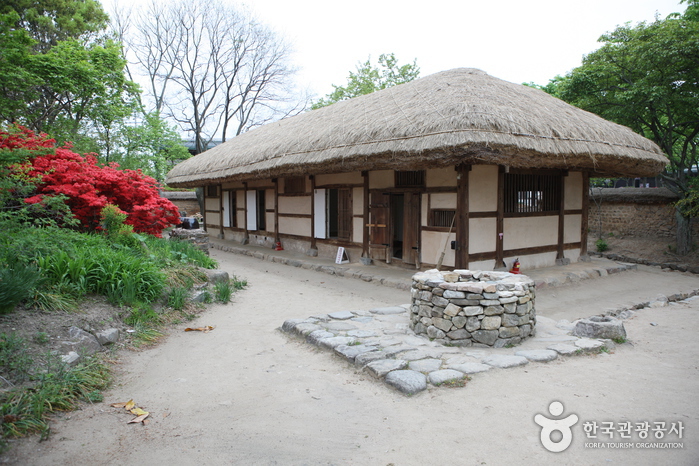
Sin Jae-hyo (1812-1884) was a legendary theorist, director, and sponsor of pansori (epic chant). Sin Jae-hyo's House in Gochang was built in 1850, and visitors can observe sarangchae (main room), an old well, and a paulownia tree preserved to this day. Sin was not a singer himself but a pansori enthusiast, and he used wealth to train potential singers and contribute to the growth of pansori. He also compiled and edited six pansori madangs (operas) titled Ttoggi Taryeong, Bak Taryeong, Simcheongga, Jeokbyeokga, Chunhyangga, and Garujigi Taryeong, of which only five are passed down. To honor his contributions and passion for pansori, Dongni Gugakdang was founded behind this house.
 English
 한국어
한국어 日本語
日本語 中文(简体)
 Deutsch
 Français
 Español
 Русский


