Wolchulsan Gichan Land (월출산 기찬랜드)
16.4Km 2025-01-17
19-3, Gichan land-ro, Yeongam-gun, Jeollanam-do
+82-61-471-8500
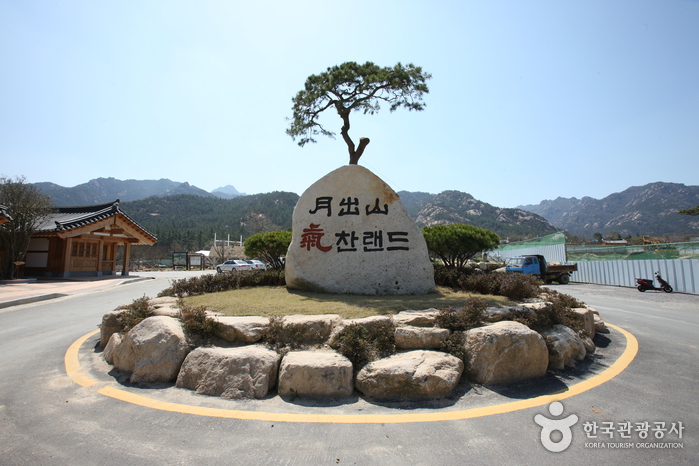
Wolchulsan Gichan Land is set in the clean valley and fresh air at the foot of Cheonhwangbong Peak of Wolchulsan Mountain. Many famous people come from the area, including Kim Changjo who created folklore music, Nangsan Kim Junyeon, a member of the Consituent Assembly, Admiral Kang Kicheon, Jo Hunhyeon, King of Baduk game and others. Gichan Land houses Gayageum Theme Park to offer folk culture as well as nature-pool, spirit health center, pension, physical facilities, well-being prayer road, and others. Wolchulsan Well-being Prayer Road features a health road to experience water, forest, and rocks on the road to Wolchulsan Mountain.
The 1.1 kilometer long Wolchulsan Well-being Prayer Road stretches from Gichan-gil Walking path to Ki Sports Park and Sowon-ro. The path is decorated with more than 30 years of pine trees, eco-friendly wooden bridge, and a resting area. Wolchulsan Pray Road stretches from the entrance of Cheonhwangsaji and Ki Sports Park to Gichan Land (4km) plus the 3 kilometer-road from Historic Site of Wang In to the entrance of Dogapsa Temple.
Wolchulsan National Park features breathtaking scenery, plentiful cultural resources and folklore atmosphere of the Southern area. The mountain was formed as a residual hill of the Sobaek Mountain Range going into the Mokpo sea and meets the projecting rocks. The whole area is centered around Cheonwangbong Peak (809m) and is surrounded by uniquely-formed rocks and cliffs.
The area is the birth place of Wangin (Baekje) and Doseon Guksa (Late Silla). Various cultural assets are also located here, including Gengnakjeon Hall and Rock-carved Seated Buddha in Muwisa Temple in south side and Dogapsa Temple in west side based on Cheonwangbong Peak.
Tommeori Beach (톱머리 해수욕장)
17.0Km 2021-08-11
66, Tommeori-gil, Muan-gun, Jeollanam-do
+82-61-454-5224
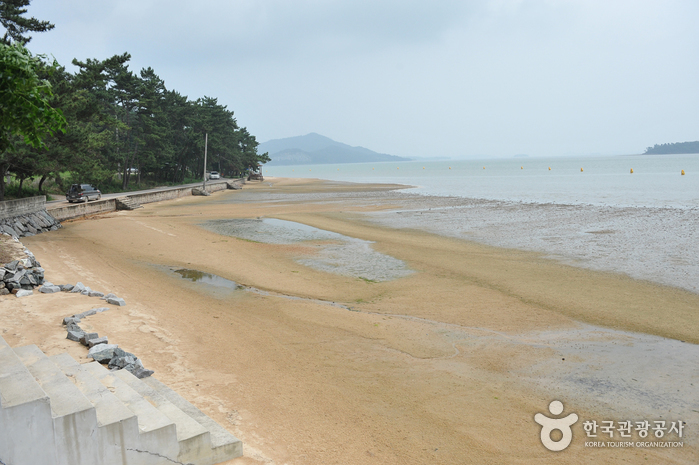
Tommeori Beach can be characterized by the extremes shown at high and low tides. The endless stretch of white sandy beach during the low tide and the dense black pine forest offer a spectacular view. The shallow waters and low slope make it a great vacation destination.
Muan beach hotel / 무안비치호텔
17.0Km 2025-03-18
36 , Tommeori-gil, Muan-gun, Jeollanam-do
+82-61-454-4900, +82-10-9045-7748, +82-10-3379-6656
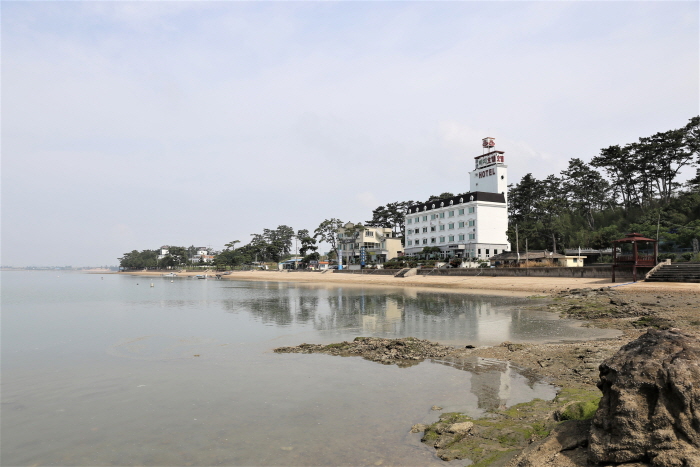
Muan Beach Hotel, which stands on Topmeori Beach in Muan, Jeollanam-do, is a hotel-class motel where guests can enjoy the beach scene all year round. The motel offers a choice of different rooms, including a 2-person suite, a VIP room, and a condominium room of 60 pyeong/200 sq metres, suitable for a family of four. The motel has ample parking space, and is just 5 minutes away from Muan Country Club and Muan International Airport.
Chadam (차담)
17.1Km 2024-02-20
308 Dogapsa-ro, Gunseo-myeon, Yeongam-gun, Jeollanam-do
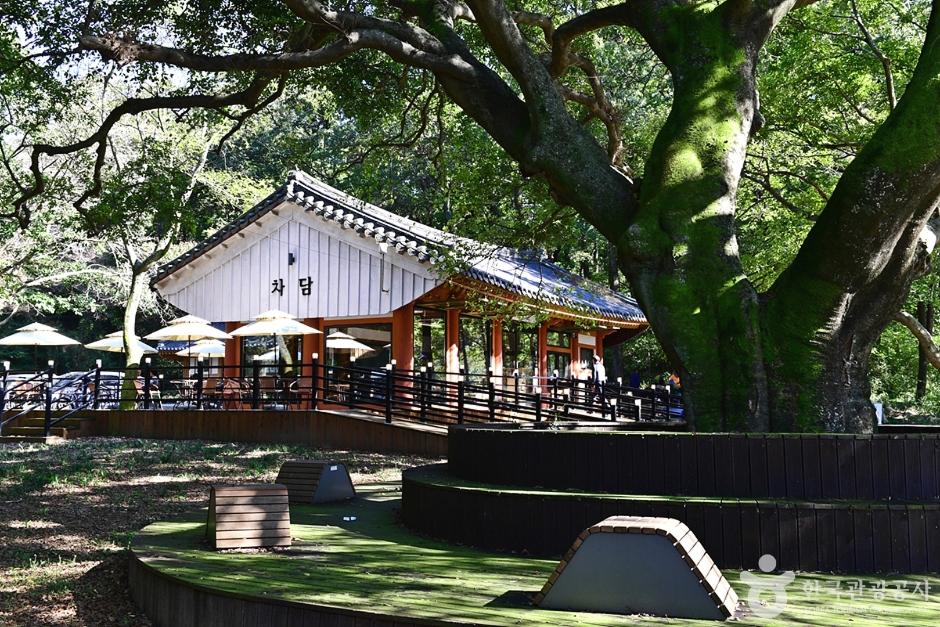
Chadam is a hanok café located at the entrance of Dogapsa Temple in Wolchulsan National Park. Its signature menu item is the insam latte (ginseng latte), made by mixing milk with raw ginseng and honey. Other popular choices include daechu cha (jujube tea), baekhyanggwa ade (passion fruit ade), and patbingsu (shaved ice with red beans). They also sell a dessert called yeonkkulppang (bun with lotus roots, yam, red bean filling), which is unique to temples. Visitors can enjoy healing while observing the majestic Wolchulsan Mountain, which change with the seasons.
Dogapsa Temple (도갑사)
17.3Km 2021-12-06
306, Dogapsa-ro, Yeongam-gun, Jeollanam-do
+82-61-473-5122
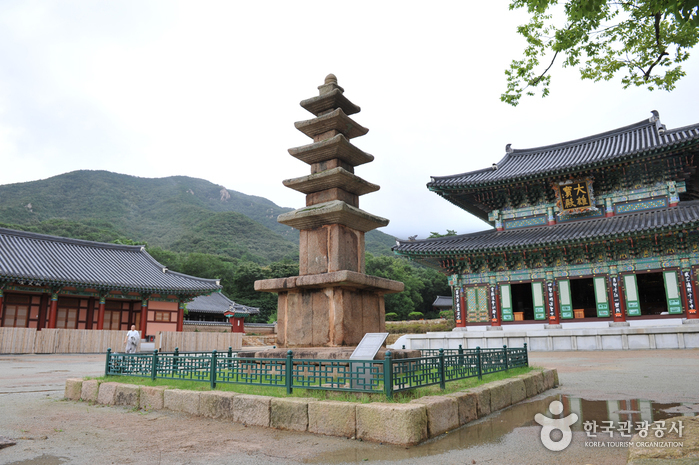
Dogapsa Temple, built during the late Silla period, has a long history and various national treasures. Approximately 100 meters from Iljumun Gate of Dogapsa Temple is Haetalmun Gate (gate of emancipation), built in 1473 with a unique design that is also designated as a National Treasure. Near the gate is Treasure No. 1134, Wooden Child Manjusri and Samantabhadra of Dogapsa Temple. A five-story stone pagoda as well as Stone Seated Buddha (a Treasure) can also be seen at the temple. A large amount of the temple was burnt down during various wars, but the remaining stones show how large the temple once was.
Gohado Island Observatory (고하도 전망대)
17.5Km 2024-05-30
234 Gohadoan-gil, Mokpo-si, Jeollanam-do
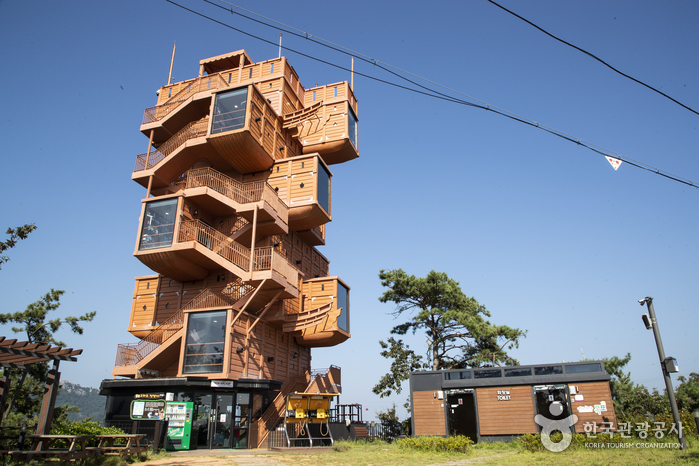
Gohado Island Observatory was built to resemble the traditional battleships of the Joseon dynasty, like those used by Admiral Yi Sunshin. The observatory is a popular location due to the wonderful views it affords of the sea surrounding Gohado Island. The observatory also includes a rest area and exhibitions about Mokpo tourism and history.

Gohado Marine Theme Park (고하도 해상테마파크)
17.5Km 2025-02-04
234 Gohadoan-gil, Mokpo-si, Jeollanam-do
Gohado Marine Theme Park is a multi-faceted marine tourist destination in the southwestern part of Korea, home to historical sites related to Admiral Yi Sun-sin. Visitors can access the island via Mokpo Bridge or the Mokpo Marine Cable Car. The island features a botanical garden, island greenhouse, cotton experience exhibition hall and garden, and recreational facilities. From the observatory, tourists can enjoy a 360-degree view of both Mokpo and the scenic Dadohae waters. Walking along the coastal deck trail over the sea, visitors can appreciate the stunning views of Gohado Island.
Muan 879 (무안 879)
18.3Km 2024-03-28
879 Cheongun-ro, Mangun-myeon, Muan-gun, Jeollanam-do
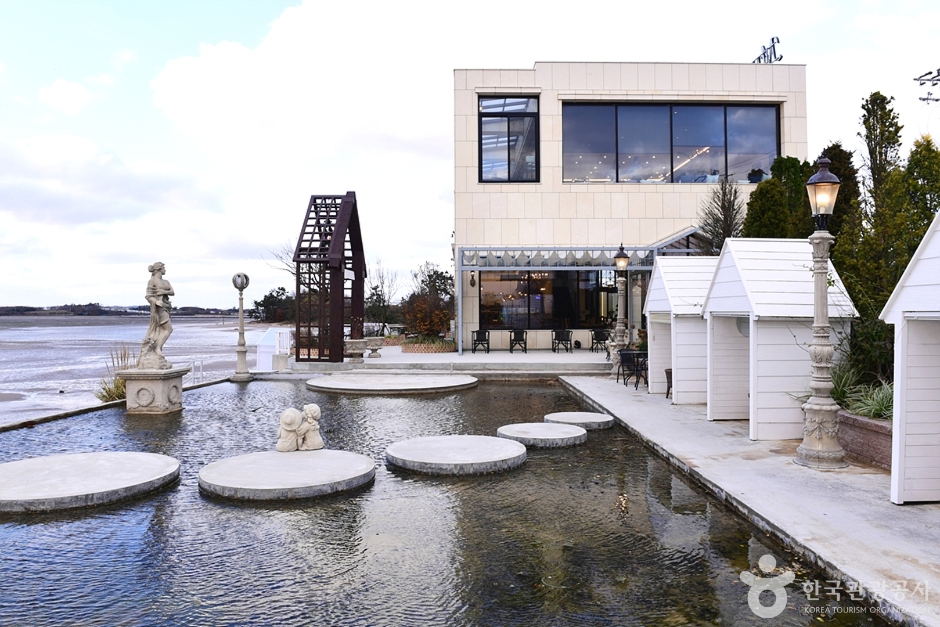
Muan 879 is a large café with a view of the sea near Muan Tommeori Beach. It is famous for its exotic outdoor garden resembling a European art museum and its hydrangea photo zone. The first floor is decorated with antique furniture and lighting, while the second floor has a more modern atmosphere. Enjoying an americano while admiring the sea view through the large windows is a delightful experience.
Natural Dyeing Culture Center (한국천연염색박물관)
19.0Km 2021-12-07
379, Baekho-ro, Naju-si, Jeollanam-do
+82-61-335-0160
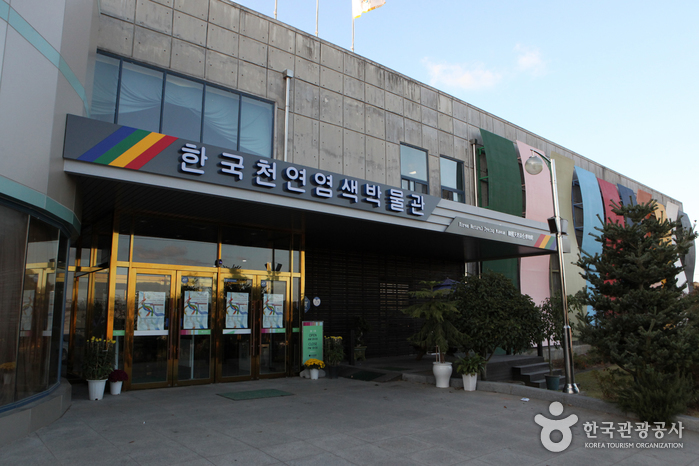
The area of Naju has long been at the forefront of the natural dyeing and silk production industry. The natural setting of fresh water from the Yeongsangang River along with the salt water from the sea are perfect for growing the plants necessary for a deep indigo color. As such, it is the only area to be recognized for its natural dyeing (Important Intangible Cultural Heritage) by the Cultural Heritage Administration. The best place to experience this local heritage is at the Natural Dyeing Culture Center. The center offers experience programs and educational programs, as well as exhibitions and sales of naturally dyed products.
Wolchulsan National Park (월출산국립공원)
20.0Km 2024-01-10
280-43 Cheonhwangsa-ro, Yeongam-eup, Yeongam-gun, Jeollanam-do
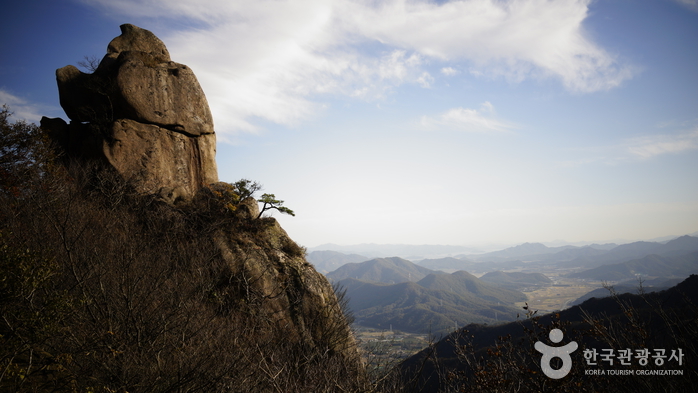
Wolchulsan Mountain, which means "moon rising mountain," is a national park in the southernmost part of Korea with beautiful nature. The mountain towering around Cheonhwangbong Peak at 810.7 meters above sea level stands out even more due to the flat land around it. The unique rock formations look differently depending on the angle, as a human face or animal shape, exuding overwhelming grandeur. More than 700 plant species and 800 animal species inhabit the area, and a subtropical forest and a warm-temperate forest coexist, making it very valuable to preserve. The ridge from the Cheonhwangsa Temple site or Baramgyegok Valley to Cheonhwangbong Peak, Gujeongbong Peak, and Dogapsa Temple is the main trail, which takes about six hours. The course’s most exciting point is the 120-meter high and 54-meter long red suspension bridge that offers a picturesque view of Wolchulsan Mountain and the fields and paddies under the mountain.
 English
 한국어
한국어 日本語
日本語 中文(简体)
 Deutsch
 Français
 Español
 Русский


