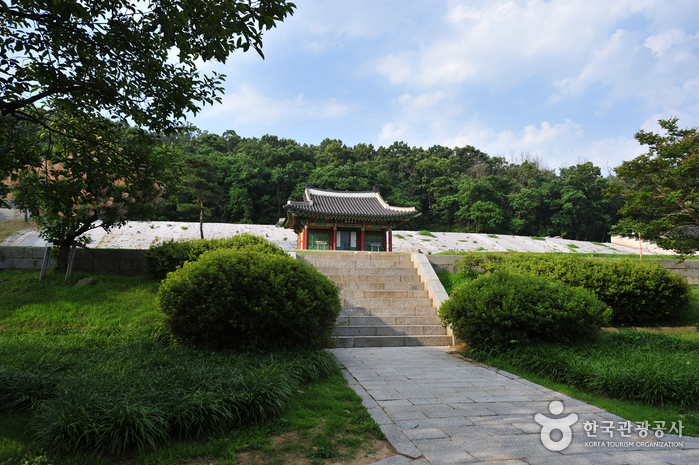
Goryeogung Palace Site (고려궁지)
11.7Km 2021-06-01
394, Ganghwa-daero, Ganghwa-gun, Incheon
+82-32-930-7078
Goryeogung Palace Site on Ganghwado Island is the site of the royal palace where the people of the Goryeo dynasty (918-1392) resisted the Mongolian invasion for 39 years. In the 19th year of his reign, King Gojong moved the capital to Ganghwa on account of its natural and strategic advantages. During the Byeongjahoran (Chinese invasion of Korea) in 1637, the palace was lost by force to the Qing dynasty of China. Later, Joseon Dynasty palace building and Ganghwa Yusubu (Ganghwa governor’s office) buildings existed in the Goryeo palace site but were destroyed by the French army during the Byeonginyangyo (French Campaign against Korea). Nowadays, the only structures that remain are the Dongheon main office (built in 1638) and Ibangcheong administration office (built in 1654). The palace and its subsidiary buildings were restored in 1977. It has historical lessons of the spirit of independence and overcoming national crisis.

Seonsu Port (Hupohang Port) (후포항 선수포구)
11.7Km 2021-06-16
Haeannam-ro 2903beon-gil, Ganghwa-gun, Incheon
+82-32-934-7500
Seonsu Port, officially named Hupohang Port, is the largest port on Ganghwado Island, located near Dongmak Beach. Fishing boats anchored here often travel to and from waters near Seongmodo Island, known as a fishery of large-eyed herring. Visitors will find several hoe (sliced raw fish) restaurants along the port, serving hoe prepared with freshly caught seafood.
The seaside destination is close to many nearby attractions including Jeondeungsa Temple, Dongmak Beach, and a scenic drive along the coast of Ganghwado Island. The port is also known for romantic sunsets which are best enjoyed when viewed from between the port and Dongmak Beach.
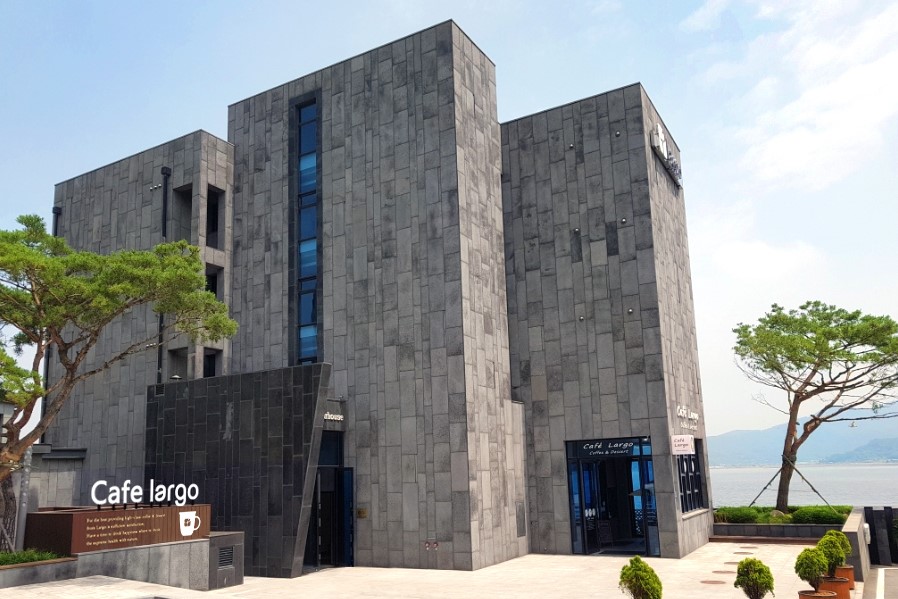
Largoville Resort(Terras House, Harbor House) / 라르고빌리조트(테라스하우스, 하버하우스)
11.8Km 2025-03-05
27 , Haeannam-ro 2845beon-gil, Ganghwa-gun, Incheon
+82-32-555-8868
Largoville is a pension-type resort located on the coast of Ganghwa Island, Incheon, and has two buildings - Harbor House and Terra House. The rooms are spacious, all have cooking facilities, and Terra House has a large terrace. The pension is proud of its outdoor swimming pool, which uses bedrock water from 200m under the sea, and the big green lawn in front: sunset views from here are exquisite. The West Sea is visible through floor-to-ceiling windows anywhere in the building. Ganghwa Nadeul Coast Trail course 7 is close by, making this a good location for walkers.
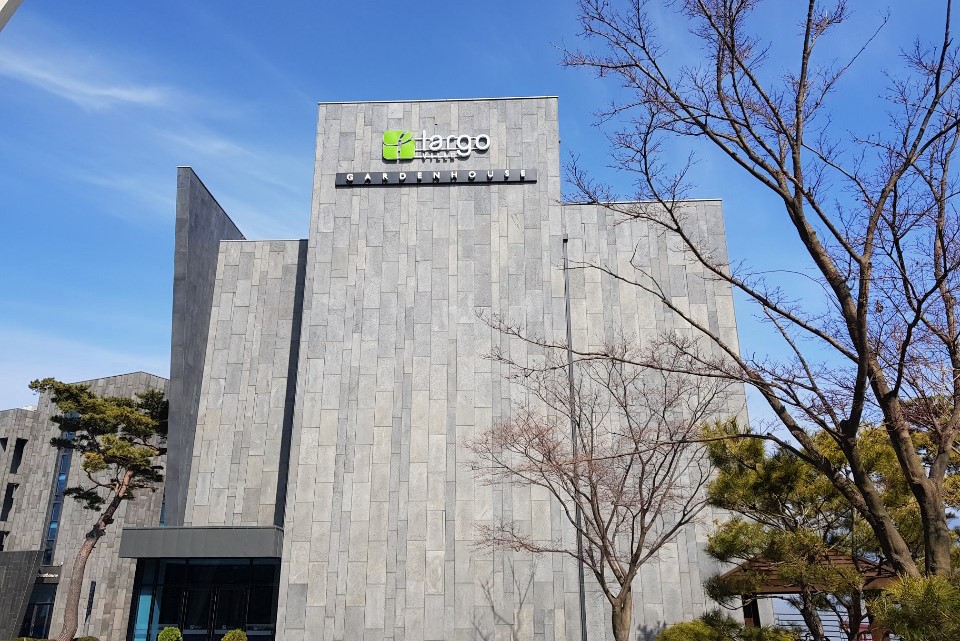
Largoville Resort / 라르고빌리조트(웨이브하우스, 가든하우스)
11.8Km 2025-03-05
27 , Haeannam-ro 2845beon-gil, Ganghwa-gun, Incheon
+82-32-555-8868
Largoville is a resort on the coast of Ganghwa Island, near Incheon, which in addition to the resort accomodation also offers regular hotel rooms in Wave House and Garden House. All rooms face the sea and are ideal for couple travelers. The Superior Spa Room has a jacuzzi, in which guests can sooth their fatigue while looking out at the West Sea through a floor-to-ceiling window. Facilities include an outdoor swimming pool, an ocean pool, a restaurant, a cafe, a barbecue area, and a grassy lawn. Visitors can take their breakfast at either a Korean restaurant or a cafe, according to their taste.
Aegibong Peak (Gimpo Section) (애기봉 (김포))
12.1Km 2025-01-08
139, Pyeonghwagongwon-ro, Gimpo-si, Gyeonggi-do
+82-31-988-6128
Aegibong Peak is located at the northern tip of Gimpo city about an hour’s drive from the downtown area. The mountain is where North and South Korea engaged in a fierce battle at the end of the Korean War; after the battle, Korea was divided into two nations. Since the peak is still a restricted area, visitors must present their passport in order to be admitted. From the peak, an open view of North Korean territory unfolds below and visitors can see South Korean territory as far as Songhaksan Mountain in Chungcheongnam-do.
Gyeongin Ara Waterway (경인 아라뱃길)
12.6Km 2023-11-10
41 Jeongseojin 1-ro, Seo-gu, Incheon
+82-1899-3650
Ara Waterway flows 18 kilometers from the Hangang River to the West Sea. Opened in 2012, the waterway serves to quickly remove excess water from the surrounding areas to prevent flooding. The waterway also serves as a key route for transporting cargo via ship, as well as a natural green space.
The idea of Ara Waterway started nearly 800 years ago during the Joseon dynasty by King Gojong. Unfortunately, his plan could not be completed at that time due to technical obstacles and the difficult state of the country. After countless efforts and preparation, the construction of the waterway began in 2009 and opened in 2012.
Yeongjong Grand Bridge (영종대교)
12.8Km 2022-07-26
Jangdo Island (Gyeongseo-dong, Seo-gu, Incheon-si) ~ Yeongjongdo Island (Unbuk-dong, Jung-gu, Incheon-si)
Yeongjongdaegyo Bridge connects the mainland of Incheon with Yeongjongdo Island that is home to the Incheon International Airport. Until the construction of this bridge, the only way to get to and from Yeongjongdo Island had been by boat. The 4.4 kilometer-long Yeongjong Bridge is the world’s first 3-dimensional self-anchored suspension bridge. The bridge carries both highways and rail lines on its decks, and 10,000-ton ships can pass under the bridge. The bridge was designed to withstand strong winds and earthquake.
It is the first bridge in Korea to have been completed through private capital inducement project. In addition to its function as a bridge, it is also an architectural beauty as the shape of the cable and the girder was designed to symbolize the eaves of the traditional Korean tile-roofed house. In 2002, Yeongjongdaegyo Bridge won the Tanaka Award by the Japan Society of Civil Engineers for the first time in Korea.
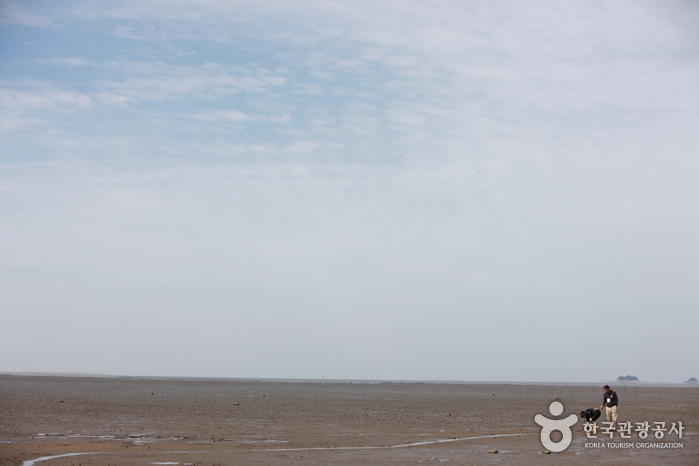
Ganghwa Janghwa-ri Tidal Flats and blackfaced spponbill breeding place (강화갯벌 및 저어새번식지)
13.3Km 2021-06-16
Haeannam-ro, Hwado-myeon, Ganghwa-gun, Incheon
+82-32-930-3124
Ganghwa Janghwa-ri Tidal Flats in Hwado-myeon, Ganghwa-gun, Incheon is well-known among photographers as a great spot to view the sunset from. Along with Dongmak Beach, this area has one of the most beautiful tidal flats and views of the sunrise in the western sea. The place provides different views depending on the rise and ebb of the tide.
Hangang Jungang Park (한강중앙공원)
13.4Km 2023-02-01
40, Chodang-ro, Gimpo-si, Gyeonggi-do
Hangang Jungang Park, a famous park in Janggi-dong that represents Gimpo New City, features a wildflower garden with the theme of native plants as well as a variety of spring flowers in Chohwawon Garden and a pleasant trail. Continuing from a vast grass plaza to Laveniche Waterside Park, this park is where the citizens of Gimpo New City can rest and relax. As you run along the Golden Waterway, you will be able to reach Laveniche, another pride of Gimpo with abundant things to eat, buy and enjoy. You can also take a leisurely walk, jog, or ride a bicycle.
Janghwa-ri Sunset Viewing Point (장화리일몰조망지)
13.4Km 2025-10-28
1408 Janghwa-ri, Hwado-myeon, Ganghwa-gun, Incheon
◎ Travel information to meet Hallyu’s charm - "Extraordinary Attorney Woo"
In episode 4, Young-woo and Jun-ho go to the West Sea and watch the beautiful sunset together. The place mentioned as a dialogue in the drama is the Sunset Viewing Point in Janghwa-ri, Ganghwa-gun. After parking for about 10 minutes, walk down the path through the peaceful paddy fields and you will see a pink observatory. The sea and sky seen through the observatory are like an oil painting. If you want to catch a golden sunset in your eyes, check the sunset time before visiting.
 English
 한국어
한국어 日本語
日本語 中文(简体)
 Deutsch
 Français
 Español
 Русский


