
Gogeunsan Mountain (고근산)
18.1Km 2021-06-14
Gogeunsan-ro, Seogwipo-si, Jeju-do
+82-64-740-6000
Located near Seogwipo-si on Jeju Island, Gogeunsan Mountain (altitude of 396 m, relative x_height of 171 m, a circumference of 4,324 m) is a parasitic cone volcano and an oreum with a shallow crater on the top. Although it is not high in elevation, its expansive presence offers outstanding views overlooking nearby areas including Marado Island and Jigwido Island.
The mountain is also an ideal location to go for an evening stroll to enjoy the nightscape of the sea and Seogwipo Chilsimni.
Geumneung Seokmulwon (Geumneung Rock Park) (금능석물원)
18.2Km 2024-12-10
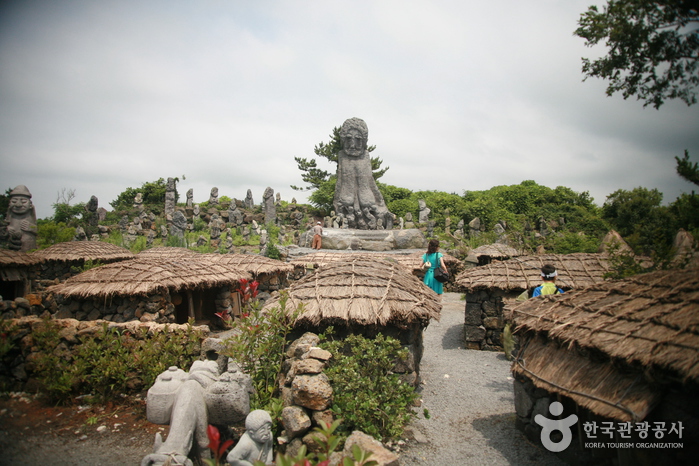
Jeju is often referred to as Samda-do, which can be translated to “island of three abundances,” because it has many stones, wind, and women. Stones from Jeju are prohibited from being taken out of Jeju and only processed stones are exported. The most well-known processed stone production in Jeju is dol hareubang (“stone grandfather”). Geumneung Rock Park is a place where travelers who are tired of seeing the same-old dol hareubang can appreciate the essence of Jeju stones. It is a park created on a 33,058m² site by master craftsman Jang Gong-ik, who has been making dol hareubang for about 40 years, expressing aspects of Jeju life through stones. The park has a Buddhist-friendly atmosphere overall with statues of Buddha, which are all works of Jang Gong-ik, who has maintained this place for decades.
Seaore Resort (씨오르리조트)
18.3Km 2025-03-16
989, Ieodo-ro, Seogwipo-si, Jeju-do
+82-64-739-0114
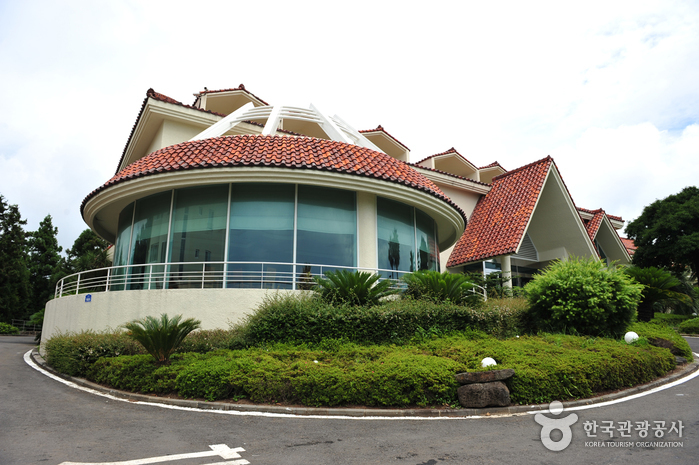
Seaore Resort, located in Seogwipo, offers outstanding views of the southern sea around Jeju and Hallasan Mountain at the center of the island. The hotel offers two outdoor swimming pools, making it a perfect summer vacation destination. The resort is also suited to outdoor activities such as golf, hiking, seafishing, and scuba diving. Nearby attractions include Jeju World Cup Stadium, Jungmun Beach Resort, Jeju Convention Center, Yeomiji Botanical Garden and Jungmun Resort.
Citrus Gardening Café (시트러스 가드닝 카페)
18.3Km 2024-12-10
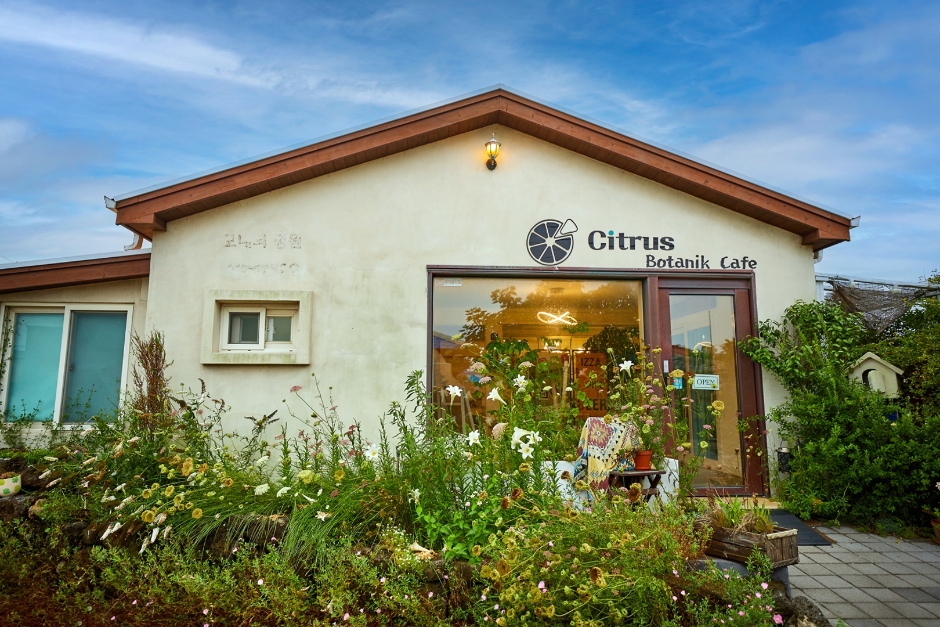
Citrus Gardening Café is a plant cafe located near Geumneung Beach. This cafe is located among basalt stone walls, the symbol of Jeju, and low-story buildings, all of which represent the island’s authentic local and natural scenery. The unique plants that thrive in relatively hot and humid island climate can be seen both indoors and outdoors, offering an interesting sight. The signature menu here is mazagran. The café’s original mazagran recipe mixes fresh fruits from Jeju with Portuguese-style coffee. The café also serves regular coffee, herbal tea, and matcha latte.
Geumneung Beach (금능해수욕장)
18.3Km 2025-10-23
119-10 Geumneung-gil, Hallim-eup, Jeju-si, Jeju-do
+82-64-728-3983
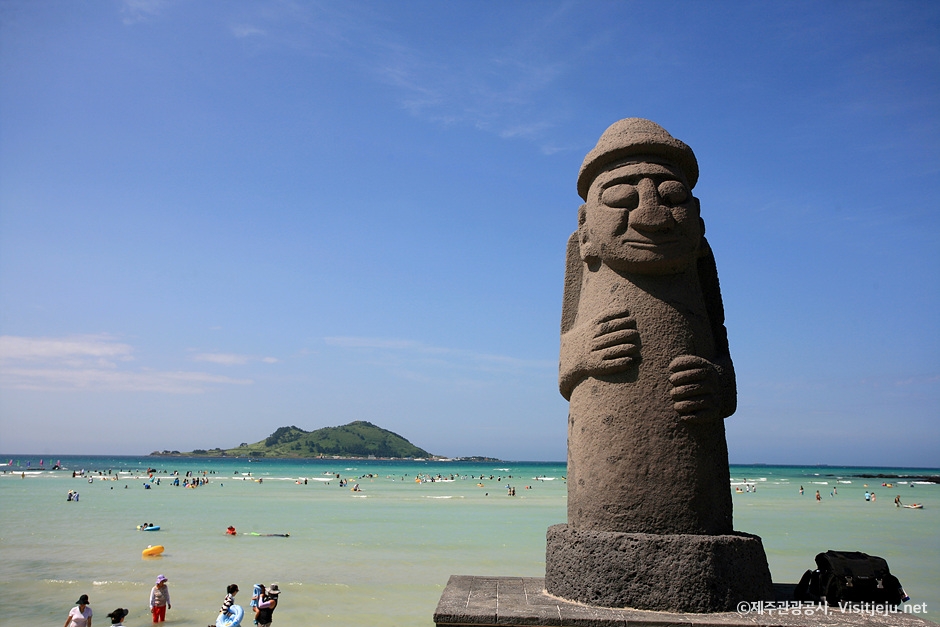
Clear waters, a beautiful beach with white sand and seashells, fantastic sunset, and the view of Biyangdo Island beyond sum up to describe Geumneung Beach. The white sandy beach where the bottom of the shallow, blue water is clearly seen creates an illusion that one can easily walk all the way to Biyangdo.
Geumneung Beach is directly connected to Hyeopjae Beach, another popular tourist spot on the west side of Jeju Island. However, despite the common charming elements the two beaches share, Geumneung Beach sees a relatively small number of visitors in comparison, so it exudes a more relaxing vibe. Moreover, the beach and the parking lot are directly connected, making it more convenient to move baggage and other belongings. The newly built showers supply warm water, which is another advantge of the beach.
It is recommended to visit the beach during the hours of ebb tide. Once the sea water recedes afar, a vast, beautiful sandy beach appears. The water is shallow in many parts where natural swimming pools are formed, allowing little children to be able to play safely.

Geumneung Port (금능포구)
18.3Km 2025-10-30
Geumneung-ri, Jeju-si, Jeju-do
A port with picturesque scenery
Geumneung Port, where fishing boats are anchored, is as beautiful as a picture, and has been used as the background for many scenes in the drama. The vacant lot with the pavilion, which was a place for women divers (Haenyeo) to talk, is also special to those who watched the drama. Because it is the place where Jeong-jun used to park the bus and spend intimate time with Yeong-ok. If you enter the breakwater behind it, there is a cute mural painted on it, and there is a white lighthouse at the end.
Hyeopjae Beach (협재해수욕장)
18.6Km 2025-10-23
329-10 Hallim-ro, Hallim-eup, Jeju-si, Jeju-do
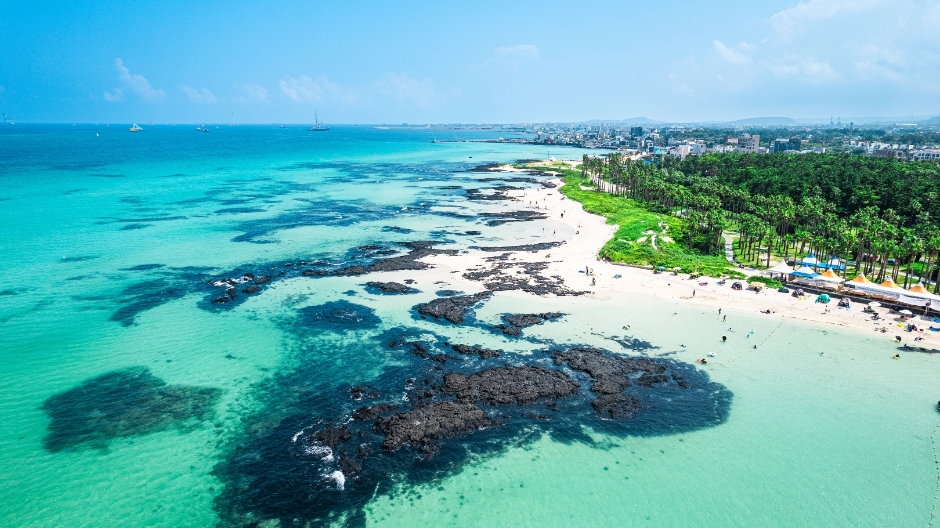
Hyeopjae Beach, encircled by lush pine forests, seamlessly extends into Geumneung Beach. The beach features smooth white sand, shallow waters, and a gentle slope ideal for swimming. Camping is available at Songlim, along with various amenities. The view of the emerald-colored sea and the distant Biyangdo Island offers magnificent scenery, with the sunsets being particularly breathtaking.
Yeongsil Trail (Hallasan National Park) (한라산 영실)
18.7Km 2025-10-31
246 Yeongsil-ro, Seogwipo-si, Jeju-do
+82-64-713-9950
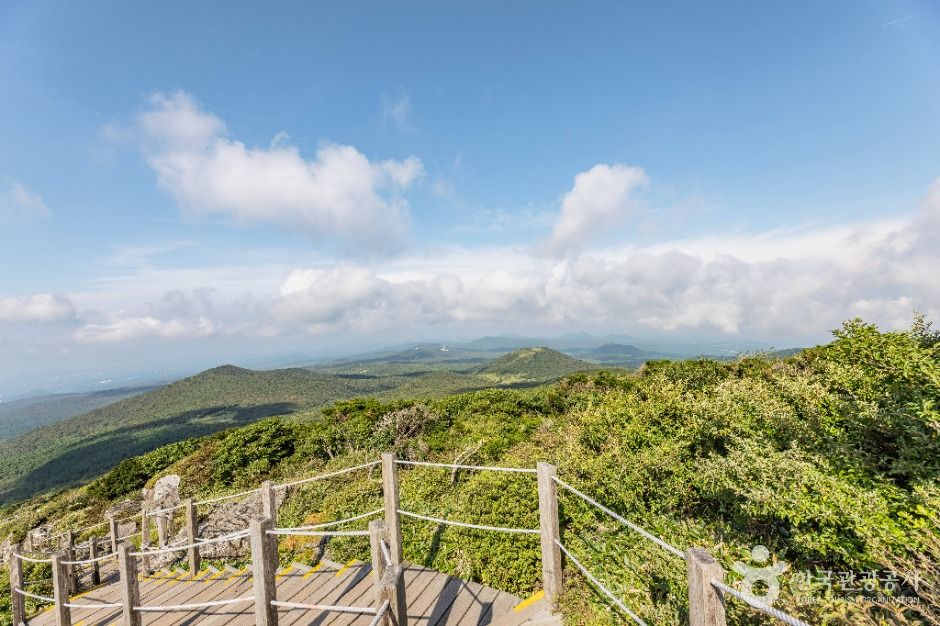
Yeongsil Trail is renowned as the shortest yet the best trail for its beautiful scenery among those of Hallasan Mountain. It is 5.8 kilometers and takes approximately 2 hour and 30 minutes to get to the destination. Starting from Yeongsil Rest Area, an uphill path emerges along steep mountain ridges to reach the Nambyeok Watershed. With its steep and flat parts, the hike is easy enough for children. It's a wonderful way to appreciate the lush forest and beautiful scenery.
Umu Hallim Branch (우무)
19.4Km 2025-10-29
542-1 Hallim-ro Hallim-eup, Jeju-si, Jeju-do
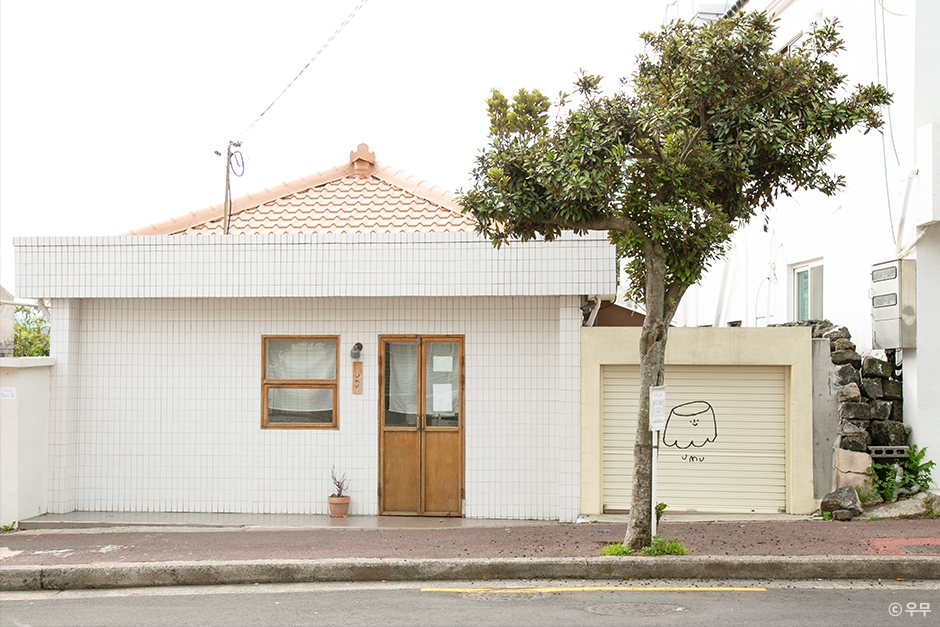
This dessert place is popular for a pudding made from a gar (a type of seaweed) sourced from hanyeos (women divers). You can only do a take-out here, and one team can visit inside the shop at a time.
Dochidol Ranch (도치돌 알파카목장)
19.7Km 2024-07-22
293 Dochidol-gil, Aewol-eup, Jeju-si, Jeju-do
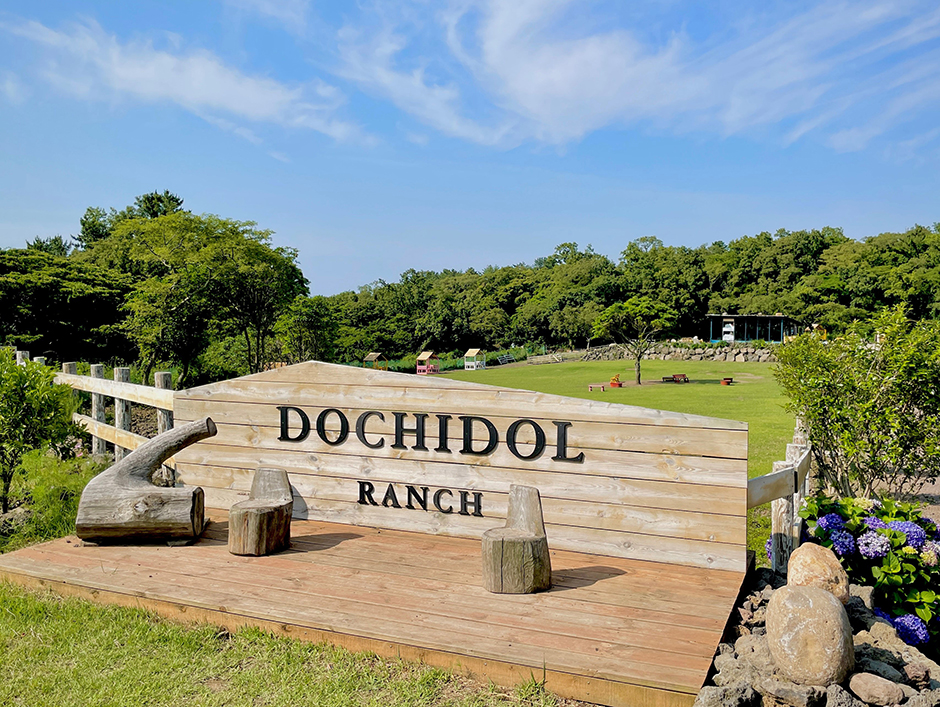
Dochidol Ranch is where one can see alpacas roam freely in an open field admist Jeju's clean air. In addition to watching and interacting with alpacas, visitors can also see other ranch animals like rabbits, ponies, sheep, and goats. The ranch also has several walking paths adorned with seasonal flowers, plants, and trees. It is the perfect place to enjoy Jeju's nature-friendly atmosphere and take photos of adorable animals.
 English
 한국어
한국어 日本語
日本語 中文(简体)
 Deutsch
 Français
 Español
 Русский


