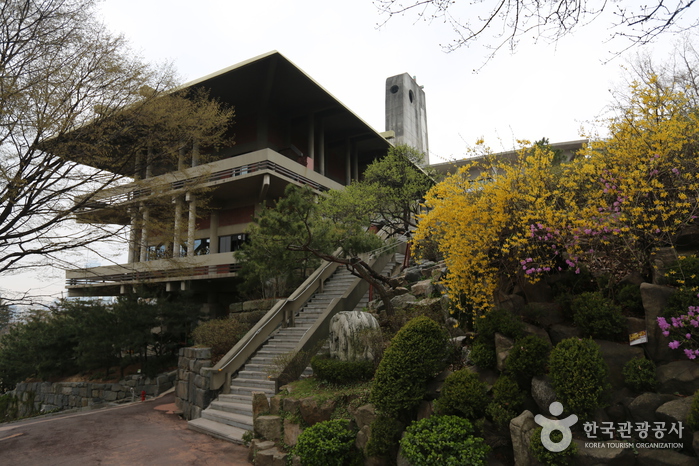
Musée des Martyrs de Corée (한국천주교순교자박물관)
12.7Km 2023-01-12
6, Tojeong-ro, Mapo-gu, Seoul-si
Le Musée des martyrs en Corée a été inauguré en octobre 1967 dans le temple des martyrs de Jeoldusan, en mémoire des martyrs catholques de la période de persécution Byeongin en 1866.
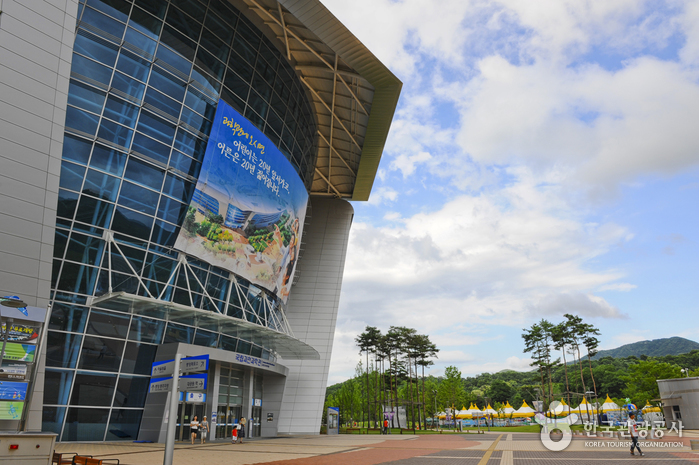
Centre national des sciences de Gwacheon (국립과천과학관)
12.7Km 2024-12-18
110, Sanghabeol-ro, Gwacheon-si, Gyeonggi-do
Haut lieu des sciences et de la technologie en Corée, le Centre des sciences de Gwacheon vise à promouvoir la création scientifique dans le pays en faisant découvrir au public les fascinants principes scientifiques présents dans la vie de tous les jours.
Le bâtiment principal du centre de Gwacheon a la forme d’un aéronef se déplaçant vers le futur et abrite cinq salles d’exposition, incluant un centre scientifique, un centre high-tech, un centre d’activités pour enfants, un centre d’histoire naturelle et un centre de la science traditionnelle. A l’extérieur du bâtiment se trouvent un planétarium, un observatoire, une salle d’expositon en plein air et un centre de l’écosystème des insectes. Plus de 50% des éléments exposés sont interactifs et fabriqués à partir de matériaux de haute technologie, permettant aux visiteurs non seulement de regarder, mais aussi de toucher et de ressentir. La cour de devant propose une place de la science, un square de la science et de la culture, ainsi qu’un parc des sculptures, où les visiteurs peuvent se reposer et discuter tranquillement.
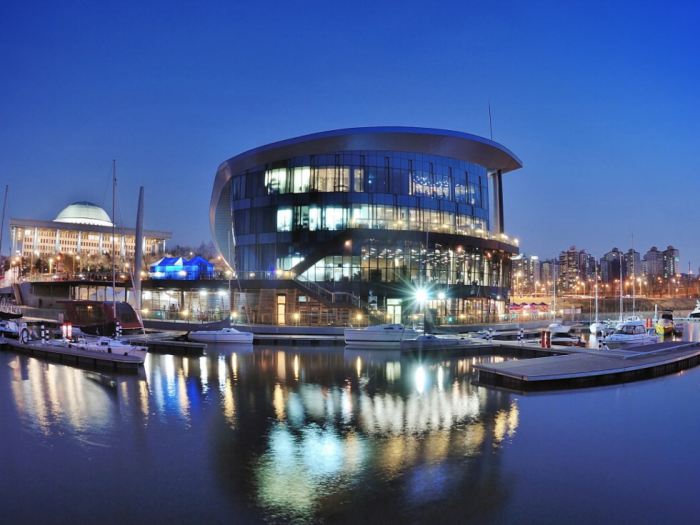
Seoul Marina Club & Yacht (서울마리나 요트&클럽)
12.7Km 2025-04-14
Yeouido-dong Yeongdeungpo-gu Seoul-si
Située à Yeouido-dong à Séoul, la marina de Séoul offre des services de voilier, de la location à la maintenance et la réparation des installations d’amarrage, mais également des établissements d’enseignement et le Centre de la Marina avec son ambiance exotique. La marina de Séoul est l’endroit où une culture unique du loisir peut être vécue dans un cadre urbain. Le Seoul Marina Club & Yacht a de nombreux types de voiliers incluant des voiliers canot et des voiliers à moteur. Ils proposent des tours et des services de locations aux visiteurs. Le Centre de la Marina est composé du Cafe Breeze, d’un salle de convention, d’un restaurant japonais Ru et le bar lounge Tapas Bar Ru aux 1er, 2nd, 3ème et 4ème étages respectivement. Le centre a la forme d’un tissu de voilier dans le vent.
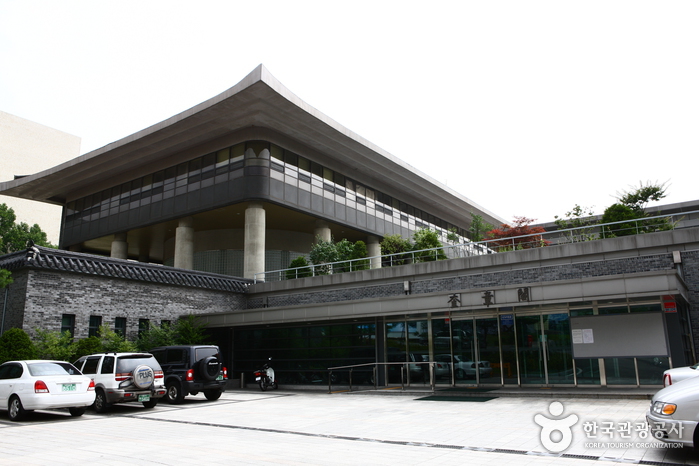
Bibliothèque Gyujanggak à l'université nationale de Séoul (서울대학교 규장각)
12.8Km 2021-09-14
1, Gwanak-ro, Gwanak-gu, Seoul
Gyujanggak fut fondée en 1776 au cours du règne du Roi Jeongjo, le 22ème roi de la Dynastie Joseon, époque à laquelle elle se situait dans l'enceinte du palais Changdeokgung. Elle servait de librairie royale qui abritait les écrits des rois précédents, leurs reliques et des livres locaux et étrangers.
Aujourd'hui, Seoul National University conserve les articles du Gyujanggak dans une hanok, une maison traditionelle coréenne, spécialement équipée pour la préservation des biens culturels. Elle abrite en plus une variété de livres sur la politique, l'économie et la société.
Gyujanggak abrite aujourd'hui plus de 280,000 articles dont 7 trésors nationaux, 8 trésors, plus de 180,000 livres anciens, environ 50,000 documents et 18,000 Chaekpan (blocs d'impression). Parmi ces reliques, Joseon Wangjo Sillok (les annales de la Dynastie Joseon, trésor national No. 151), Seungjeongwon Ilgi (le journal du Secrétariat Royal, trésor national No. 303) et Uigwe (les protocoles royaux de la Dynastie Joseon) ont été désignés comme héritages culturels par l'UNESCO. Le hall d'exposition du Gyujanggak est ouvert au public.

Université Nationale de Séoul (서울대학교)
12.9Km 2023-07-05
Sillim-dong, Gwanak-gu, Séoul
Fondée en 1946, l’université nationale de Séoul est riche en histoire et en tradition. L’université a été créée autour de l’université Kyongsong par la fusion de plusieurs universités spécialisées publiques et privées. C’est à présent une université pluridiscipinaire qui s’est hissée à la première place des universités publiques du pays. Elle possède un campus à Daehak-dong dans le quartier de Gwanak-gu, et un campus à Yeongeon-dong dans le quartier de Jongno-gu.
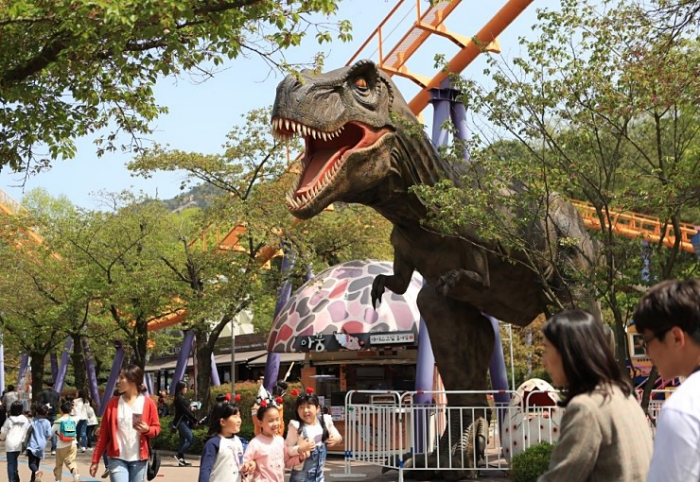
Seoul Land (parc d’attraction) (서울랜드)
12.9Km 2024-12-13
181, Gwangmyeong-ro, Gwacheon-si, Gyeonggi-do
Seoul Land est considéré comme le premier parc de loisirs en Corée, disposant d'un très beau décor naturel avec le mont Cheonggyesan aux alentours. Avec plus de 50 attractions , le parc offre de quoi profiter pour tous les types de public. Les espaces Luna Land et Jurassic Land sont notamment des endroits à ne pas manquer.
Le parc Seoul Land est notamment réputé pour ses festivals de saison et son 'Laser Show' qui a lieu le soir. Le parc 'Seoul Grand Park', autre grande attraction touristique à Séoul, se situe non loin sur un vaste terrain naturel et accueille des festivals de saison variés. Le Festival des tulipes a lieu notamment d'avril à mai, le 'Starlight Rose Festival' de juillet à août, le 'Chrysanthemum Festival' de septembre à octobre, le 'Snow Light Festival' de décembre à février.
Le parc Seoul Land est ainsi une destination populaire tout en ayant l'avantage de proposer des sites touristiques à visiter aux alentours comme le Seoul Grand Park mais le Musée national des arts modernes, etc.
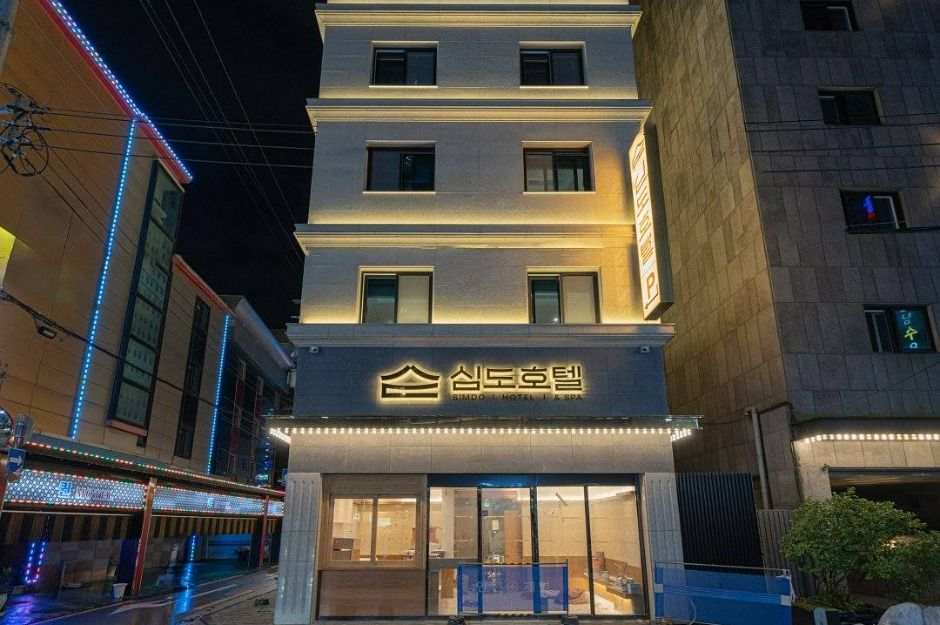
The Hyusik Simdo Hôtel & Spa – Sillim (더휴식 심도 호텔 앤 스파 신림역점)
12.9Km 2025-05-19
7, Nambusunhwan-ro 181-gil, Gwanak-gu, Seoul
The Hyusik Simdo Hôtel & Spa – Sillim propose un large choix de chambres, allant de la chambre Standard fidèle à l’essentiel, à la chambre Music pour une immersion dans vos goûts personnels, la chambre Wellness avec un lit de massage haut de gamme pour détendre le corps, ou encore la chambre Movie, un véritable cinéma privé. Pour les amateurs de jeux, la chambre 2PC est équipée d’ordinateurs performants. Quatre types de chambres Spa enveloppent le cœur comme le corps de chaleur et de réconfort. Enfin, la chambre Bunker, dotée d’un lit superposé à deux niveaux, peut accueillir confortablement jusqu’à quatre personnes. Un lieu où chacun peut choisir le repos qui lui convient.
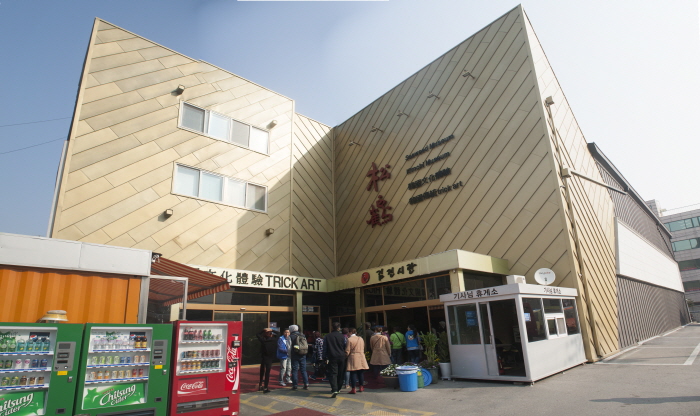
Songhakkim (송학김)
13.0Km 2024-12-26
14, Huiujeong-ro, Mapo-gu, Seoul-si
Le Songhakgim est une marque d’algues récoltées dans les eaux les plus pures de la mer de l’Ouest, où se rencontrent l’eau douce et l’eau de mer. Le Songhakgim est à la fois riche en minéraux et en autres nutriments. Il est meilleur et plus nutritif car il a reçu en abondance la lumière du soleil.
De nombreux touristes viennent y acheter des algues en vrac. Au rez de chaussée, les visiteurs peuvent observer tout le processus de fabrication du Songhakgim, et ils peuvent acheter des algues à l’étage.
Au premier étage se trouve également le hall de découverte de la culture traditionnelle, où les visiteurs étrangers peuvent essayer des hanboks, les vêtements traditionnels coréens, et fabriquer des gâteaux de riz épicés et des boulettes de riz.
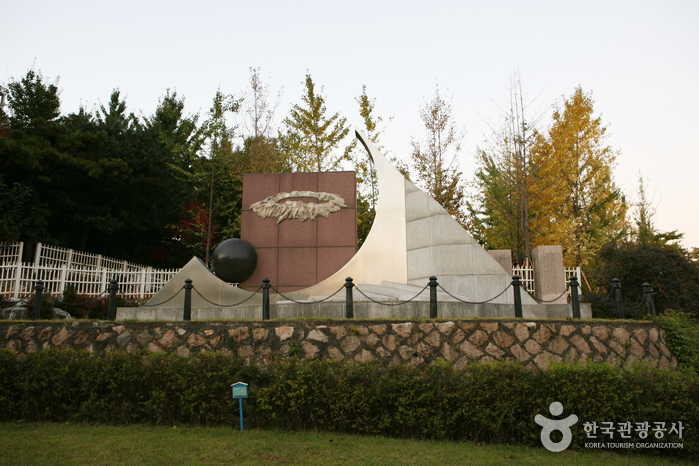
Parc Boramae (보라매공원)
13.1Km 2021-07-23
33, Yeouidaebang-ro 20-gil, Dongjak-gu, Seoul
Le Parc Boramae était l'ancien site de l'Académie de l'Armée de l'Air qui fut transformé en un parc de loisirs. Il adopta le nom de Boramae(faucon) car il s'agissait du symbole du site de l'armée de l'air. Il existe une variété d'équipements pour les sports et les loisirs comme des terrains de badminton et de jeux extrèmes, un mur d'escalade, un parc, un étang musical, une aire de jeux, des endroits pour pique-niquer, etc.
La tour symbolique de l'Académie de l'Armée de l'Air demeure toujours en tant que symbole puissant de loyauté et piété filiale. Les visiteurs peuvent découvrir un peu plus intimement cette académie grâce aux 8 avions exposés derrière la fontaine principale.
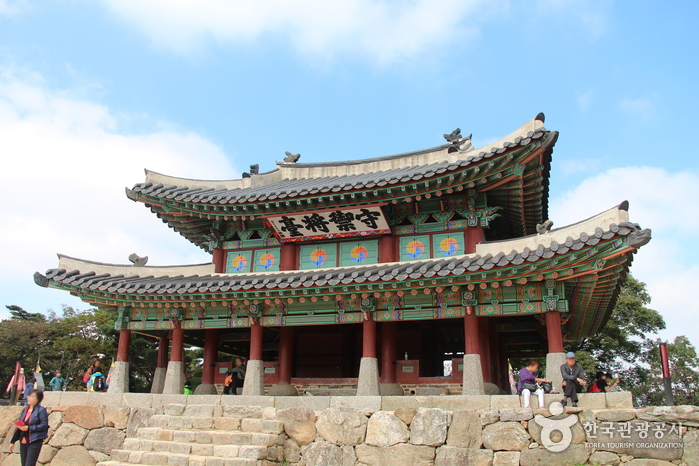
Pavillon Sueojangdae (수어장대)
13.1Km 2023-04-26
107-65, Namhansanseong-ro 780beon-gil, Gwangju-si, Gyeonggi-do
Le pavillon Sueojangdae est l'un des quatre postes de garde militaire de la forteresse Namhansanseong. Il a été bâti entre 1624 et 1626, durant le règne du roi Injo de la dynastie Joseon. Cette construction a été érigée dans un but militaire : le commandant dirigeait et donnait des ordres à son armée depuis ce poste. Lors de la Seconde invasion Mandchoue, la troupe menée par le roi Injo lui-même y a résisté 45 jours contre une grande armée de 120 mille soldats dirigée par l'empereur Huang-Taiji, avant de connaître une défaite humiliante et de déposer les armes à Samjeondo.
 Français
 한국어
한국어 English
 日本語
日本語 中文(简体)
 Deutsch
 Español
 Русский


