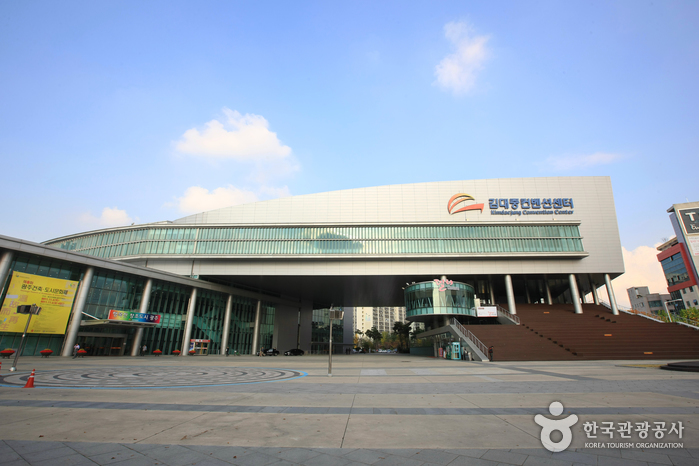
Centre de convention Kim Dae-jung (김대중컨벤션센터)
14.1Km 2024-12-19
30, Sangmunuriro, Seo-gu, Gwangju-si
+82-62-611-2000
Le centre de Convention Kim Dae-jung est l'un des meilleurs bâtiments de la province du Jeollanam-do, il fut inauguré le 6 septembre 2005. Il fut nommé à l'origine Centre de Convention de Gwangju, mais fut renommé en 2000 suite lorsque le président Kim Dae-jung reçut le prix Nobel de la Paix. Le centre a abrité de nombreux événements d'envergure. En été de nombreuses personnes s'y rendent pour profiter des activités culturelles que l'on trouve à la fois à l'intérieur et à l'extérieur du bâtiment.
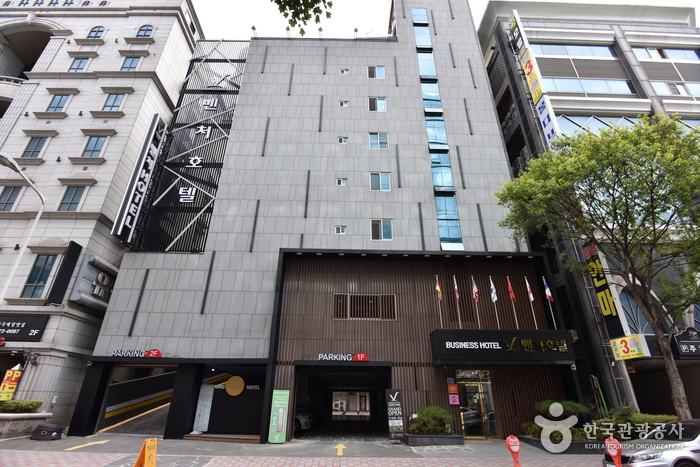
Venture Business hotel / 벤처 비즈니스 호텔(유한회사 벤처)
15.1Km 2025-08-13
5-6, Sangmujungang-ro 38beon-gil, Seo-gu, Gwangju
+82-10-2627-9000
The hotel, located closed to Samgmu Station of Gwangju Subway Line 1, is convenient to access. Housing 56 rooms in the building (B1 - 8th floor), the accommodation offers various room options to suit different customers as well. In additional to the standard double bedroom and twin bedroom, there are family rooms, Ondol rooms, and even a VIP twin bedroom with a terrace. The room for the disabled has Ondol and also has an en suite a bathroom. Clean beddings are prepared for a pleasant stay and Samsung Air Dressers are installed in each room. Some rooms are equipped with a massage chair and a whirlpool bathtub. The information desk in the lobby is open 24 hours and there is a business center next to it. Guests are provided with complimentary breakfast buffet in the restaurant on the second floor, available in Korean and Western styles until 9.30 a.m. For a seminar or workshop, audio system and a beam projector are available when inquired in advance. Parking lot has a charging station for electric vehicles, whereas roof top has a golf putting facility. The hotel is a great place to relieve stress and recharge your batteries.
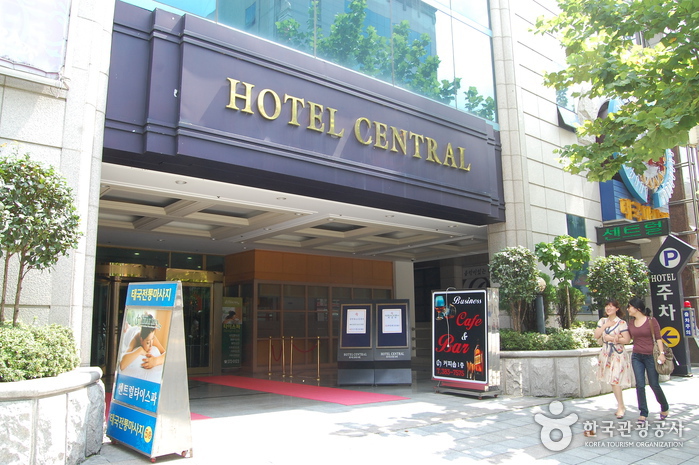
Hotel Central (센트럴관광호텔)
15.3Km 2024-12-19
68, Sangmuyeonha-ro, Seo-gu, Gwangju
+82-62-383-7575
Hotel Central is an affordable tourist hotel located in the city center of Gwangju. The hotel aims to meet every need of today's modern travelers, from high-speed internet to safety and comfort.
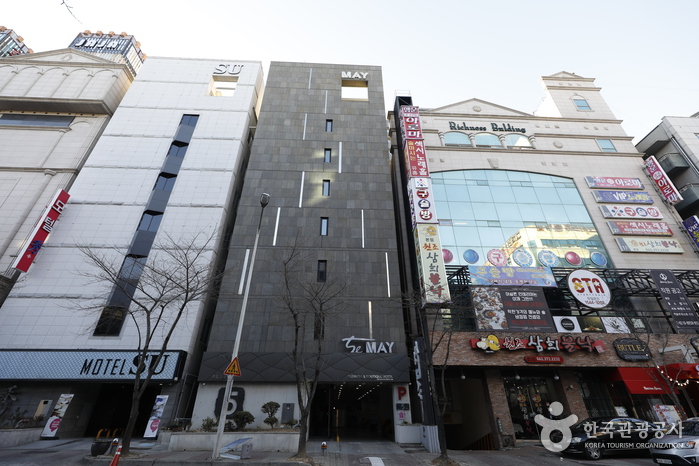
Hotel The May / 호텔5월
15.4Km 2025-08-12
51, Sangmubeonyeong-ro, Seo-gu, Gwangju
+82-62-676-5000
The 7-story, 36-room Hotel The May is located in Sangmu District, Seo-gu, Gwangju. There are three types of rooms: Superior Twin Room, Deluxe Double Room, and Business Double Room. Designed to serve as a boutique business hotel, it's a good place to stay for business travelers as well as tourists. The hotel has seminar and conference rooms on the 7th floor, each furnished with desk, fax, computer, and beam projector. Free breakfast is served in the cafeteria on the 2nd floor, with microwave oven and electric cooktop for the guests to use at any time. Nearby tourist destinations include the May 18 Memorial Park, Sangmu Sculpture Park, and Kim Daejung Convention Center. Gwangju Airport, Gwangju Songjeong Station, and Gwangju Bus Terminal are also nearby for those coming from other cities or countries. In the vicinity of the hotel is Uncheon Station for those using public transportation to get to the downtown area.

Temple Mugaksa (무각사)
15.5Km 2021-10-28
230, Uncheon-ro, Seo-gu, Gwangju
+82-62-383-0108
Le temple Mugaksa qui se situe sur le mont Yeouisan à Gwangju est un temple bouddhiste urbain équivalent du temple Bongeunsa de Séoul. A l'intérieur du temple se trouvent un café-librairie, la 'Lotus Gallery' et la maison de thé traditionnelle 'Sarangchae'. Le temple Mugaksa a ouvert en 2009 un marché de partage qui vend via des groupes religieux et diverses associations sociales des biens recyclés et écologiques.
Dubai hotel/ 두바이호텔
15.6Km 2025-08-12
47, Sangmubeonyeong-ro, Seo-gu, Gwangju
+82-10-5094-1400
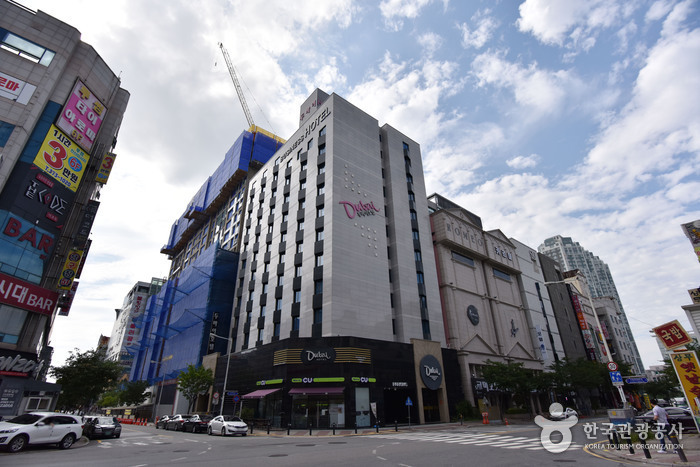
Gwangju Dubai Hotel opened in September 2016. The 13-story building houses 85 rooms of different types such as double, twin rooms, and suites. In all rooms, double beds are king-sized and bathrooms are equipped with a whirlpool bathtub. Each room is decorated uniquely so that visitors can look forward to something new every time they visit. The overall bright and light interior design in white, and the luxurious chandelier and indirect lighting, take the elegance of the hotel to the next level. Valet parking and breakfast are provided without charge; breakfast, which is American buffet with Korean dishes, is served from 7:30 a.m. until 9:30 a.m. All staff members of Dubai Hotel put cleanness and friendliness first to keep the place pleasant and comfortable. From the hotel, it takes about 10 minutes by car to Gwangju Airport; 15 minutes to KTX/SRT Gwangju Songjeong Station; and 10 minutes to U-Square Gwangju Bus Terminal. Kim Daejung Convention Center and 5·18 Memorial Park are close, and Gwangju City Hall is within walking distance. Trips to nearby regions such as Mokpo, Naju, Muan, and Hampyeong are also easy.
Temple Unjusa (운주사)
15.7Km 2021-06-28
91-44, Cheontae-ro, Doam-myeon, Hwasun-gun, Jeollanam-do
+82-61-374-0660
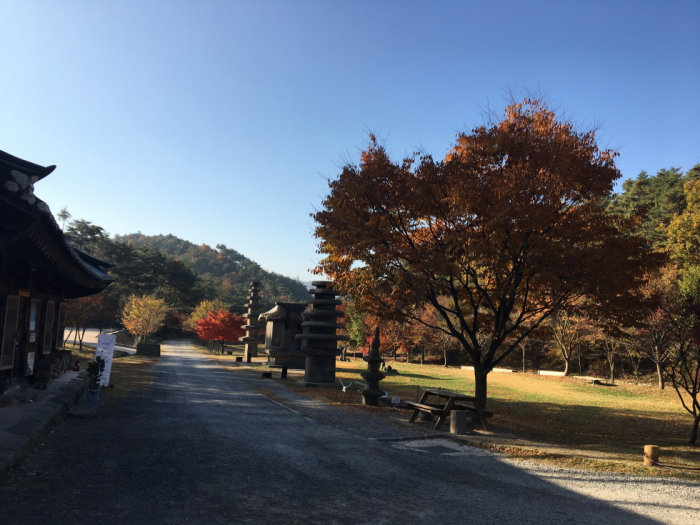
Le Temple Unjusa est considéré comme un temple à part en raison de la présence de nombreuses statues et pagodes. Il est censé avoir possédé mille statues et mille pagodes. Aujourd’hui on ne peut y voir que 100 statues et 20 pagodes. Il n’existe aucun écrit précis sur la fondation de Unjusa cependant on sait qu’on le doit à Doseonguksa (827∼898) vers la fin de la période de Silla (-57~935).
A la différence des autres temples, Unjusa ne possède pas de Geumgang-mun ou de Cheonwang-mun (les portes d’entrée qui abritent les statues des quatre gardiens protecteurs). La première que l’on apreçoit en arrivant à Unjusa c’est une pagode en pierre de 9 étages (Trésor National no. 796), celle-ci est très simple, dénuée de tout motif complexe. En continuant dans la direction de la pagode vous arriverez à un embranchement, en prenant sur la gauche vous pourrez voir le rocher de Chilseong (7 étoiles) qui tire son nom de sa ressemblance avec la constellation de la grande Ourse. Sur le même chemin se trouvent deux statues de Bouddha allongées appellées Wabul. Ces deux statues sont les plus intriguantes que l’on puisse rencontrer dans le temple, de par leur design et leur élaboration. Un peu plus haut, on peut apercevoir une statue de plein pied de Bouddha, plus loin en dépassant un bosquet épais, se dressent une pagode de 7 étages et une de 5 étages. L’intérêt des pagodes de Unjusa réside dans le fait qu’elles possèdent toutes un design unique.
Parc commémoratif 5·18 (5·18 기념공원)
15.8Km 2024-01-11
152 Naebang-ro, Seogu, Gwangju
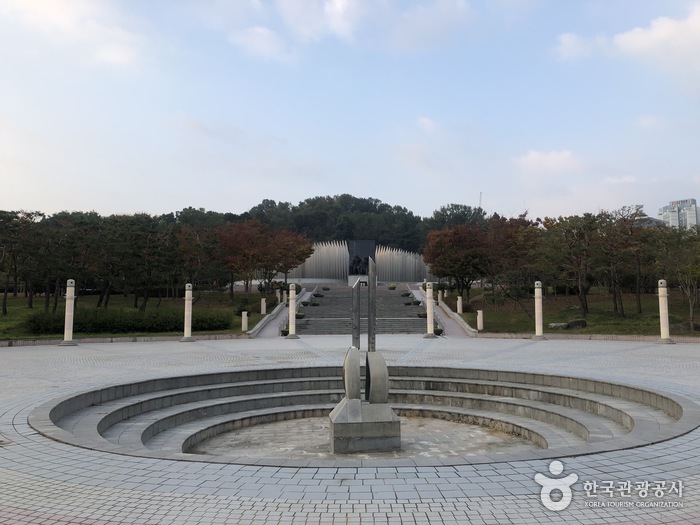
Le parc commémoratif 5·18 a été inauguré en souvenir du moment démocratique du 18 mai. Le parc abrite de nombreuses structures historiques et culturelles, comme la bibliothèque 5·18, le Centre culturel 5·18, un centre éducatif, la place Daedong Plaza, la tour Owoldae, etc. Le parc abrite également le temple Mugaksa tout en proposant de nombreux chemins de randonnées.
Cimetière des missionnaires de Yangnim-dong (양림동 선교사 묘지)
17.3Km 2021-05-28
77, Jejung-ro, Nam-gu, Gwangju-si
+82-62-607-2333
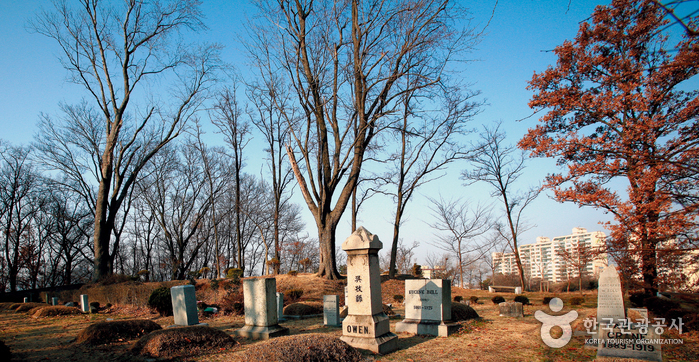
Le cimetière des missionnaires de Yangnim-dong regroupe les tombes de 23 missionnaires ayant apporté le christianisme pour la première fois dans la région de Gwangju mais également crée un mouvement pour sauver la nation du colonialisme japonais. Yangnim-dong, dans la ville de Gwangju, fut le lieu principal où les prêtres Bae Yu-ji et Clement Owen dirigèrent leur travaux religieux en tant que premiers missionnaires de la province du Jeollanam-do.
Le prêtre Bae Yoo-ji fonda l’école de filles Jennie Speer dans le cadre de ses activités de missionnaire. Clement Owen se consacra aux travaux missionnaires et au volontariat médical avec sa femme infirmière. Aujourd’hui, il existe un monument de commémoration en l’honneur du prêtre Bae Yoo-ji et un bâtiment au nom de Clement Owen et son grand-père.
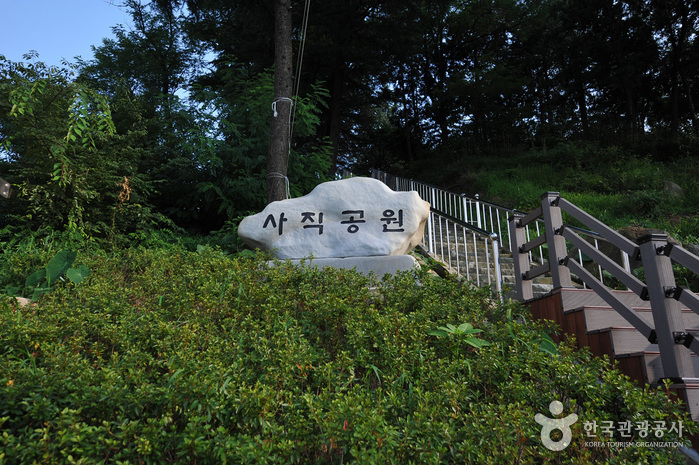
Parc Sajik (Gwangju) (사직공원(광주))
17.6Km 2022-04-01
49, Sajik-gil, Nam-gu, Gwangju
+82-62-652-3236
Le parc Sajik à Gwangju est un lieu symbolique et historique en Corée remontant à la période des trois royaumes. Il est réputé pour les promenades avec diverses installations et pavillons. Le lieu est aussi réputé pour les fleurs de cerisiers au printemps.
 Français
 한국어
한국어 English
 日本語
日本語 中文(简体)
 Deutsch
 Español
 Русский


