
Olive Young - COMMON GROUND Branch [Tax Refund Shop] (올리브영 건대커먼그라운드점)
3.7Km 2024-06-26
200, Achasan-ro, Gwangjin-gu, Seoul
-
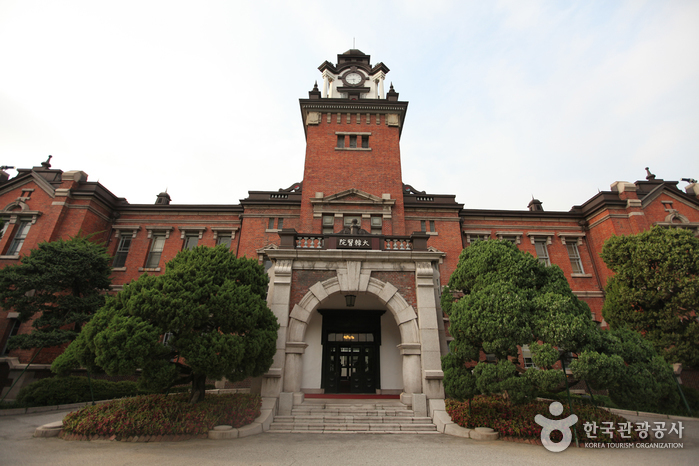
The Museum of Medicine (서울대학교병원의학박물관)
3.7Km 2024-03-18
101 Daehak-ro, Jongno-gu, Seoul
The Museum of Medicine is located in the building of the former Daehan Medical Center, the oldest modern hospital in Korea. It is a medical museum that provides a comprehensive view of the development of modern medicine in Korea, the history of medical devices, and the transformation of Seoul National University Hospital. Through permanent and special exhibitions, the museum showcases medical artifacts and documents related to the history of medicine.
K-medi Spring (한강애봄)
3.7Km 2025-12-09
6th Floor, 63 Dongsomun-ro, Seongbuk-gu, Seoul
HanGang AeBom is a certified agency specializing in attracting international patients, offering customized programs that combine Korea’s advanced medical services with tourism. The agency collaborates with medical institutions to arrange consultations, interpretation, accommodation, and travel itineraries.
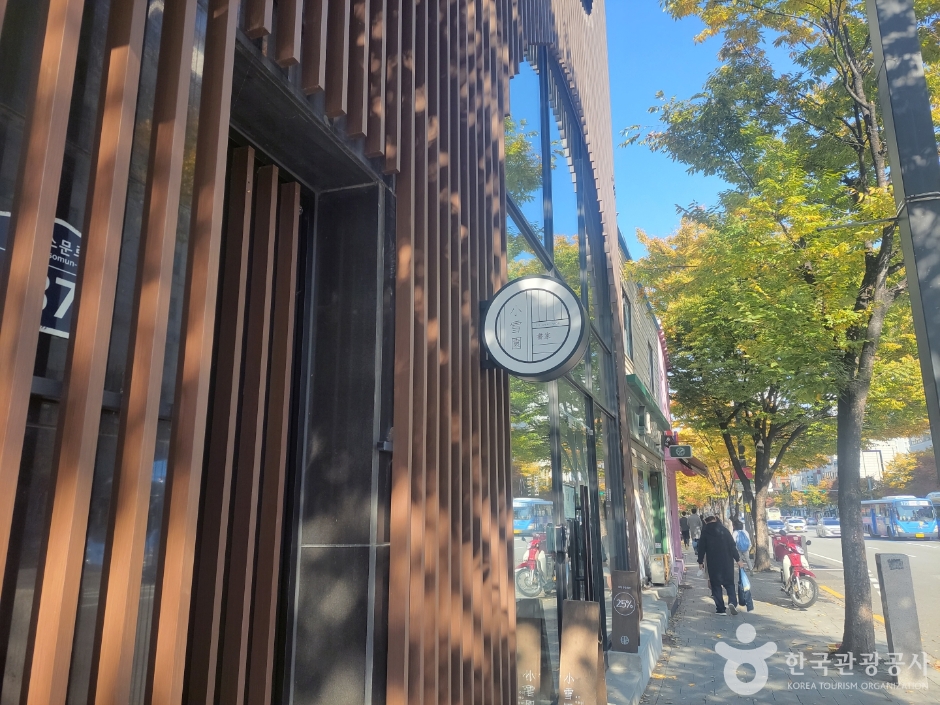
Soseolwon Seoga (소설원 서가)
3.7Km 2024-02-15
37 Dongsomun-ro, Seongbuk-gu, Seoul
Soseolwon Seoga is a café located near Daehangno. The name means a small garden with falling snow. The building, spanning five floors, offers different atmospheres on each level, making it enjoyable to explore. The signature menu is the sun uyu pudding (whole milk pudding), boasting a smooth texture that allows you to savor the rich flavor of pure milk. Also popular is the heukdang einspanner (black sugar einspanner), featuring cream and marshmallows without being overly rich. Nearby attractions include Marronnier Park and the Dream Art Center.
Seoul Daehan Hospital (서울 대한의원)
3.7Km 2021-12-23
101, Daehak-ro, Jongno-gu, Seoul
+82-2-2148-1842
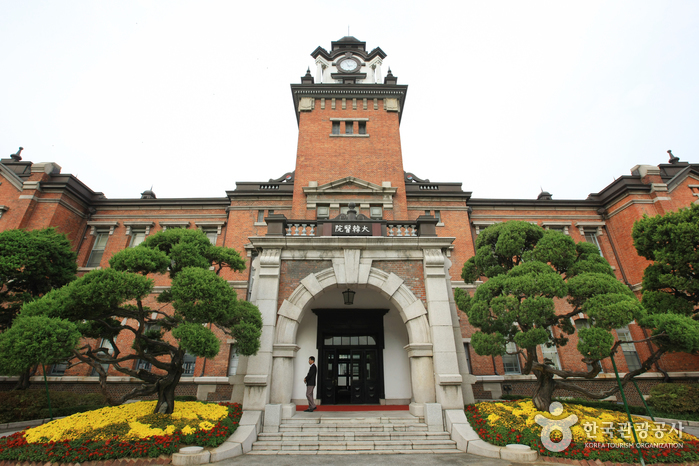
Daehanuiwon (Daehan Medical Center) is an antique two-story brick building within the grounds of Seoul National University Hospital. It was established under the direct administration of the Uijeongbu (State Council), combining the Gwangjewon (under the Home Ministry), Gyeongseong Medical School and the Korean Red Cross Hospital (under the Royal Household).
Built in the Madubong Hill area, this location where Hamchunwon, the outer garden of Changgyeonggung Palace, once stood in 1484 (15th year of King Seongjong), was also once the site of Gyeongmogung Palace, where King Jeongjo enshrined the mortuary tablet of his birth father Crown Prince Sado Seja in 1776 (the year King Jeongjo ascended to the throne).
These places that held importance for the royal family were destroyed as the Japanese built Gyeongseong Empire University in its place. In 1907, with the announcement of the plan to establish Daehan Medical Center, construction began on the main building, seven wards and affiliated buildings. Construction was completed in November 1908.
The Daehan Medical Center opened in Gwangjewon, but upon Japanese colonization in 1910, its name was changed to the Japanese Viceroyalty Hospital. In 1926, it was included as a part of Gyeongseongjeguk University to become a university hospital. Since the liberation of Korea in 1945, it has been a hospital affiliated with Seoul National University.
Jongmyo Shrine [UNESCO World Heritage] (종묘 [유네스코 세계유산])
3.7Km 2024-07-05
157 Jong-ro, Jongno-gu, Seoul
+82-2-765-0195
Jongmyo Shrine was the primary place of worship for kings and their queens throughout the Joseon dynasty. The shrine was built at the same time as Gyeongbokgung Palace, under the orders of King Taejo, the first king of the Joseon dynasty. The shrine is the site of the royal memorial service, called Jongmyo Jaerye, a national event that has been passed down since the Three Kingdoms period. During the Joseon dynasty, the ritual was held on the first month of a seasonal change and the twelfth month of the lunar year.
![New Balance - Daehangno Branch [Tax Refund Shop] (뉴발란스 대학로점)](http://tong.visitkorea.or.kr/cms/resource/82/2878182_image2_1.jpg)
New Balance - Daehangno Branch [Tax Refund Shop] (뉴발란스 대학로점)
3.7Km 2024-04-16
133-2, Daehak-ro, Jongno-gu, Seoul
-
Korea House (한국의집)
3.7Km 2025-10-23
10, Toegye-ro 36-gil, Jung-gu, Seoul
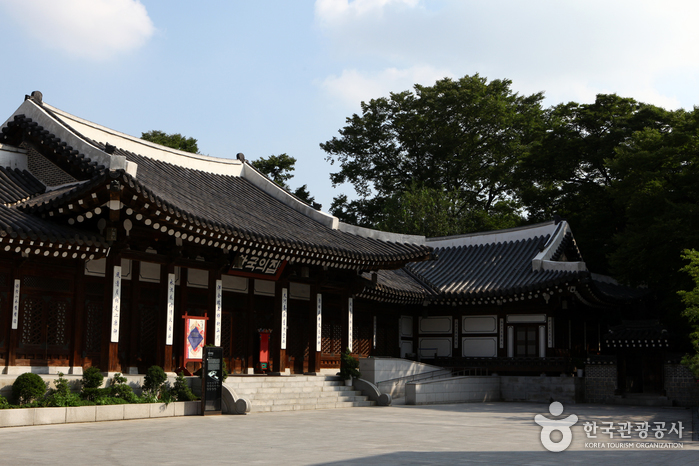
The Korea House was opened in 1981. It is a traditional Korean building that introduces the culture and lifestyle of Koreans, where you can experience traditional architecture and a classical atmosphere. The building was built in the style of the Joseon Dynasty's Jagyeong-jeon building at the Gyeongbok Palace. It is the only building built in the traditional architectural style. You will feel its antiquity as you enter the building.
It is divided into the Haerin-gwan (a space for people to get acquainted with each other), the Traditional Theater, and three annex buildings (Munhyang-ru, Nokeum-jeong and Cheongwu-jeong). At Haerin-gwan, you can enjoy traditional music at Garak-dang and try traditional food at Sohwa-dang. In the square of Garak-dang you can view a traditional wedding (on the weekends) or people playing folk games. Also, at the Traditional Theater, about 156 seats are available, and in the afternoons Human Cultural Assets or members of the National Center for Korean Traditional Performing Arts and the National Corps members present traditional music and dances. Sinayui, Salpuri, Pansori, the Drum Dance and the Bongsan Mask Dance are the most popular programs for foreigners. The programs are all explained in English and Japanese.
In the Cultural Gift Shop you can view various crafts made by traditional craftsmen. It is always open and the crafts are for sale as well. There are pottery, ceramics, golden crafts, knots and embroidery etc; approximately 500 pieces of artwork made by craftsmen from 20 different fields. Next to the House of Korea is the Namsan-gol Hanok Village where visitors can explore traditional houses.
 English
 한국어
한국어 日本語
日本語 中文(简体)
 Deutsch
 Français
 Español
 Русский


