![Changdeokgung Palace Complex [UNESCO World Heritage Site] (창덕궁과 후원 [유네스코 세계유산])](http://tong.visitkorea.or.kr/cms/resource/03/3092503_image2_1.jpg)
Changdeokgung Palace Complex [UNESCO World Heritage Site] (창덕궁과 후원 [유네스코 세계유산])
3.5Km 2025-07-21
99 Yulgok-ro, Jongno-gu, Seoul
Changdeokgung Palace was the second royal villa built following the construction of Gyeongbokgung Palace in 1405. It was the principal palace for many kings of the Joseon dynasty, and is the most well-preserved of the five remaining royal Joseon palaces. The palace grounds are comprised of a public palace area, a royal family residence building, and the rear garden. Known as a place of rest for the kings, the rear garden boasts a gigantic tree that is over 300 years old, a small pond and a pavilion.
The palace gained importance starting from the time of Seongjong, the 9th king of Joseon, when a number of kings began using it as a place of residence. Unfortunately, the palace was burned down by angry citizens in 1592 when the royal family fled their abode during the Imjin War. Thanks to Gwanghaegun, the palace was restored in 1611. Even today, it houses a number of cultural treasures, such as Injeongjeon Hall, Daejojeon Hall, Seonjeongjeon Hall, and Nakseonjae Hall.
Changdeokgung Palace’s garden behind the inner hall, called the "Secret Garden," was constructed during the reign of King Taejong and served as a rest area for the royal family members. The garden had formerly been called Bugwon and Geumwon, but was renamed Biwon Garden, or Secret Garden, after King Gojong came into power. The garden was kept as natural as possible and was touched by human hands only when absolutely necessary. Buyongjeong Pavilion, Buyongji Pond, Juhamnu Pavilion, Eosumun Gate, Yeonghwadang Hall, Bullomun Gate, Aeryeonjeong Pavilion, and Yeongyeongdang Hall are some of the many attractions that occupy the garden. The most beautiful time to see the garden is during the fall when the autumn foliage is at its peak and the leaves have just started to fall.
Though it has been treasured by Koreans for centuries, Changdeokgung Palace and its complex was recognized as a World Cultural Heritage site by the UNESCO World Cultural Heritage Committee in December of 1997 during the committee meeting in Naples, Italy.
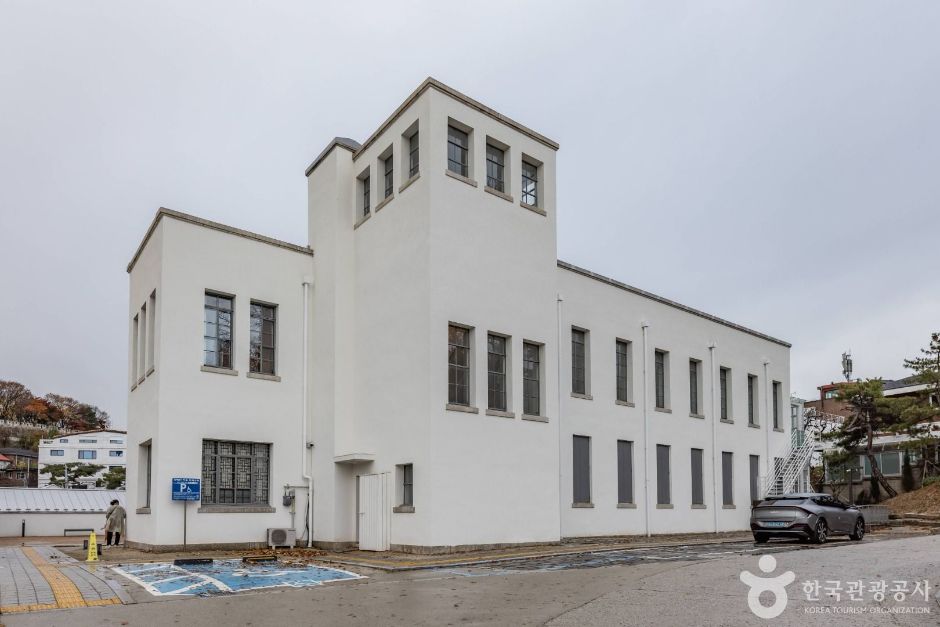
Kansong Art Museum (간송미술관(서울 보화각))
3.5Km 2025-06-30
102-11 Seongbuk-ro, Seongbuk-gu, Seoul
Kansong Art Museum was the first private art museum in Korea, opened as Bohwagak in 1938 by Kansong Jeon Hyeong-pil. The name was changed to the current Kansong Art Museum in 1966. Bohwagak was designated as National Registered Cultural Heritage No. 768 on December 30, 2019. Jeon Hyeong-pil dedicated his life to preserving and researching Korea’s representative relics that were devaluated and purposefully obliterated during the Japanese colonial era, as well as to acknowledging their cultural excellence and beauty. The museum houses 11 national treasures and 24 treasures.
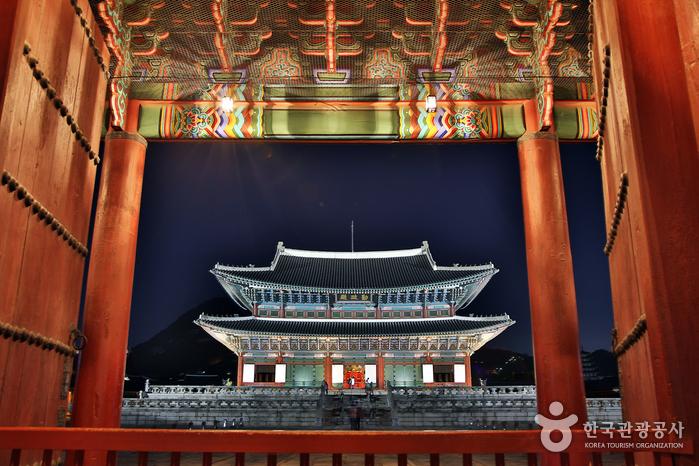
Jongno Cheonggye Special Tourist Zone (종로 청계 관광특구)
3.5Km 2021-12-30
99, Yulgok-ro, Jongno-gu, Seoul
+82-2-2148-1861
Jongno Cheonggye Special Tourist Zone stretches from Seorin-dong to Changsin-dong between Cheonggyecheon Stream and Jong-ro. It includes Youth Street, Gwangjang Market, Sewoon Electronics Department Store, lighting stores, pharmacy & medical device stores, badge stores, Stamp Street, Stationery · Toy Market, Aquarium Street, Shoes Market, and other markets totalling to approximately 14,000 shops. Nearby attractions include modern high-story buildings as well as Gyeongbokgung, Changdeokgung, Changgyeonggung, Deoksugung, and Unhyeongung Palaces, Jongmyo Shrine, and Insa-dong, merging traditions, modernism, culture, and markets alike.
Thought to be at the heart of Seoul, Cheonggyecheon Stream is located in the dense cultural area of Seoul where various press networks, organizations, bookstores and other major corporations are situated. Walking along Cheonggyecheon Stream is a famous activity for tourists. Also, the area is the venue for the Seoul Lantern Festival every winter. Keeping its traditional scene including narrow alleys, old-fashioned hanok buildings and various stores still fully intact, the tourist zone has enough fun places for sightseeing as well as tasty restaurants in every corner for a more enjoyable visit.

Jalppajin Memil Ikseon Branch (잘빠진메밀 익선)
3.5Km 2024-03-18
73 Yulgok-ro 8-gil, Jongno-gu, Seoul
+82-70-4531-1214
Jalppajin Memil is a specialty restaurant that directly kneads 100% buckwheat dough to make buckwheat noodles. They offer both bibim makguksu (spicy buckwheat noodles) and mul makguksu (buckwheat noodles). Additionally, they serve memil jeonbyeong (buckwheat crepe), memil mandu (buckwheat mandu), and tender suyuk (boiled pork slices). They have a selection of 10 different kinds of makgeolli (unrefined rice wine) including chestnut, citrus, corn, and mulberry, allowing customers to choose according to their preference. Their famous makgeolli sampler set, which allows customers to taste five different types of makgeolli in small quantities, is popular.
Goldria - Jongno 3(sam)-ga Branch [Tax Refund Shop] (골드리아 종로3가)
3.5Km 2024-04-19
1F, 50, Donhwamun-ro, Jongno-gu, Seoul
-
![Olive Young - Chungmuro Station Branch [Tax Refund Shop] (올리브영 충무로역)](http://tong.visitkorea.or.kr/cms/resource/68/2888868_image2_1.jpg)
Olive Young - Chungmuro Station Branch [Tax Refund Shop] (올리브영 충무로역)
3.5Km 2024-04-18
222, Toegye-ro, Jung-gu, Seoul
-
![Jeongneung Royal Tomb [UNESCO World Heritage] (서울 정릉(신덕왕후) [유네스코 세계문화유산])](http://tong.visitkorea.or.kr/cms/resource/91/2622291_image2_1.jpg)
Jeongneung Royal Tomb [UNESCO World Heritage] (서울 정릉(신덕왕후) [유네스코 세계문화유산])
3.5Km 2021-02-09
116, Arirang-ro 19-gil, Seongbuk-gu, Seoul
+82-2-914-5133
Jeongneung Royal Tomb is the tomb of Queen Sindeok, the second wife of King Taejo (1392-1398), founder of the Joseon dynasty (1392-1910). The queen met a sudden death due to health complications. Although one of her sons was the crown prince, he was killed by a successive brother, Yi Bang-won, in order to obtain the throne. After Yi Bang-won rose to the throne as King Taejong, he relocated Queen Sindeok's tomb to outside of the city walls.
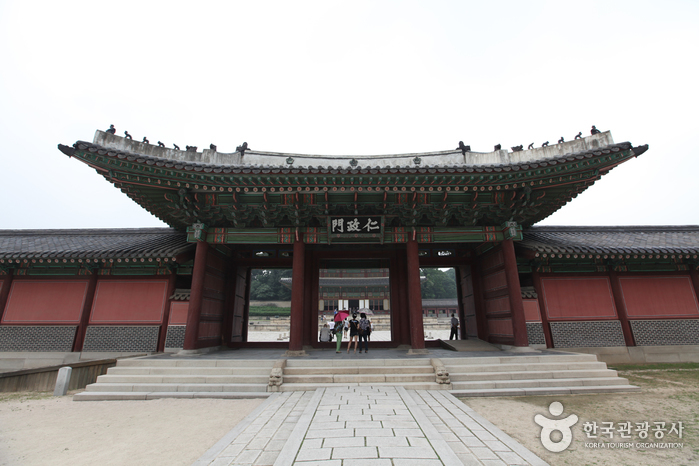
Changdeokgung Injeongmun Gate (창덕궁 인정문)
3.6Km 2025-01-14
99, Yulgok-ro, Jongno-gu, Seoul
+82-2-3668-2300
Serving as the main gate of Injeongjeon Hall, Injeongmun Gate was established in 1405 (5th year of King Taejo’s reign during the Joseon dynasty). Later on, the gate was destroyed by multiple fires during the Imjin War (Japanese invasion of Korea in 1592), therefore current form of the establishment displays designs that are more often seen in the late 19th century's. In addition, a lot
of subsidary marks and buildings are removed from the original places and relocated passing the time, however, still remains to represent prestigious ambience.
Injeongmun Gate served as the place for several coronation ceremonies of kings, prince's succession of throne, and many other national affairs celebrated by the royal members who gathered and aligned around this gate.
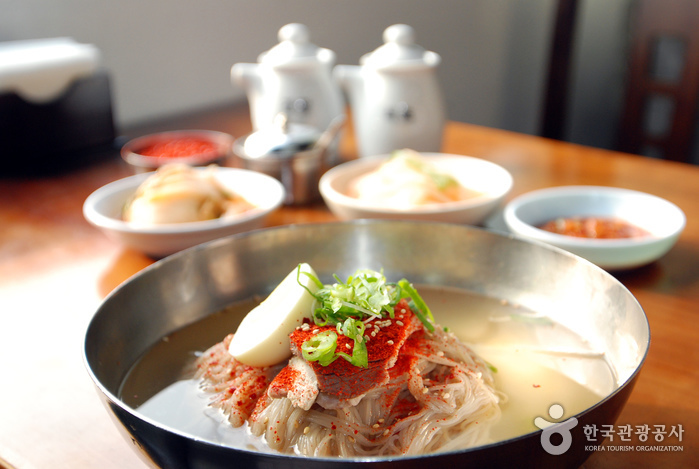
Pildong Myeonok (필동면옥)
3.6Km 2024-03-07
26, Seoae-ro, Jung-gu, Seoul
+82-2-2266-2611
Pildong Myeonok specializes in authentic pyeongyang naengmyeon (pyeongyang cold buckwheat noodles). Their signature dish is Pyeongyang naengmyeon (Pyeongyang cold buckwheat noodles), which has a light and refreshing broth and chewy noodles. Mandu and Mandut guk (Mandu soup) are also popular dishes to go with it. Having been selected for the Michelin Guide Seoul 2023, this restaurant is a favorite among locals and tourists alike for its flavorful noodles.
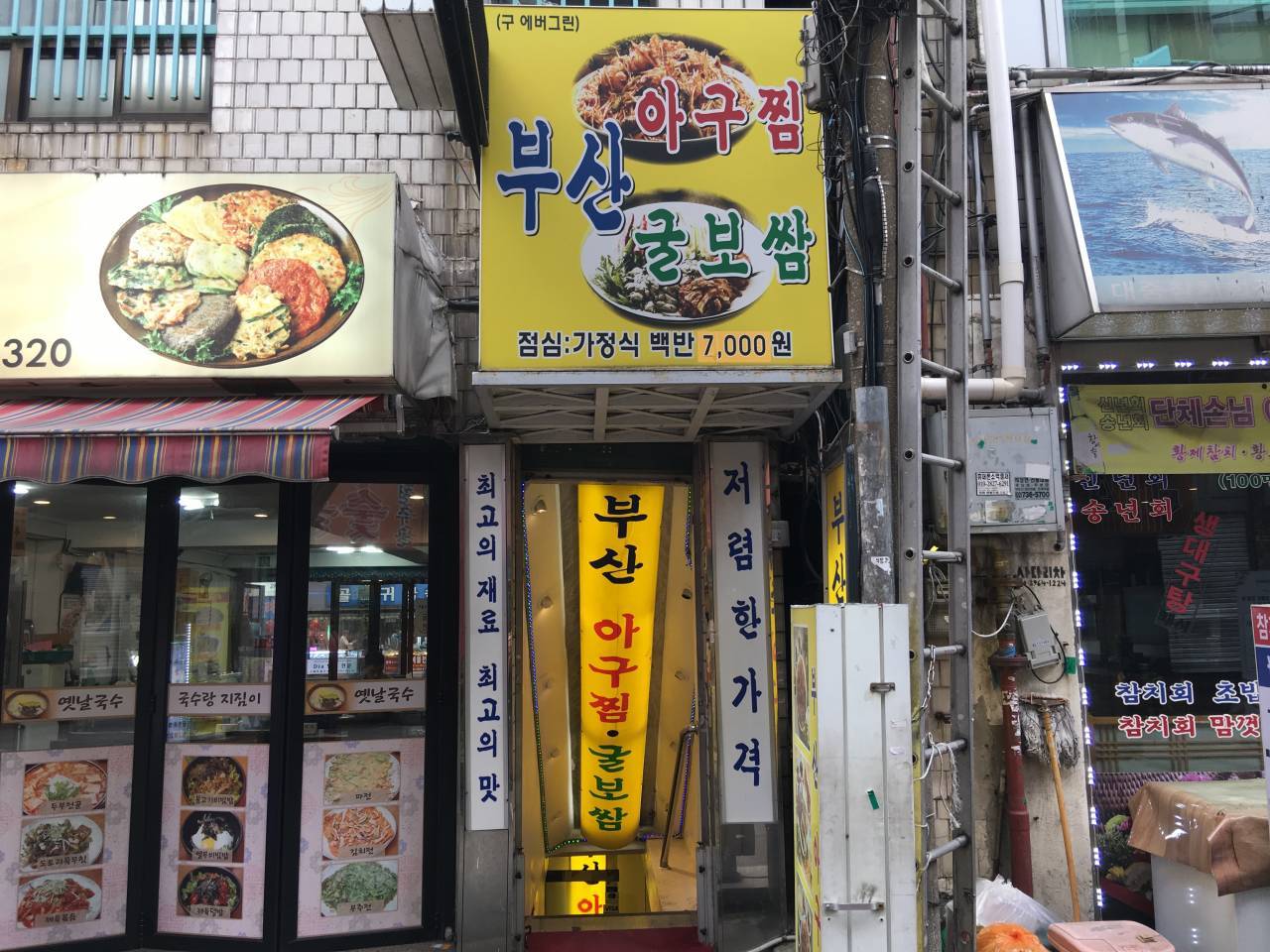
Busan Agujjim Gulbossam (부산아구찜굴보쌈)
3.6Km 2024-10-15
서울특별시 종로구 돈화문로 35
+82-2-764-2373
This is a Korean cuisine located in Jongno, Seoul. The best menu at this restaurant is spicy braised monkfish. Stewed monkfish is a spicy seafood dish made of fish and vegetables.
 English
 한국어
한국어 日本語
日本語 中文(简体)
 Deutsch
 Français
 Español
 Русский


