Insa-dong (인사동)
3.1Km 2024-05-17
62, Insadong-gil, Jongno-gu, Seoul
+82-2-734-0222
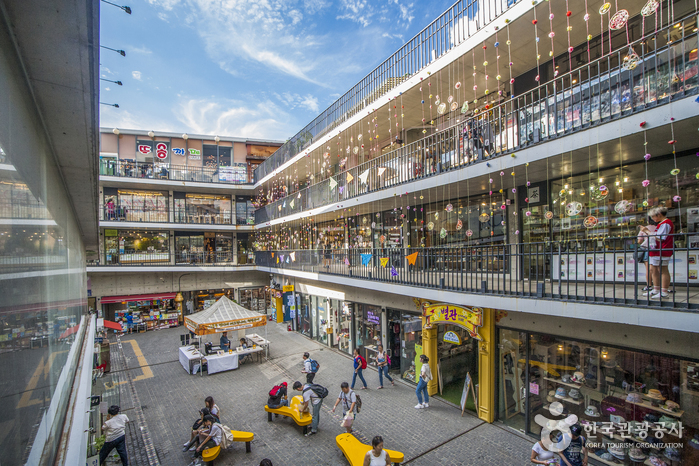
Insa-dong, located in the heart of the city, is an important place where old but precious traditional goods are on display. There is one main road in Insa-dong with alleys on each side. Within these alleys are galleries, traditional restaurants, teahouses, and cafes.
The galleries are the heartbeat of Insa-dong. There are about 100 galleries in the area offering every example of traditional Korean fine art from paintings to sculptures. The most famous galleries are Hakgojae Gallery, which functions as the center of folk art, Gana Art Gallery, which promotes many promising artists, and Gana Art Center.
The teahouses and restaurants are the perfect complement to the galleries. They are hidden deep within the twisting alleyways, making it feel like a treasure hunt. The shops in Insa-dong are very popular among all age groups, because each one is unique.
Every Saturday from 14:00 to 22:00 and Sunday from 10:00 to 22:00, the main street is blocked to vehicular traffic and it becomes a cultural space. Stores set up booths outside and Korean candy merchants and fortune teller stalls can easily be found; there are traditional performances and exhibits as well. Insa-dong is especially popular among international tourists. This is where they can experience and see traditional Korean culture first-hand, and also purchase pieces of fine art.
Matthew Chang Anguk (메튜장 안국)
3.1Km 2025-07-14
33 Yulgok-ro, Jongno-gu, Seoul
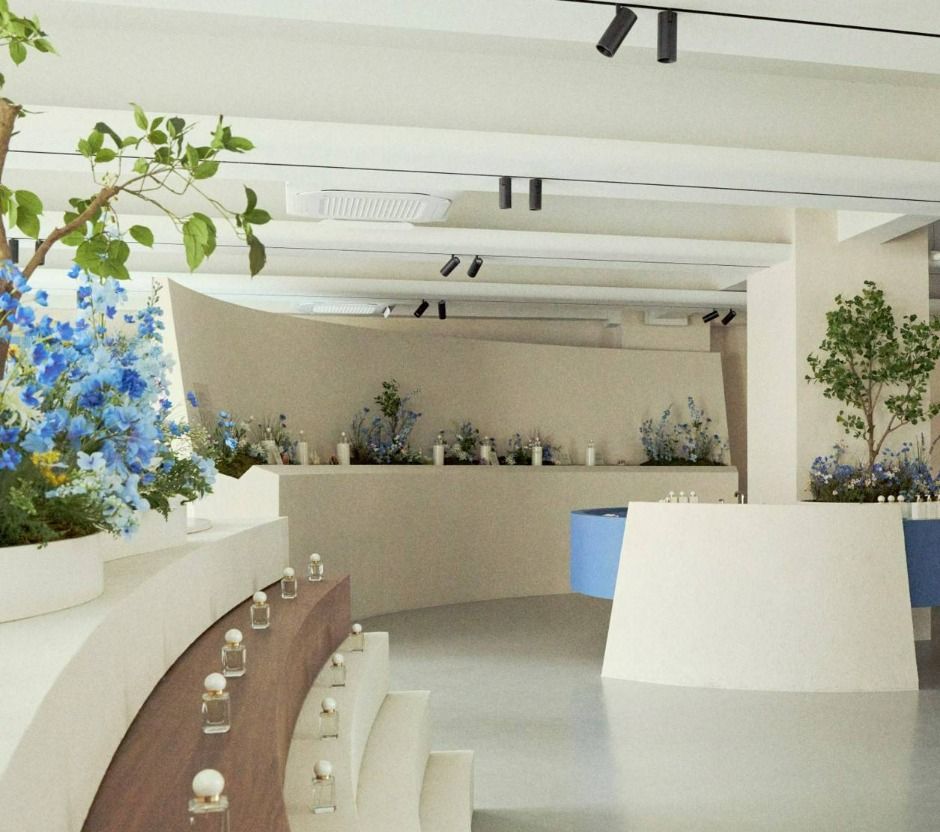
Matthew Chang Anguk flagship store uses the whole space to bring the brand's philosophy to life through fragrance. Located in Anguk, the heart of Korea's tradition and aesthetics, the store's tranquil atmosphere sets the mood for visitors to try on and experiment with the brand's carefully selected perfume collection. The staff provides assistance in recommending the perfect scent according to visitor's preference, mood, and nostalgia. The store also has a section dedicated to body care products, such as hand wash and body lotion.
Bukchon Son Mandu Bukchon Branch (북촌손만두 북촌점)
3.2Km 2024-12-10
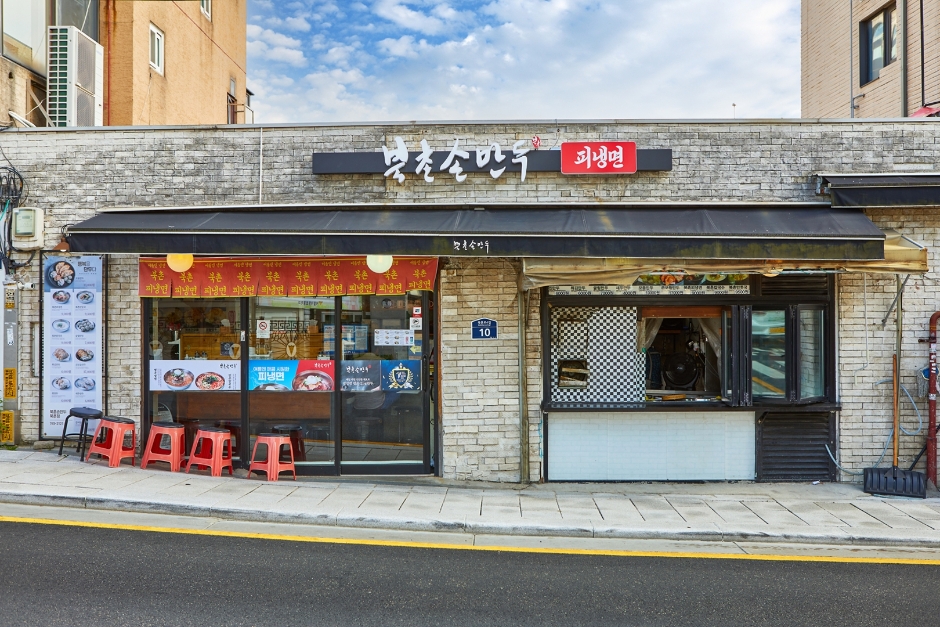
This third-generation family-owned handmade mandu restaurant has been in business since 1953. Its handmade mandu bears the tradition of nearly 70 years. This restaurant distinguishes itself above others with its unique expertise in the art of mandu-making and fresh ingredients, capturing deep flavors with care in each mandu. A full spread of mandu is available here, from steamed mandu to thin-skin mandu, deep-fried mandu, shrimp mandu, and galbi mandu, which can be ordered in individual pieces or as an assorted package. Mandu and noodles go perfectly together, and here, visitors can enjoy mandu with cold buckwheat noodles or noodle soup. The most recommended menu is the noodle soup, which serves thick, plump noodles in warm broth. But that does not mean that the cold buckwheat noodles are lacking: cold buckwheat noodles are served in a cool, red kimchi broth.
Namsan Library (서울특별시교육청 남산도서관)
3.2Km 2021-07-07
109, Sowol-ro, Yongsan-gu, Seoul
+82-2-754-7338
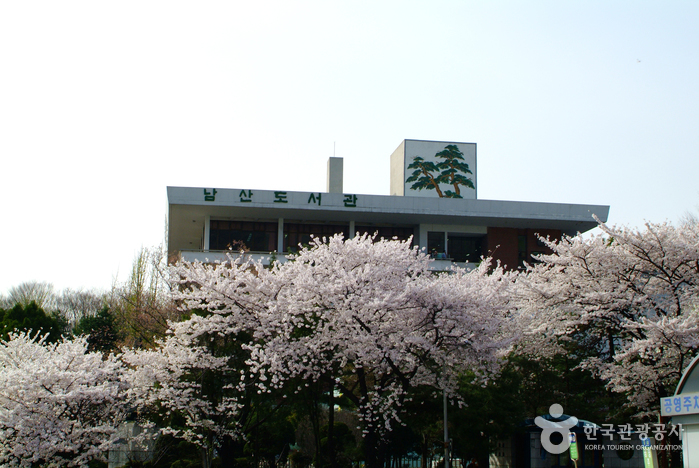
Namsan Library opened as Kyeongseong Prefectural Library in 1922 as a public library in Myeong-dong, Jung-gu, Seoul. The library was moved to the current site in 1964 with a newly built building and its name changed to Namsan Library in 1965. This concrete building was built in 1964 and was designed by architect Lee Haeseong. It was designated as Seoul Future Heritage in 2013, credited for its preservation value.
It is comprised of 19 rooms and educational areas including the Humanity and Social Science Hall, Nature Science Hall, Language and Literature Hall, Electronic Information Room and more. Since opening, the library has collected nearly 500,000 books, 16,000 non-book materials, 700 continuing resources, and other special materials like old books, oriental books (including Japanese books), and more. Namsan Library also operates a reading treatment program unique to this library that began in 2005. The program includes remodeling of reading consultation room, training for people in charge of reading treatment, workshops, programs for individuals and groups. Also, various exhibitions, lectures, shows, cultural classes and other events are available all year long to enhance lifelong education.
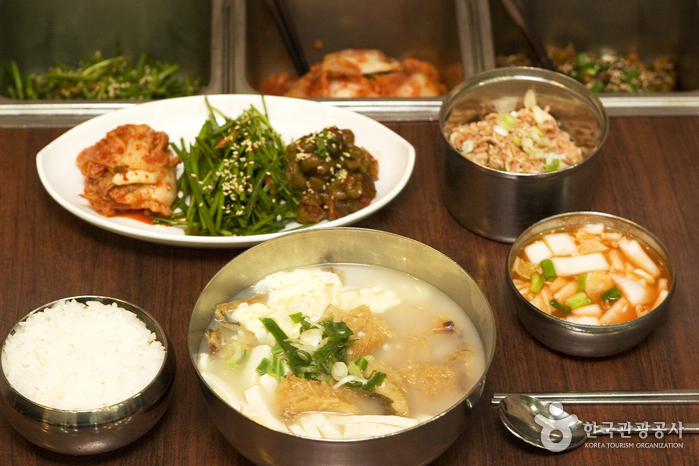
Bugeogukjip (북어국집)
3.2Km 2024-12-27
38, Eulji-ro 1-gil, Jung-gu, Seoul
+82-2-777-3891
Bugeogukjip (formerly “Teojutgol”) is a restaurant behind City Hall in Seoul that has been serving up authentic dried Pollack soup since 1968. Despite a name change, the restaurant has proudly stood in this same location for decades, earning a strong reputation for its dried Pollack soup made using traditional cooking methods.
Since the restaurant only serves one thing—dried Pollack soup—there are few preparations to be made and the meal arrives on your table in minutes. Customers are free to serve themselves basic side dishes such as kimchi and can have as many servings of rice as they’d like, allowing diners to enjoy a hearty meal at a low price. While the restaurant’s design and menu may be simple, Bugeogukjip takes pride in its long history and the careful efforts that have earned it a reputation as one of the most notable restaurants in Seoul.
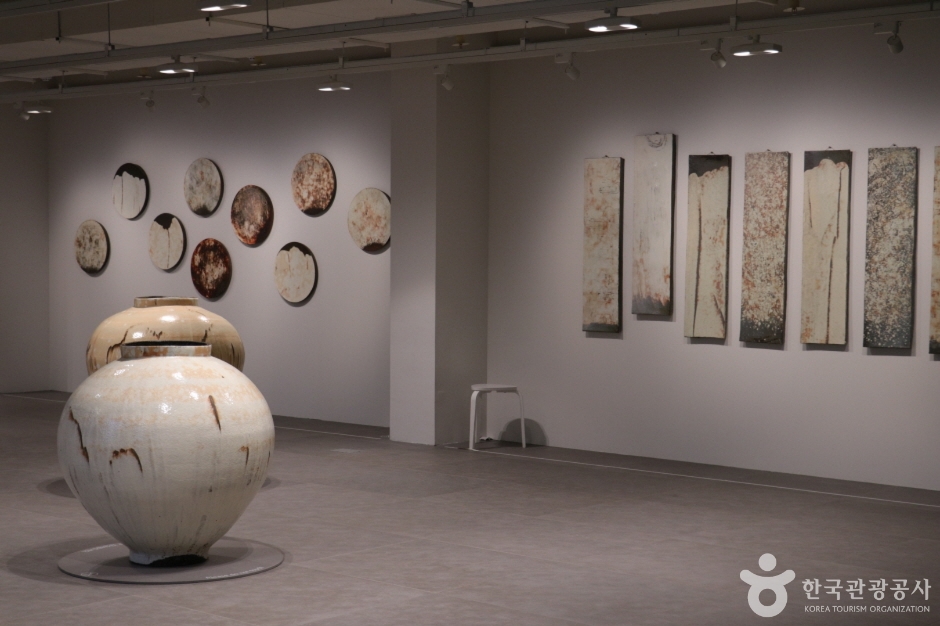
Seoul Museum of Craft Art (SeMoCA) (서울공예박물관)
3.2Km 2025-06-19
4 Yulgok-ro 3-gil, Jongno-gu, Seoul
The Seoul Museum of Craft Art (SeMoCA), the first public museum of craft art in Korea, opened its doors in Anguk-dong, Jongno-gu, in July 2021 after renovating five buildings of the former Pungmoon Girls’ High School. SeMoCA studies and shares not only works, but also information, records, people, and environment related to craft art with the goal of becoming a dynamic platform for experiencing the technical, practical, artistic, and cultural values of craft.
SeMoCA holds a collection that comprises various crafts and craft materials covering multiple fields and eras from the traditional to the present. SeMoCA also holds exhibitions that feature the history of craft from traditional to contemporary art as well as local and children’s crafts, along with programs that utilize the museum’s craft installations, craft archives, craft library, and craft resource management system.
The site of the museum has deep historical roots as it is also the Andong Secondary Palace Site, where a detached palace was constructed as a royal residence for King Sejong’s son Prince Yeongeung, and served as a venue for royal celebrations, such as the wedding of King Sunjong. The site is also at the center of Jongno-gu, where Joseon-era master artisans (“gyeonggongjang”) of the royal palace produced and delivered craft works.

K-medi Spring (한강애봄)
3.2Km 2025-12-09
6th Floor, 63 Dongsomun-ro, Seongbuk-gu, Seoul
HanGang AeBom is a certified agency specializing in attracting international patients, offering customized programs that combine Korea’s advanced medical services with tourism. The agency collaborates with medical institutions to arrange consultations, interpretation, accommodation, and travel itineraries.
Jogyesa Temple (조계사(서울))
3.2Km 2024-10-25
55 Ujeongguk-ro, Jongno-gu, Seoul
As the main temple as well as the district head temple of the Jogye order in Seoul, Jogyesa Temple is the center of Korean Buddhism. The temple was built in the late 14th century during the Goryeo period but was completely destroyed in a fire. It was rebuilt under the name of Gakwangsa Temple in 1910 with the effort of many respectful monks, namely Han Yong-un and Lee Hee-gwang. The temple was given a role as the head temple of Korea’s Buddhism and renamed to Tegosa Temple in 1936. In 1954, a purification drive took place to eliminate Japanese influence and revive traditional Buddhism, which established the present day Jogyesa Temple as a result.
Jogyesa Temple plays an important role in Korean Buddhism as the head temple of the Jogye order. Jogyesa Temple’s Dharma Hall serves as the main venue for several Buddhist events, holding rituals, lectures, ceremonies, and other events all year long. The annual lantern festival in celebration of Buddha's birthday also takes place at this temple.
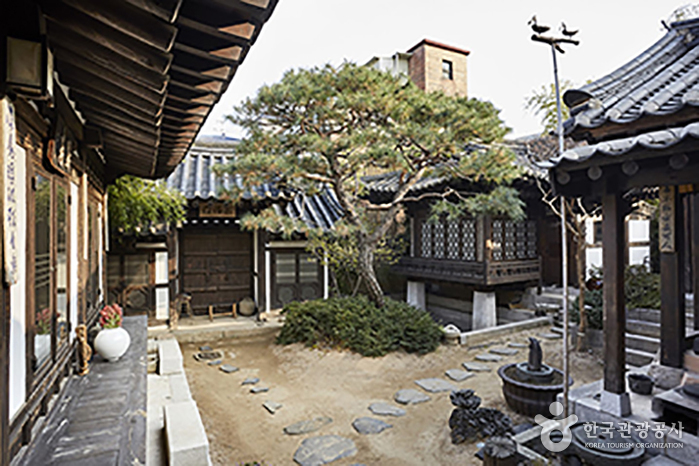
Rakkojae Seoul Bukchon Hanok Hotel (락고재 서울 북촌 한옥호텔)
3.2Km 2025-10-27
49-23 , Gyedong-gil, Jongno-gu, Seoul
+82-2-742-3410
Rakgojae Bukchon Hanok Hotel in Jongru-gu, Seoul, is a traditional hanok compound with a 130-year history, renovated by master carpenter Jeong Yeong-jin. The elegant gate and stone walls, the traditional roof tiles, the jangdokdae jar store, the pavilions and ponds - not to mention the beautiful pine trees - express the archetypal beauty of hanok. Sitting on the daecheongmaru (wooden patio) with a breeze in the trees, guests will feel taken back in time. Guestrooms are clean and comfortable, and visitors can relax in a wood-fired red-clay sauna and a jade-covered ondol room,. Traditional culture programs are available.
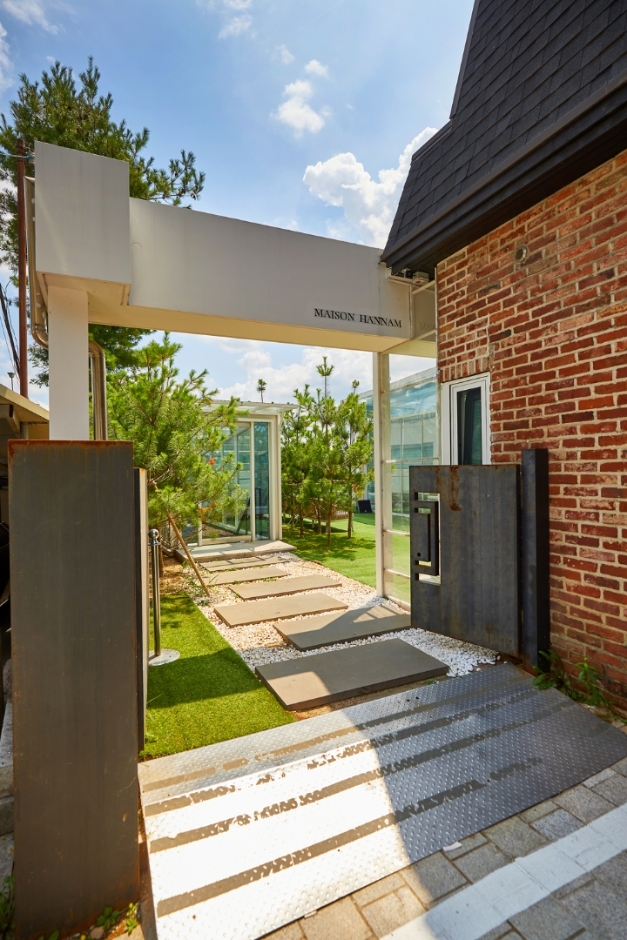
Maison Hannam (메종 한남)
3.2Km 2024-12-27
24 UN village 3-gil, Yongsan-gu, Seoul
Remodeled from the prevoius Italian Embassy, this restaurant boasts an excellent view of the Hangang River and Lotte World Tower. It is a popular place for dates or birthday parties, requiring a reservation at least a month in advance to sit on the terrace with a view of the Hangang River. Among the recommended menus is the Maison Lunch Set, which offers three courses, including appetizers (such as grilled scallops), pasta, and Korean beef steak. The food is served warm, and the utensils are changed frequently for a pleasant meal. There is a glass greenhouse on the outdoor terrace, so guests can enjoy the Hangang River view regardless of the weather.
 English
 한국어
한국어 日本語
日本語 中文(简体)
 Deutsch
 Français
 Español
 Русский


