![KGC - Chungmu-ro Branch [Tax Refund Shop] (KGC 충무로점)](http://tong.visitkorea.or.kr/cms/resource/71/2878671_image2_1.jpg)
KGC - Chungmu-ro Branch [Tax Refund Shop] (KGC 충무로점)
1.2Km 2024-04-16
235, Toegye-ro, Jung-gu, Seoul
-

Sewoon Plaza (세운상가)
1.2Km 2025-12-16
159 Cheonggyecheon-ro, Jongno-gu, Seoul
Makercity Sewoon is Korea's first comprehensive electronics market, established in 1968 and has a 40-year history. As a mecca in the urban electronics industry area located in Jongno, the center of Seoul, you can purchase various electronic products here.
Since 2014, Seoul's urban regeneration project has been underway, and a pedestrian overpass, rooftop observatory, plaza, and Makers Cube, where you can experience the 4th industrial revolution, have been created to provide unique attractions.
◎ Travel Information to Discover Hallyu’s Charm - K-Drama "Vincenzo (2021)"
"Vincenzo" depicts the story of Vincenzo (Song Joong-ki), an Italian mafia lawyer who teams up with the tenants of “Geumga Plaza” to protect a hidden stash of gold in the building from a powerful force. The building appearing as “Geumga Plaza” in the drama is none other than Seoul's Sewoon Plaza. Its retro-style aesthetic adds a unique ambience to the show and makes its scenes even more memorable.
![Olive Young - Cheonggu Station Branch [Tax Refund Shop] (올리브영 청구역)](http://tong.visitkorea.or.kr/cms/resource/39/2878739_image2_1.jpg)
Olive Young - Cheonggu Station Branch [Tax Refund Shop] (올리브영 청구역)
1.2Km 2024-04-18
A section of 1F, 168, Dasan-ro, Jung-gu, Seoul
-
Jongmyo Shrine [UNESCO World Heritage] (종묘 [유네스코 세계유산])
1.2Km 2024-07-05
157 Jong-ro, Jongno-gu, Seoul
+82-2-765-0195
Jongmyo Shrine was the primary place of worship for kings and their queens throughout the Joseon dynasty. The shrine was built at the same time as Gyeongbokgung Palace, under the orders of King Taejo, the first king of the Joseon dynasty. The shrine is the site of the royal memorial service, called Jongmyo Jaerye, a national event that has been passed down since the Three Kingdoms period. During the Joseon dynasty, the ritual was held on the first month of a seasonal change and the twelfth month of the lunar year.
![Angyeong Seonsaengnim - Jongno Branch [Tax Refund Shop] (안경선생님 종로)](http://tong.visitkorea.or.kr/cms/resource/90/2878190_image2_1.jpg)
Angyeong Seonsaengnim - Jongno Branch [Tax Refund Shop] (안경선생님 종로)
1.3Km 2024-04-18
1F, 393-1, Jong-ro, Jongno-gu, Seoul
-
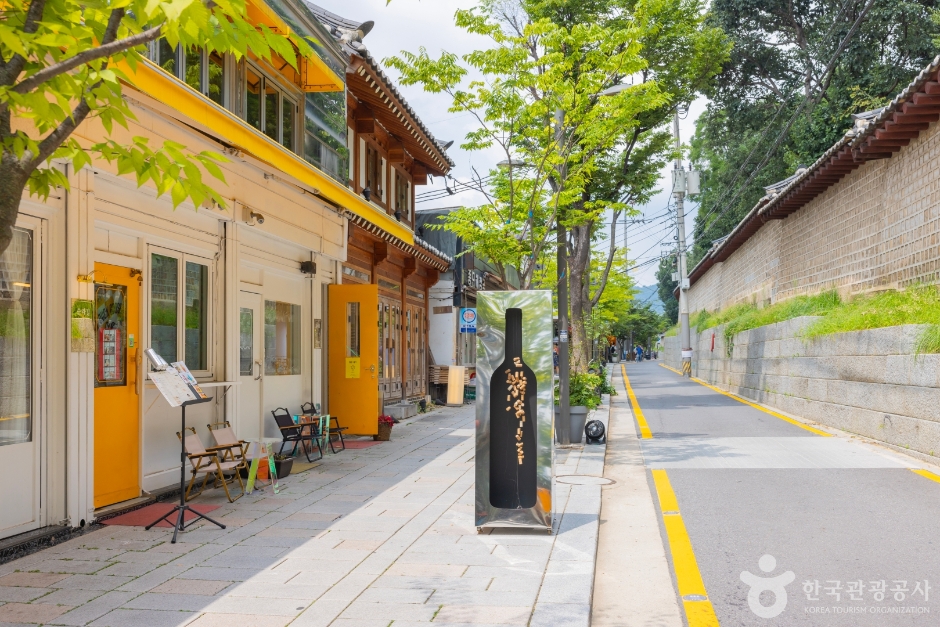
Seosulla-gil Road (서순라길)
1.3Km 2024-10-14
150-3 Jong-ro, Jongno-gu, Seoul
Seosulla-gil Road is a road that was used by the nightguards during the Joseon dynasty. The road is on the west of Jongmyo Shrine with various attractions nearby including Ikseon-dong, Insa-dong, Bukchon, and Samcheong-dong, as well as restaurants, cafes, and handicraft workshops. The road is also a beautiful date course with flowers in spring and fall foliage in autumn..
Naksan Park (낙산공원)
1.3Km 2025-12-16
41 Naksan-gil, Jongno-gu, Seoul
+82-2-743-7985
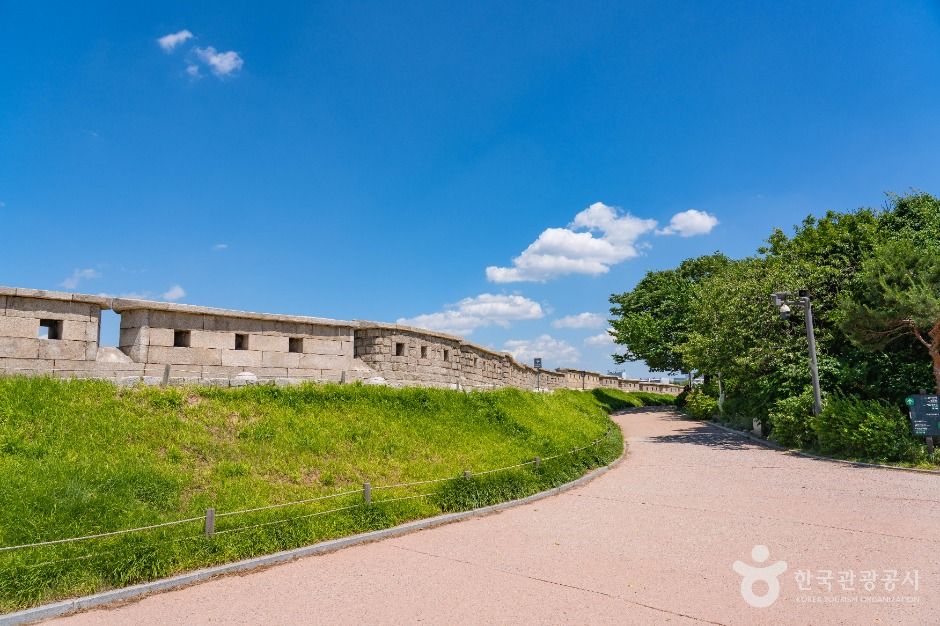
Naksan Mountain (alt. 125 meters) is one of the four inner mountains of Seoul, and can be accessed by following the road leading to the mountain entrance from Daehangno and Dongdaemun. It was also called Naktasan Mountain, which can be translated to Camel Mountain, because the terrain resembled a camel's back. It also had another name, Taraksan Mountain, “tarak” meaning fermented milk, because there was a royal ranch in the area that supplied milk to the palace. After the 1960s, the original appearance of Naksan Mountain disappeared due to apartments and dense housing, and the Seoul Metropolitan Government established a restoration plan. As part of this plan, a park project was carried out, and it opened Naksan Park in July 2002. Currently, Naksan Park has established itself as a resting place for citizens to feel the beautiful atmosphere of Hanyangdoseong, or the Seoul City Wall, and green forests. It has gained much popularity as a place for seeing the most beautiful night view in Seoul.
◎ Travel Information to Discover Hallyu’s Charm - Netflix Series "KPop Demon Hunters (2025)"
The fortress walls at Naksan Park served as the backdrop for Rumi and Jinu’s conversation in the Netflix series "KPop Demon Hunters." The view of the walls and the cityscape beyond adds to the unique atmosphere of the show, and visiting Naksan Park in person offers an expansive and memorable view of Seoul’s city center.
![Golfzon Market - Yaksu Branch [Tax Refund Shop] (골프존마켓 약수)](http://tong.visitkorea.or.kr/cms/resource/43/2878743_image2_1.jpg)
Golfzon Market - Yaksu Branch [Tax Refund Shop] (골프존마켓 약수)
1.3Km 2024-04-19
214, Dongho-ro, Jung-gu, Seoul
-
Tonymoly - Euljiro 3(sam)-ga Station Branch [Tax Refund Shop] (토니모리 을지로3가역점)
1.3Km 2024-06-27
B3-14, 131, Eulji-ro, Jung-gu, Seoul
-
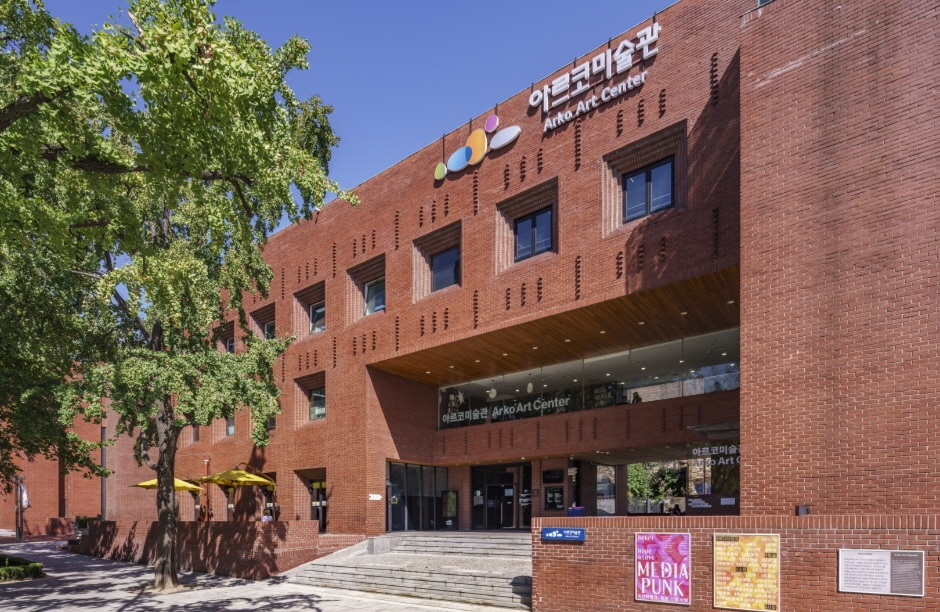
ARKO Art Center (아르코미술관)
1.3Km 2025-06-05
3, Dongsung-gil, Jongno-gu, Seoul
+82-2-760-4850
ARKO Art Center was founded in 1974 as Misulhoegwan in a building of former Deoksu Hospital in Gwanhun-dong, Jongno-gu to offer much-needed exhibition space for artists and arts groups. In 1979, Misulhoegwan moved to its present building, designed by preeminent Korean architect Kim Swoo-geun (1931-1986) and located in Marronnier Park, the former site of Seoul National University. The two neighboring brick buildings accommodating ARKO Art Center and ARKO Arts Theater are the major landmarks of the district of Daehakro.
As more public and private museums and commercial galleries came into the art scene in the 1990s, Misulhoegwan shifted to curating and presenting its own exhibitions. Renamed as Marronnier Art Center in 2002, ARKO Art Center assumed a full-fledged art museum system and played an increasingly prominent role as a public arts organization leading the contemporary art paradigm. When The Korea Culture and Arts Foundation was reborn as Arts Council Korea, Marronnier Art Center became ARKO Art Center named after the abbreviation for Arts Council Korea in 2005.
ARKO Art Center is committed to working as a platform where research, production, exhibitions and the exchange of creative activities grow and develop in connection with one another in addition to having a diversity of programs including thematic exhibitions addressing social agenda and public programs widely promoting various discourses in art.
 English
 한국어
한국어 日本語
日本語 中文(简体)
 Deutsch
 Français
 Español
 Русский


