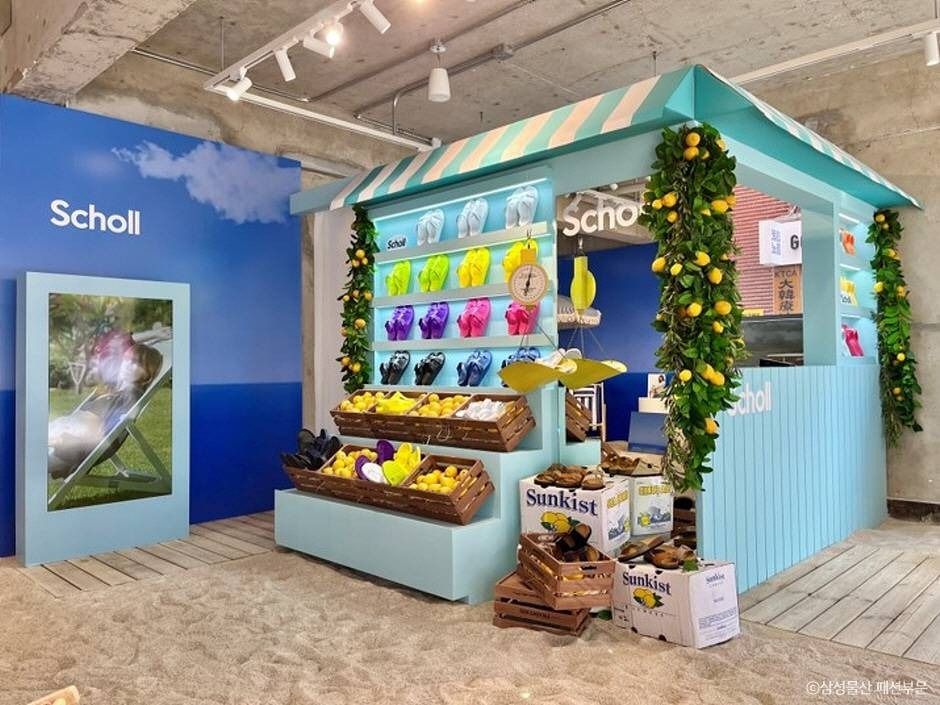
Seongsu Stage 35 (스테이지35 성수)
12.4Km 2025-07-17
35 Yeonmujang-gil, Seongdong-gu, Seoul
Located in Seongsu-dong, a popular neighborhood in Seoul, Stage 35 is a cultural complex spread across four floors. Capturing the unique vibes of Seongsu-dong and keeping up with trends, Stage 35 hosts pop-up stores, art exhibitions, showcase launches, and offers a space for content filming. It is considered a must-visit place for visitors who want to keep up with trends and experience brands' new season items. It has hosted collaborations with popular brands, including Levi's, Comme des Garçons, Thom Browne, and Bao Bao.
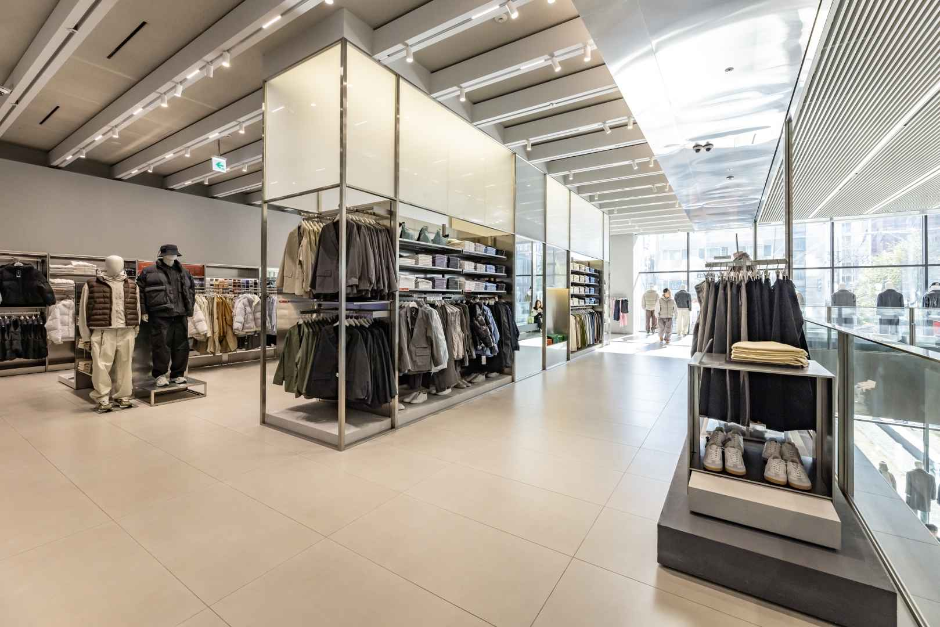
Musinsa Standard Seongsu (무신사 스탠다드 성수)
12.4Km 2025-11-06
83 Yeonmujang-gil, Seongdong-gu, Seoul
Located near Seongsu-dong Café Street, this is the physical store of the online editorial shop MUSINSA. The store offers affordable, high-quality clothing aimed at young adults in their 20s, with neutral colors and minimalist designs popular among Koreans. It’s also a favorite indoor date spot for couples, providing a quick overview of the latest fashion trends.

Seoul Hyochang Park (서울 효창공원)
12.4Km 2024-07-09
177-18 Hyochangwon-ro, Yongsan-gu, Seoul
+82-2-2199-7608
Hyochang Park covers 122,245 square meters spanning across Hyochang-dong and Cheongpa 2-dong. It is a historic landmark that once contained several royal tombs, and was known at that time as Hyochangwon. The cemeteries that were originally located in Hyochangwon belonged to Crown Prince Munhyo, King Jeongjo’s first son who died at the age of five; Royal Noble Consort Uibin of the Seong Clan, King Jeongjo’s royal concubine and Crown Prince Munhyo’s mother; Royal Noble Consort Sugui of the Park Clan, King Sunjo’s royal concubine; and her daughter Princess Yeongon. The royal tombs were moved to Seooreung Tombs in the waning months of the Japanese colonial period. The Japanese empire began the development of Hyochangwon into a park in 1924, and the Japanese governor-general officially assigned the site as a park in 1940.
Presently, several of Korea’s greatest leaders are buried in Hyochang Park. The remains mostly belong to independence activists including Yoon Bong-gil, Lee Bong-chang, and Baek Jeong-gi, whose graves are collectively known as Samuisa Tomb. A statue of Lee Bong-chang has been built in the graveyard. Among the other patriotic martyrs who are interred in the park are Kim Gu and some of the key figures of the provisional government such as Lee Dong-nyeong, Cha I-seok, and Cho Seong-hwan. An ancestral shrine named Uiyeolsa has been built along the main gate and holds the portraits of the deceased independence activists.
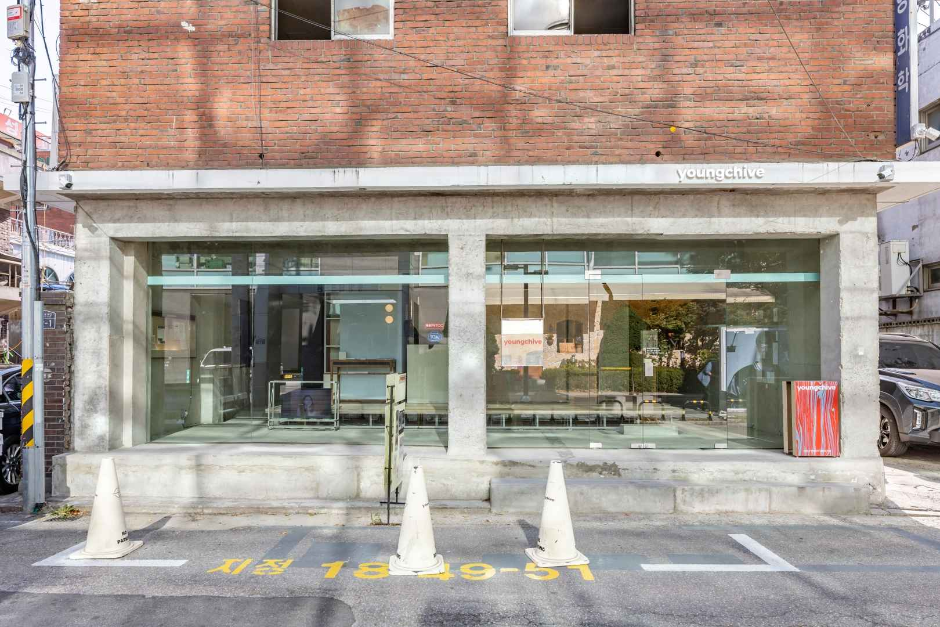
Youngchive Seongsu (영카이브 성수점)
12.4Km 2025-11-06
1F, 32 Seongsui-ro 18-gil, Seongdong-gu, Seoul
◎ Travel information to meet Hallyu’s charm
Youngchive Seongsu is the self-photo studio where Red Velvet’s Seulgi took photos with the staff while filming her vlog. It is known for its warm color tones, which set it apart from other self-photo studios. The Seongsu branch offers unique booths, such as the “still room” and “denim room,” which aren’t available at other locations, making it a must-visit spot.
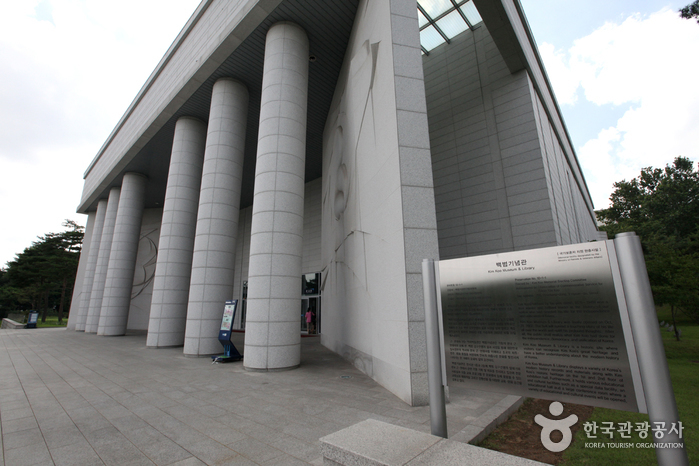
Kim Koo Museum & Library (백범김구기념관)
12.5Km 2022-08-30
26, Imjeong-ro, Yongsan-gu, Seoul
+82-2-799-3400
Kim Koo Museum & Library was built in Yongsan-gu, Seoul to commemorate Baekbeom Kim Koo (1876-1949), a highly respected Korean independence activist. It opened on October 22, 2002 to commemorate Kim Koo's efforts and achievements in Korean history. The main hall is comprised of two floors, exhibiting relics related to his entire life. A statue of a seated Kim Koo is situated in the central space of the first hall.
Seongsu-dong Cafe Street (성수동 카페거리)
12.5Km 2024-10-28
Seongsu-dong, Seongdong-gu, Seoul
Yeonmujang-gil in Seongsu-dong, known for old factories and a shoe workshop street, has been reborn as a place of trendy cafes and culture. The energy of car repair shops, printing factories, and handmade shoes street still exist today but, as global restaurant brands, select shops, and cafes have set up amidst busily operating factories, an atmosphere unique to Seongsu-dong has been created. "Daerim Warehouse" led to the change in the Seongsu-dong streets and can be said to be the originator of all warehouse-style cafes that are popular throughout Cafe Street today. The red-brick structure, antique signboards, and a vast indoor space of an old warehouse have been maintained and, with the addition of a sensuous interior design, it has become a space suitable for fashion shows and exhibits, thus showing new potential for old Seongsu-dong architecture. Every day, new cafes, bakeries, restaurants, and cultural complexes open their doors and are busy welcoming visitors.

Seongsu-dong Handmade Shoes Street (성수동 수제화거리)
12.5Km 2025-03-15
15, Yeonmujang 7-gil, Seongdong-gu, Seoul
Handmade shoe manufacturers began to gather in the 1970s to form a street and make history. Today, there are some 350 handmade shoe manufacturers, 100 intermediate processing and raw materials companies, and new cafes with unique vibes opening up one after another. Thanks to its vintage appeal, many people visit on dates and to take cool photos.
Yejiwon (예지원)
12.6Km 2022-09-19
72, Jangchungdan-ro, Jung-gu, Seoul
+82-2-2253-2211
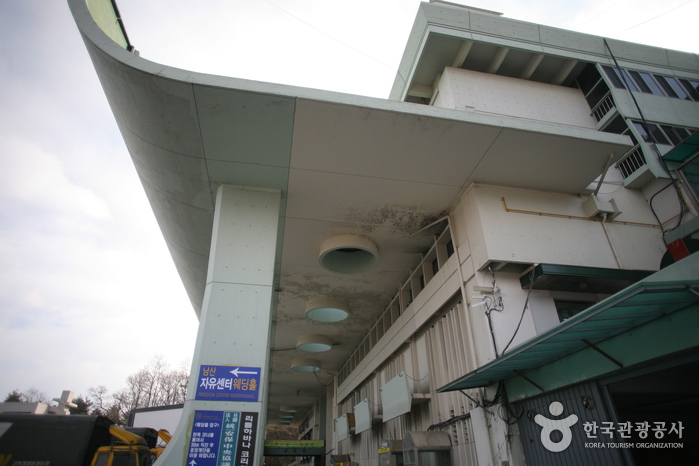
The Yejiwon is located in Seoul Jung-gu Jangchung-dong and has been offering traditional Korean etiquette education programs since its inception on September 16th, 1974. Furthermore, the Yejiwon also serves to introduce the traditional cultures and living cultures of Korean etiquettes to foreigners.
Most programs offered are short-term classes, and reservations can be made on the homepage up to 15 days in advance. Reservations are only available for groups of 10 or more and classes are instructed in Korean only, so it may be a good idea to be accompanied by a guide.
Aank Hotel Yeongdeungpo (아늑호텔 영등포점)
12.6Km 2025-04-24
10 Yeongjung-ro 10-gil, Yeongdeungpo-gu, Seoul
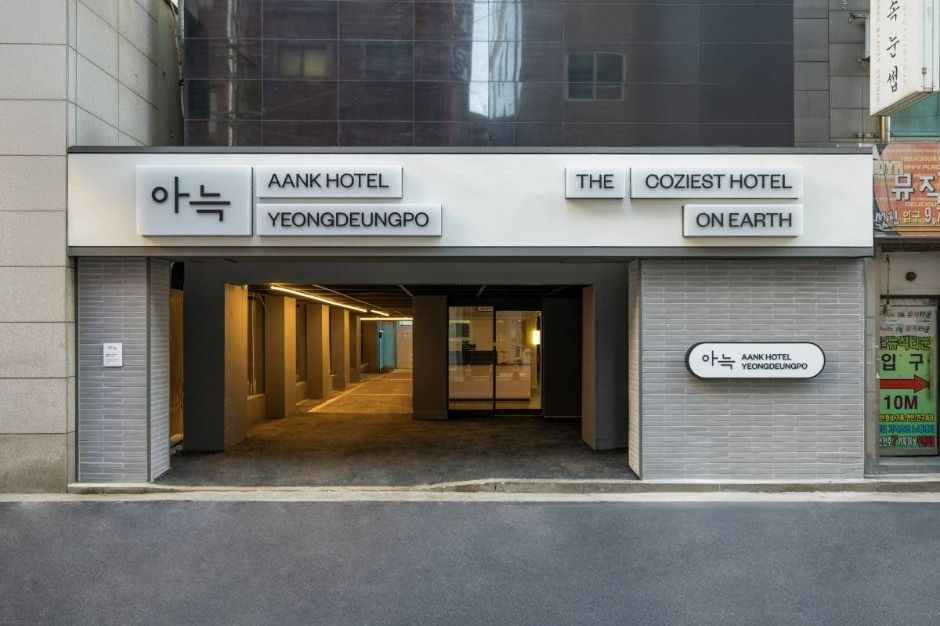
Located within 5 minute's walking distance from Yeongdeungpo Station, Aank Hotel Yeongdeungpo has major attractions like Times Square and Yeongdeungpo Market in the vicnity. The hotel lobby has a coffee machine, ice dispenser, and water dispenser for guests' convenience. Equipped with a variety of room types, guests can enjoy both comfort and entertainment at Aank Hotel Yeongdeungpo.
Seongsunoru (성수노루)
12.6Km 2025-05-07
110 Achasan-ro, Seongdong-gu, Seoul
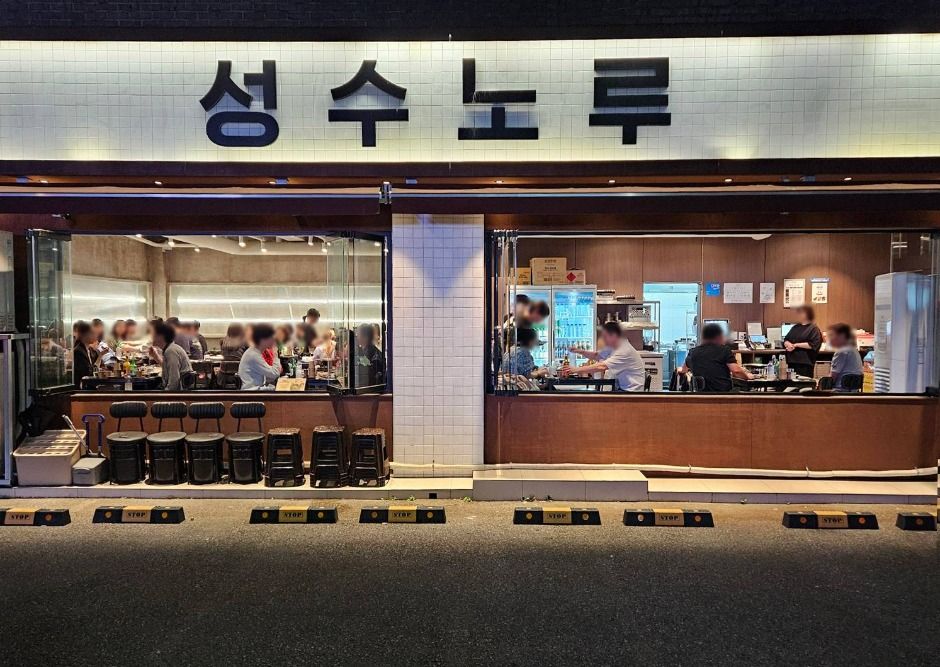
Seongsunoru is a hanu grilled gopchang (Korean beef small intestines) restaurant. The meat is grilled by staff, ensuring crispy on the outside and soft on the inside. Besides grilled gopchang, the restaurant also offers a variety of menu items using Korean beef daechang (large intestines) and makchang (tripe) as the main ingredient. Popular add-ons and side dishes include yukhoe (beef tartare), cheese fried rice, kimchi noodles, and soft bean curd jjigae. The restaurant is equipped with a parking lot and has a corkage fee system.
 English
 한국어
한국어 日本語
日本語 中文(简体)
 Deutsch
 Français
 Español
 Русский


