
Pureun Arboretum & Hang-dong Railroad (푸른수목원&항동철길)
16.7Km 2025-01-17
240 Yeondong-ro, Guro-gu, Seoul
Pureun Arboretum is a botanical garden boasting well-established ecological parks and scenic walking trails. It encompasses diverse themed gardens, including the Wildflower Garden, Hydrangea Garden, Conifer Garden, Broadleaf Tree Garden, Bulbous Plant Garden, Wetland Garden, and Rose Garden, complemented by an Visitor Center. The Forest Learning School, functioning as a greenhouse, showcases plants from various corners of the globe and hosts educational programs. Visitors can avail themselves of facilities like the book café, a café, and a library. Additionally, the arboretum is intersected by the abandoned railroad tracks of Hang-dong.
Gangseo Marsh Ecological Park (강서습지생태공원)
16.7Km 2021-06-22
279-23, Yangcheon-ro 27-gil, Gangseo-gu, Seoul
+82-2-3780-0621
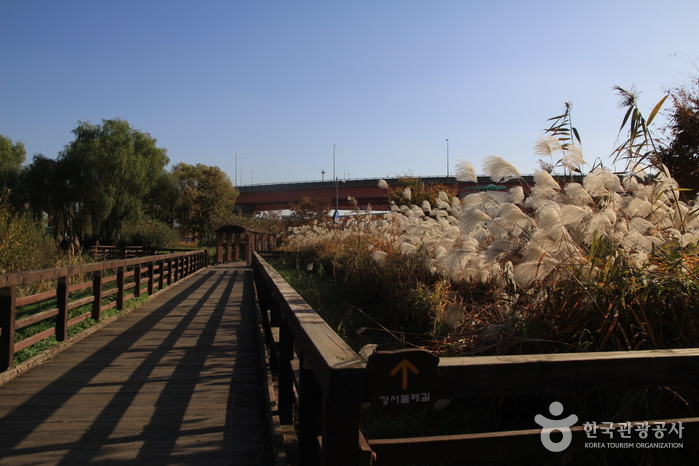
The Gangseo Marsh Ecological Park is an eco-park located on the Hangang River between the southern side of Banghwadaegyo Bridge and southern side of Haengjudaegyo Bridge. Established in July 2007, the park is partly comprised of low wetlands, freshwater lakes, and various aquatic plants. Eco-trails wind around the park through reed areas, around willow trees, and past the migratory bird observation. At the park, visitors can watch and learn about a variety of migratory birds during summer and winter or join one of the park’s organized eco-education programs.
![[Seoul Trail Course 1] Suraksan · Buramsan Mountain Course ([서울 둘레길 1코스] 수락 · 불암산 코스)](http://tong.visitkorea.or.kr/cms/resource/16/2658216_image2_1.jpg)
[Seoul Trail Course 1] Suraksan · Buramsan Mountain Course ([서울 둘레길 1코스] 수락 · 불암산 코스)
17.0Km 2025-01-06
Junggye-dong, Nowon-gu, Seoul, Republic of Korea
Seoul Trail is a walking trail that encompasses the entire city of Seoul, with a total length of 157km and 8 courses. It weaves together the history, culture, and natural ecology of Seoul through various stories. The 1st course is a gentle path from Suraksan Mountain to Buramsan Mountain, covering 18.6km and taking approximately 8 hours and 10 minutes. This trekking course around Buramsan Mountain passes through Iris Garden, Deongneung-gogae, Information Center, Taereung Royal Tomb, Suamsa Temple, and Hakdoam Temple.
Bucheon U-ri General Hospital (부천우리병원)
17.2Km 2025-10-23
(Wonjong-dong), 726 Sosa-ro, Ojeong-gu, Bucheon-si, Gyeonggi-do
Bucheon U-RI General Hospital is a general hospital with an advanced medical system that is in line with the rapidly changing medical environment. The hospital won “excellent” ratings across all health checkup areas and in the Accreditation Program for Healthcare Organizations by the Ministry of Health and Welfare. With outstanding medical staff, ambitious investments in hospital facilities, and ceaseless training, we continue to grow. We maintain specialized centers across various fields, including the Gastroenterology Center, Spine & Joint Center, and the Cerebral Neurology Center, and our medical departments include internal medicine, neurology, orthopedics, spine surgery, general surgery, urology, gynecology, and dentistry. We also offer an integrated nursing care service that allows patients to be admitted without a caregiver. Our Comprehensive Health Checkup Center operates on 1,652 ㎡ under agreements with numerous public institutions and businesses. Checkup visitors can receive an early diagnosis of diseases and follow-up care from each medical department. Our strengths not only include its high-end medical facilities but also its convenient location near Incheon and Gimpo Airports. We will continue to expand our infrastructure to offer the best experience for overseas patients who want to benefit from Korea’s outstanding medical services.
Suraksan Mountain (수락산)
17.4Km 2021-06-01
San 1-1, Sanggye-dong, Nowon-gu, Seoul
+82-2-2116-3943
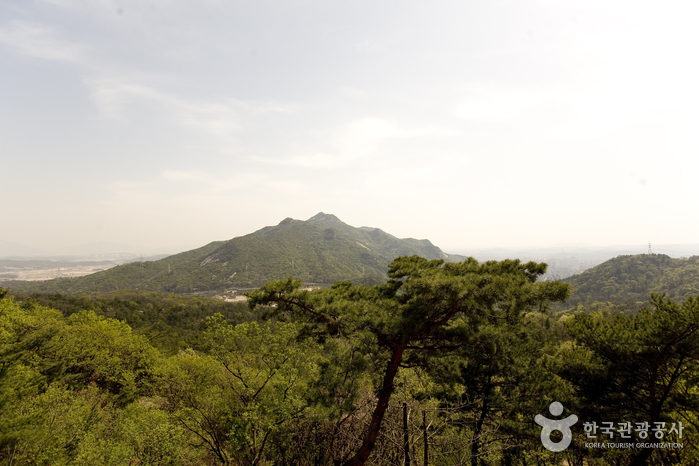
Along with the other great mountains near Seoul, Suraksan Mountain has its own unique beauty throughout the year. Its cluster of small peaks is reminiscent of Seoraksan or Wolchulsan Mountains and among its valleys and peaks, a number of treasures unfold. These include Geunnyu, Eunnyu, and Ongnyu Waterfalls, Heungguksa, Naewonsa and Seongnimsa Temples, and Gwesanjeong Pavilion.
One of the most popular hiking courses on Suraksan Mountain is the one that starts from Danggogae Station (Seoul Subway Line 4) and passes Hangnimsa Temple and Yongguram Hermitage. In the springtime, the ridge between Suraksan Mountain and Buramsan Mountain is covered with gorgeous royal azalea blossoms.
Dobongsan Mountain (도봉산)
17.4Km 2021-06-29
Dobong-dong, Dobong-gu, Seoul
+82-2-954-2566
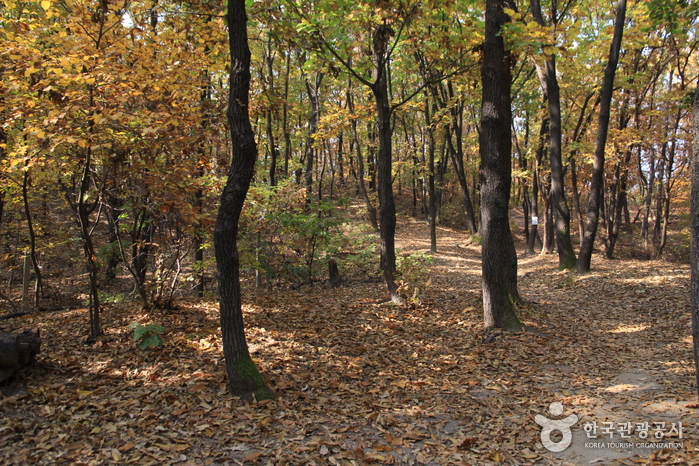
Dobongsan Mountain, located in the northeastern section of Bukhansan National Park, is known for the magnificent rock formations of the main peak, Jaunbong Peak (740.2 m), as well as Manjangbong, Seoninbong, Jubong, Obong Peaks and Uiam Rock. Seoninbong Peak in particular has 37 hiking courses, including the famous Bakjwi (Bat) Course.
The mountain is also home to Cheonchuksa Temple, the oldest temple in the region, and several other temples including Mangwolsa and Hoeryongsa Temples, as well as a number of beautiful valleys such as Dobonggyegok, Songchugyegok, Obonggyegok and Yeongeocheongyegok Valleys. Dobongsan Mountain is easily accessible by public transportation, making it a popular attraction for people living in Seoul.
Gusan Martyrs' Shrine (구산성지)
17.5Km 2024-02-08
387-16 Mangwol-dong, Hanam-si, Gyeonggi-do
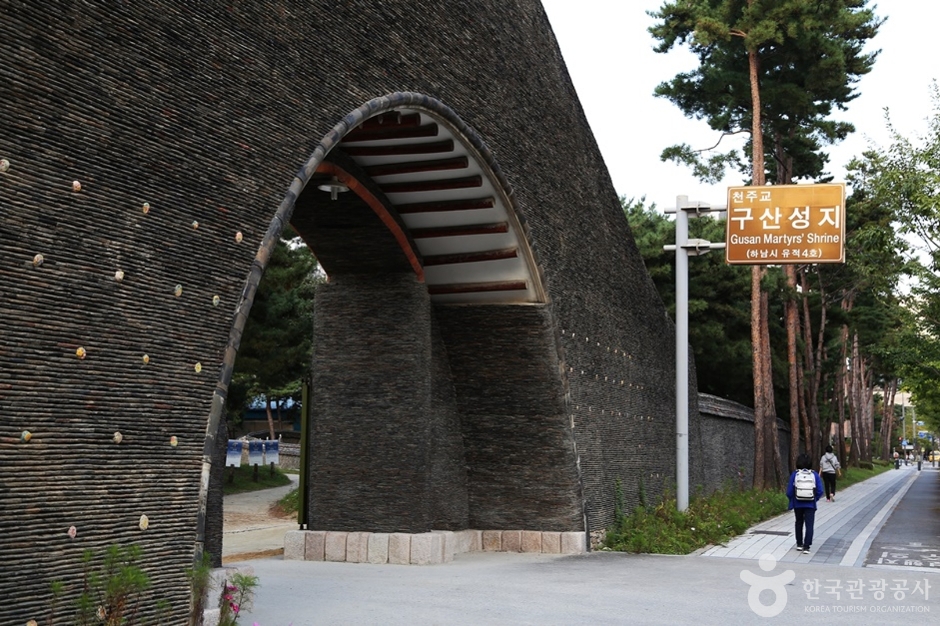
Gusan Martyrs' Shrine, located in Gusan Village, named for its turtle-shaped mountain, is a Catholic holy site. It houses the graves of nine martyrs, including Kim Seongwoo Antonio. The history of the martyrs, their persecution, and their lives, imbued with a spirit of martyrdom, attract Catholic pilgrims to the site. The area's picturesque landscaping also makes it a favored location for TV drama, commercial, and film productions.
Baegunhosu Lake (백운호수)
17.6Km 2023-09-05
526 , Baegun-ro, Uiwang-si, Gyeonggi-do
+82-31-240-4810
Baegunhosu Lake is an artificial lake that was completed in 1953. The lake is surrounded by mountains made up of Cheonggyesan Mountain in the northeast, Baegunsan Mountain in the southeast, and Moraksan Mountain in the west. The lake encompasses an area of 363,638 m². This lake was originally built to provide irrigation for nearby farmlands but it became a public recreational space due to its scenic landscape, fresh air, and spacious lot perfect for parking. Visitors to Beagunhosu Lake can enjoy music at a live cafe or water activities such as motor boating, as well as delicious foods from nearby restaurants.
Gwangmyeong Cave (광명 동굴)
17.6Km 2025-10-27
142 Gahak-ro 85beon-gil, Gwangmyeong-si, Gyeonggi-do
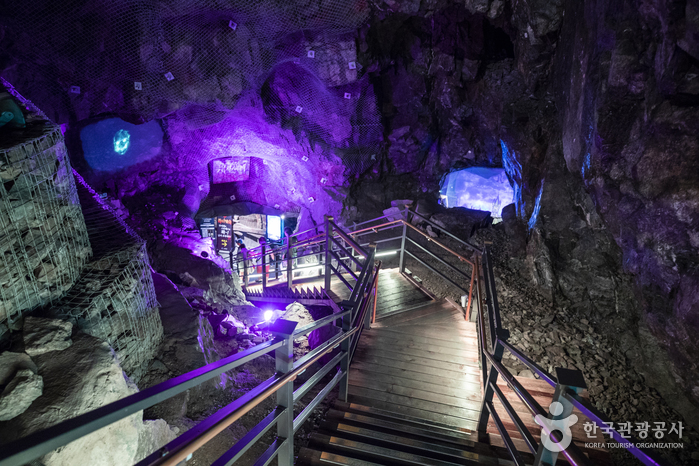
Gwangmyeong Cave was developed in 1912 during the Japanese colonial period to exploit resources, including gold mines, and continued to be developed for industrial purposes after liberation. After the mine was closed in 1972, it was used as a salted seafood warehouse for about 40 years. Gwangmyeong City purchased the site, reorganized it, and made it available to the public. It is currently recognized as a modern industrial heritage site with high historical value, and is well known as a cave theme park in the metropolitan area. Along with the cave, colorful lights and sculptures create a spectacular sight. Aside from tasting and purchasing Korean wine at the Gwangmyeong Wine Cave, visitors can also see the largest media art piece in Korea at the Lascaux Exhibition Hall, enjoying a more diverse travel experience.
Jangmo Bapsang (장모밥상)
17.6Km 2024-10-15
5, Haogae-ro 344beon-gil, Bundang-gu, Seongnam-si, Gyeonggi-do
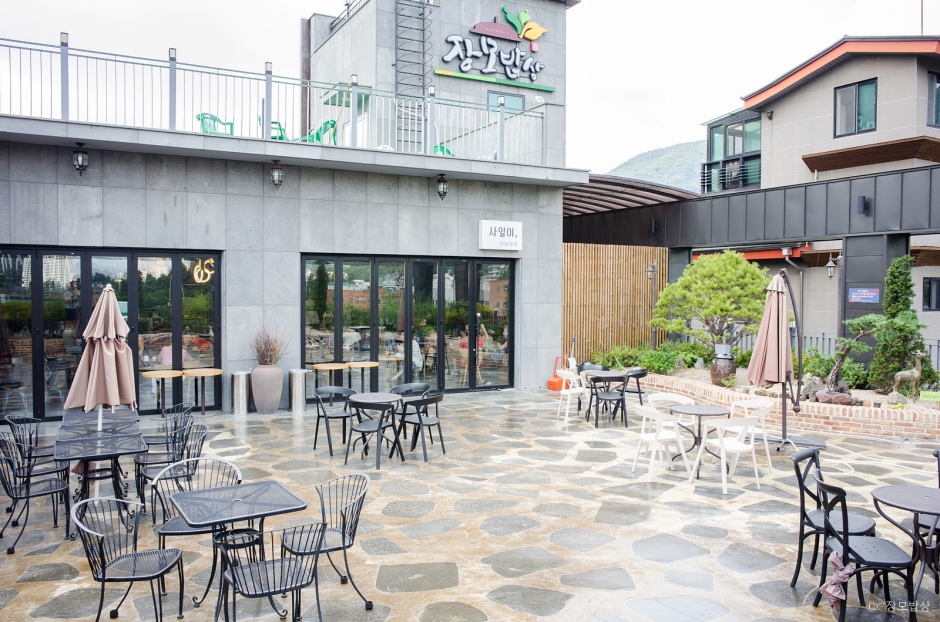
This restaurant specializes in elegant Korean table d’hote. Order the flagship set menu, Jangmo Bapsang, which includes nearly 20 types of side dishes. These dishes range from Saengseongui (Grilled fish), Suyuk (Boiled pork slices), Ganjanggejang (Soy sauce marinated crab), Japchae, Kimchi, Doenjangjjigae (Soybean paste jjigae), Namul (Salad), and Cheongpomukmuchim (Mung bean jelly salad), all served with Gamasotbap (Rice Cooked in Cast-iron Pot). You can enjoy extra servings of side dishes from the self-service bar. The dishes are known for their refined taste. After your meal, enjoy a cup of tea at the café on the second floor.
 English
 한국어
한국어 日本語
日本語 中文(简体)
 Deutsch
 Français
 Español
 Русский


