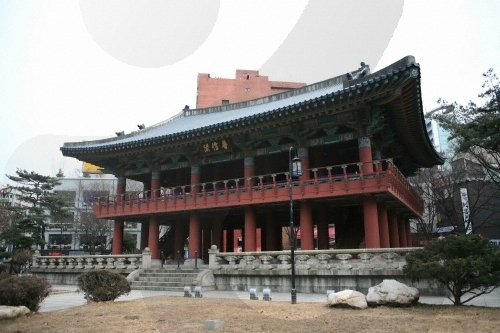
Bosingak Belfry (보신각 터)
458.2M 2024-03-04
54, Jong-ro, Jongno-gu, Seoul
Bosingak Belfry is also known as Jonggak. It was the site in which a large bell, used to keep the time in Seoul, was found during the Joseon period (1392-1897). Bosingak Belfry was burned down during the Korean War (1950-1953) and was reconstructed in 1979. The original bell was moved to the Gyeongbokgung Palace, and a new bell was forged in 1985. At midnight, January 1, the bell at the Bosingak Belfry is rung to welcome the new year. Many people gather around the belfry to make a wish for their new year.

Bukchon Hanok Village Gamgodang Street (북촌한옥마을 감고당길)
468.5M 2025-10-30
Anguk-dong, Jongno-gu, Seoul
An alley with cute cafes and galleries
This is the road that appeared in the last episode and the flashback scene where Choi Ung (played by Choi Woosik) and Kuk Yeonsoo (played by Kim Dami) got drunk. Behind the Seoul Craft Museum in Bukchon Hanok Village, it extends for about 440m from Poongmoon Girls' High School to Jeongdok Library. There are many pretty cafes and galleries on the cozy road, and there are also craft markets open, so there is plenty to look around. The alley where Kuk Yeonsoo walked with the drunken Choi Ung on her back is Yunboseon Street in the middle of Gamgodang Street. It stretches along the hill between narrow tiled walls and stone walls, giving off a unique atmosphere.
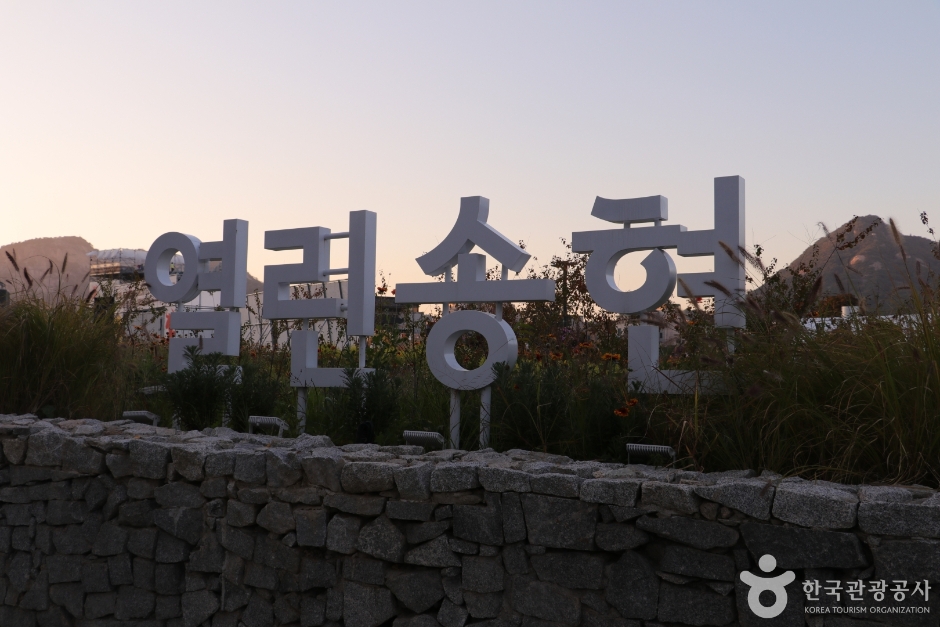
Songhyeon Green Plaza (열린송현 녹지광장)
468.7M 2025-11-11
Songhyeon-dong, Jongno-gu, Seoul
Songhyeon Green Plaza, located between Gyeongbokgung Palace and Jongno, is a space for culture and rest. The site was formerly used as housing for Shiksan Bank during Japanese rule. After Korea’s liberation, it served as a residence for the US Embassy and military personnel. Later in 1997, it was returned to the Korean government but remained unused for years. In 2022, the ownership was transferred to the Korean House and Land Corporation and then to the Seoul Metropolitan Government, which redeveloped it into a green plaza and opened it to the public. Upon entering the plaza, visitors are greeted by a spacious lawn adorned with flowers during the blooming season. The plaza is connected to the nearby tourist attractions through shortcuts cutting through it, including Cheong Wa Dae (Blue House), Gwanghwamun Plaza, Insa-dong, and Bukchon Hanok Village.
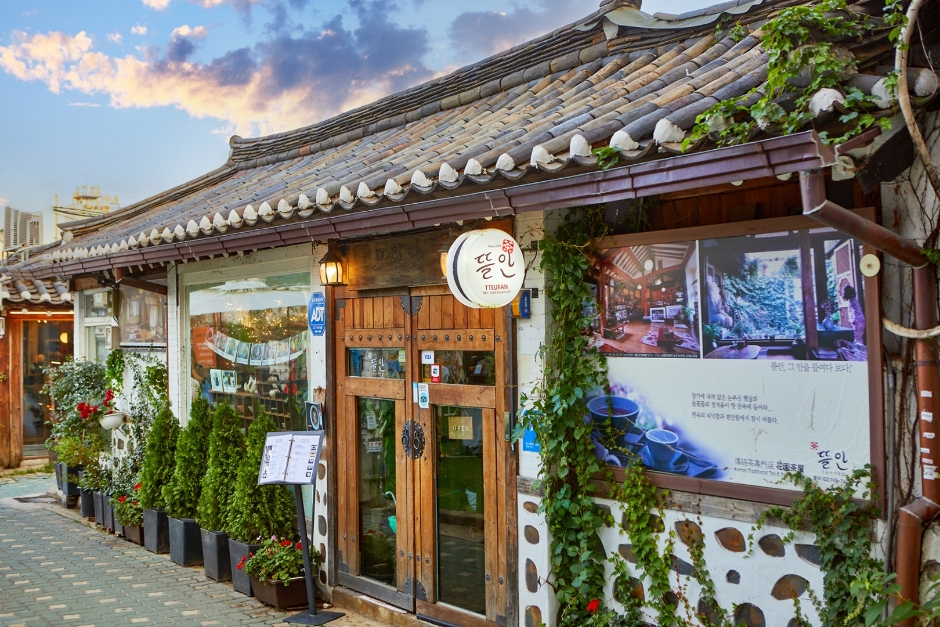
Tteulan Teahouse (뜰안)
483.0M 2024-12-10
Tteulan Teahouse is a cafe that really allows one to feel the tradition and flair of Korea. Tteulan has two entrances: one facing the wide alley and the other facing the smaller one. The smaller entrance is decorated like a garden, so it feels as if one is stepping into a land of fairy-tales. The café has a floor seating tables with traditional items like gadari soban (a table with legs that curve like a dog's legs), and jogakbo (a textile woven from several pieces of scrap cloth), all of which add to the traditional Korean aesthetic. The menu features ssanghwacha (medicinal herb tea known to help the immune system), a favorite among middle-aged and elderly Koreans; omija tea (omija is a tart berry that grows in East Asia known to be good for lung and bronchial health and boosts immunity); citrus tea (usually made with yuzu which is rich in vitamin C and said to help mitigate fatigue); and pour-over coffee. Traditional desserts include mugwort rice cake (rice cake with mugwort added for herbal flavor, best enjoyed with malt syrup), pumpkin rice cake, and roasted grain powder (a nutritious beverage made with a variety of powdered grain). It can be hard to find seating in the afternoon, so visitors are advised to avoid these hours if they seek to enjoy their drink in peace.
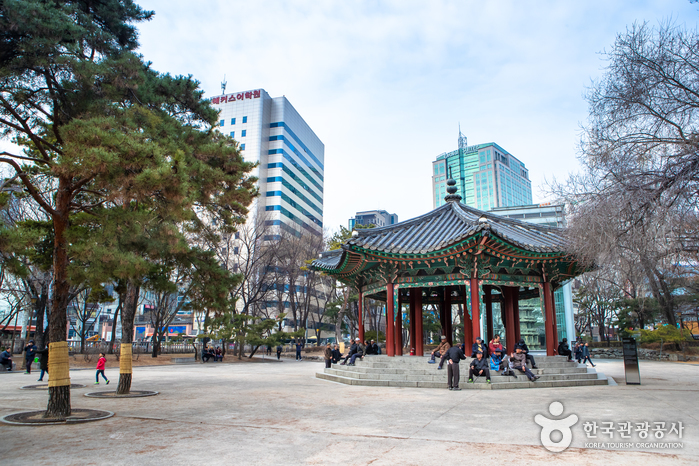
Tapgol Park (탑골공원)
497.3M 2024-03-04
99, Jong-ro, Jongno-gu, Seoul
Tapgol Park is the first modern park in Seoul. Having been the site of the Buddhist temple of Wongaksa Temple since 1467, the land was turned into a park in 1897. The park has a significant presence in Korean history, being the place where the March 1 Independence Movement began in 1919. One can find historical sites that hearken back to the struggle, such as the Palgakjeong Pavilion, the center of the movement; cultural heritage sites such as the Ten-story Stone Pagoda of Wongaksa Temple Site and the Stele for the Construction of Daewongaksa Temple at Wongaksa Temple Site; and monuments such as the independence movement relief plate, murals, the statue of Son Byeong-hee, and the statue of Han Yong-un.
Ikseon-dong Hanok Street (익선동 한옥거리)
516.6M 2025-10-27
Ikseon-dong, Jongno-gu, Seoul
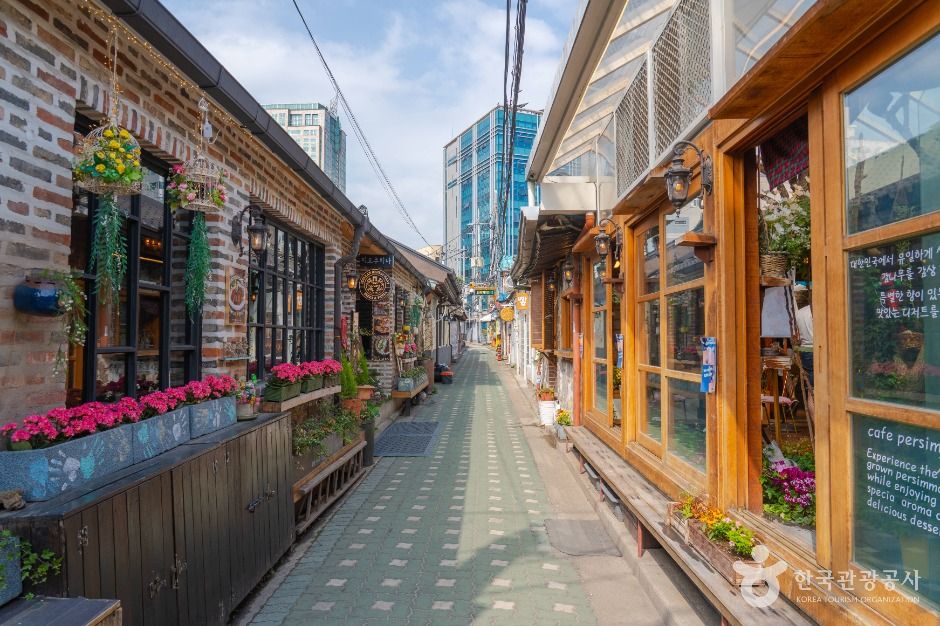
Ikseon-dong is a place where the harmony of alleys and hanok houses exudes beautiful charm and is a must-visit spot for tourists of all ages and genders. It is also an area that connects the younger and older generations.
The Sool Gallery (전통주갤러리)
529.1M 2025-06-19
18 Bukchon-ro, Jongno-gu, Seoul
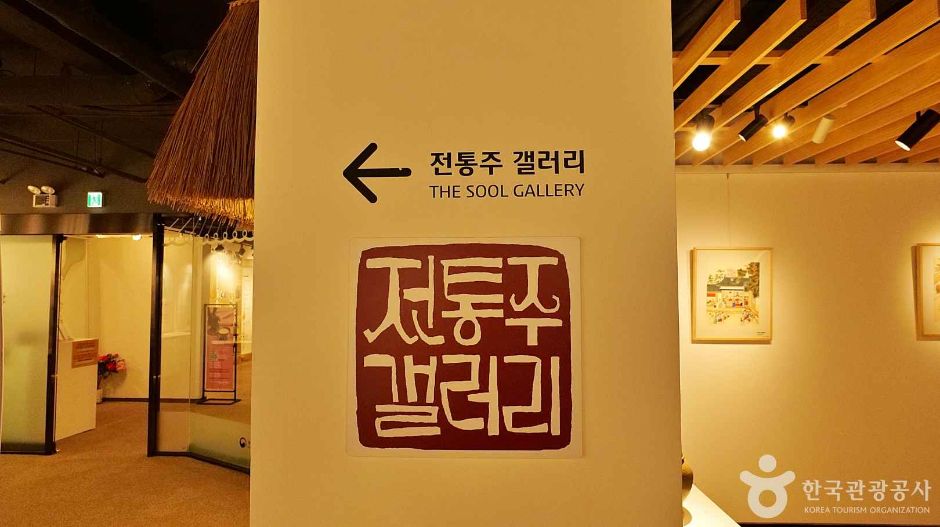
The Sool Gallery is an exhibition and experience space for traditional Korean liquor, established to promote the taste, style, and cultural values of the time-honored traditional Korean liquor. It provides various information about traditional Korean liquor for consumers or international tourists who can rarely obtain such information elsewhere. In addition, it provides traditional liquor education and business counseling to food service businesses and sales experts to continuously create demand for traditional liquor and expand the market. It is run by experts specializing in traditional liquor, including traditional liquor sommeliers, and it holds events to introduce various traditional liquors with different themes every month, as well as tasting events. Moreover, according to the monthly changing “Recommended Traditional Liquor by Month,” it displays a drinking glass and a bottle of the month recommended by the Korea Craft & Design Foundation.

HANSIK Space E:eum (한식문화공간 이음)
529.1M 2025-11-11
18 Bukchon-ro, Jongno-gu, Seoul
HANSIK Space E:eum, located in Jongno, is a cultural space operated by the Korean Food Promotion Institute. It offers visitors an opportunity to delve into Korean cuisine through exhibitions, performances, educational programs, and a library.
Lee Ri-Ja Hanbok Museum (이리자 한복전시관)
545.5M 2022-08-08
20, Samcheong-ro, Jongno-gu, Seoul
The Lee Ri-Ja Hanbok Museum displays the traditional clothing worn in Korea from birth to death. All hanbok displayed at the museum are created by the hanbok designer Lee Ri-Ja herself, who has over 40 years of experience.
Modern Shabu House Gwanghwamun D Tower Branch (모던샤브하우스 광화문D타워점)
552.9M 2025-12-02
17 Jong-ro 3-gil, Jongno-gu, Seoul
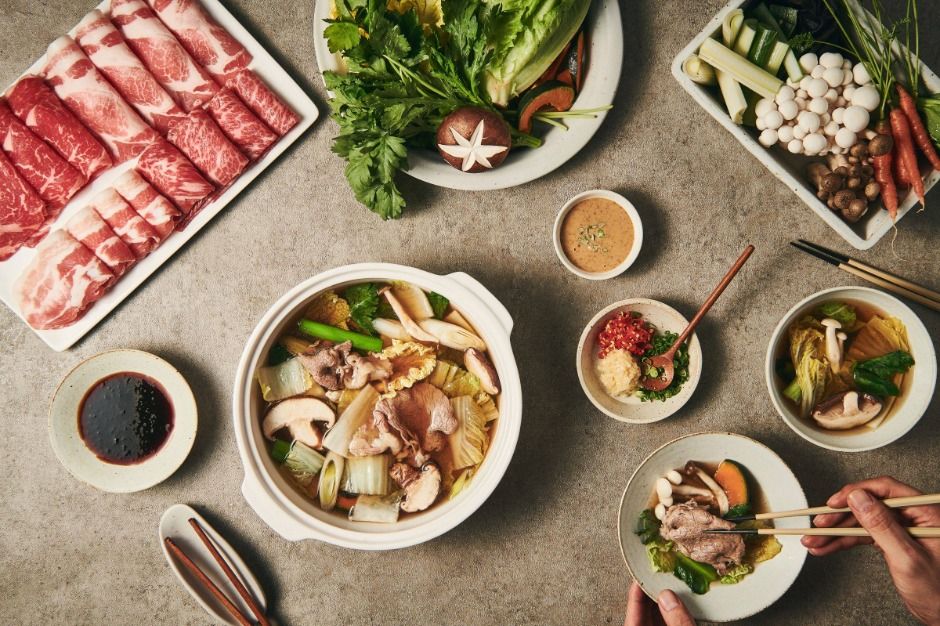
Located in Jongno-gu, Modern Shabu House Gwanghwamun D Tower Branch offers a selection of specialty broths to enjoy unlimited beef, pork, and vegetables. The restaurant serves four cuts of pork and beef in every course. The interior is designed with natural materials like earth, stone, and wood, inspired by the fluid process of cooking ingredients like meat and vegetables in a pot. The design reflects the natural movement and flow of ingredients as they cook together. The restaurant also has a range of private rooms, making it a popular choice for families with children and for gatherings, providing a comfortable dining experience.
 English
 한국어
한국어 日本語
日本語 中文(简体)
 Deutsch
 Français
 Español
 Русский


