
Olive Young - Daehakro Jungang Branch [Tax Refund Shop] (올리브영 대학로중앙점)
1.8Km 2024-06-27
1F, 144, Daehak-ro, Jongno-gu, Seoul
-
Inwangsan Mountain Chosochaekbang (인왕산 더숲 초소책방)
1.8Km 2024-03-06
172 Inwangsan-ro, Jongno-gu, Seoul
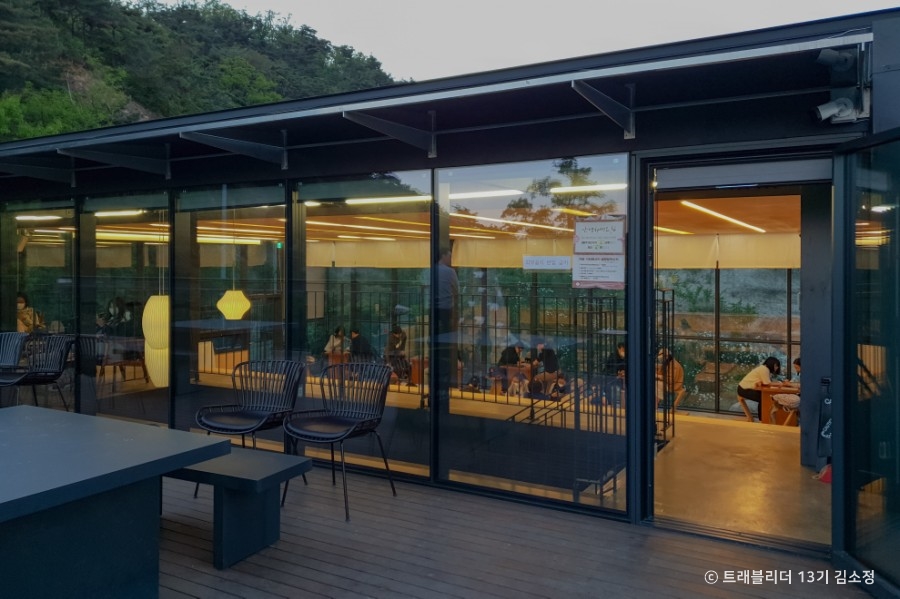
Inwangsan Mountain Chosochaekbang is a bakery and book café located along the trail of Inwangsan Mountain, remodeled from an old police station. Surrounded by glass walls within the forest, it blends seamlessly with nature, offering a panoramic view of Namsan Tower through the transparent windows. On the second floor terrace, guests can enjoy the scenic view of Seoul. Freshly baked bread and desserts are available daily, and the venue occasionally hosts book talks and music concerts.
Yeon Deung Hoe (Lotus Lantern Festival) (연등회)
1.8Km 2025-04-09
55 Ujeongguk-ro, Jongno-gu, Seoul
+82-2-2011-1744~7
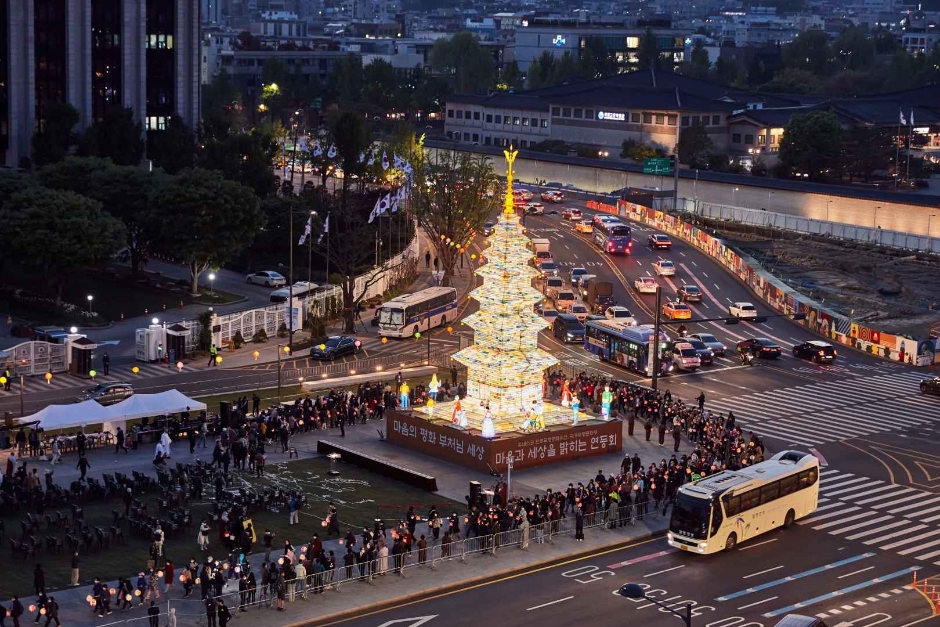
Started approximately 1,200 years ago during the Silla dynasty and continued through the Goryeo Yeon Deung Hoe and Joseon lantern festival, the Yeon Deung Hoe Festival is a traditional festival registered as an Intangible Cultural Heritage and UNESCO Masterpiece of the Oral and Intangible Heritage of Humanity. The lanterns at Yeon Deung Hoe Festival brighten the heart and the world!
Seoul Daehan Hospital (서울 대한의원)
1.8Km 2021-12-23
101, Daehak-ro, Jongno-gu, Seoul
+82-2-2148-1842
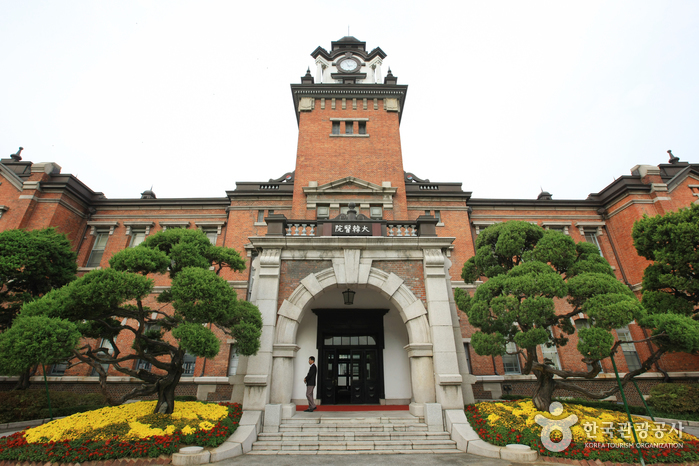
Daehanuiwon (Daehan Medical Center) is an antique two-story brick building within the grounds of Seoul National University Hospital. It was established under the direct administration of the Uijeongbu (State Council), combining the Gwangjewon (under the Home Ministry), Gyeongseong Medical School and the Korean Red Cross Hospital (under the Royal Household).
Built in the Madubong Hill area, this location where Hamchunwon, the outer garden of Changgyeonggung Palace, once stood in 1484 (15th year of King Seongjong), was also once the site of Gyeongmogung Palace, where King Jeongjo enshrined the mortuary tablet of his birth father Crown Prince Sado Seja in 1776 (the year King Jeongjo ascended to the throne).
These places that held importance for the royal family were destroyed as the Japanese built Gyeongseong Empire University in its place. In 1907, with the announcement of the plan to establish Daehan Medical Center, construction began on the main building, seven wards and affiliated buildings. Construction was completed in November 1908.
The Daehan Medical Center opened in Gwangjewon, but upon Japanese colonization in 1910, its name was changed to the Japanese Viceroyalty Hospital. In 1926, it was included as a part of Gyeongseongjeguk University to become a university hospital. Since the liberation of Korea in 1945, it has been a hospital affiliated with Seoul National University.
Choedaegamne (최대감네)
1.8Km 2024-03-18
12-3 Insadong 8-gil, Jongno-gu, Seoul
+82-2-733-9355
Choedaegamne is a traditional Korean restaurant located in a hanok in Insa-dong, with a garden and a pond, and has been in operation for over 100 years. One of their popular dishes is the sangchu shabu jeongsik (shabu with rice in a cabbage set menu), where vegetables and meat are cooked in a broth and then enjoyed with noodles, served with a small rice ball on lettuce. They also offer a so galbijjim jeongsik (steamed beef ribs set menu) and bulgogi jeongsik (bulgogi set menu), served with lotus leaf rice and soybean paste jjigae. After the meal, guests can enjoy tea in the garden.
Balwoo Gongyang (발우공양)
1.8Km 2024-01-05
56 Ujeongguk-ro, Jongno-gu, Seoul
Balwoo Gongyang, located in front of the main gate of Jogyesa Temple, is a temple food restaurant operated by the Cultural Corps of Korean Buddhism. It was selected as a 1-star restaurant by the Michelin Guide for three consecutive years from 2017 to 2019 and it is so popular that reservations must be made a month in advance. “Balwoo” refers to meals for monks and it means that the act of eating is also a process to realizing the truth. The restaurant offers five types of course menus inspired by Buddhist teachings that are served in the order of Suljuksim, Juksang, Sangmi (嘗味), Dammi (噉味), Seungso (僧笑), Youmi (愈味), and Ipgasim. The menu is made with seasonal ingredients to bring out the best flavor of each season. The course meal starts with appetizing kimchi stew according to the traditional Korean meal culture. Then it is followed by porridge, seasonal salad, rice and stew, side dishes, tea, and dessert, satisfying both the taste buds and health. Those who wish to experience an authentic temple meal are recommended to try the Beop Course.
 English
 한국어
한국어 日本語
日本語 中文(简体)
 Deutsch
 Français
 Español
 Русский


