![KGC - Chungmu-ro Branch [Tax Refund Shop] (KGC 충무로점)](http://tong.visitkorea.or.kr/cms/resource/71/2878671_image2_1.jpg)
KGC - Chungmu-ro Branch [Tax Refund Shop] (KGC 충무로점)
1.4Km 2024-04-16
235, Toegye-ro, Jung-gu, Seoul
-
![Seoul Gongyesa [Tax Refund Shop] (서울공예사)](http://tong.visitkorea.or.kr/cms/resource/10/2878210_image2_1.jpg)
Seoul Gongyesa [Tax Refund Shop] (서울공예사)
1.4Km 2024-04-16
1F, 27-1, Insadong-gil, Jongno-gu, Seoul
-
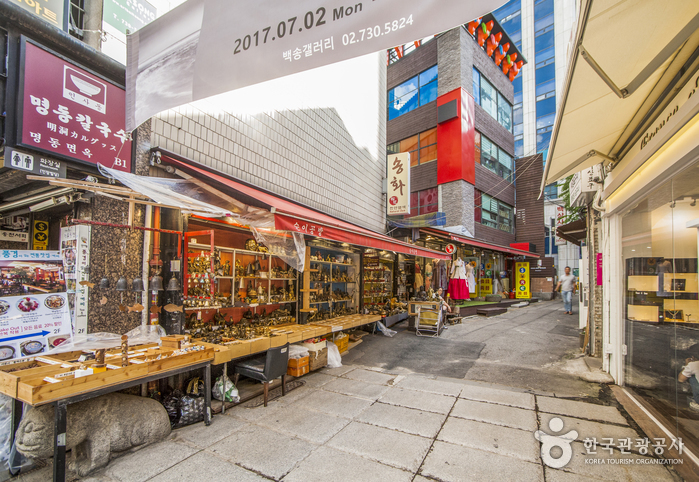
Insa-dong Antique Art Street (인사동 고미술거리)
1.4Km 2025-03-16
29 Insadong-gil, Jongno-gu, Seoul
+82-2-732-2235
As of today, there are approximately 70 shops in the Insa-dong area that sell antique arts. Some of the products they sell include antique artworks, porcelains, woodcrafts, and metalwork. Visitors may even find rare and valuable products such as earthenware from the Silla period or white porcelain used in the Joseon dynasty. Each shop is a specialty store, authorized to sell product types that are of their expertise, ranging from antique furniture and traditional artworks to handcrafted items.
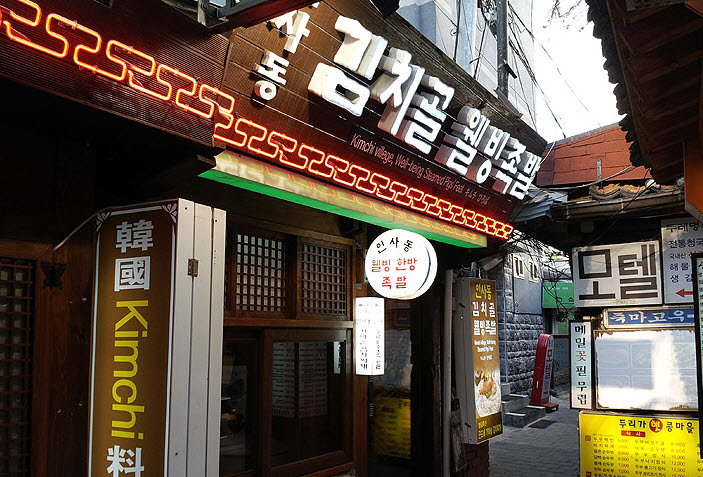
Kimchigol Well-being Bapsang(김치골웰빙밥상)
1.4Km 2024-10-14
22-5 Insadong-gil, Jongro-gu, Seoul
+82-2-720-6436
A restaurant where you can try kimchi, a Korean traditional dish, and meat. The representative menu is kimchi cabbage wraps with pork. This is a Korean cuisine located in Insa-dong, Seoul.
![Zara - Lotte Seoul Station Branch [Tax Refund Shop] (자라 롯데 서울역점)](http://tong.visitkorea.or.kr/cms/resource/25/2878425_image2_1.jpg)
Zara - Lotte Seoul Station Branch [Tax Refund Shop] (자라 롯데 서울역점)
1.4Km 2024-04-22
378, Cheongpa-ro, Yongsan-gu, Seoul
-
![TUBAn [Tax Refund Shop] (주식회사 투바앤)](http://tong.visitkorea.or.kr/cms/resource/47/2890647_image2_1.jpg)
TUBAn [Tax Refund Shop] (주식회사 투바앤)
1.4Km 2024-04-23
1955, Goyang-daero, Deogyang-gu, Goyang-si, Gyeonggi-do
-
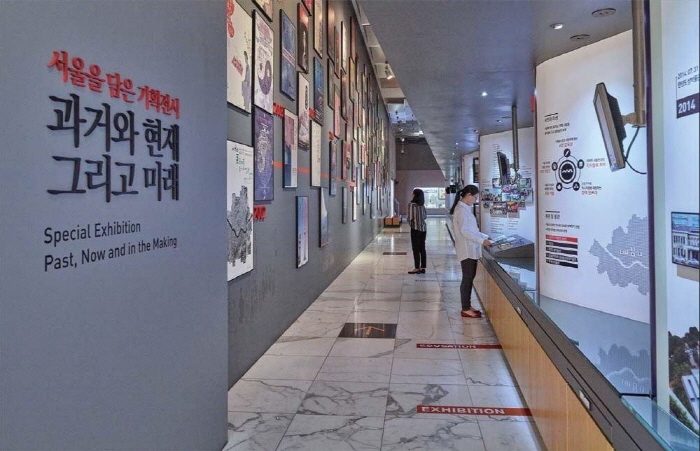
Seoul Museum of History (서울역사박물관)
1.4Km 2025-01-17
55 Saemunan-ro, Jongno-gu, Seoul
Seoul Museum of History covers everything about Seoul's history and culture from the prehistoric era to modern times, focusing especially on the Joseon era. The museum aims to raise cultural awareness and build a strong bond within the community by collecting, preserving, researching, and displaying artifacts and materials related to Seoul as well as promoting the city's history and culture to an international audience.

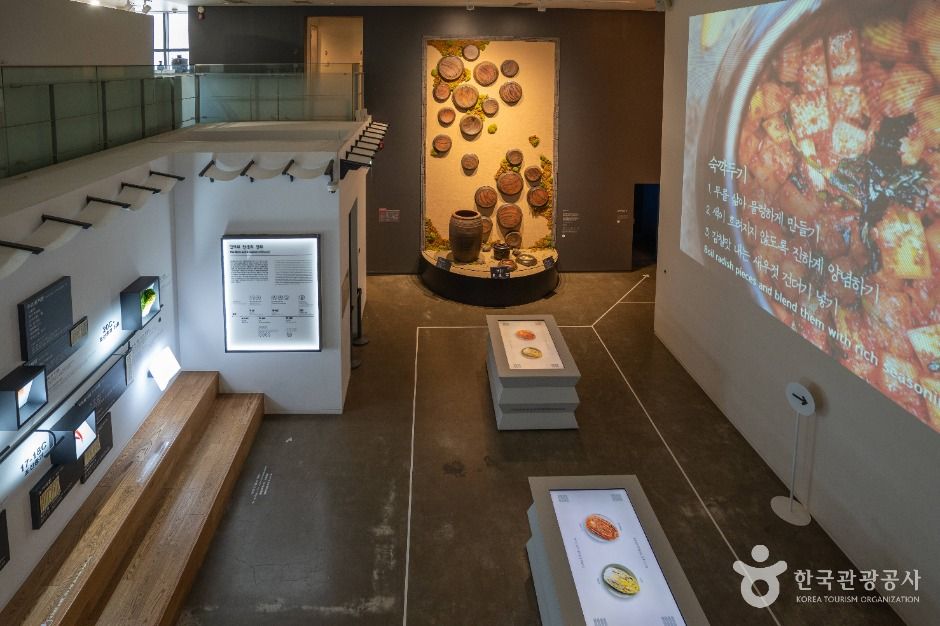
Museum Kimchikan (뮤지엄 김치간)
1.4Km 2025-06-19
(4-6th floor, Maru Art Center), 35-4 Insadong-gil, Jongno-gu, Seoul
Museum Kimchikan is a museum dedicated to kimchi in Insa-dong’s Maru Art Center. The exhibition details the culture, history, trajectory, and efficacy of kimchi and teaches the visitors how to make kimchi through videos. Visitors can also sample different types of kimchi. The museum offers both individual and group experience programs.
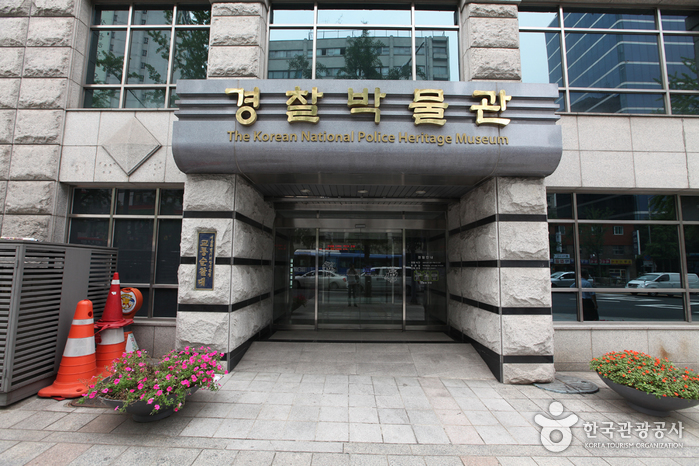
Korean National Police Heritage Museum (경찰박물관)
1.4Km 2021-12-21
41, Saemunan-ro, Jongno-gu, Seoul
+82-2-3150-3681
The police museum opened on October 14, 2005 to give a better understanding of the job of the police and to offer a formal education to children who wish to become police officers in the future. The history hall of the museum is designed for visitors to learn about the history of Korean police at a glance, exhibiting information on the police force from the Joseon dynasty up until current times.
Visitors to the museum can pretend to be police officers by touching actual equipment and learning about an officer's daily tasks. Visitors can also get in patrol cars, wear a police uniform, experience shooting a gun through a simulation, and learn self-defense martial arts and arrest techniques. Visitors can also go to the museum jail.
 English
 한국어
한국어 日本語
日本語 中文(简体)
 Deutsch
 Français
 Español
 Русский


