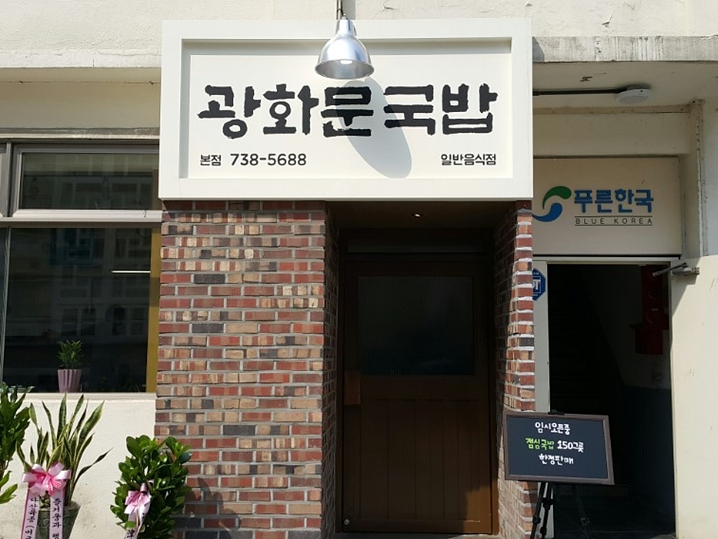
Gwanghwamun Gukbap (광화문국밥)
1.1Km 2024-06-19
53 Sejong-daero 21-gil, Jung-gu, Seoul
Gwanghwamun Gukbap is a dwaeji gukbap (pork and rice soup) restaurant operated by Chef Park Chanil. Its distinctive feature lies in using only black pork loin and shoulder to enhance the flavor. The signature dish is the dwaeji gukbap, which boasts a mild, clean, and deep flavor. In addition to that, they also offer dwaeji suyuk (boiled pork slices) and pisundae (sundae with pork blood). Known for its authentic taste of rice soup and rich broth, it's a popular destination for many.
![Olive Young - Jonggak Branch [Tax Refund Shop] (올리브영 종각)](http://tong.visitkorea.or.kr/cms/resource/24/2878224_image2_1.jpg)
Olive Young - Jonggak Branch [Tax Refund Shop] (올리브영 종각)
1.1Km 2024-04-18
45, Sungkyunkwan-ro 6-gil, Jongno-gu, Seoul
-
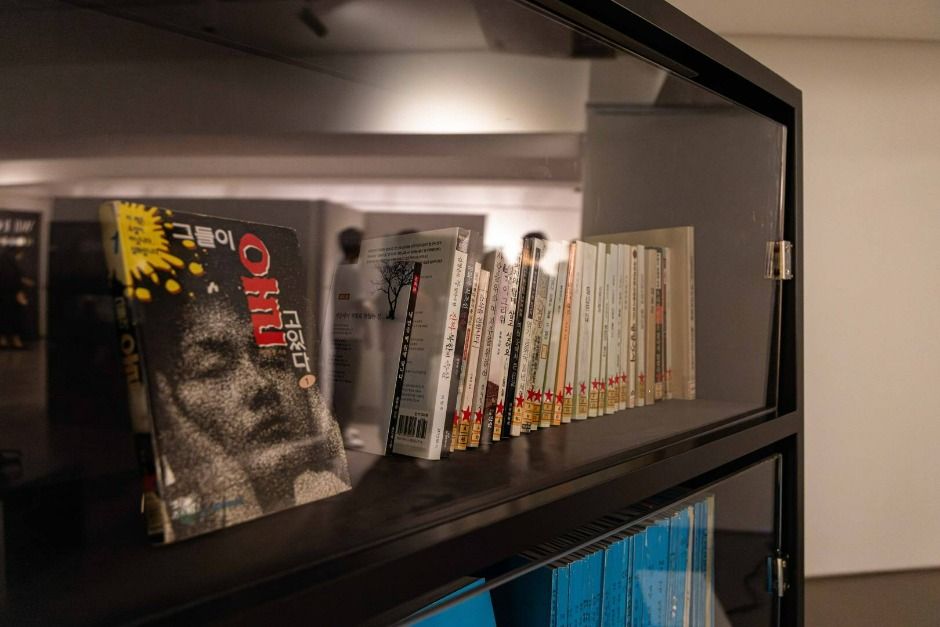
NKDB North Korean Human Rights Exhibition Hall (북한인권전시실)
1.1Km 2025-11-13
393 Samil-daero, Jongno-gu, Seoul
The NKDB North Korean Human Rights Exhibition Hall is a permanent exhibition space dedicated to North Korean human rights. Although it is a small space, it resonates deeply and serves as a "dark tourism" site that records and testifies to the ongoing reality of human rights violations in North Korea. The North Korean Human Rights Information Center (NKDB), which operates this exhibition hall, is the organization that collects and archives the most extensive records of human rights concerning North Korean residents in the world. The testimonies and records presented here represent a living history, a story unfolding in the present, unavailable elsewhere. Through donated North Korean artifacts, including these records, visitors can glimpse the present-day North Korea and encounter artwork by North Korean defectors.
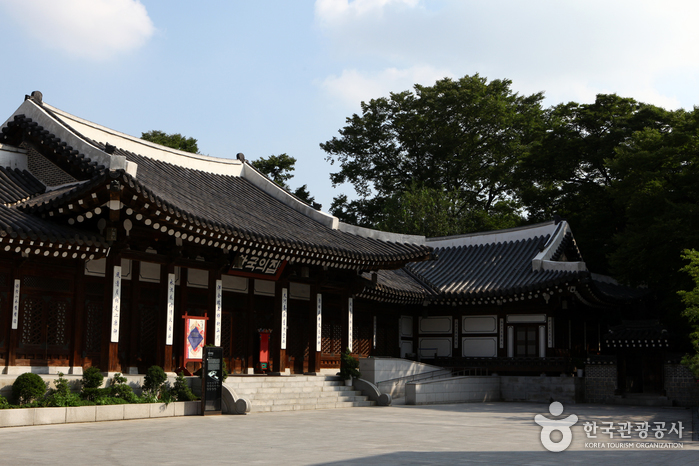
Korea House (한국의집)
1.1Km 2025-10-23
10, Toegye-ro 36-gil, Jung-gu, Seoul
The Korea House was opened in 1981. It is a traditional Korean building that introduces the culture and lifestyle of Koreans, where you can experience traditional architecture and a classical atmosphere. The building was built in the style of the Joseon Dynasty's Jagyeong-jeon building at the Gyeongbok Palace. It is the only building built in the traditional architectural style. You will feel its antiquity as you enter the building.
It is divided into the Haerin-gwan (a space for people to get acquainted with each other), the Traditional Theater, and three annex buildings (Munhyang-ru, Nokeum-jeong and Cheongwu-jeong). At Haerin-gwan, you can enjoy traditional music at Garak-dang and try traditional food at Sohwa-dang. In the square of Garak-dang you can view a traditional wedding (on the weekends) or people playing folk games. Also, at the Traditional Theater, about 156 seats are available, and in the afternoons Human Cultural Assets or members of the National Center for Korean Traditional Performing Arts and the National Corps members present traditional music and dances. Sinayui, Salpuri, Pansori, the Drum Dance and the Bongsan Mask Dance are the most popular programs for foreigners. The programs are all explained in English and Japanese.
In the Cultural Gift Shop you can view various crafts made by traditional craftsmen. It is always open and the crafts are for sale as well. There are pottery, ceramics, golden crafts, knots and embroidery etc; approximately 500 pieces of artwork made by craftsmen from 20 different fields. Next to the House of Korea is the Namsan-gol Hanok Village where visitors can explore traditional houses.
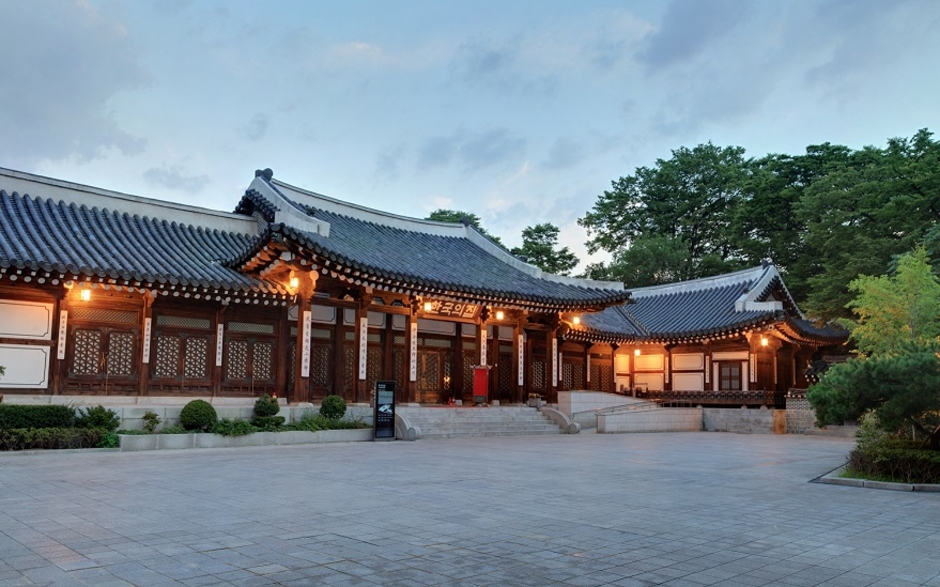
Korea House (한국의집)
1.1Km 2024-03-05
10 Toegye-ro 36-gil, Jung-gu, Seoul
+82-2-2266-9101
Located in the center of Seoul, Korea House is a must-visit tourism spot as a high-end cultural complex offering Hanjeongsik (Korean table d'hote), traditional refreshments, traditional performance arts, and traditional weddings, allowing visitors to feel the beauty of Korean culture and the taste of Korea. Guests can also enjoy the elegant beauty of hanok.
Ewha Centennial Hall (이화여고100주년기념관)
1.1Km 2024-02-20
26 Jeongdong-gil, Jung-gu, Seoul
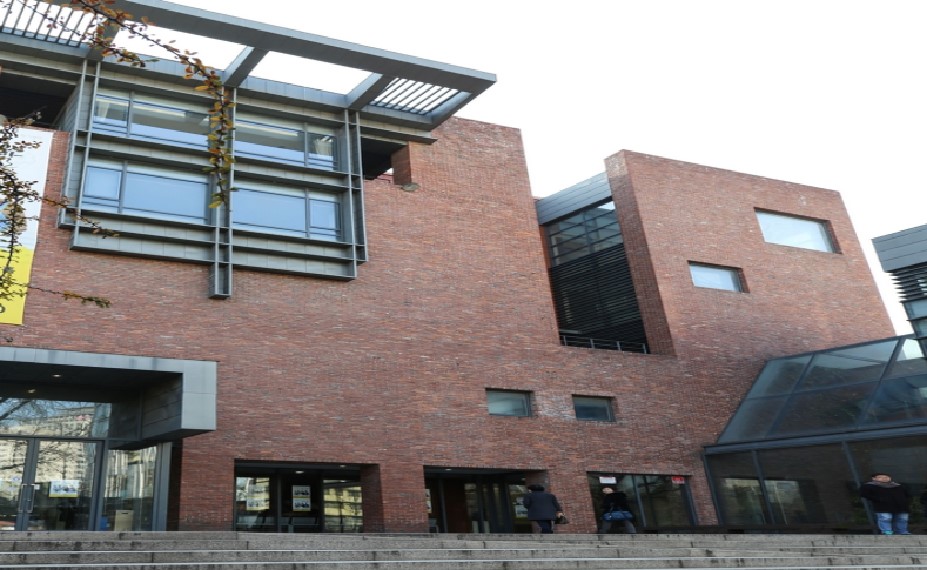
Ewha Centennial Hall is a multimedia education center located next to Ewha Girls' High School. Spanning underground and five above-ground floors, it features a gallery, a cafe, music rooms, individual practice rooms, and audio-visual rooms. The Hwaham Hall on the first and second floors is utilized for performances such as musicals and concerts, as well as educational events.
Euljiro Nogari Alley (을지로 노가리골목)
1.1Km 2025-11-06
Eulji-ro 129, Jung-gu, Seoul
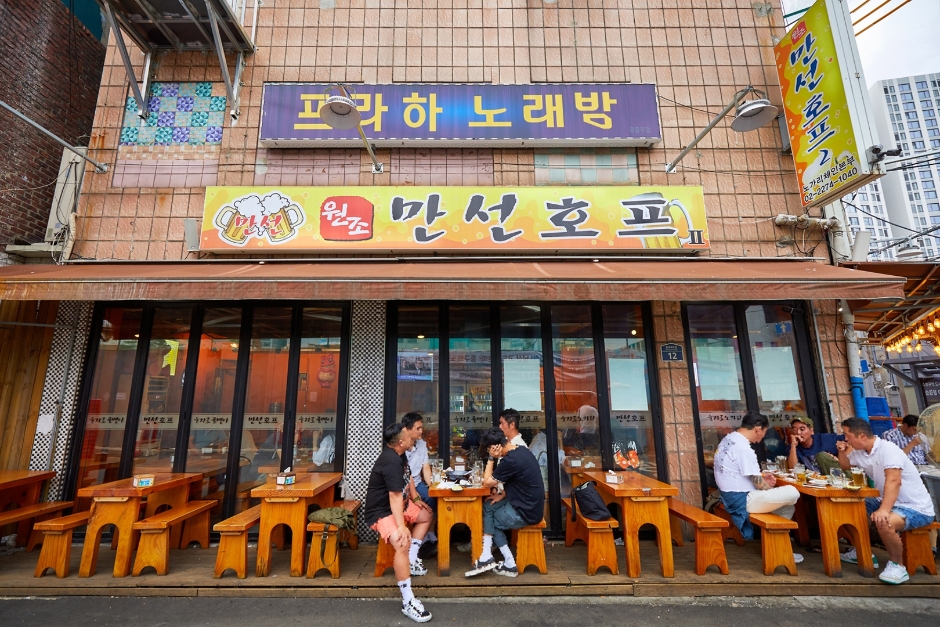
Going out of Exit 3 of Euljiro 3-ga Station on Seoul Metro Line 3 and turning to the alley, you will find many pubs selling Nogari/Dried Young Pollack (Korean people grill and dip it in red pepper paste to eat as a side dish with alcohol) and restaurants specializing in Golbaengi/Sea Snails (It is a kind of conch shell, and Korea people made it a seasoned dish and enjoy it with Somyeon/Thin Noodles or use it as a bar sack). People gather in small groups at every outdoor table and sit in every alley to enjoy beer and snacks on weekday evenings and weekends, so it isn't easy to find a seat.
Originally, this area was lined with various company buildings and shops selling tools. However, in 1980, the pub 'Eulji OB Bear' opened, and as similar pubs opened nearby, it naturally came to be called 'Euljiro Nogari Alley.' As the affordable prices of snacks and beer attracted nearby office workers and college students, it has become increasingly popular, leading to its current status.
Here, along with a cold draft beer, let's try the K-snacks only available in Korea, such as Nogari/Dried Young Pollack and Golbaengi/Sea Snails. In addition, snacks such as chicken and fried dishes are also available, so try various snacks.
Manseon Hof (만선호프)
1.1Km 2024-03-15
19, Eulji-ro 13-gil, Jung-gu, Seoul
+82-2-2274-1040
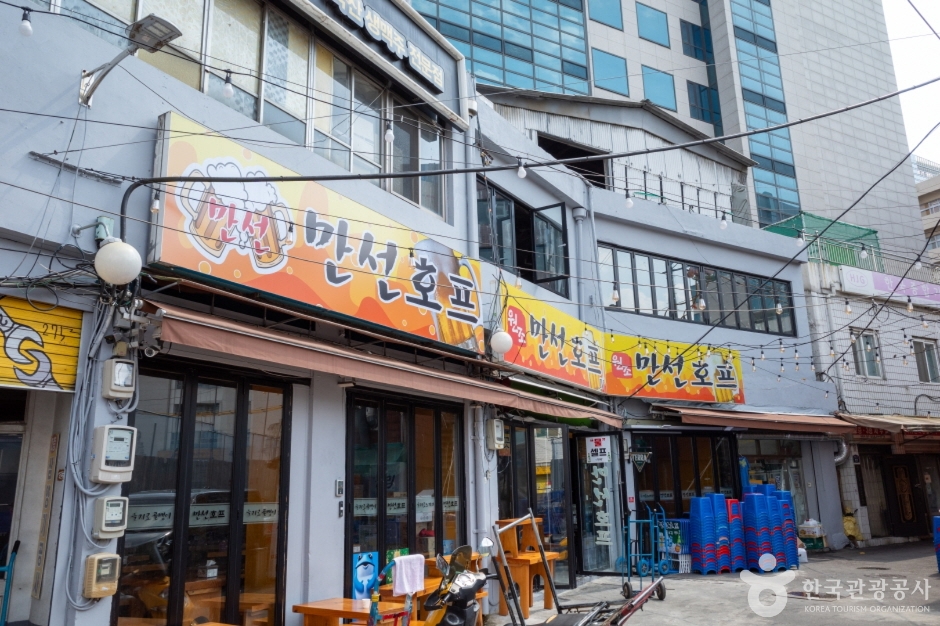
Located in Euljiro Nogari Alley, Manseon Hof is a beer bar. The place is bustling late at night with people drinking beer and eating snacks like nogari (dried young pollack) and fried chicken at sidewalk tables. It is a great place to enjoy a cold draft beer and grilled dried young pollack dipped in spicy sauce and mayonnaise. Golbaengi muchim (sea snail salad) and gyeran mari (rolled omelet) are also other popular accompaniments.
Haepungbuwongun Yun Taekyeong's Jaesil (해풍부원군윤택영댁재실)
1.1Km 2021-11-10
28, Toegye-ro 34-gil, Jung-gu, Seoul
+82-2-3396-5882
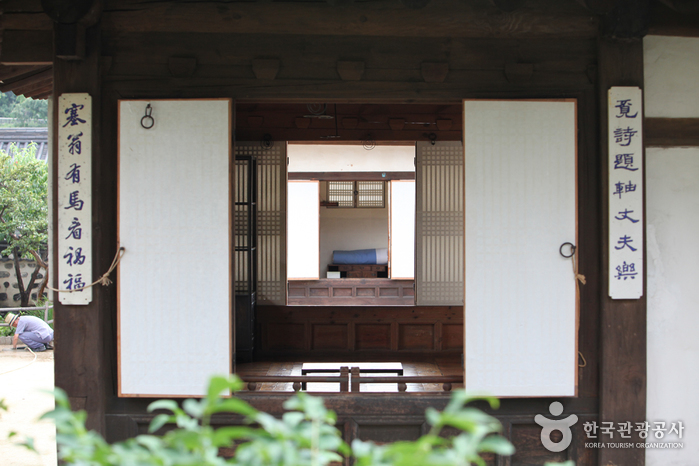
Haepungbuwongun Yun Taekyeong's Jaesil is a shrine house built by the father-in-law of King Sunjong of Joseon dynasty in 1906 when his daughter was proclaimed the crowned princess of Joseon and entered Changdeokgung Palace to later become Queen Sunjeong. Red pine trees salvaged from the demolition of Gyeongungung Palace were used to construct the house. It was originally located in Jegi-dong, Dongdaemun-gu, but was later restored and moved to its present location. The shrine of the house that was destroyed in 1960 was also restored.
Because the house is more of a shrine rather than residential living quarters, it has many unique features. For example, unlike other houses, it has the anchae (women’s quarters) located across from sarangbang (men’s quarters) with daecheong (living room) positioned between them.
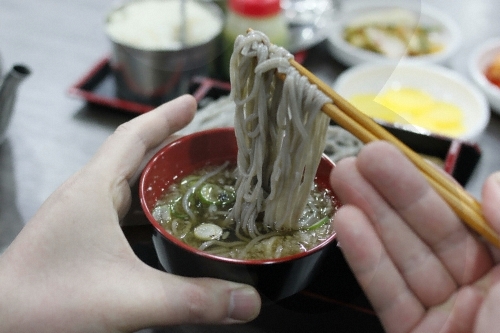
Mijin (미진)
1.1Km 2024-03-06
19 Jong-ro, Jongno-gu, Seoul
+82-2-732-1954
Mijin is a Korean-style cold buckwheat noodle restaurant located near Gwanghwamun, specializing in Korean-style naeng memilguksu (cold buckwheat noodles). They offer a broth that is richer in flavor compared to Japanese soba bonito soy sauce, along with chewier buckwheat noodles. The restaurant produces the broth and noodles in-house and serves them directly to customers. The cold broth and buckwheat noodles condiments can be adjusted according to preference. Another popular menu is the memil jeonbyeong (buckwheat crepe) filled with bean sprouts, bean curd, aged kimchi, and ground pork.
 English
 한국어
한국어 日本語
日本語 中文(简体)
 Deutsch
 Français
 Español
 Русский


