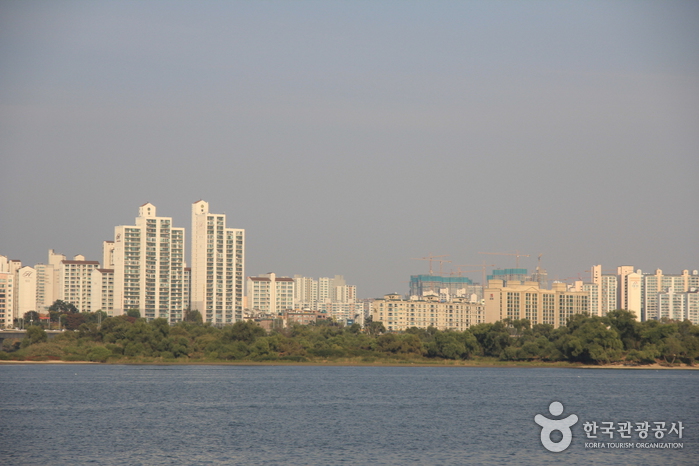
Bamseom Island (Ecosystem Conservation Area) (밤섬 생태경관 보전지역)
3.0Km 2025-04-29
Yeouido-dong, Yeongdeungpo-gu, Seoul
+82-2-3780-0793
Located at the Hangang River, Bamseom Island derives its name from its chestnut-like shape (bam in Korean). The island was designated as an Ecosystem Conservation Area by the Seoul Metropolitan Government in 1999 and was later recognized as Ramsar Wetland in 2012. Now an uninhabited island, Bamseom Island was once home to around 443 people, who were relocated after the island was exploded as part of the Yeouido Development Project. Today, it is known as a habitat for numerous migratory birds and plant species. People can enjoy views of the Island from Bamseom Park.

Korea Samgyetang (고려삼계탕)
3.0Km 2024-06-19
1 Seosomun-ro 11-gil, Jung-gu, Seoul
+82-2-752-9376
Located near City Hall Station, Korea Samgyetang specializes in samgyetang. Samgyetang is a traditional healthy dish made by simmering cleaned young chicken in a broth with ginseng, jujube, and glutinous rice. The light and tender texture of the stewed chicken and the ginseng-flavored glutinous rice porridge is excellent. Ogolgye tang (silkie chicken soup) and jeonbok samgye tang (abalone and ginseng chicken soup) are also favorites among patrons. This restaurant was selected for the Michelin Guide Seoul in 2023.
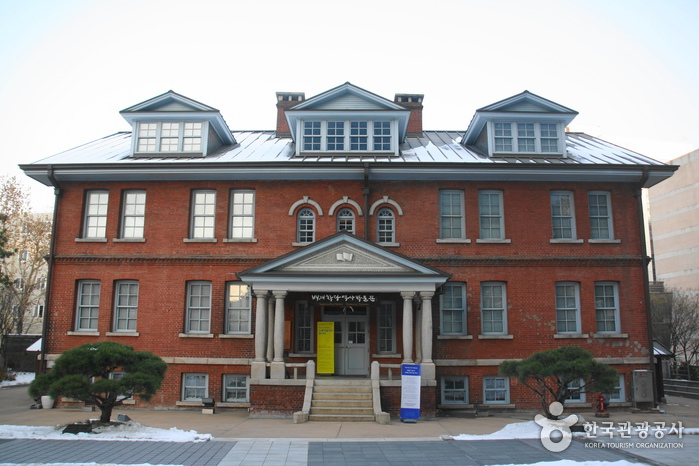
Appenzeller Noble Memorial Museum (배재학당 역사 박물관)
3.0Km 2022-10-14
19, Seosomun-ro 11-gil, Jung-gu, Seoul
+82-2-319-5578
The Appenzeller Noble Memorial Museum is dedicated to Henry Gerhart Appenzeller, the missionary who opened the first Western-style educational institution in Korea in 1885. The school started with English and core subjects, but expanded into the Pai Chai University, Pai Chai High School, and Pai Chai Middle School and has many famous alumni, including Rhee Syng-man. The memorial hall opened in 2008 in the east wing of the original school building, which was built in 1916 and designated as a Seoul Monument. With dynamically arranged permanent exhibitions, annual special exhibitions and special lectures, the museum offers a unique learning experience to visitors and people with an interest in the history of education in Korea.
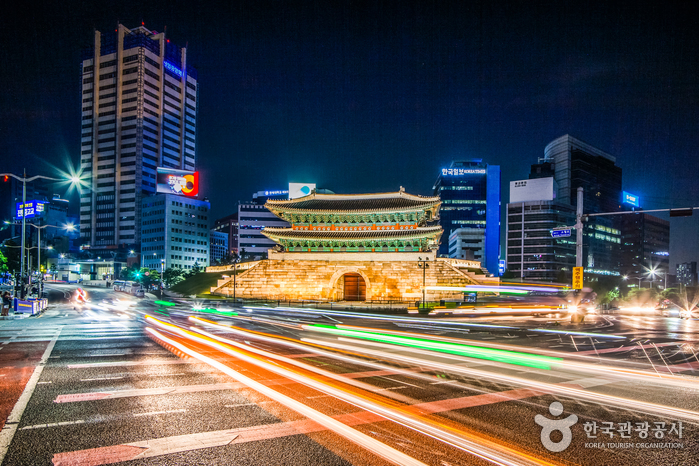
Sungnyemun Gate (숭례문)
3.0Km 2024-11-27
40 Sejong-daero, Jung-gu, Seoul
Sungnyemun Gate is Korea’s National Treasure No. 1, and its unofficial name is Namdaemun Gate. Sungnyemun Gate is the largest castle gate stone structure with an arched entrance in the middle. There’s a column on top of a platform, raising the roof, distinguishing the upper stories and lower stories of the building. Passageways for traffic are located at the east and west ends of the gate. Different from the other gates, Sungnyemun Gate’s tablet has its name written vertically.
On February 10, 2008, Sungnyemun was destroyed by fire. After a 5-year reconstruction work, the gate was re-opened to the public again on May 4, 2013.
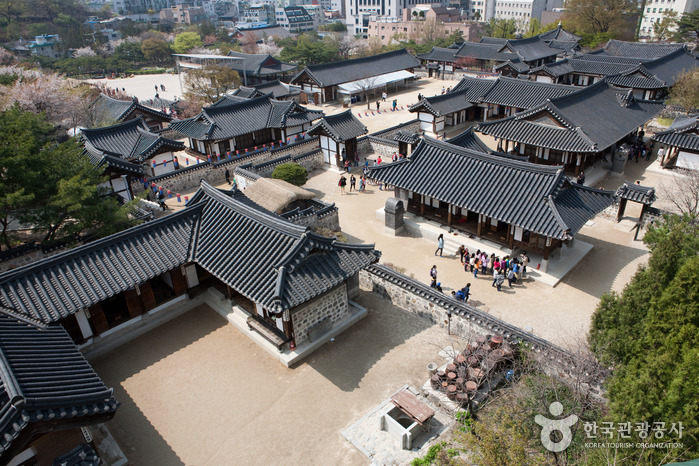
Myeong-dong, Namdaemun, Bukchang-dong, Da-dong and Mugyo-dong Special Tourist Zone (명동 남대문 북창동 다동무교동 관광특구)
3.0Km 2021-12-30
40, Sejong-daero, Jung-gu, Seoul
+82-2-3396-4622
Myeong-dong, Namdaemun, Bukchang-dong and Da-dong are widely known among international visitors as hot spots for shopping and food.
Myeong-dong is a popular destination for shopping, culture, arts and fashion. Major shopping malls such as Lotte Department Store, Shinsegae Department Store, Myeong-dong Migliore and Samik Fashion Town are located here. Shoppers can find a variety of products here from high-end items to relatively inexpensive clothes. There’s also no shortage of street food, traditional restaurants, coffee shops and fancy cafes.
Namdaemun Market is the biggest traditional market in Korea. Visitors can purchase souvenirs and local produce at an affordable price in the shopping complex crowded with stores and street stalls. The market sells a variety of clothes, kitchenware, toys, accessories, food, flowers and imported goods.
Bukchang-dong and Sogong-dong have high-end accommodations including Lotte Hotel Seoul and Westin Chosun Seoul, duty-free shops, and restaurants serving traditional dishes.
[Myeong-dong, Namdaemun Market and Bukchang-dong Special Tourist Zone]
Areas included: Myeong-dong, Bukchang-dong, Mugyo-dong and Da-dong, Seoul
Area size: 872,809 ㎡
Tourist attractions: Myeong-dong, Namdaemun Market and Bukchang-dong, Department Stores (Lotte Department and Shinsegae Department Store, etc.), Traditional Market, Duty-free Shop, Hanok Village, N Seoul Tower, etc.
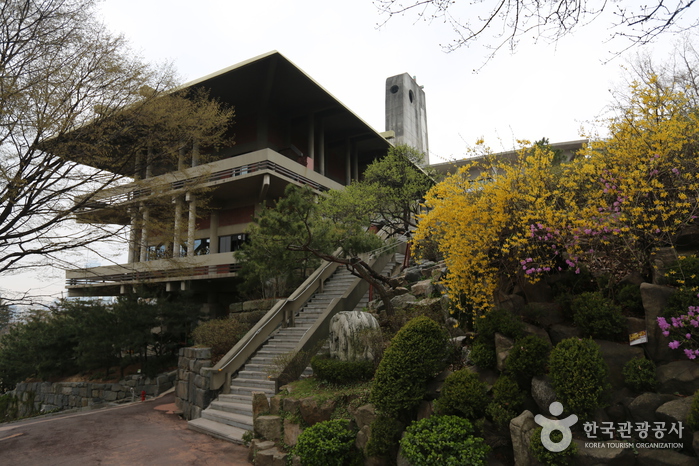
Korean Martyrs' Museum (한국천주교순교자박물관)
3.0Km 2023-01-03
6, Tojeong-ro, Mapo-gu, Seoul
+82-2-3142-4434
Korean Martyrs’ Museum was opened in October of 1967 as Jeoldusan Martyrs' Shrine, in memory of the Catholic martyrs who lost their lives during the Byeongin Persecution of 1866. The name of the museum changed to the current Korean Martyrs' Museum in August 2008. The museum displays artifacts and materials in exhibitions related to the Catholic Bishops' Conference of Korea.
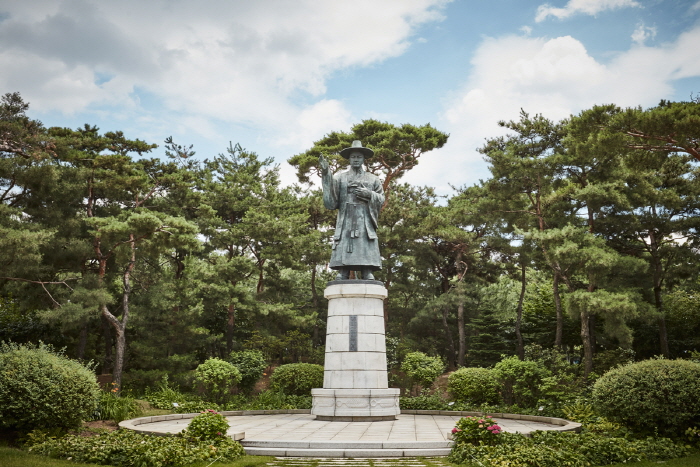
Jeoldusan Martyrs' Shrine (절두산순교성지)
3.0Km 2024-03-12
6 Tojeong-ro, Mapo-gu, Seoul
+82-2-3142-4434
Jeoldusan Martyrs' Shrine is the site where many Catholic believers were executed in 1866 due to persecution. In commemoration of the 100th anniversary of the martyrdom, the Korean Catholic Church opened the Memorial Hall in October 1967, exhibiting materials, relics, and souvenirs related to the Korean Catholic Church and operating a museum. Pope Johannes Paulus II visited the site in 1984, and Mother Teresa visited in 1985.
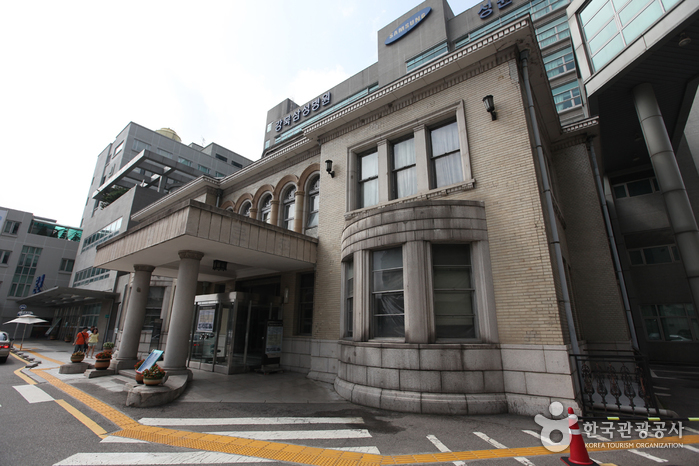
Seoul Gyeonggyojang House (서울 경교장)
3.0Km 2021-09-15
29, Saemunan-ro, Jongno-gu, Seoul
+82-2-735-2038
Gyeonggyojang House, a designated Historic Site, was the location of the provisional government and the place where Baekbeom Kim Koo passed away. Seoul reproduced the historical site, Gyeonggyojang House, to use the area as an educational site. Also, the house exhibits the history of the provisional government in order to see the history more clearly.
Restoration work included the demolition of the interior that was changed when the building was turned into a hospital facility and embassy after Kim Koo passed away in 1949. During the work, the remaining parts were maintained with the utmost care. Reconstructed parts were based on the building's floor plan written in Chosun and Architecture (8th edition in 1938). Visitors can see various contents related to the Korean Provisional Government history through relics, video, and information searching corners.
![Hanaro Optics [Tax Refund Shop] (하나로안경원)](http://tong.visitkorea.or.kr/cms/resource/80/2878580_image2_1.jpg)
Hanaro Optics [Tax Refund Shop] (하나로안경원)
3.0Km 2024-04-19
48, Namdaemunsijang 4-gil, Jung-gu, Seoul
-
Jinju Hoegwan (진주회관)
3.1Km 2024-06-19
26 Sejong-daero 11-gil, Jung-gu, Seoul
+82-2-753-5388
Jinju Hoegwan is a renowned kongguksu (noodles in cold soybean soup) eatery near City Hall Station. Kongguksu is a traditional Korean summer dish made by boiling and grinding soybeans into a creamy broth, served with noodles, offering a refreshing and nutty flavor. Kongguksu is available from March to November. Their staff-recommended menu includes kimchi bokkeumbap (kimchi fried rice), freshly roasted by the staff, along with kimchi jjigae and samgyeopsal (pork belly).
 English
 한국어
한국어 日本語
日本語 中文(简体)
 Deutsch
 Français
 Español
 Русский


