Tapgol Park (탑골공원)
6.1Km 2024-03-04
99, Jong-ro, Jongno-gu, Seoul
+82-2-731-0534
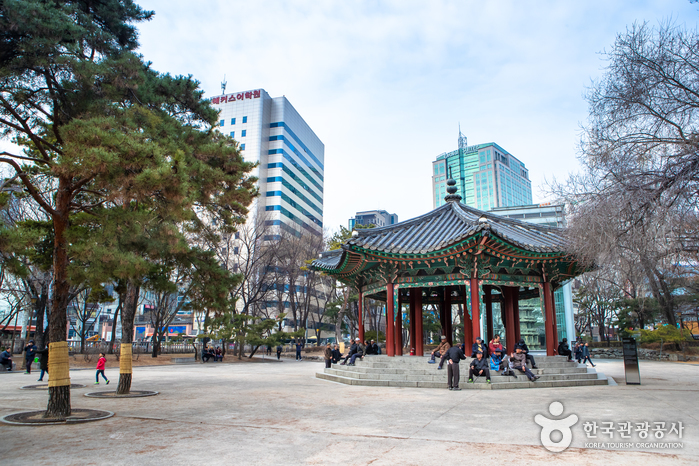
Tapgol Park is the first modern park in Seoul. Having been the site of the Buddhist temple of Wongaksa Temple since 1467, the land was turned into a park in 1897. The park has a significant presence in Korean history, being the place where the March 1 Independence Movement began in 1919. One can find historical sites that hearken back to the struggle, such as the Palgakjeong Pavilion, the center of the movement; cultural heritage sites such as the Ten-story Stone Pagoda of Wongaksa Temple Site and the Stele for the Construction of Daewongaksa Temple at Wongaksa Temple Site; and monuments such as the independence movement relief plate, murals, the statue of Son Byeong-hee, and the statue of Han Yong-un.
Palgakdo Main Branch (팔각도 본점)
6.1Km 2025-01-23
643 Gyeongin-ro, Guro-gu, Seoul
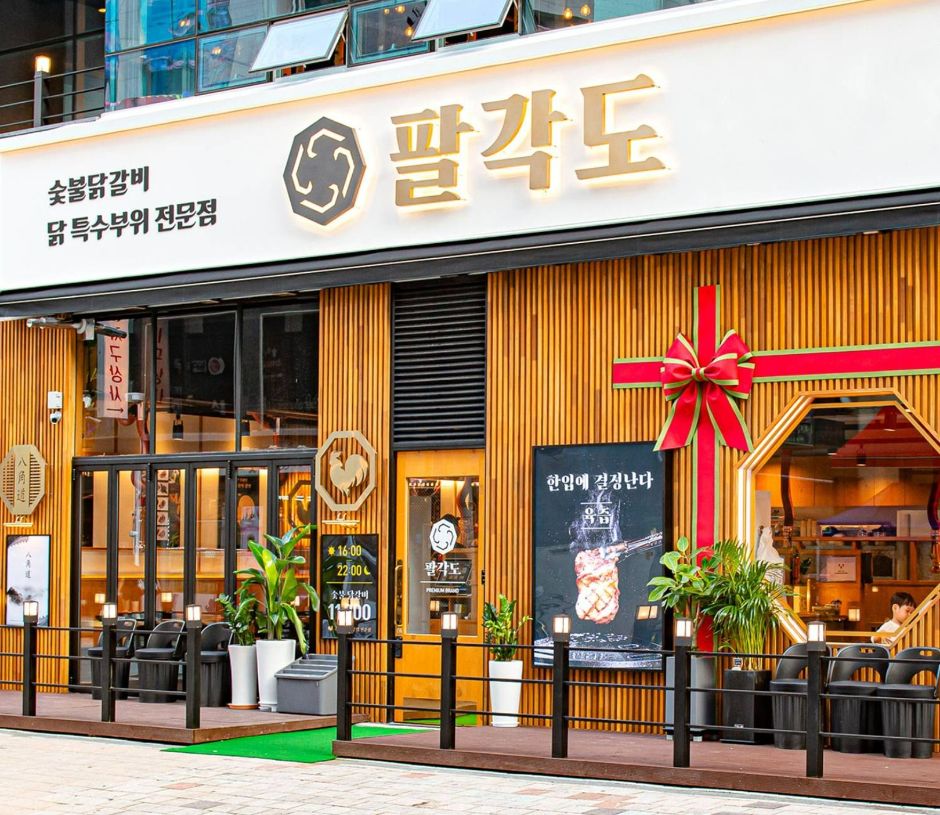
Palgakdo is a restaurant specializing in charcoal-grilled chicken cuts. The chicken is cooked over charcoal, making it tender and juicy. Visitors can try various chicken parts paired with delicious side dishes and sauces. The store’s unique interior, inspired by a pentagon theme, makes it a great place for dates and group gatherings.
Sieunjae (시은재)
6.1Km 2024-12-23
439 , Samil-daero, Jongno-gu, Seoul
+82-10-5355-3029
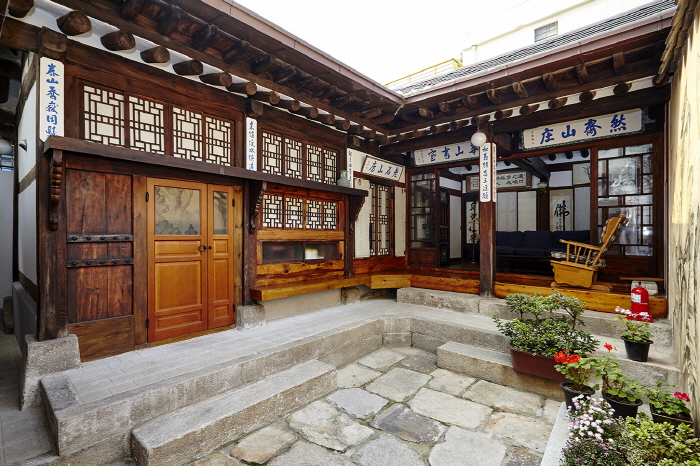
Sieunjae is a hanok stay that has stood in the midst of busy Gyeongun-dong, Jongno-gu, Seoul, for generations. The guestrooms comprise an anbang (bedroom plus living room), three smaller rooms, and a byeolchae or detached house. All rooms have a toilet, and there’s a well-equipped shared kitchen and a washing machine. Guests can either rent individual rooms or the whole hanok. Jongno is convenient for travel to all the historic sites of Seoul, and there’s a public carpark nearby.
Hanji House (한지가헌)
6.1Km 2025-07-25
31-9 Bukchon-ro, Jongno-gu, Seoul
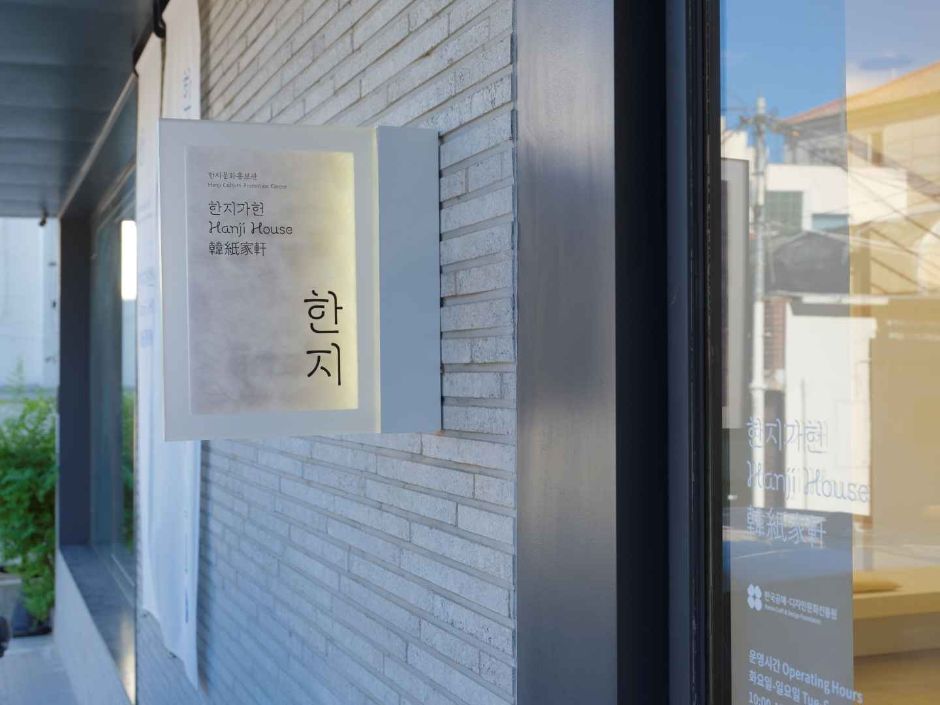
Hanji House was founded to pass on the cultural heritage of hanji, traditional Korean paper, as well as to promote its excellence and uses in everyday life. The center is operated by Korea Craft & Design Foundation, and offers a variety of programs that consist of exhibitions, hands-on activities, classes, and marketing hanji products. On the first floor is Hanji Showroom, where various exhibitions take place to showcase hanji of the past and the present. The basement floor comprises Hanji Open Archive, Hanji Print Studio, and Hanji Workroom, where most of the hands-on activities and classes are held. Hanji House also offers a docent program for exploring the whole area.
Seoul Hiking Tourism Center - Bugaksan Branch (서울도심등산관광센터(북악산))
6.1Km 2024-03-05
88 Samcheong-ro, Jongno-gu, Seoul
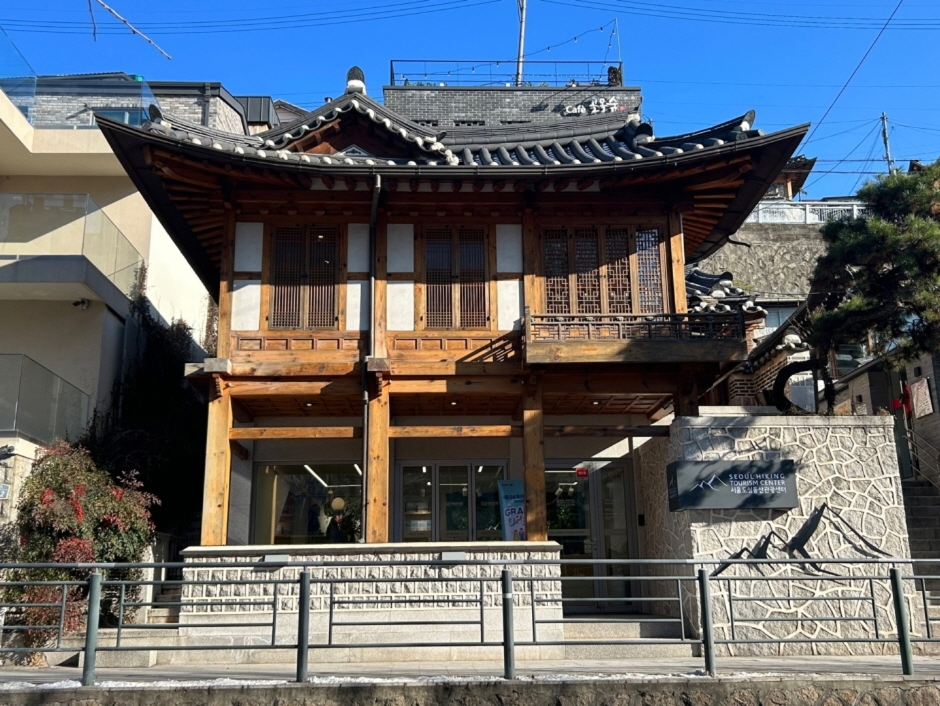
The Bugaksan branch of Seoul Hiking Tourism Center is located on Samcheong-dong Culture Street and provides various services to hikers. It provides hiking course guidance and information (available in Korean, English, Chinese, and Japanese) about the mountains of Seoul, including Bukhansan, Bugaksan, and Inwangsan Mountains, as well as promotional materials such as Seoul hiking tourism guidebooks and maps. Also, it operates hiking tour programs with various themes every week for foreigners and offers hiking gear rental services such as hiking boots, hiking attire, trekking poles, gloves, and crampons for foreigners. (Koreans accompanied by foreigners can also rent the gear.) In addition, there is a storage locker and lounge for visitors, so they can pack up and rest before hiking.

Jogui Hansu (족의한수)
6.1Km 2024-10-15
93-1, Supyo-ro, Jongno-gu, Seoul
+82-2-2261-0310
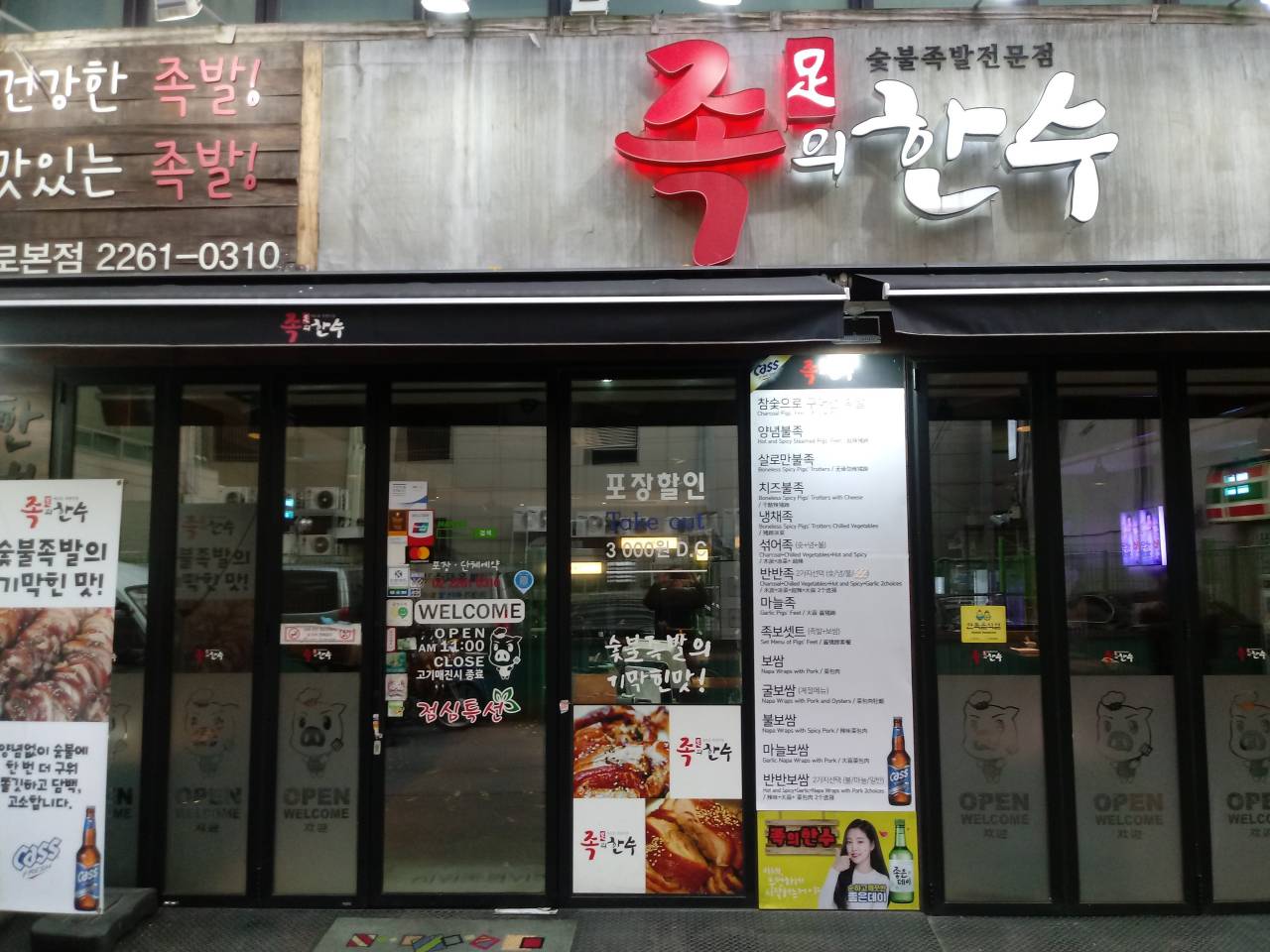
A pig's trotter(s) specialty restaurant located in Jongno, Seoul. This restaurant's signature menu is braised pigs' feet. A restaurant serving both charcoal-grilled jokbal (pig's trotter) and spicy jokbal.
Baek In-je House (백인제가옥)
6.1Km 2025-10-24
16 Bukchon-ro 7-gil, Jongno-gu, Seoul
+82-2-724-0200
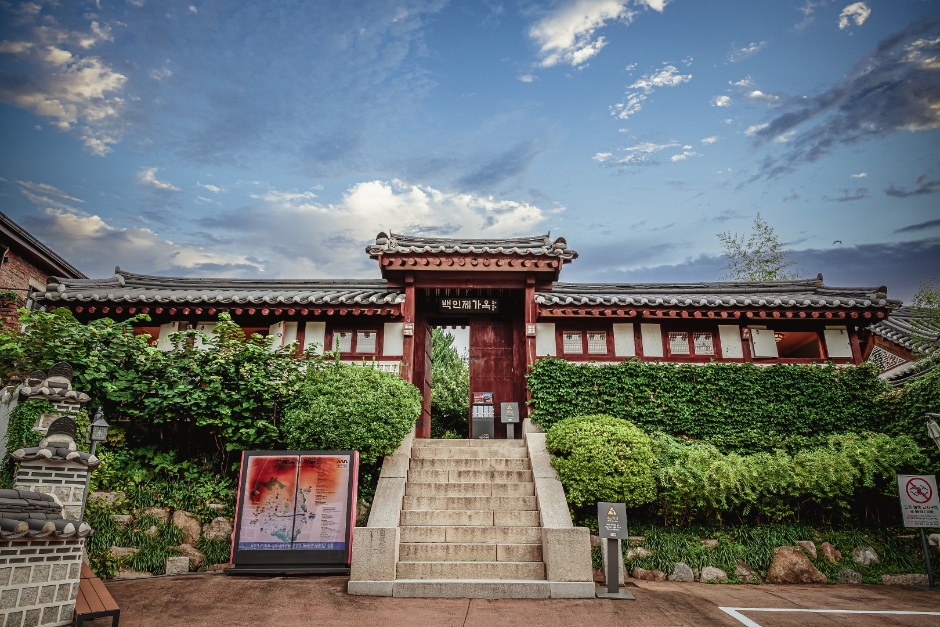
Baek In-je House, located in Bukchon Hanok Village, is a hanok built during the Japanese administration period that portrays modern hanok features. The structure consists of a main room offering a good view of the whole village, spacious bedrooms, a large garden, and annex buildings. As it maintains the beauty of a traditional hanok while incorporating the modern trend of its time, Baek In-je House is considered to be highly valuable in means of both architecture and history, representing the Bukchon Hanok Village together with Yun Bo-seon House.
Baek In-je House was built from black pine, which was first introduced in Seoul during the Gyeongseong Expo in 1907, distinguishing itself from other upper-class houses of its time. Unlike other traditional hanok designs that separate the main building from the other rooms, Baek In-je House connects the two with a hallway, allowing convenient access between the two structures. The house also consists of a Japanese-style hallway and floor mat rooms, reflecting the interior trends of that period. Baek In-je House is also unique in that the main room is partially built as a two-story structure, a style that was never seen in any traditional hanok built during the Joseon period.
Childrens Museum of the National Museum of Korea (국립중앙박물관 어린이박물관)
6.2Km 2021-09-15
137, Seobinggo-ro, Yongsan-gu, Seoul
+82-2-2077-9000
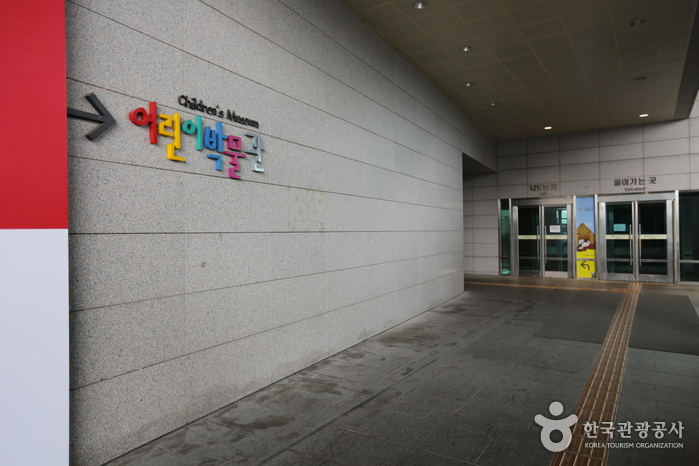
The Children’s Museum of the National Museum of Korea is an experience-oriented museum where children can see, touch, and feel history through hands-on programs and games. The permanent exhibition hall displays replicas of historical items so children can learn about Korea’s cultural heritage in a fun and interactive way. Children can also experience the lifestyle and wisdom of the past through experience programs.
National Museum of Korea (국립중앙박물관)
6.2Km 2025-11-21
137 Seobinggo-ro, Yongsan-gu, Seoul
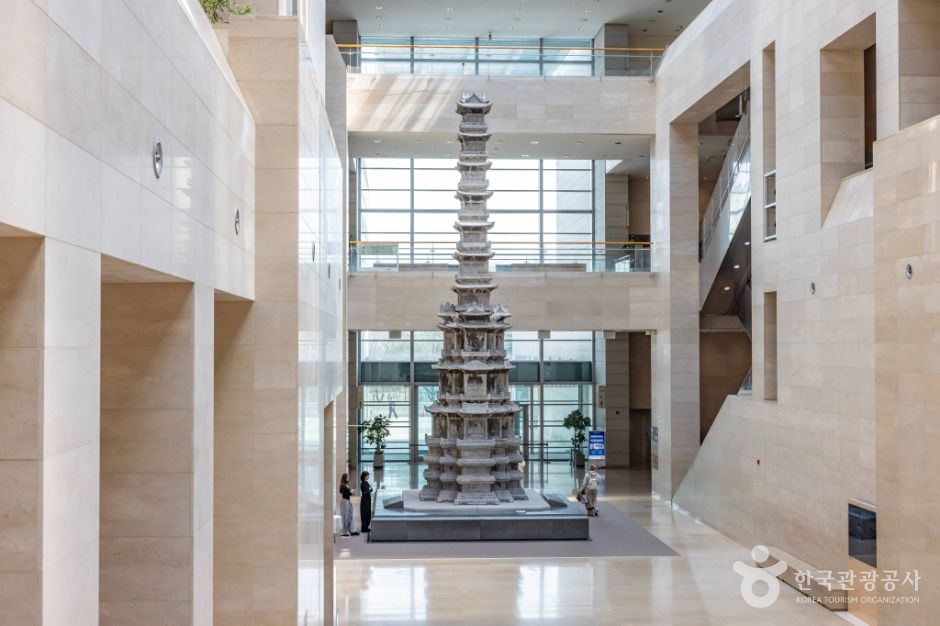
The National Museum of Korea houses a vast collection of artifacts from ancient times to the modern era in a wide range of topics, including art and culture. The museum houses a Children's Museum, where visitors can learn more about the nation's history through educational programs and experiences. The outdoor grounds feature pagodas and other stone artworks too large to be on display inside.
In addition to galleries with a wide array of national and international pieces, the National Museum of Korea is a stage for a number of cultural activities related to collection, preservation, research and analysis, social training, academic publications, intercultural exchange programs, concerts, and more.
 English
 한국어
한국어 日本語
日本語 中文(简体)
 Deutsch
 Français
 Español
 Русский


