![CheongKwanJang - Jeungsan Station Branch [Tax Refund Shop] (정관장 증산역)](http://tong.visitkorea.or.kr/cms/resource/44/2889544_image2_1.jpg)
CheongKwanJang - Jeungsan Station Branch [Tax Refund Shop] (정관장 증산역)
5.7Km 2024-04-22
#102, 259, Jeungga-ro, Seodaemun-gu, Seoul
-
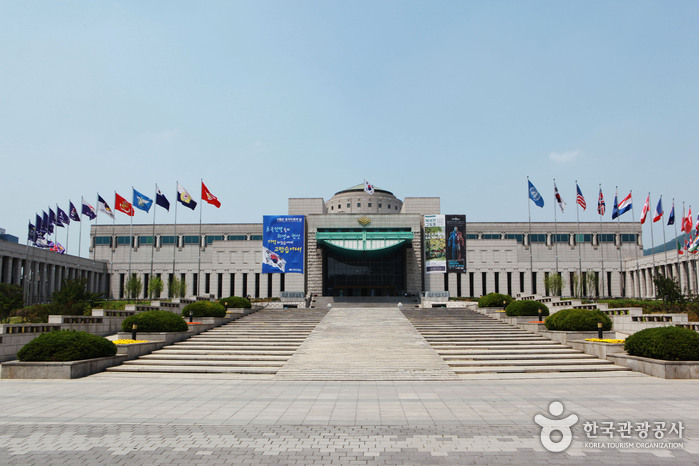
The War Memorial of Korea (전쟁기념관)
5.7Km 2022-12-29
29, Itaewon-ro, Yongsan-gu, Seoul
+82-2-709-3144
The War Memorial of Korea, located in Yongsan-gu, Seoul, exhibits and preserves materials related to the Korean War and serves as a national moral educational venue. It was established on June 10, 1994 by the War Memorial Service Korea Society to commemorate the noble sacrifice of patriotic martyrs. The museum houses approximately 33,000 artifacts with about 10,000 on display at indoor and outdoor exhibitions. There are six separate indoor halls, including Expeditionary Forces Room, Patriotic Memorial Room, War History Room, 6·25 Korean War Room, Development Hall and Large Machinery Room. The outdoor exhibition showcases large-sized weapons. Visitors of all ages from children to adults can also participate in 20 various educational programs and diverse cultural events such as military music and honor guard events, drawing contest, cultural event and more. The character of War Memorial of Korea is ‘Mudori’ featuring a helmet symbolizing the protection of the nation and a bay leaf meaning peace.
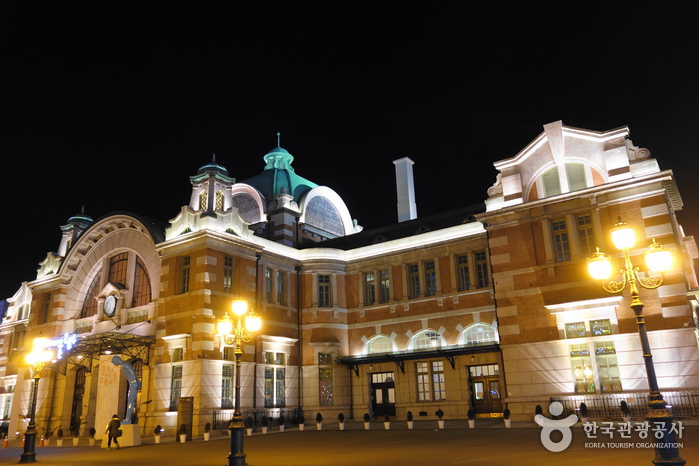
Culture Station Seoul 284 (문화역 서울 284)
5.8Km 2025-10-23
1 Tongil-ro, Jung-gu, Seoul
Culture Station Seoul 284 opened in 2011 by restoring the old Seoul Station. The complex holds various programs including exhibitions, performances, cultural events and workshops. It holds over 100 years of history with Namdaemun Station being the original name of the station in 1900 and changing to Gyeongseong Station, Seoul Station, and now Culture Station Seoul 284. The look of 1925 Gyeongseong Station offers visitors a flashback to the past, providing a fun and special experience.
◎ Travel information to meet Hallyu’s charm
This is where Mok-ha (played by Park Eun-bin) waited for Ki-ho (played by Chae Jong-hyeop) with flowers in the TV series "Castaway Diva." As the restored historic Seoul Station, it also appeared in "Reply 1994" as the location where Samcheonpo (played by Kim Sung Kyun) first arrived in Seoul.

MEDIPACT (메디팩트)
5.8Km 2025-10-23
2nd Floor, 9 Bongcheon-ro 31-gil, Gwanak-gu, Seoul
Medipact is a company that provides an integrated medical platform encompassing foreign patient attraction, global influencer marketing, and interpretation support services. For international patients, Medifact offers personalized one-on-one services to ensure an optimized medical experience, while leveraging its global influencer network to enhance the brand value of partner hospitals and strengthen their international competitiveness.
Furthermore, Medifact goes beyond patient-centered services by operating educational programs for foreign physicians and medical professionals, transferring Korea’s advanced medical technologies and specialized skills. Through these initiatives, Medifact contributes to spreading the excellence of Korean healthcare worldwide and serves as a vital bridge for global medical cooperation.
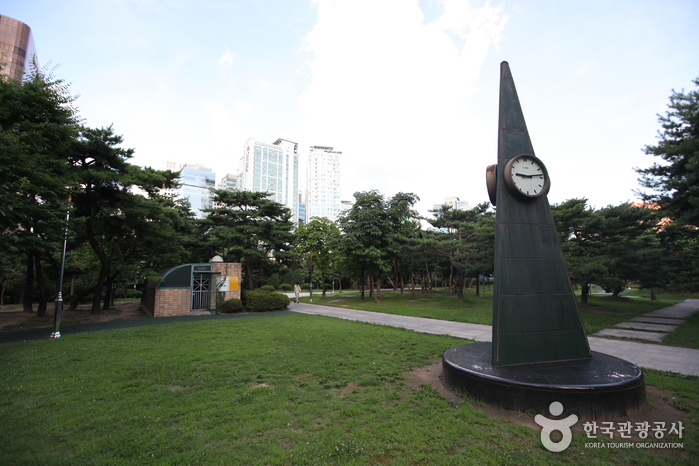
Seosomun Historical Park (서소문역사공원)
5.9Km 2023-08-11
5, Chilpae-ro, Jung-gu, Seoul
The Seosomun Gate area, which is located outside Seosomun Gate, was used as a persecution site in the 19th century before it turned into the local park of today. Many Catholics were suppressed and martyred here, making the area a holy site for Korean Catholics. Seosomun Gate was a gateway to Chilpae Market located near Namdaemun Gate. It was always busy with passerbys and the persecution site was established outside the gate to set an example of crime punishment to all the witnesses.
On May 15, 1999, a memorial tower was raised at the center of the park in honor of the martyrs. In 2013, Seoul's Jung-gu district also founded Seosumun Holy Shrine History Museum with a memorial exhibition hall in their honor.
Cha Fertility Ceter - Seoul Station ((의)성광의료재단 차여성의원)
5.9Km 2025-10-23
(2nd Floor, Seoul Square), 416 Hangang-daero, Jung-gu, Seoul
Since opening in 2015, CHA Fertility Center - Seoul Station has served as Korea's leading fertility treatment center. Based on the know-how of CHA University Gangnam Medical Center, the first private hospital to deliver a test-tube baby in 1986, CHA Fertility Center - Seoul Station is conveniently located near the center of Seoul, making it convenient for domestic and international fertility clients. Foreign fertility patients who arrive in Korea via Incheon Airport not only have easy access to the clinic via the direct rail linking Seoul and the airport but also benefit from the capital city's excellent infrastructure (transportation, tours, accommodations, restaurants, etc.) for a safe and comfortable fertility treatment during their stay. In particular, many international residents in Korea, embassy officials, U.S. soldiers, and Koreans living abroad visit CHA Fertility Center for fertility treatment.
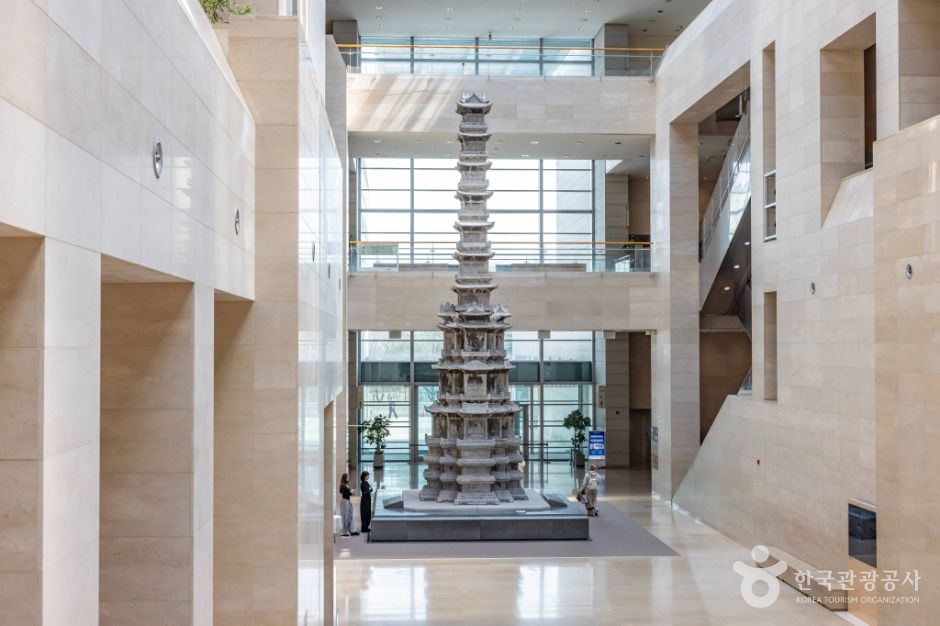
National Museum of Korea (국립중앙박물관)
6.0Km 2025-11-21
137 Seobinggo-ro, Yongsan-gu, Seoul
The National Museum of Korea houses a vast collection of artifacts from ancient times to the modern era in a wide range of topics, including art and culture. The museum houses a Children's Museum, where visitors can learn more about the nation's history through educational programs and experiences. The outdoor grounds feature pagodas and other stone artworks too large to be on display inside.
In addition to galleries with a wide array of national and international pieces, the National Museum of Korea is a stage for a number of cultural activities related to collection, preservation, research and analysis, social training, academic publications, intercultural exchange programs, concerts, and more.
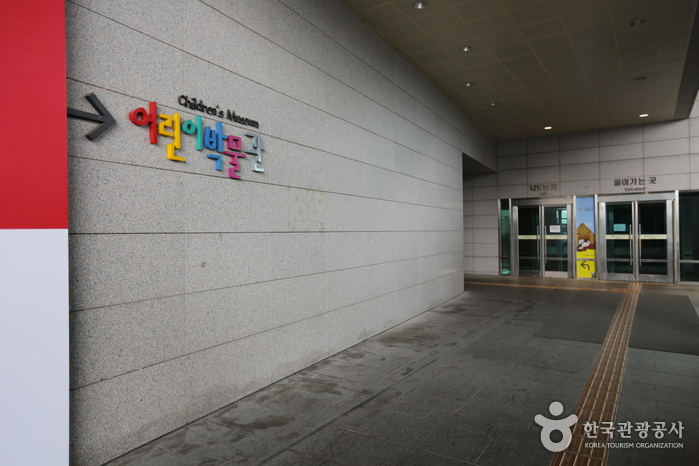
Childrens Museum of the National Museum of Korea (국립중앙박물관 어린이박물관)
6.0Km 2021-09-15
137, Seobinggo-ro, Yongsan-gu, Seoul
+82-2-2077-9000
The Children’s Museum of the National Museum of Korea is an experience-oriented museum where children can see, touch, and feel history through hands-on programs and games. The permanent exhibition hall displays replicas of historical items so children can learn about Korea’s cultural heritage in a fun and interactive way. Children can also experience the lifestyle and wisdom of the past through experience programs.
![Olive Young - Sangam Prugio City Branch [Tax Refund Shop] (올리브영 상암푸르지오시티)](http://tong.visitkorea.or.kr/cms/resource/40/2888440_image2_1.jpg)
Olive Young - Sangam Prugio City Branch [Tax Refund Shop] (올리브영 상암푸르지오시티)
6.0Km 2024-04-22
Store #S-102 (New Bldg.), 25, World Cup buk-ro 54-gil, Mapo-gu, Seoul
-
Seodaemun Prison History Museum (서대문형무소역사관)
6.0Km 2024-12-02
251 Tongil-ro, Seodaemun-gu, Seoul
Seodaemun Prison was built under the Japanese administration to imprison independence movement activists. It first opened on October 21, 1908 under the name Gyeongseong Prison. Eventually, so many activists were imprisoned that the building had to be expanded. At that time, the name changed to Seodaemun Prison on September 3, 1912. Eighty years later, the prison was turned into Seodaemun Independence Park on August 15, 1992 to commemorate the Korean patriots who were tortured in prison, giving their lives for freedom. Of the many buildings, only seven were preserved for their historical significance, among which three prison buildings and the execution site were designated as a Historic Site. In 1998, the park underwent another transformation into today's Seodaemun Prison History Hall to educate the public on the importance of Korea's independence and the sacrifices of those who fought to achieve it.
 English
 한국어
한국어 日本語
日本語 中文(简体)
 Deutsch
 Français
 Español
 Русский


