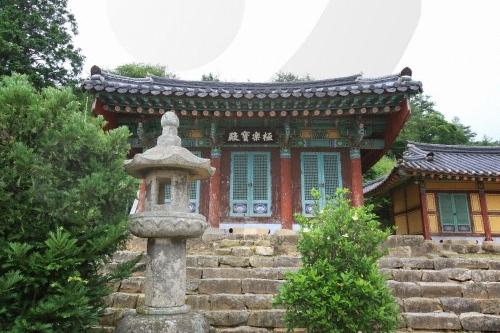
Jangheung Cheongwansa Temple (천관사(장흥))
10.3Km 2021-11-29
1272-473, Chilgwan-ro, Jangheung-gun, Jeollanam-do
Cheongwansa Temple is situated in the middle of Cheongwansan Mountain and is believed to have been built by Monk Tongyeong during the Silla Kingdom. It was once home to over 1,000 monks in its 89 buildings. Beneath the temple’s humble exterior is an impressive collection of cultural properties including Cheongwansa Three-Story Pagoda (Treasure), Cheongwansa Seokdeung (stone lantern), Five-Story Pagoda, and Jangheung Tapsansaji Seokdeung (stone lantern). In addition, Cheongwansan Mountain is known for beautiful camellias in spring and gorgeous silver grass in fall as well as an array of fascinating rock formations. Visitors can also enjoy the views of Dadohae (an archipelago) from the top of the mountain.

Cheongwansan Provincial Park (천관산도립공원)
12.1Km 2021-12-07
Cheongwansan-gil, Jangheung-gun, Jeollanam-do
Cheongwansan Provincial Park is located on Cheongwansan Mountain, which is considered one of the best mountains in southwest Korea, along with Jirisan, Naejangsan, Wolchulsan and Naebyeonsan mountains. The name of Cheongwan comes from the fact that the surrounding boulders resemble a thorny crown worn by an emperor. In autumn, fields of silver grass unfold around the mountain peak, allowing for the Cheongwansan Silver Grass Festival to take place on Yeondaebong (silver grass plain). Also, from the top of the mountain, several grand landmarks like Dadohae archipelago, Wochulsan Mountain and Mudeungsan Mountain in nearby cities can be seen. On a clear day, visitors can even see Hallasan Mountain on Jeju Island. In the middle of the mountain is Cheongwansa Temple, which houses precious cultural properties including Cheongwansa Three-Story Pagoda (Treasure No. 795), Cheongwansa Seokdeung (stone lantern), Five-Story Pagoda, and Jangheung Tapsansaji Seokdeung (stone lantern).
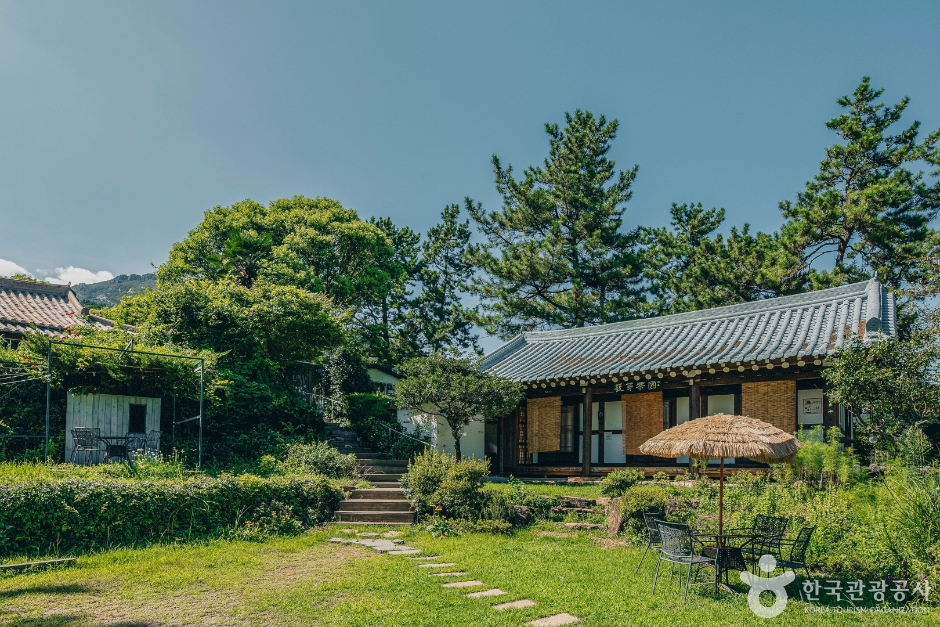
Seoladawon (설아다원)
13.4Km 2024-12-24
153-21 , Samseong-gil, Haenam-gun, Jeollanam-do
Seola Dawon is a hanok stay at the foot of Mt Duryun in Haenam, Jeollanam-do. It began as a tea plantation whose owner wanted to pass on his love for traditional tea culture to the next generation. Many visitors came and they needed accomodation, so the owner built a small stone guest room. Now there are 8 guestrooms, including a clay house, a timber frame house, and an earthbag house; while the work of promoting tea cultivation and culture continue.
Duryunsan Cable Car (두륜산케이블카)
15.7Km 2025-03-26
88-45 Daeheungsa-gil, Haenam-gun, Jeollanam-do
Duryunsan Mountain (700 meters) is a famous mountain in Jeollanam-do. With its eight peaks, it is home to many temples and historic sites. The mountain also holds great importance in plant chorology as its forests consist of warm-temperate broad-leaved evergreens and deciduous broad-leaved trees. The mountain peak can be reached by trekking for about 2-3 hours from the entrance of Daeheungsa Temple or by the Daeryunsan Cable Car (one way 8-minute), which departs from the entrance on the opposite side of the mountain and takes visitors to a spot right below the peak. From the mountain summit, there is a view of the southern sea and on a clear day, it is possible to see as far as Hallasan Mountain on Jeju Island. Nearby tourist attractions include Uhangri Dinosaur Museum Complex, Usuyeong Tourism Village and Ttangkkeut Village.
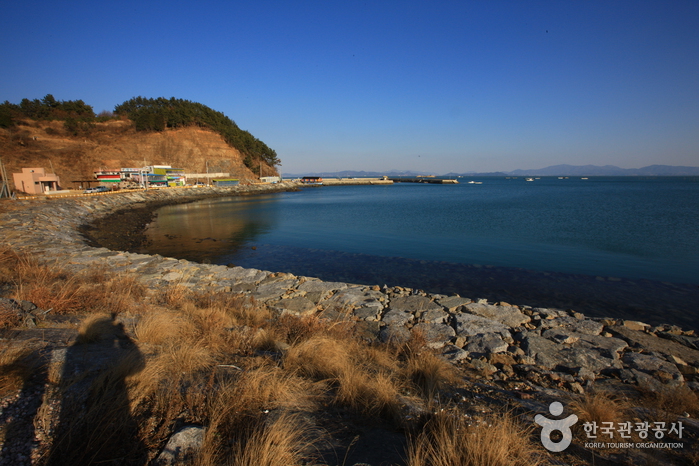
Jangheung Jeongnamjin (정남진(장흥))
15.9Km 2021-09-04
Gwansan-eup, Jangheung-gun, Jeollanam-do
Jangheung-gun’s Jeongnamjin is the warmest place on the Korean mainland. The region has a diverse natural environment including stunning views of mountains, fields, the ocean, lakes, rivers and streams. It also has several cultural and tourist sites such as Cheongwansan Mountain, Bangchon Cultural Village, and Borimsa Temple, one of the three Borimsa Temples in Asia.
The Jeongnamjin district has a wide variety of tourist attractions nearby such as the Samsan Embankment; a provincial park on Cheongwansan Mountain; a literature park; and Sodeungseom Island, a famous sunset attraction often used as a filming location and festival grounds. A number of festivals are held around the area to promote the region's diverse produce and beauty.
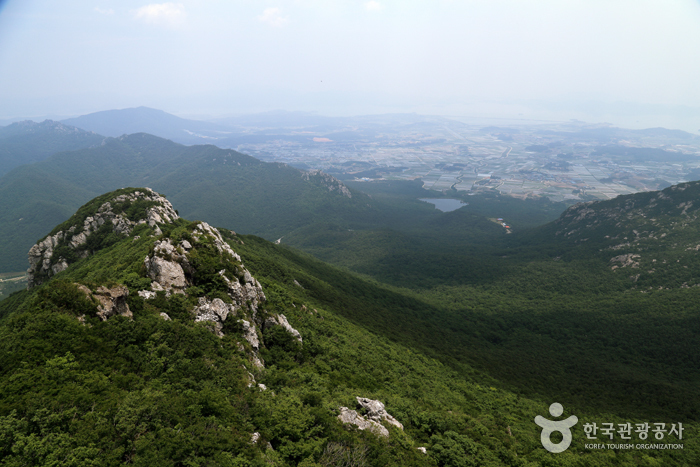
Duryunsan Provincial Park (두륜산도립공원)
16.6Km 2025-03-15
400, Daeheungsa-gil, Haenam-gun, Jeollanam-do
Containing many Buddhist temples and ruins as well as spectacular scenery, the 700 meter-tall Duryunsan Mountain is located at the southernmost point of the Korean peninsula. Forested by subtropical green broadleaf trees and temperate deciduous broadleaf trees, the mountain is valued highly for observing plant chorology. There are many fields of silver grass, and the summit of the park's eight peaks provide vistas of the western and southern sea.
During the fifth year of King Jinheung's reign (514), the Buddhist monk Ado built Daedunsa Temple, which is a place of great historical value as it is also related to the Buddhist monk Seosan. The temple is built among dense woodlands, consisting of maple trees and camellias. Breathtaking scenery of valleys and luxuriant trees can be seen on both sides of the 2-kilometer-long road leading to the temple.
Historic Site of Gosan Yun Seondo (고산 윤선도 유적지)
16.6Km 2024-02-20
135 Nogudang-gil, Haenam-eup, Haenam-gun, Jeollanam-do
Historic Site of Gosan Yun Seondo is a memorial site dedicated to Gosan Yun Seondo (1587-1671), a government official and literary figure of the Joseon dynasty. Nogudang is the house where Yun Seondo lived, built in the 15th century. There is also a museum displaying numerous hanok and artifacts. It is situated in a beautiful location surrounded by large ginko trees and forests.
Geomokjang Minbak Lodging (거목장민박)
17.3Km 2024-12-24
63 , Minbakchon-gil, Haenam-gun, Jeollanam-do
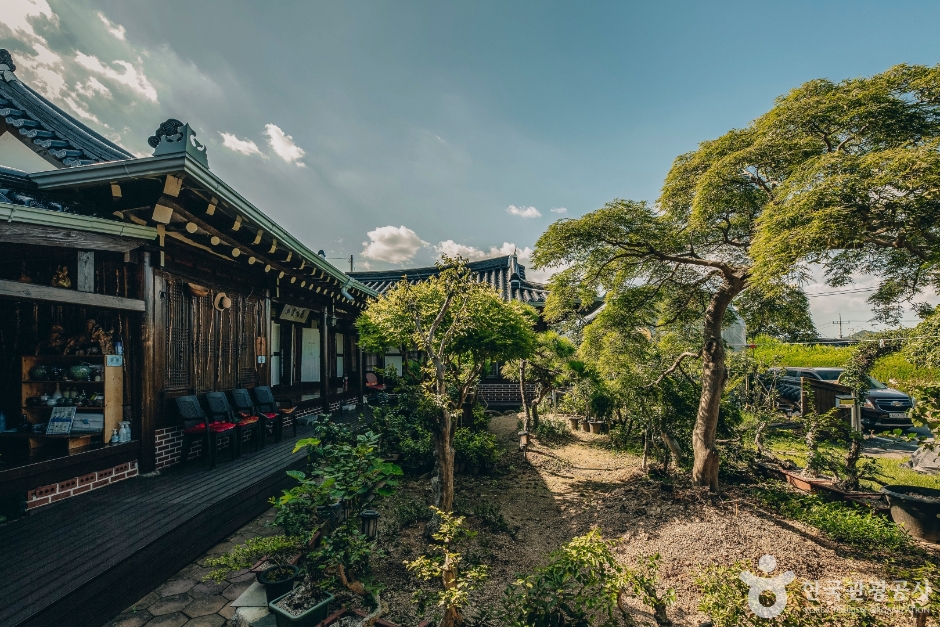
Geomokjang Minbak (‘B&B’) stands at the foot of Mount Doryunsan, Hanam-gun, Jeollanam-do, and is part of Museon Hanok Minbak Village. The hanok’s pillars and rafters are built of old pinewood, and the wooden floors, windows and doors are lined with Korean paper. All 7 rooms have modern bathrooms. In the large tree-shaded yard you can experience bonsai making for a small fee, while beyond the low stone wall are fields and trees. Geomokjang is a good base for exploring Haenam and is on the way to Daeheungsa, a temple with a thousand years of history.
Chamil Neungi Beoseot Baeksuk (참일능이버섯백숙)
18.5Km 2025-08-01
61, Gyoyukcheong-gil, Haenam-gun, Jeollanam-do
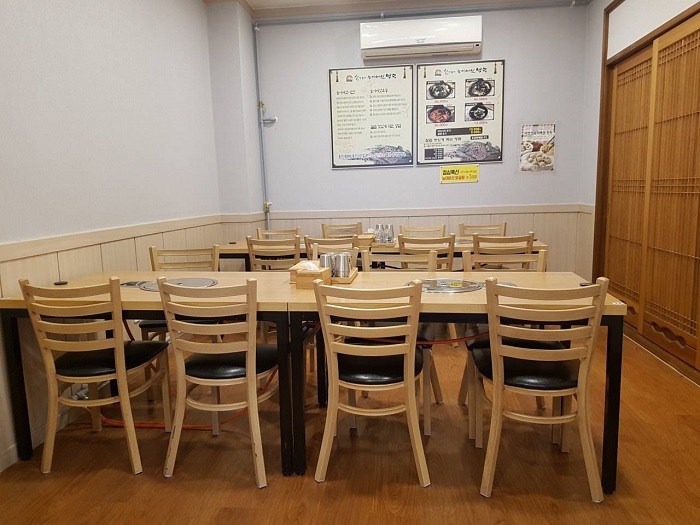
It is a good place to enjoy Korean dishes for health. This restaurant's signature menu is whole chicken soup with shingled hedgehog. This Korean dishes restaurant is located in Haenam-gun, Jeollanam-do.
 English
 한국어
한국어 日本語
日本語 中文(简体)
 Deutsch
 Français
 Español
 Русский


