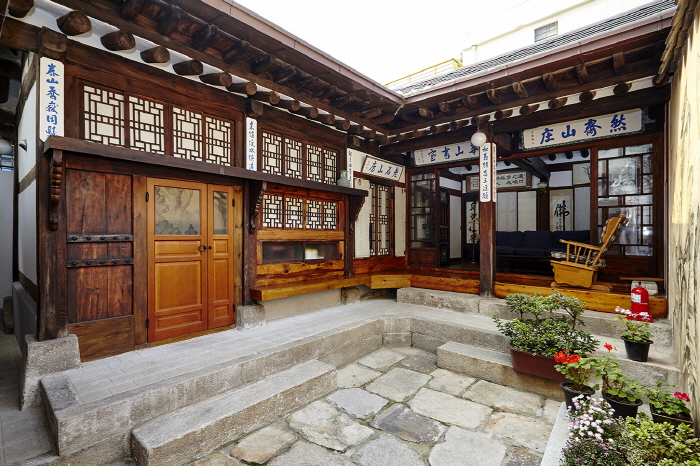
Sieunjae / 시은재
15.8Km 2025-08-13
439, Samil-daero, Jongno-gu, Seoul
+82-10-5355-3029
Located in Gyeongun-dong, Jongno-gu at the very heart of Seoul, Sieunjae is a hanok with a longstanding tradition. It has three guestrooms including the anbang (main room), byeolchae (detached building), and jakeunbang (small room). The anbang is the only room with a living room, where various items of old furniture, including a comfortable sofa, create an antique atmosphere. The communal bathroom and toilets are supplied with toiletries, while the communal kitchen is equipped with cooking equipment and a washing machine.
The house can be rented either as individual accommodations or in its entirety. As it is situated in Jongno-gu, at the very heart of Seoul, guests can easily reach many nearby major tourist attractions. Car users are advised to use the public parking lot as the house has no parking spaces. Entering by a small gate, the little flowerbed comes into sight. This old hanok shows traces of repair works on the tiled roof.
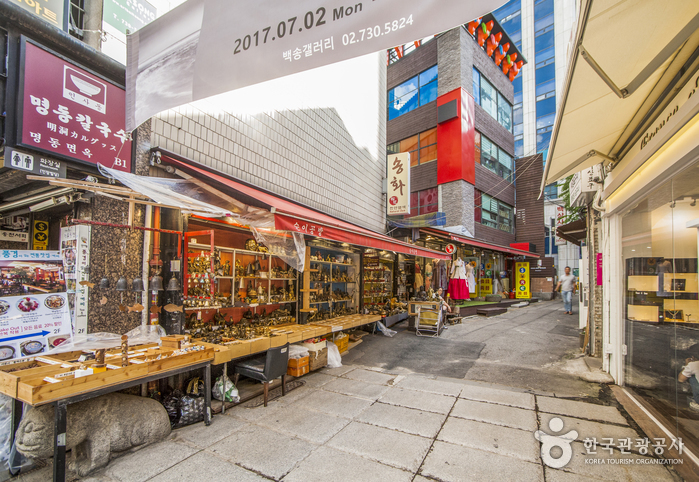
Insa-dong Antique Art Street (인사동 고미술거리)
15.8Km 2025-08-04
29, Insadong-gil, Jongno-gu, Seoul
As of today, there are approximately 70 shops in the Insa-dong area that sell antique arts. Some of the products they sell include antique artworks, porcelains, woodcrafts, and metalwork. Visitors may even find rare and valuable products such as earthenware from the Silla period or white porcelain used in the Joseon dynasty. Each shop is a specialty store, authorized to sell product types that are of their expertise, ranging from antique furniture and traditional artworks to handcrafted items.
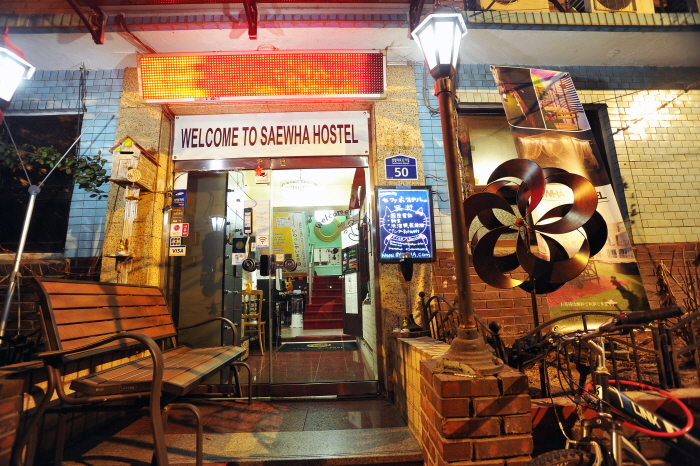
Saewha Hostel (세화호스텔)
15.8Km 2025-07-23
50, Samil-daero 32ga-gil, Jongno-gu, Seoul
Located in Jongno, in the heart of Seoul, Saehwa Hostel offers a variety of guest rooms, including ondol rooms and bedrooms, for up to 3 people. There’s a bathtub in each room. Shared PCs, massage chairs, microwave ovens, washing machines and dryers are all available free of charge. A simple free breakfast is provided, plus a free international phone service and a foreign language guidance service. Seoul Station is 15 minutes away by subway, and the airport limousine bus stops at Jongno 3-ga station. Changdeokgung Palace, Jongmyo Shrine, and downtown shopping streets are all reachable on foot.
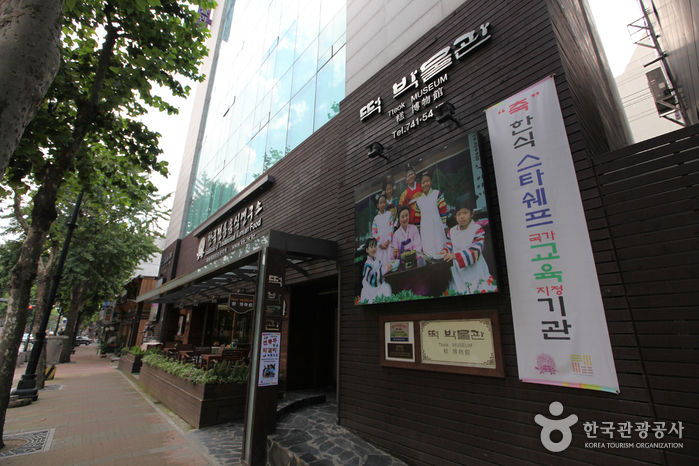
Museo del Tteok (떡박물관)
15.8Km 2021-07-16
Donhwamun-ro 71, Jongno-gu, Seúl.
En este lugar se encuentran en exposición diferentes utensilios y artículos que se utilizan para preparar el tteok (pastelillos dulces de arroz de distintos sabores y formas); infusiones y licores tradicionales que son ideles para acompañarlos en cualquier ocasión. El tteok es un tipo de postre coreano que presenta miles de variedades y sabores. La receta de cada tipo de tteok es muy científica y sabe exactamente cómo respetar los ingredientes para obtener un resultado sublime en cuanto al sabor, propiedades nutricionales, textura y aroma.
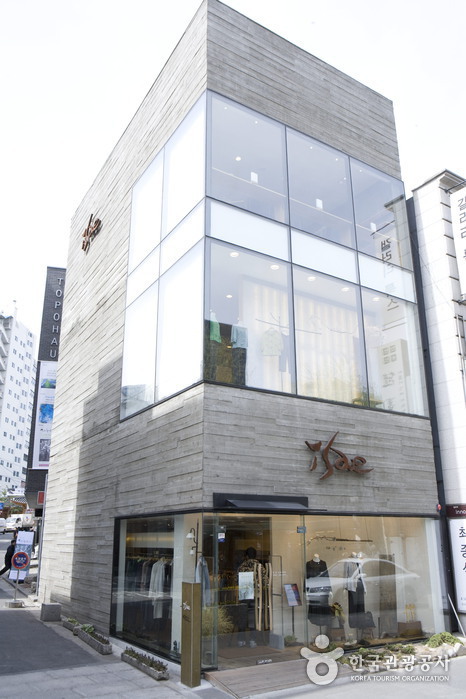
Isae (이새)
15.8Km 2024-02-21
Insadong-gil 30-1, Jongno-gu, Seúl
Esta tienda ubicada en el área de Insa-dong, Seúl, vende vestidos confeccionados con telas libres de químicos artificiales. Está destinada a clientela femenina.

Imun Seolnongtang (이문설농탕)
15.8Km 2025-08-08
38-13, Ujeongguk-ro, Jongno-gu, Seoul
Imun Seolnongtang has been serving its hearty seolleongtang for over a hundred years since it first opened in 1907. Even its name has a long history: the word imun comes from Imun-gol, the now-obsolete name of the restaurant’s location, and seolnongtang, an old variation of the word seolleongtang. During the Japanese ocupation rule, the restaurant’s regular customers included Gijeong Son, the marathon gold-medalist at the 1936 Berlin Olympics. To make the rich seolleongtang broth, beef meat and bones are simmered for more than 15 hours. Try putting rice and minced green onion in your seolleongtang for a warm and tasty experience. Kkakttugi (diced radish kimchi), provided as a side dish, is also delicious.
Mallijihwa Main Branch (만리지화 본점)
15.8Km 2025-11-27
17, Jong-ro 3-gil, Jongno-gu, Seoul
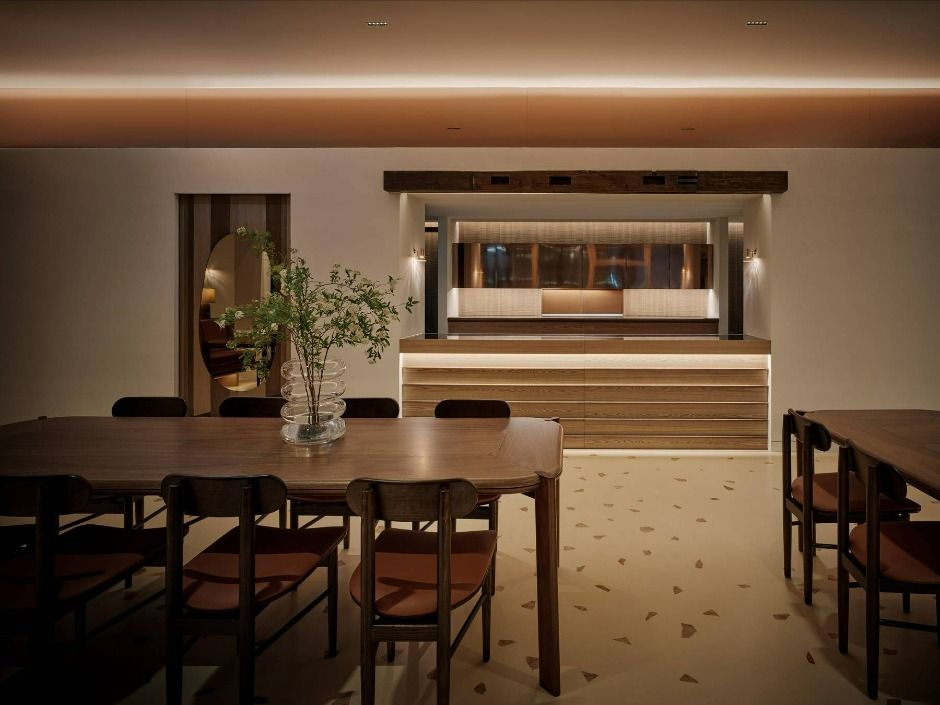
Mallijihwa, which embodies the meaning "eel that travels 10,000 ri and met fire," is an eel dining brand that modernizes the depth of Korean gastronomy. The restaurant's name was inspired by the eel's remarkable strength to swim across vast oceans to its spawning grounds—so significant that it is referred to as "malli fish" in the "Donguibogam" ("A Precious Mirror of Eastern Medicine"). Hence the name, Mallijihwa specializes in serving grilled eel, which is carefully grill with briquettes. The restaurant reinterprets eel with Korean aesthetics, offering a comfortable and elegant dining experience in a space that blends traditional architectural elements with a modern twist. The dishes served here offers an outstanding dining experience where the texture of the eel melts in one's mouth, and its flavor lingers long after. Signature dishes include grilled eel rice bowls, grilled eel, eel gujeolpan (platter of nine delicacies), and eel meal courses. The restaurant also offers seasonal lunch box made with fresh, seasonal ingredients.
Modern Shabu House Gwanghwamun D Tower Branch (모던샤브하우스 광화문D타워점)
15.8Km 2025-12-03
17, Jong-ro 3-gil, Jongno-gu, Seoul
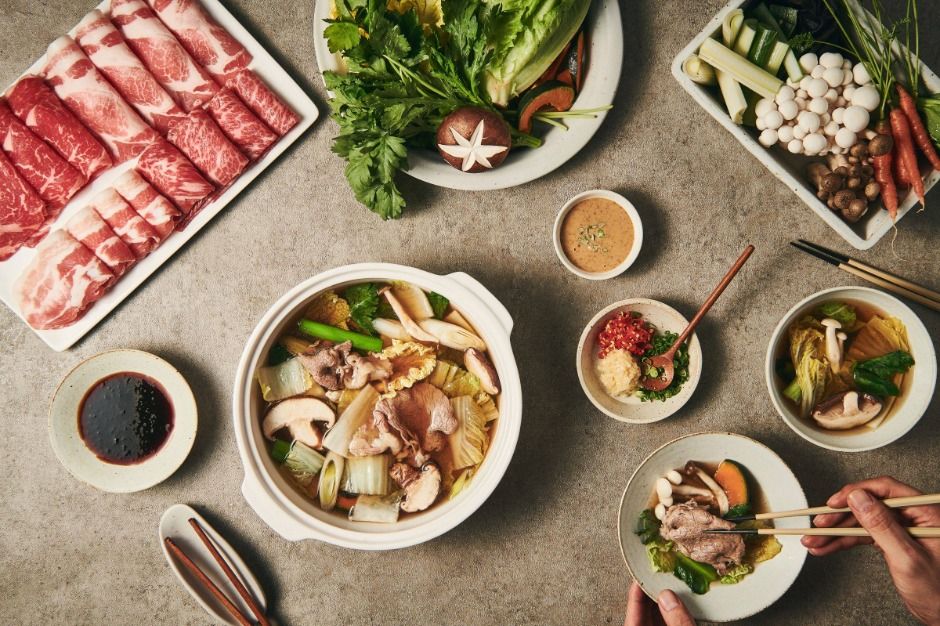
Located in Jongno-gu, Modern Shabu House Gwanghwamun D Tower Branch offers a selection of specialty broths to enjoy unlimited beef, pork, and vegetables. The restaurant serves four cuts of pork and beef in every course. The interior is designed with natural materials like earth, stone, and wood, inspired by the fluid process of cooking ingredients like meat and vegetables in a pot. The design reflects the natural movement and flow of ingredients as they cook together. The restaurant also has a range of private rooms, making it a popular choice for families with children and for gatherings, providing a comfortable dining experience.
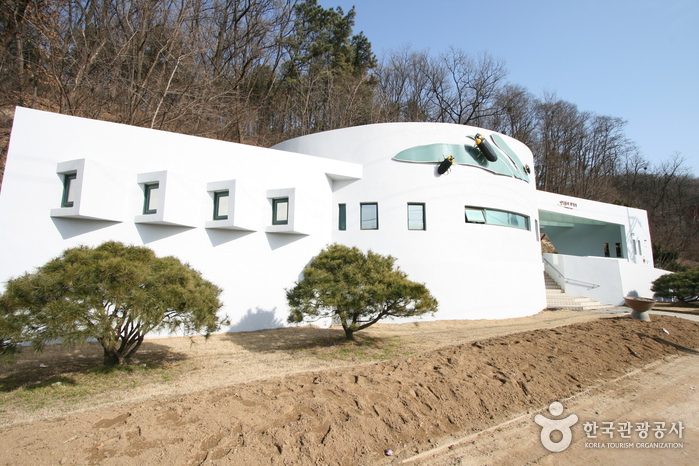
Baño de Luciérnaga (반딧불이화장실)
15.8Km 2021-03-10
Gwanggyosan-ro 166, Jangan-gu, Suwon-si, Gyeonggi-do.
La ciudad de Suwon es famosa por la Fortaleza Hwaseong, la cual está registrada como Patrimonio Cultural de la Humanidad por la Unesco. Fue una de las sedes de la Copa Mundial de Fútbol 2002 y desde entonces viene realizando esfuerzos para llegar a ser una ciudad turística mundialmente reconocida.
Los baños públicos son un espejo que demuestra el nivel económico, cultural y educativo de la ciudad y del país. La ciudad de Suwon decidió llevar a cabo el proyecto “crear y cuidar los baños”, el cual consiste en crear baños temáticos donde se puede encontrar música, pinturas y fragancia de flores con toques muy singulares, después de haber reunido opiniones de varios sectores a finales de 1996, para contribuir a celebrar exitosamente el Mundial de 2002 y ofrecer baños de alta calidad a los ciudadanos y visitantes. De esta manera, preparó un plan de remodelación de 788 baños en marzo de 1997. El plan se basaba en una idea de que con el mismo concepto y mismo diseño no se iba a lograr algo diferente. Por ello, llegó a organizar dos simposios con temas sobre los baños, el primero en celebrarse a nivel nacional, donde participaron profesores, artistas, arquitectos, empresarios, entre otros profesionales, en julio de 1997 y febrero de 1999. La conferencia ayudó a implementar el proyecto de manera sistemática, ya que en ella se presentaron la guía y la dirección a seguir sobre la cultura de baños.
Hasta la fecha, Suwon ha construido 16 baños públicos que representan la tradición cultural de la ciudad, combinando con el entorno natural, bajo el concepto de “baño con cultura”. Estos baños tienen espacios especiales para los discapacitados, mujeres y ancianos, así como instalaciones sanitarias de tecnología de punta. Además, cuentan con dibujos, fragancia, flores, estantes y música. No solo son simples baños sino también espacios culturales que han impactado a los usuarios.
El Baño de Luciérnaga busca ser un baño público limpio y bonito como las luciérnagas, que se alimentan de caracoles que viven en aguas muy limpias. Este baño pone música clásica, así como sonidos de pájaros e insectos. Asimismo, se pone la señal de ocupado en cada puerta, y el baño para los discapacitados tiene una línea telefónica conectada con la oficina de administración para cualquier emergencia. Lo mejor del Baño de Luciérnaga es que permite contemplar la presa de Gwanggyo mediante sus ventanas translúcidas, sin que se vea desde fuera.
Insadong Chatjip (인사동찻집)
15.8Km 2025-06-24
33-1, Insadong-gil, Jongno-gu, Seoul
Insadong Chatjip is a hanok teahouse that serves home-made traditional tea. Even the red beans used in the summer delicacy patbingsu
 Español
 한국어
한국어 English
 日本語
日本語 中文(简体)
 Deutsch
 Français
 Русский


